
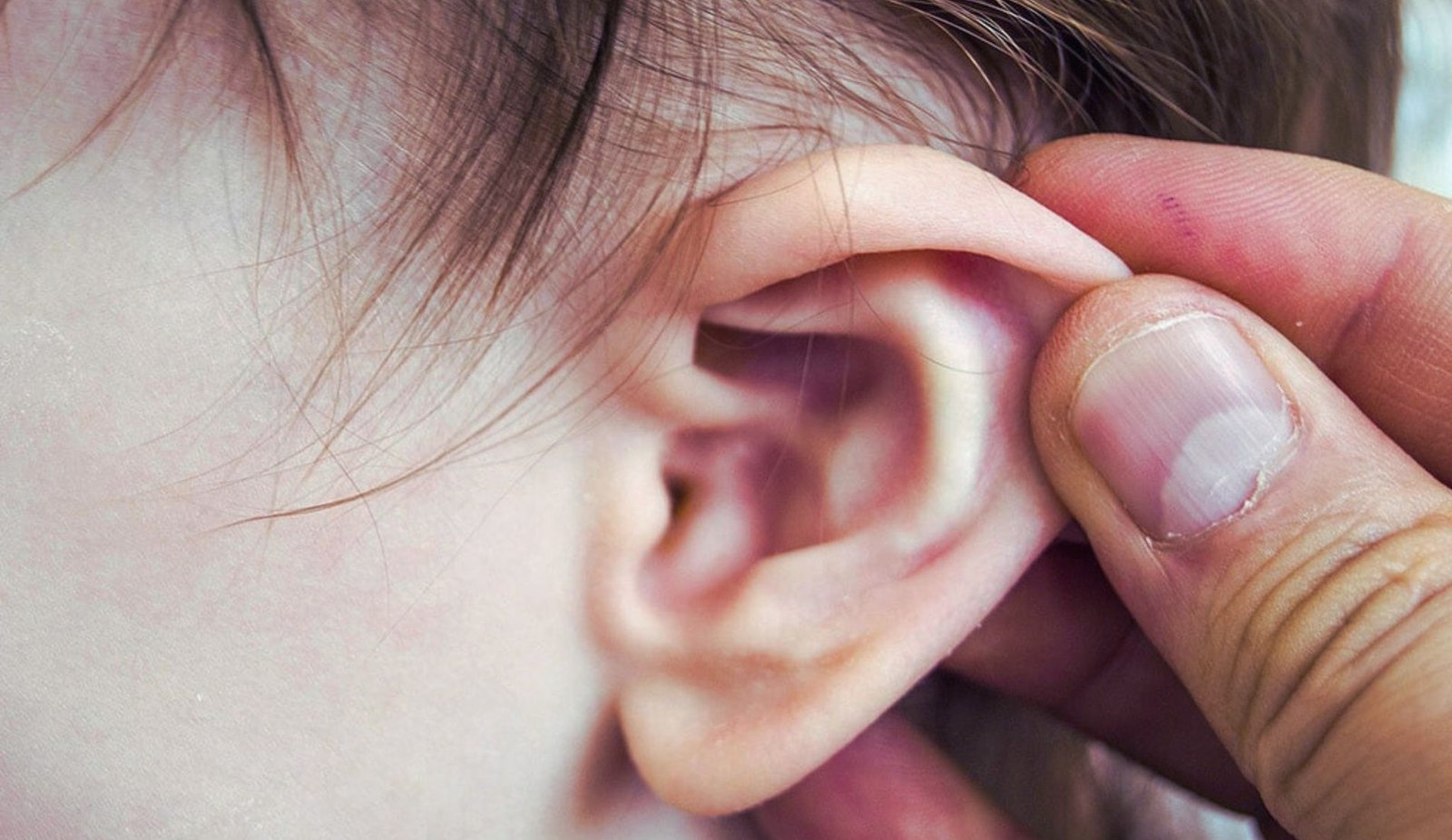
Have you ever noticed your newborn crying more than usual or tugging at their ear and wondered what’s wrong? Ear infection in newborn babies can be tricky to detect because babies can’t express their discomfort. How can parents recognize the signs early and know when it’s time to visit a doctor?
An ear infection in babies and young children usually occurs when bacteria or viruses cause fluid buildup behind the eardrum, leading to pain and inflammation. Premature infants or those exposed to secondhand smoke are at higher risk. In this article, we’ll explain the common ear infection causes, symptoms, and treatment options for infant ear ache, with insights from pediatric experts.
But spotting the infant ear infection early can make all the difference in your baby’s comfort and recovery. Dr. Laura Jana, a leading pediatrician and author, emphasizes that prompt medical attention helps prevent hearing issues or repeated infections. So, let’s dive into the key warning signs and trusted remedies every new parent should know.
What Causes Ear Infections in Newborns?
To understand the causes, it’s helpful to know the basic anatomy involved. The Eustachian tube is a small canal that connects the middle ear to the back of the throat. Its job is to drain fluid and equalize air pressure. In newborns and infants, these tubes are shorter, narrower, and more horizontal than in adults, making them much easier for fluid to become trapped.
When your baby has a cold or respiratory infection, the Eustachian tubes can become swollen and blocked. This creates a perfect environment—dark, warm, and fluid-filled—for bacteria or viruses to multiply, leading to an infection.
Several key factors contribute to this process in babies:
- Immature Immune Systems: A newborn’s immune system is still developing, making them more susceptible to all kinds of infections, including those that can lead to ear problems.
- Anatomy: As mentioned, the physical structure of a baby’s Eustachian tubes is the primary culprit.
- Feeding Position: Feeding a baby while they are lying flat (as in bedtime bottles) can allow milk to flow back into the Eustachian tubes, potentially irritating them and contributing to blockages.
- Exposure to Illness: Attendance at daycare or having older siblings increases exposure to common colds, which are a frequent precursor to an ear infection in infant.
- Allergies and Environmental Irritants: Smoke exposure can irritate and swell the Eustachian tubes, significantly increasing the risk of infection.
Symptoms of Ear Infection in Babies and Toddlers
Recognizing the signs of infant ear infection can be challenging, as the symptoms are often subtle and can be mistaken for general fussiness. However, a combination of the following behaviors is a strong indicator, especially if they follow a cold.
- Tugging or Pulling at the Ear: While babies often pull their ears out of curiosity or during teething, persistent tugging, especially when accompanied by other symptoms, can signal ear pain.
- Fussiness and Crying, Particularly When Lying Down: The change in pressure when lying down can intensify ear pain, leading to increased crying at nap time and bedtime.
- Difficulty Sleeping: The pain and pressure make it hard for your baby to fall asleep and stay asleep.
- Fever: infant ear ache often cause a fever, typically ranging from 100°F to 104°F (38°C to 40°C).
- Fluid Drainage from the Ear: A yellow, white, or possibly blood-tinged fluid draining from the ear can indicate that the eardrum has ruptured due to pressure. While this sounds alarming, it often relieves the pain, and the eardrum usually heals on its own.
- Clumsiness or Balance Issues: The middle ear is part of the vestibular system, which controls balance. infant earache can cause dizziness or balance problems.
- Hearing Difficulties: The fluid buildup can muffle sounds. You might notice your baby not responding to soft sounds or their own name.
Understanding these symptoms is crucial for managing ear infections in babies and toddlers, as prompt attention can prevent further complications.
How Does a Doctor Diagnose a Middle Ear Infection?
Diagnosing a middle ear infection in a newborn typically involves a thorough examination by a pediatrician. The doctor will:
- Conduct a Physical Exam: The pediatrician will use an otoscope to look into the baby’s ears for signs and symptoms of infection, such as redness, swelling, or fluid.
- Assess Symptoms: The doctor will ask about the baby’s symptoms, including fever, irritability, or changes in feeding patterns. These can provide valuable clues about the presence of an ear infection.
- Check for Fluid: If fluid is present in the middle ear, this can indicate an infection. The doctor may also assess the baby’s respiratory system to check for any accompanying infections.
- Consider Medical History: The pediatrician will review the newborn’s medical history, including any previous ear infections or related health issues.
A prompt and accurate diagnosis is crucial for effective treatment and can help prevent complications associated with ear infections in infants.
Treatment Options for Ear Infections in Children
The right treatment depends on your child’s age, the severity of the infant ear infection, and whether it’s bacterial or viral. It’s a common misconception that all infections require antibiotics.
1. Watchful Waiting
For older infants with mild symptoms, many doctors recommend a 48- to 72-hour “watchful waiting” period. The body’s immune system can often fight off the infection on its own. During this time, you can manage pain at home with age-appropriate doses of acetaminophen or ibuprofen (for babies over 6 months).
2. Antibiotic Treatment
If the infection is bacterial, severe, or doesn’t improve on its own, antibiotics are the standard treatment. It is absolutely vital to give the entire course of antibiotics as prescribed, even if your baby seems completely better after a few days. Stopping early can lead to a recurring, antibiotic-resistant infection.
3. Pain Management
Whether antibiotics are prescribed or not, pain management is a key part of care. Always consult your doctor for the correct type and dosage of pain reliever for your baby’s age and weight.
4. Ear Tubes (Tympanostomy)
For children with chronic, recurring ear infections in children, a pediatric ENT specialist may recommend the placement of tiny ear tubes. This minor surgical procedure involves making a small incision in the eardrum to drain fluid and place a tube that keeps the middle ear aerated. This is highly effective for preventing fluid buildup and subsequent infections.
Are Recurring Ear Infections Bad for Kids?
This is a primary concern for many parents. While a single, properly treated ear infection is typically not cause for long-term alarm, frequent ear infections in kids can lead to complications if left unaddressed.
- Hearing and Speech Development: Persistent fluid in the middle ear (otitis media with effusion) can cause temporary, mild hearing loss. In the critical early years of life, when language skills are rapidly developing, this can potentially lead to delays in speech and language.
- Spread of Infection: In rare cases, an untreated severe infection can spread to nearby tissues, including the mastoid bone (mastoiditis) or, even more rarely, the membranes surrounding the brain and spinal cord (meningitis).
- Eardrum Damage: Multiple infections or a severe infection can lead to permanent perforation or scarring of the eardrum, which can affect hearing.
This is why managing the health of infants and ear infections proactively is so important. If your child has three or more episodes in six months, or four in a year, they are considered to have recurrent infections, and you should discuss preventative strategies with your pediatrician.
How to Prevent Ear Infections in Infants?
While it may not be possible to prevent every single ear infection, several evidence-based strategies can significantly reduce your baby’s risk.
- Breastfeed if Possible: Breastfeeding for at least the first 6 months provides antibodies that strengthen your baby’s immune system. The feeding position is also better for the Eustachian tubes than bottle-feeding while lying down.
- Practice Proper Bottle-Feeding Hygiene: If you bottle-feed, hold your baby in a semi-upright position and never put them to bed with a bottle.
- Stay Up-to-Date on Vaccinations: Ensure your child receives all recommended immunizations. The pneumococcal conjugate vaccine (PCV13) and the annual flu shot have been shown to reduce the incidence of ear infections.
- Minimize Exposure to Colds: Wash your and your baby’s hands frequently and try to limit contact with obviously sick children or adults.
- Create a Smoke-Free Environment: Secondhand smoke dramatically increases the frequency and severity of ear infections.
- Consider Probiotics: Some studies suggest that probiotics can help support the immune system and reduce infection rates. Always consult your pediatrician before giving any supplements to your baby.
By implementing these preventative measures, you can create a healthier environment for your child and reduce the frequency of ear infections in babies and toddlers, giving them a more comfortable and happy infancy.
Common Questions about Symptoms of an Ear Infection in infant (Otitis Media FAQs)
What causes an ear infection in kids?
Ear infections in kids are often caused by bacteria or viruses. Fluid builds up in the inner ear behind the eardrum in the child’s ear, causing pain and pressure. The child may also develop a fever and be fussy.
How can I tell if my child has an ear infection?
Signs your baby has an ear infection include tugging at their ear, fussiness, fever, and trouble sleeping. Ear pain is a common reason children get sick. Fluid drainage from the ear is a more specific sign.
What if my child has frequent ear infections?
Frequent infections may require seeing an ENT specialist. Chronic fluid and pressure in the middle ear canal can affect hearing. Issues often stem from Eustachian tube dysfunction connecting the nose and throat to the ear.
Can ear infections be prevented?
While not always preventable, you can reduce Pediatric Ear Infections. Key strategies include breastfeeding, avoiding secondhand smoke, staying up-to-date on vaccinations, and practicing good hand washing to reduce the spread of colds that can lead to ear infections.
What happens if my child keeps getting ear infections?
Recurrent infections are common in children. If fluid persists, it can affect hearing and speech. For chronic cases, doctors may insert tubes to ventilate the outer ear canal. Most children with ear infections outgrow this susceptibility.
Recurrent ear infections: What’s normal and what needs specialized care?
Three infections in six months or four in a year is considered recurrent and warrants an ENT evaluation. Normal care involves antibiotics. Specialized care may include ear tube surgery to prevent complications and preserve hearing development.
What are the common signs of an ear infection in a newborn?
Common signs of an ear infection in newborns include ear pain, irritability, difficulty sleeping, and pulling at the ears. Babies may also exhibit signs of fever or fluid draining from the ear. It’s important to observe any unusual behavior, as these may indicate that the child has an ear infection.
What causes ear infections in newborns?
Ear infections in newborns, particularly acute otitis media, are often caused by bacteria or viruses that lead to fluid buildup in the middle ear. This can be a result of upper respiratory infections, colds, or allergies that affect the eustachian tube. Newborns are more prone to ear infections due to their developing immune systems and anatomy.
How can I treat ear infections in my newborn?
Treating ear infections in newborns typically involves consultation with a pediatrician. Depending on the severity, treatment options may include antibiotics if a bacterial infection is suspected, or observing the infection if it is viral. Pain relief can be managed with appropriate medications as advised by a healthcare professional.
Are there any ways to prevent ear infections in newborns?
To reduce the risk of ear infections in newborns, parents can practice good hygiene, avoid exposing the baby to secondhand smoke, and encourage breastfeeding. Breast milk can help boost the newborn’s immune system, making them less prone to infections. Keeping the baby’s environment clean and avoiding upper respiratory infections is also beneficial.
What is the risk of ear infections in newborns?
Newborns and young children are at a higher risk for ear infections due to their anatomical structure and immature immune systems. Babies under six months are particularly vulnerable, and recurrent ear infections may lead to potential hearing loss or chronic otitis media if not properly managed. Parents should monitor any recurring symptoms closely.
Conclusion
An ear infection in your newborn or infant is a stressful experience, but armed with the right knowledge, you can navigate it with confidence. By learning to spot the subtle symptoms early, seeking prompt medical diagnosis, and following through with the prescribed treatment, you can ensure your little one gets the relief they need quickly. Remember, while common, infant ear ache should always be taken seriously. Through a combination of vigilant care, informed treatment, and proactive prevention strategies, you can protect your child’s comfort, hearing, and overall well-being, allowing you both to focus on the joys of this precious time.
Recommended posts
- Best Infant Ear Infection Treatment Options for Fast Relief
- Double Ear Infection in Infant: Symptoms, Causes & Best Cure
- 7 Early Warning Ear Infection Signs in Newborn (Must-Read)
- How Long Does It Take for an Ear Infection to Heal with Antibiotics?
- Can Infant Ear Infections Cause Hearing Loss: Myths Vs Facts
- Effective Home Remedy for Earaches and Infections That Really Work!

