
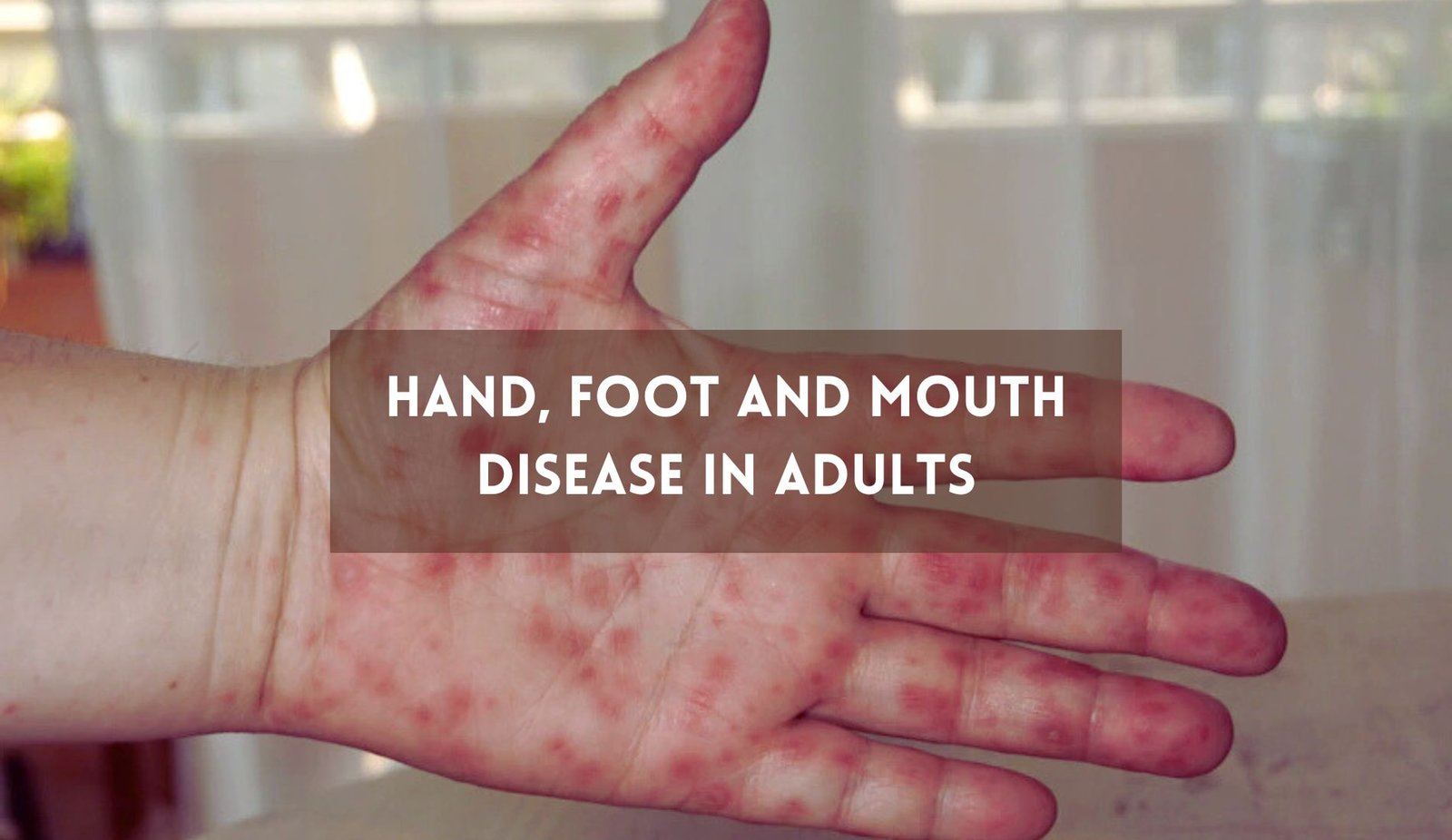
Did you know that Hand, Foot, and Mouth Disease (HFMD) isn’t just a childhood illness? Adults can catch it too, often experiencing milder symptoms but still facing discomfort from fever, mouth sores, and rashes on hands and feet. Understanding how HF MD manifests in grown-ups is essential to manage it quickly and prevent spreading it to children.
In this article, we’ll explore Hand, Foot, and Mouth Disease in adults, including common symptoms and treatment, how it differs from children, and practical remedies to ease discomfort. You’ll also discover preventive measures to minimize transmission within households. Awareness and timely care can make the recovery smoother for adults.
But these insights are just the beginning. According to Dr. Mary Anne Jackson, a pediatric and adult infectious disease expert, recognizing HFMD in adults early can prevent severe complications. Let’s dive into the signs, symptoms, and remedies that every adult should know about this contagious illness.
How Can Adults Get Hand, Foot and Mouth Disease?
Adults typically contract hand, foot, and mouth disease through direct contact with an infected person or contaminated surfaces. The virus responsible for HFMD—most commonly Coxsackievirus A16 or Enterovirus 71—spreads via saliva, nasal secretions, fluid from blisters, or fecal matter. Common modes of transmission include:
- Close contact with children: Parents or caregivers of infected children are at higher risk.
- Touching contaminated surfaces: Toys, doorknobs, or shared utensils can harbor the virus.
- Poor hygiene: Not washing hands after changing diapers or using the restroom increases susceptibility.
- Sexual contact: Though rare, intimate contact can transmit the virus if blisters or oral secretions are present.
Interestingly, adults often have a stronger immune response, which can result in subtler symptoms. This is why many cases go unnoticed until the disease has already spread to others in the household or workplace.
What Causes Foot and Mouth in Adults?
The cause of foot and mouth disease in adults is primarily viral. The infection is triggered by viruses from the enterovirus family, particularly:
- Coxsackievirus A16: The most common cause, responsible for classic HFMD outbreaks.
- Enterovirus 71 (EV71): Can lead to more severe complications in rare cases.
Once the virus enters the body through the mouth, nose, or eyes, it multiplies in the gastrointestinal tract before spreading to the skin and mucous membranes. Adults may be less symptomatic because their immune systems are already primed from previous exposures to similar viruses during childhood.
Certain risk factors can increase susceptibility in adults:
- Weakened immune system due to illness or medications
- Exposure to young children in daycare or school settings
- Living or working in crowded environments
Understanding the viral cause and risk factors is crucial for preventing reinfection and minimizing the spread of HFMD within adult populations.
What Are the First Symptoms of Hand, Foot and Mouth Disease in Adults?
Recognizing the initial signs of hand, foot, and mouth disease in adults can be tricky since symptoms are often milder than in children. Typical early symptoms include:
- Fever: Low to moderate, often the first sign.
- Sore throat and difficulty swallowing: The virus can cause painful sores in the mouth.
- Malaise and fatigue: Feeling unusually tired or weak.
- Loss of appetite: Reduced desire to eat due to mouth sores.
- Skin rash: Small red spots or blisters, usually on the hands, feet, or around the mouth.
In some cases, adults may experience atypical symptoms such as joint pain, mild diarrhea, or a headache. Because these signs can mimic other illnesses like influenza or common colds, HFMD is often misdiagnosed, which increases the risk of unintentional transmission.
How Do You Treat Hand, Foot and Mouth Disease in Adults?
Currently, there is no specific antiviral treatment for HFMD. Management focuses on relieving symptoms and preventing complications. Effective strategies include:
- Pain and fever management: Over-the-counter medications such as acetaminophen or ibuprofen can reduce discomfort.
- Hydration: Drinking plenty of fluids helps prevent dehydration, especially if mouth sores make swallowing painful.
- Topical treatments: Mouth rinses or gels can soothe ulcers and reduce pain.
- Rest: Adequate rest supports immune function and speeds recovery.
- Isolation: Avoid contact with others until symptoms resolve to prevent spreading the virus.
It’s important to avoid antibiotics since HFMD is viral, not bacterial. In severe cases, especially if the patient has a weakened immune system, a doctor may provide additional supportive care.
How Long Are Hand, Foot, and Mouth Contagious in Adults?
Adults with HFMD are typically contagious from the first week of infection until the sores completely heal. Key points to understand:
- Initial contagion: Virus is highly transmissible during the early stages, even before symptoms appear.
- Blister fluid: Direct contact with open sores can spread the virus.
- Fecal shedding: The virus can be present in stool for several weeks after recovery.
Practicing good hygiene, frequent handwashing, and avoiding sharing utensils or towels can significantly reduce the risk of transmission.
Can Adults Go to Work with HFMD?
Going to work while infected with HFMD is not recommended. Adults are capable of spreading the virus to colleagues, especially in office environments, healthcare settings, or childcare facilities. Here are some guidelines:
- Stay home during the contagious phase: Usually at least 7–10 days or until all sores have healed.
- Remote work: If possible, work from home to avoid contact with others.
- Notify coworkers: Transparency helps prevent outbreaks, particularly in environments with children or immunocompromised individuals.
Employers and HR departments often follow similar policies to those used for flu or other contagious illnesses, emphasizing isolation until recovery.
When to See a Doctor?
Most adult cases of HFMD are mild and resolve within 7–10 days without medical intervention. However, seek medical attention if you experience:
- High fever that does not respond to medication
- Severe pain or difficulty swallowing fluids
- Signs of dehydration (dry mouth, reduced urination)
- Rapidly spreading rash or unusual symptoms
- Pre-existing medical conditions or weakened immunity
Prompt medical evaluation ensures complications are prevented, and severe cases are managed effectively.
Common Questions about Hand Foot and Mouth in Adults (FAQS)
Mouth sores are concerning?
Most mouth sores are minor and heal quickly. However, persistent sores lasting over two weeks, or those in older children and adults accompanied by difficulty swallowing, warrant a doctor’s visit to rule out underlying conditions.
What are the symptoms of adult hand, foot, and mouth disease in adults?
Adults can get hand-foot-mouth disease. The symptoms usually mirror those in children, including fever, a distinctive rash on hands and feet, and painful mouth sores, though they can sometimes be more severe in adults.
Should I take a sick day from work if my child has hand, foot and mouth?
Yes, you should take a sick day. While you wait for your child’s symptoms go away, staying home helps prevent spreading this contagious viral disease to coworkers. It also allows you to provide necessary care for your sick child.
What is hand-foot-and-mouth disease and how does it affect adults?
Hand-foot-and-mouth disease (HFMD) is a viral infection that primarily affects children, but adults can also get it. It is caused by viruses, most commonly the coxsackievirus A16. The disease is characterized by fever, sores in the mouth, and a rash on the hands and feet. Adults who get HFMD may experience symptoms similar to those in children, including mouth pain and flu-like symptoms.
What are the common symptoms of foot and mouth disease in adults?
Symptoms of adult foot and mouth disease usually include fever, sore throat, mouth ulcers, and a rash on the palms and soles of the feet. The rash may present as red spots or blisters and can also appear on the buttocks. Symptoms typically last for about 7 to 10 days and often resolve without specific treatment.
Can adults get hand-foot-and-mouth disease from children?
Yes, adults can catch hand-foot-and-mouth disease from children, especially if they have close contact with an infected child. The virus is highly contagious during the first week of illness, and transmission can occur through respiratory droplets, direct contact with lesions, or contaminated surfaces.
How can adults prevent getting HFMD?
To prevent adult hand mouth and foot disease, wash your hands frequently with soap and water, especially after caring for infected children. Avoiding close contact with infected individuals and not sharing utensils or personal items can also help reduce the risk of infection. Staying home when experiencing symptoms is crucial to prevent spreading the virus.
What should adults do if they experience symptoms of HFMD?
If adults experience symptoms like mouth sores, fever, and rash, they should consult a doctor for advice. While there is no specific treatment for HFMD, symptomatic treatment with acetaminophen or ibuprofen can help alleviate discomfort. Staying hydrated and resting are also important for recovery.
How long do the symptoms of hand-foot-and-mouth disease usually last in adults?
Symptoms of adult foot hand mouth disease usually last around 7 to 10 days. Most adults will recover without complications, and symptoms typically go away on their own. However, if severe symptoms occur or if there are concerns about dehydration due to mouth pain, it’s essential to seek medical attention.
What are the complications of foot and mouth disease in adults?
Though complications from hand-foot-and-mouth disease are rare in adults, some might experience severe symptoms or dehydration, particularly if mouth sores make it difficult to eat or drink. If symptoms persist or worsen, it is advisable to see a doctor for further evaluation and management.
Conclusion
Foot and Mouth Disease in Adults is rare but possible, and its symptoms can often be overlooked. Awareness of how adults contract the virus, its early signs, and the proper management steps is essential for limiting the spread and ensuring a quick recovery. Adults must practice good hygiene, avoid contact with others while contagious, and seek medical attention if symptoms worsen. By understanding the realities of HFMD in adults, you can protect yourself and those around you, while minimizing the impact of this surprisingly common childhood virus in adult populations.
Recommended posts
- What Does Hand Foot and Mouth Look Like in Adults and Kids
- Early Signs Hand Foot and Mouth Day by Day (Why it Matter?)
- How Long Is Hand Foot and Mouth Disease Contagious?
- The TOP 3 Hand Foot and Mouth Stages (A Complete Guide)
- Best Cream for Hand Foot and Mouth Disease That Work Fast
- Hand Foot and Mouth Recovery Signs: How to Tell It’s Almost Over
- Can Adults Get Hand Foot and Mouth Disease? Symptoms & Risks

