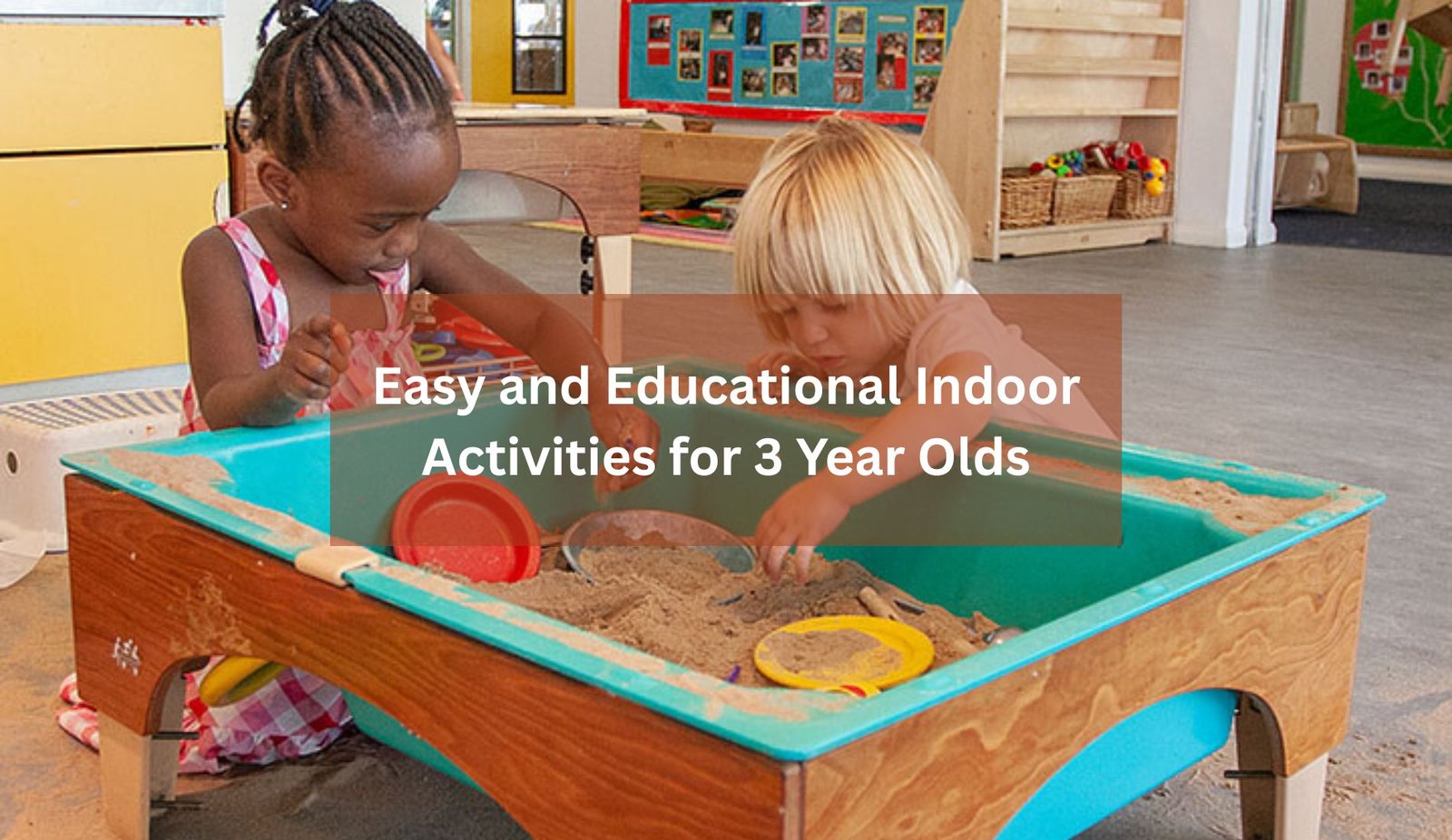
Looking for fun and engaging indoor activities for 3 year olds? When the weather keeps you inside, keeping little ones entertained can be a challenge—but it’s also a great opportunity to spark creativity and learning through play. So, what indoor learning activities actually hold their attention and help them grow?
In this article, you’ll find a list of easy, development-boosting play ideas for 3-year-olds—like indoor scavenger hunts, building forts, pretend play, simple crafts, and sensory games. Each activity encourages imagination, fine motor skills, and independent thinking, all while keeping your toddler happily busy indoors.
But that’s just the start! As early childhood expert Dr. Becky Bailey reminds parents, “Play is how young children learn best—it’s their work.” So, get ready to transform your living room into a fun and enriching play zone your 3-year-old will absolutely love!
What are Fun Games To Play With Toddlers Indoors?
Playing games with toddlers is essential for their cognitive, social, and physical development. Fun games often involve movement, creativity, and interaction, making them ideal for indoor settings. Consider incorporating games that stimulate imagination, encourage teamwork, and enhance motor skills. From simple board games to interactive storytelling, the possibilities are endless.
Benefits of Indoor Games for Toddlers
- Cognitive Development: Engaging in games enhances problem-solving skills and critical thinking.
- Social Skills: Playing with others teaches sharing, empathy, and communication.
- Physical Activity: Indoor games can still promote movement, helping to develop coordination and balance.
The 10 Best Indoor Activities for 3 Year Olds for Rainy Day
Here are ten engaging and educational indoor activities for three year olds that kids love, and can transform a dull day into a fun-filled adventure.
– Rainbow Counting Puzzle
This colorful number game combines art and early math. Cut out arches from colored paper to form a rainbow. Label each arch with numbers (1–6 or higher depending on skill). Give your child matching colored counters, buttons, or paper dots to place on each arch. As they match numbers and colors, they strengthen number recognition, color sorting, and counting ability — all while creating a bright visual masterpiece.
Skills developed: counting, fine motor coordination, color identification.
– Pom Pom Push
Take a cardboard box or an empty tissue container and cut small holes in the top — just big enough for pom poms or soft balls to fit through. Let your child push the pom poms through each hole using their fingers or a small spoon. You can color-code the holes or label them with letters for added learning. This tactile game is simple but mesmerizing for toddlers.
Skills developed: hand-eye coordination, pincer grasp, patience, focus.
– Play-Doh Bead Stacks
Roll small balls of Play-Doh into mounds and insert spaghetti sticks upright in each. Give your child colorful beads to thread onto the sticks. You can encourage pattern building or free stacking. This is a wonderful way to refine their concentration and motor precision.
Skills developed: bilateral coordination, creativity, pre-math patterning.
– Arts and Crafts Indoor Activities
Set up a mini craft station using washable markers, glue sticks, safety scissors, stickers, and colored paper. Simple crafts like paper plate masks, handprint animals, or collage rainbows keep toddlers occupied and expressive. Encourage them to talk about colors and shapes while they create. Remember — it’s about the process, not the product!
Skills developed: creativity, communication, sensory exploration.
– Jumping Lines Gross Motor Activity
Lay out painter’s tape lines across the floor, spacing them about a foot apart. Challenge your 3-year-old to jump, hop, or step from one line to another. You can call out colors or numbers to make it interactive: “Jump to blue! Hop to 3!” This boosts coordination and spatial awareness while burning energy.
Skills developed: balance, gross motor strength, listening skills.
– Make a Cardboard Box Train
Turn large boxes into imaginative vehicles! Line up boxes to form a “train,” cut windows, and decorate each “car” with crayons, stickers, or paint. Add stuffed animal passengers, play music, and go on pretend adventures around the room. Children can pull or push their train, creating hours of imaginative storytelling.
Skills developed: creativity, teamwork, gross motor movement.
– Hide and Seek
A timeless favorite that never loses its magic. Hide behind curtains, under blankets, or even in plain sight behind furniture. You can play classic “seek and find” or a simplified version — have your toddler hide a toy and guide you with “hot” and “cold” clues. This builds problem-solving and memory skills while keeping them active.
Skills developed: memory, focus, active listening.
– Sensory PLAY Activities
Sensory play enhances cognitive growth by letting kids explore textures, temperatures, and shapes. Fill bins or containers with rice, beans, cotton balls, or water beads (under supervision). Hide small toys for them to find or use scoops and cups for pouring fun. Add scents (like vanilla or lemon) to heighten the experience.
Skills developed: sensory processing, motor coordination, exploration.
– Dinosaur Bath
Add a prehistoric twist to bath time! Fill the tub (or a large bin) with warm water and toy dinosaurs. Add a bit of washable paint or baking soda for a “mud bath” adventure. Hand your child a toothbrush or sponge to “clean” their dinosaurs. This imaginative sensory play keeps them busy while building self-care habits.
Skills developed: sensory exploration, pretend play, focus.
– Build Cardboard Houses
Gather boxes, tape, and markers to create small houses or forts. Cut out doors and windows, decorate with paper or stickers, and let your toddler decide where each “room” goes. Crawling in and out of their structure builds motor skills while encouraging imaginative role play.
Skills developed: planning, motor control, imaginative thinking.
– Dot Sticker Art: Perfect for Practicing Fine Motor Skills
Provide your child with dot stickers and a large piece of paper. Draw outlines of letters, numbers, or animals and let them fill the shapes with dots. You can even turn it into a color-by-number challenge. Dot sticker art strengthens precision and pattern recognition in a fun, colorful way.
Skills developed: fine motor skills, focus, shape recognition.
Indoor Physical Activities for 2-3 Year Olds
Even in tight indoor spaces, toddlers can stay physically active. Here are easy ways to get them moving safely indoors:
- Dance Party: Play lively songs and dance together — freeze when the music stops.
- Mini Obstacle Course: Use pillows to climb, tunnels to crawl through, and tape lines to balance.
- Balloon Volleyball: Blow up a balloon and see how long you can keep it in the air.
- Animal Walks: Crawl like a bear, hop like a bunny, or waddle like a penguin.
- Rolling Races: Lie on the floor and roll across the room — great for laughter and coordination!
These energetic ideas help toddlers improve motor control, balance, and confidence — without needing outdoor space.
Fun Indoor Activities for Toddlers at Home
Indoor play is not just about burning energy — it’s about nurturing imagination, problem-solving, and independence. For instance, storytelling stations, kitchen role-play, or mini science experiments can all be enriching experiences.
- Pretend Play Kitchen: Give your child safe utensils and let them “cook” alongside you.
- Storytime Fort: Build a reading tent using blankets and cushions — read picture books by flashlight.
- Sorting Games: Sort toys by color, size, or texture for cognitive development.
- Simple Puzzles: Choose chunky wooden puzzles that encourage shape recognition and logic.
- Indoor Gardening: Grow seeds in small pots or recycled containers — a great way to teach patience and responsibility.
These are easy to adapt and ensure that your child remains curious and entertained — the foundation for lifelong learning. Many of these can also serve as gentle indoor activities for three year olds toddler programs that blend fun and structured development.
On days when the weather doesn’t cooperate, these creative setups double as rainy day activities for 3 year olds, turning an ordinary day indoors into an adventure full of imagination and discovery.
Common Questions about Indoor Activities for Three Year Olds Toddler (FAQs)
What are some easy indoor activities for 3 year olds?
Easy indoor activities for 3 year olds include play dough creations, building with popsicle sticks, and sensory play with shaving cream or water. These activities are not only fun but also help in developing fine motor skills.
How can I keep my kids entertained on a rainy day?
On a rainy day, you can set up a sensory play station with items like an ice cube tray filled with water or soapy water for splashing. You can also create a list of indoor activities that includes reading stories together and playing music and dance games.
What are some educational activities for preschoolers?
Educational activities for preschoolers could include simple puzzles, matching games, or arts and crafts using construction paper. These activities encourage problem-solving and creativity while making learning fun.
Can you suggest some toddler activities that use everyday items?
Certainly! You can use toilet paper rolls for building towers, or create fun shapes with cookie cutters in play dough. Younger toddlers love to explore everyday items as toys, which enhances their imaginative play.
What are some active indoor activities for kids?
Active indoor activities for kids include playing hide and seek, dancing to music, or setting up an obstacle course using cushions and furniture. These activities are great for burning off energy while stuck inside.
How can I spend quality time with my 2.5 year old son?
Spending quality time with your 2.5 year old son can be achieved through simple activities like reading stories together, doing arts and crafts, or playing with play dough. These activities foster bonding and create cherished memories.
What are some fun and super fun activities for older toddlers?
For older toddlers, super fun activities include water play with cups and containers, music and dance sessions, and creative building with blocks or cardboard boxes. These activities stimulate their creativity and physical development.
What types of sensory play activities can I set up at home?
You can set up sensory play activities at home using materials like rice, beans, or pasta in a large container. Adding toys for scooping and pouring can keep kids occupied while enhancing their sensory experiences.
What are some great ideas for indoor play options for kids of all ages?
Great activity ideas for indoor play options include setting up a craft station, organizing a mini dance party, or creating a scavenger hunt around the house. These preschool activities can be adapted for kids of all ages, ensuring everyone has fun.
Conclusion
Raising a curious, energetic 3-year-old comes with endless joy — and a fair share of “what now?” moments on rainy afternoons. The good news is that meaningful play doesn’t require fancy equipment or huge spaces. From sensory bins and imaginative forts to creative crafts and balance games, your home already holds everything you need for fun learning moments.
The most successful indoor activities for 3 year olds share three ingredients: simplicity, engagement, and connection. These activities give toddlers the freedom to explore while you guide them through curiosity, laughter, and love. Every paper craft, pretend train, or counting rainbow is more than play — it’s how your child learns to see the world, solve problems, and express joy.
When approached intentionally, play becomes a bridge between learning and living — the perfect way to turn everyday indoor time into a foundation for lifelong growth.
All Indoor Activities for Kids Posts
- Indoor physical activities for 6-12 year olds to Burn Energy
- Easy At-Home Water Play Activities for Infants to Beat Heat
- Engaging Indoor Activities for 2 Year Olds (Rainy Day Ideas)