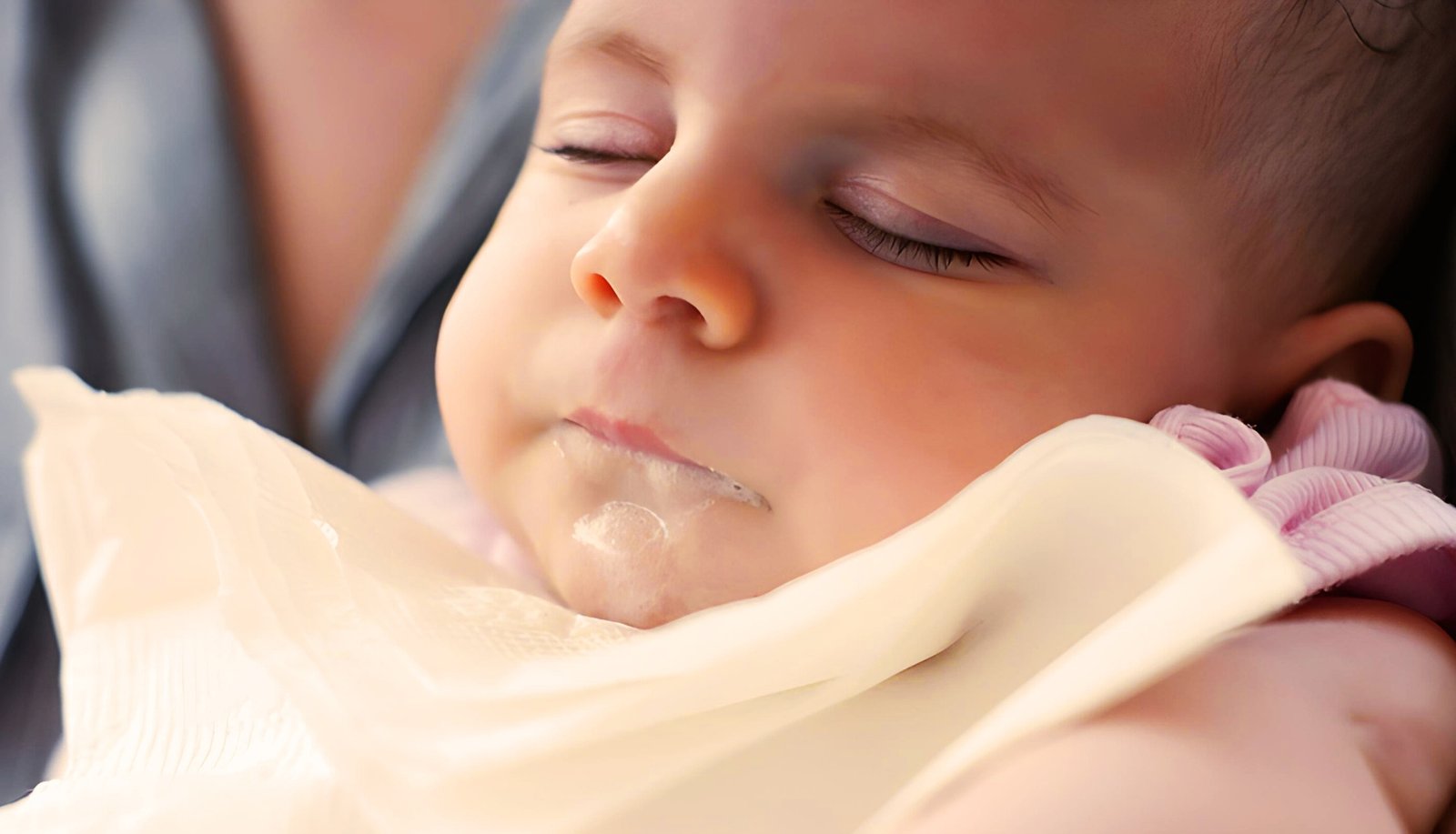
Newborn Spitting Up in Sleep, sounds familiar? If you’ve noticed your baby spitting up while sleeping, you’re not alone. Is it something serious or just a normal part of infancy? Understanding what’s happening can ease your worries and help you make the best decisions for your newborn’s comfort and safety.
Many babies spit up due to an immature digestive system or swallowing air during feeds. This article explores common causes like reflux and positioning, explains when it might be a concern, and shares expert-backed tips for safer sleep. Pediatricians like Dr. Harvey Karp emphasize that while it’s usually harmless, knowing the signs of trouble is crucial.
But there’s more to the story than just reflux or milk dribbles. Learn how sleep position, feeding techniques, and medical red flags all play a role. Let’s uncover the expert advice every new parent should know—your baby’s peace of mind (and yours) could depend on it.
Do Newborns Spit Up in Their Sleep?
Yes, newborns often spit up while sleeping, and this phenomenon is quite common. Spitting up in babies can occur for various reasons, including the normal reflex that allows milk or formula to flow back up the esophagus.
When babies are fed, they may swallow air along with their milk, which can make your baby to spit when they are lying down. Most infants have immature digestive systems, which means that their lower esophageal sphincter is still developing, making it easier for milk to travel back up.
As a result, many parents find their little ones regurgitating small mouthfuls of breast milk or formula during sleep. This spitting up can happen unexpectedly, often leading to concerns about the safety of sleep positions. Parents should be aware that while it might look alarming, spitting up is typically harmless and resolves as the baby grows and their digestive system develops.
Monitoring your baby’s reactions and consulting with a pediatrician if you have concerns is important for their well-being. Understanding that spitting up is a part of infancy can help ease parental anxiety during these early months.
Is It Normal for Newborn Spitting Up in Sleep?
Spitting up in babies is considered normal, especially in the first few months of age. Many infants experience gastroesophageal reflux (GER), which is a common condition where milk or formula flows back into the esophagus after feeding.
This is often due to the immaturity of the lower esophageal sphincter, which keeps food in the stomach. In fact, spitting up is often observed in babies who are gaining weight steadily and are otherwise healthy. Pediatricians often reassure parents that spitting up is common and usually does not indicate a serious health issue.
However, parents should remain vigilant about their baby’s overall health. If the spit-up is accompanied by signs of distress, such as choking or excessive vomiting, it’s essential to consult your pediatrician. Understanding the nuances of reflux can help parents distinguish between normal spitting up and potential concerns.
Implementing safe sleep practices, such as placing your baby on their back and avoiding overfeeding, can significantly reduce the likelihood of spit-up during sleep. It’s important to remember that most babies outgrow this phase as their digestive systems mature.
Why Does my Newborn Gag During Sleep?
Gagging during sleep can be alarming for parents, but it often occurs in newborns due to their still-developing reflexes. When an infant spit up while sleeping, they might inadvertently gag as a result of the milk or formula coming back up their esophagus. The gag reflex serves as a protective mechanism to prevent choking.
This reflex is part of a baby’s natural development as they learn to manage their feeding and swallowing processes. As they grow, most infants will become more adept at swallowing and managing their spit-up.
What Should I Do If My Baby Spits Up While Sleeping?
If your newborn spit up during sleep, it’s important to remain calm and take a few precautionary steps to ensure their safety. First, gently position your baby to the side or elevate their head slightly to prevent any risk of choking.
This position allows any spit-up to drain and minimizes the chances of it flowing back into their airway. Additionally, consider using a firm, flat mattress that provides adequate support while your baby sleeps. Avoid placing soft bedding or toys in the crib, as these can pose risks of suffocation.
After cleaning up any spit-up, it is advisable to monitor your baby closely. Ensure they are comfortable and not showing signs of distress. If your newborn spits up in sleep frequently, consulting with your pediatrician can provide insights tailored to your child’s health.
They may suggest strategies to help manage reflux or recommend specific feeding techniques. Keeping a log of your baby’s feeding times and spit-up occurrences can also assist your pediatrician in understanding if any patterns emerge. Remember, your baby’s health and comfort are paramount.
When Should I Be Concerned About My Baby’s Spit-Up?
While spitting up is common in infants, there are specific situations that may warrant concern. Parents should be vigilant if their baby’s spit-up is accompanied by excessive spitting up and vomiting, signs of discomfort, or poor weight gain.
If your baby seems to be in pain or is refusing to eat, these could be signs of a more serious condition, such as gastroesophageal reflux disease (GERD). Additionally, if spit-up is green or contains blood, it is crucial to contact your pediatrician immediately.
Frequent spitting up that interferes with feeding or sleep, or leads to respiratory issues, should also prompt a visit to the doctor. Monitoring your baby’s overall health and development can help you identify any potential concerns early.
Keep in mind that as your baby grows, many will outgrow the spitting up phase. However, maintaining open communication with your pediatrician about any worries regarding your baby’s spit-up or overall health is essential for peace of mind.
Tips for when baby is spitting up
Managing a baby’s spit-up can be challenging, but there are several tips that can help ease the process for both parents and infants. First, consider feeding your baby smaller amounts more frequently to avoid overfeeding, which can lead to increased spit-up.
Burping your baby during and after feeds is also crucial; this helps release any trapped air that could contribute to reflux. Keeping your baby upright for about 30 minutes after feeding can significantly reduce the likelihood of spit-up during sleep.
Additionally, you might want to elevate your baby’s crib mattress slightly. This can help keep reflux at bay while your baby sleeps. Dress your baby in comfortable clothing that is not too tight around the abdomen, as this can potentially trigger reflux.
Finally, establishing a calm feeding environment can help your baby relax and eat more comfortably, further reducing reflux. Patience and consistency with these strategies can make a significant difference in managing spitting up in infants.
Do Babies Have a Gag Reflex?
Yes, babies are born with a gag reflex, which plays a vital role in their development. This reflex is an automatic response that helps prevent choking when infants swallow something that is too large or if their airway is obstructed.
In the early stages of life, this reflex is quite sensitive and can be triggered by even small amounts of spit-up. As babies grow and their motor skills develop, they become better at managing their reflexes, which usually leads to a decrease in gagging episodes.
Understanding the gag reflex can help parents respond appropriately when their baby experiences gagging or spitting up. Keeping your baby upright during feeding and ensuring they are properly burped can minimize the risk of triggering the gag reflex.
If parents are ever concerned about the frequency or severity of gagging in their baby, consulting with a pediatrician can provide reassurance and guidance. Overall, the gag reflex is a natural part of infant development that helps ensure their safety as they learn to eat and drink.
How Can I Prevent my Baby from Spitting up while sleeping?
Preventing a baby from spitting up while sleeping involves several proactive strategies that can help manage reflux symptoms effectively. One of the most effective methods is to feed your baby in an upright position and ensure they are burped adequately during and after each feeding.
This helps reduce the amount of air swallowed and allows for better digestion. Additionally, avoid overfeeding your baby, as larger volumes of milk or formula can increase the likelihood of spit-up.
Establishing a consistent feeding schedule can also be beneficial. By spacing out feedings appropriately, you can help ensure that your baby’s stomach has time to process the milk or formula before lying down. Elevating the head of the crib slightly can also aid in preventing spit-up during sleep.
It’s important to create a safe sleep environment by placing your baby on their back, adhering to safe sleep guidelines to reduce the risk of sudden infant death syndrome SIDS(risk of SIDS). With these measures in place, the chances of your baby spitting up while sleeping can be significantly reduced.
Commonly Asked Questions about Why Newborn Spit Up in Sleep (FAQs)
When should I see a doctor about baby spitting up breast milk or formula?
It’s important to monitor your baby’s sleeping patterns and feeding habits. While spitting up is common in healthy babies, if your baby frequently spits up right after feeding, you should consult your pediatrics.
What should I do when my baby spits up during sleep?
When your baby spits up during sleep, it’s important to address any concerns about your baby’s well-being. The American Academy of Pediatrics recommends safe sleep positions, which include babies sleeping on their backs. Always put your baby to sleep on their back to reduce spit-up risks.
Are There any Safe Sleep Products for Babies with Reflux?
Yes, a baby may benefit from inclined sleepers or reflux wedges, but only those approved for safety. Always consult your pediatrician before using any sleep product for reflux.
Can an infant Choke on Vomit or Spit?
While it’s rare, an infant can choke on vomit or spit, especially when lying flat. Always place babies on their backs to sleep and consult a pediatrician for concerns.
Conclusion about Spitting up in Babies
In conclusion, spitting up in babies is a common occurrence that many parents face in the early months of their child’s life. While it can be concerning, understanding the underlying causes of newborn spitting up in sleep can help ease parental worries. By implementing practical tips such as feeding strategies, safe sleep practices, and monitoring for any concerning signs, parents can create a supportive environment for their infants. Consulting with a pediatrician can provide valuable insights tailored to each child’s needs. Ultimately, being informed and proactive about your baby’s health can help foster a sense of comfort and confidence during this developmental stage.
You might also like
- Why Newborn Sleeping with Mouth Open: (Causes & Solutions)
- Newborn Fighting Sleep? Tips to Help Your Baby Rest Better
- Why Your Baby Cries When Put Down & How to Help!
- Best Tips for dressing a newborn for sleep in Every Season
- Newborn Sleepy Cues Vs Hunger Cues: A Helpful Parent’s Guide
- Is It Ok Chest to Chest Sleeping Newborn (Pros & Cons)
- Newborn Salivating a Lot: What’s Normal and When to Worry!