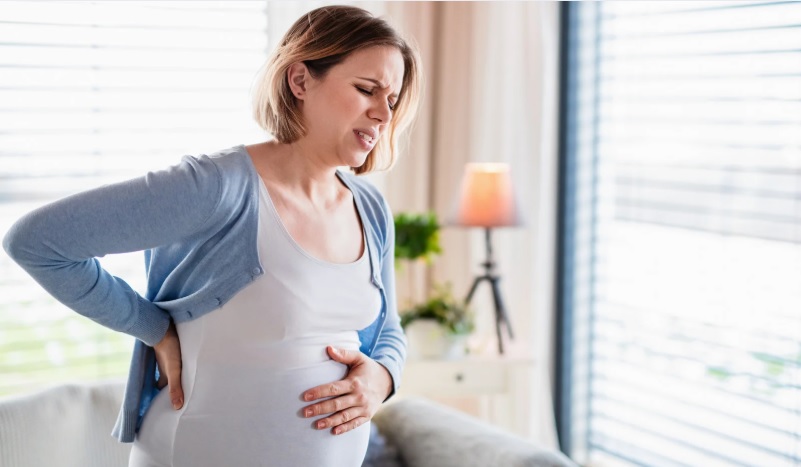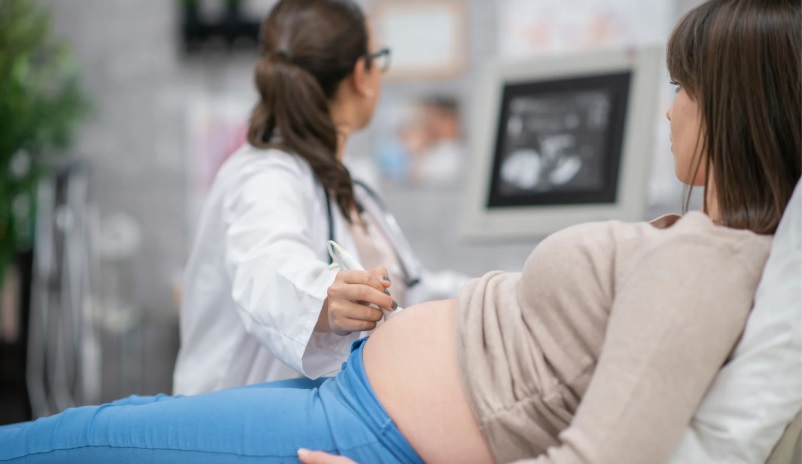
How long does it take to heal after stillbirth? Can time truly mend the heartbreak that follows such a profound loss? For parents who’ve faced this unimaginable pain, healing may feel like an endless journey filled with emotional ups and downs. But understanding the process—and knowing what to expect—can make the road a little less lonely.
On average, Physical healing often takes 4-8 weeks, but emotional healing may take months or even years, depending on individual experiences and support systems. Experts like Dr. Joanne Cacciatore, a renowned grief researcher and founder of the MISS Foundation, explain that recovery involves emotional, physical, and spiritual healing.
This article explores how long the healing process usually takes, what factors affect recovery, and how families can find strength and hope again.
Stillbirth doesn’t have a single timeline for healing—every story unfolds differently. But knowing the stages, expert insights, and real-life recovery journeys can help you navigate yours. So, let’s dive into the compassionate guidance and expert-backed facts that can help you begin to rebuild after stillbirth.
How Long Does It Take to Heal After Stillbirth?
There is no single, universal answer to how long does it take to heal after stillbirth. Physical recovery usually takes around 6 to 8 weeks, similar to any postpartum period, depending on the delivery type and any complications. However, emotional healing can take far longer.
For some, acceptance and peace may come within a few months. For others, grief remains a lifelong companion—something that softens with time but never fully disappears. Many parents describe the healing process as a wave-like journey: some days are manageable, while others bring a sudden surge of sadness or longing.
Professional counseling, grief support groups, and connecting with others who have experienced stillbirth can significantly aid emotional healing. It’s important to remember that healing doesn’t mean forgetting; it means learning to live again while honoring your baby’s memory.
What Are the Long Term Effects of a Stillbirth?
Stillbirth affects not only a mother’s physical body but also her emotional, psychological, and even social well-being. The long-term effects can vary, but many women experience a blend of physical and emotional challenges long after leaving the hospital.
Emotional and Psychological Effects
Grief after stillbirth can be intense and long-lasting. Common emotional experiences include:
- Prolonged sadness and depression: Many parents struggle with depression or anxiety for months or years following the loss.
- Post-Traumatic Stress Disorder (PTSD): Some women relive the birth or loss experience vividly, which can lead to flashbacks, nightmares, and heightened anxiety.
- Guilt and self-blame: Even when medical explanations exist, many mothers still question what went wrong or blame themselves, adding to emotional suffering.
- Relationship strain: Couples often grieve differently. One partner may want to talk openly, while the other may withdraw, leading to misunderstandings or distance.
- Fear of future pregnancies: The thought of conceiving again can be both hopeful and terrifying, creating emotional turmoil.
Physical and Hormonal Effects
Physically, the body undergoes postpartum recovery similar to any other birth. Hormones shift dramatically, which can contribute to mood swings, fatigue, and physical discomfort. Sleep problems, appetite changes, and low energy are also common.
The combination of physical pain and emotional distress can make the recovery journey particularly complex.
What Physical Symptoms Does the Mother Have After Stillbirth?
After a stillbirth, the body goes through the same physical recovery process as it would after any childbirth. These symptoms are natural, but they can be emotionally painful reminders of the loss.
– Lactation after a stillbirth (Breast milk)
Even after stillbirth, the body often begins producing breast milk within a few days of delivery. This can be distressing for mothers, as the presence of milk serves as a reminder of the baby’s absence.
There are several ways to manage lactation:
- Binding or wearing a supportive bra: Avoid breast stimulation to help reduce milk production.
- Cold compresses: Applying cold packs can relieve discomfort.
- Medications: In some cases, doctors can prescribe medication to suppress milk production.
It’s essential to discuss your options with a healthcare professional who can guide you gently through this stage.
– Heavy vaginal bleeding
Bleeding, known as lochia, typically lasts from two to six weeks after stillbirth. It’s part of the body’s natural process of shedding uterine tissue and healing.
You should contact your doctor if:
- Bleeding becomes heavy (soaking a pad in less than an hour)
- You pass large clots
- You feel dizzy, weak, or faint
Infection or retained tissue can prolong bleeding and delay recovery, so medical follow-up is crucial.
– Abdominal pain and cramping
As the uterus contracts to return to its pre-pregnancy size, mothers may feel afterpains—cramps similar to menstrual pain. This usually subsides within a few days to a week.
Mild pain relief (as recommended by your healthcare provider), warm compresses, and gentle rest can help ease discomfort.
– Hormonal fluctuations
The rapid hormonal changes after stillbirth can trigger intense mood swings, fatigue, or irritability. These symptoms overlap with emotional grief and can feel overwhelming. Allow your body time to adjust, and seek medical advice if you suspect postpartum depression.
Your Feelings about Your Body after Stillbirth
After stillbirth, many women feel disconnected from their bodies. What was once a vessel of hope and creation can suddenly feel like a source of pain and betrayal. These feelings are valid and common.
You might notice:
- Body image struggles: Stretch marks, weight changes, or lactation may cause discomfort or shame.
- Loss of trust in your body: You may question your body’s ability to carry a healthy baby again.
- Discomfort with intimacy: Physical healing may precede emotional readiness for closeness.
Healing your relationship with your body takes patience and self-compassion. Try to:
- Practice gentle self-care: Nurture your body with rest, hydration, and balanced nutrition.
- Seek body-based healing: Massage, yoga, or mindfulness can help rebuild connection.
- Avoid pressure: There is no deadline for “feeling normal” again.
Remember that your body has endured something extraordinary—it deserves understanding and respect.
When to Start Trying Again After Stillbirth?
Deciding when to try for another pregnancy is deeply personal. Medical experts typically recommend waiting at least 6 months before conceiving again to allow physical and emotional recovery. However, this timeline may vary depending on the cause of stillbirth and your individual circumstances.
Physical readiness
Your healthcare provider will assess factors such as:
- The type of delivery (vaginal or cesarean)
- Any complications (infections, retained placenta, or hemorrhage)
- Underlying health conditions (e.g., diabetes, hypertension, thyroid issues)
A thorough medical evaluation can help identify and manage any risk factors before trying again.
Emotional readiness
Emotional healing often takes longer than physical recovery. Some couples feel a strong desire to conceive quickly, while others need time to process their grief fully. Consider the following:
- Therapy or counseling: Talking through your emotions before another pregnancy can build resilience.
- Open communication with your partner: Ensure you are both ready and aligned emotionally.
- Support systems: Having a strong network of friends, family, or support groups can make a significant difference.
There is no right or wrong timeline. What matters most is that you and your partner feel emotionally grounded and supported when the time comes.
Tips for Vaginal Birth Recovery after Stillbirth
If you delivered vaginally, your body will need care and patience to heal properly. Here are evidence-based recovery tips:
1. Rest and gentle movement
Rest is vital in the early days. However, light walking can improve blood flow and prevent clotting. Listen to your body and avoid overexertion.
2. Manage perineal discomfort
Use warm water in a peri bottle after urination to reduce stinging. Sitz baths and cold compresses can soothe swelling and pain.
3. Maintain good hygiene
Change pads frequently, wash hands before and after using the restroom, and keep the perineal area dry to prevent infection.
4. Nourish your body
Eat iron-rich foods (like leafy greens, beans, and red meat) to replenish blood loss. Stay hydrated and include protein and fiber to aid recovery.
5. Seek professional support
Follow up with your healthcare provider for postpartum checkups. Discuss any persistent pain, bleeding, or emotional distress. Mental health support is just as critical as physical care.
6. Avoid sexual activity until cleared
Doctors generally advise waiting at least 4 to 6 weeks before resuming intercourse, or until you feel physically and emotionally ready. Rushing can lead to pain, infection, or emotional discomfort.
7. Emotional self-care
Create small rituals to honor your baby—lighting a candle, keeping a journal, or wearing a remembrance piece can bring comfort and meaning during recovery.
Common Questions about Physical recovery after Pregnancy Loss (FAQs)
How long does it take for uterus to heal after stillbirth?
Physical healing, including uterine involution and the end of postpartum bleeding, typically takes 4-6 weeks. A follow-up appointment with your OB-GYN is crucial to confirm recovery and discuss emotional well-being and future family planning.
What should I do if my baby has died?
Contact your healthcare provider or go to the hospital immediately. They will confirm the loss and guide you through your options, which may include induced labor. Seek emotional support from loved ones or a counselor during this difficult time.
Is it possible to become pregnant after a stillbirth?
Yes, it is possible. After the loss of a baby, many couples successfully conceive again. A subsequent next pregnancy will be closely monitored to support your physical and emotional health for the best outcome.
How should I approach future pregnancy?
Consult your doctor to address any underlying causes from a previous loss. In your next pregnancy, expect closer monitoring and prioritize emotional support to manage anxiety and ensure the healthiest possible outcome for you and your baby.
Is breast engorgement normal after giving birth?
Yes, it is normal. Engorgement signifies your body is producing milk. It typically peaks 3-5 days postpartum as mature milk comes in. Frequent nursing or pumping provides relief and helps establish your supply.
How long can you keep a stillborn baby?
Hospitals often allow hours or days for families to say goodbye in a chilled bassinet (cuddle cot) that preserves the baby. The specific time is flexible and arranged with the hospital staff to suit your needs.
Is it okay to get pregnant again after a stillbirth?
Yes, it is generally safe. Physical recovery, including healing of the vagina, is typically swift. Emotionally, wait until you feel ready. Specialized care in a subsequent pregnancy can address causes of stillbirth and infant loss.
What is the difference between miscarriage and stillbirth?
A miscarriage is a pregnancy loss before 20 weeks of gestation. A stillbirth is the loss of a baby after 20 weeks. The distinction is based on the timing of the neonatal death during pregnancy.
What is the physical recovery process after a stillbirth?
The physical recovery after a stillbirth can vary significantly from person to person. Typically, it may take several weeks for the body to heal, with parents finding that soreness and vaginal bleeding may occur. It’s essential to give your body time to recover and consult with your doctor or midwife about any symptoms that may arise, such as unusual bleeding or signs of infection.
What are the signs of depression following a stillbirth?
Experiencing a stillbirth can lead to intense emotional pain, and many parents find themselves facing signs of depression. These may include persistent sadness, withdrawal from social interactions, changes in sleep patterns, or difficulty functioning in daily life. It’s crucial to seek support from healthcare professionals or a support group to help manage these feelings effectively.
How long should I wait before trying to get pregnant again after a stillbirth?
Deciding to try for another baby after losing a baby is a deeply personal choice. Most healthcare providers recommend waiting at least one menstrual cycle before trying to conceive again, allowing your body time to heal physically and emotionally. It’s essential to discuss your individual circumstances with your doctor or midwife to ensure you are ready for a subsequent pregnancy.
What are the risks associated with future pregnancies after a stillbirth?
While the loss of your baby can be devastating, many parents go on to have healthy pregnancies. However, some parents may wonder about the risk of stillbirth in future pregnancies. Factors such as previous pregnancy complications, genetic tests, or underlying health issues like high blood pressure may influence this risk. Consulting with your healthcare provider can help you understand how to reduce the risk and prepare for a future pregnancy.
How can I cope with the emotional impact of losing a baby?
Coping with the emotional fallout of a stillbirth can be challenging. Many parents find it helpful to seek support from healthcare providers, therapists, or support groups dedicated to helping those who have experienced similar losses. Engaging in open conversations about your feelings, remembering your baby, such as keeping a lock of hair or other mementos, can also aid in the healing process.
What should I do if I experience complications during recovery after stillbirth?
If you experience complications such as excessive vaginal bleeding, blood clots, or severe pain after the birth of a stillborn baby, it is crucial to contact your healthcare provider immediately. They can help evaluate your condition and provide the necessary care and support to ensure your physical recovery is on track.
Conclusion
Stillbirth changes a parent forever. The question how long does it take to heal after stillbirth has no single answer because healing is not linear—it’s deeply personal. Physical recovery may take a few weeks, but emotional healing unfolds over months or even years.
You may never “move on,” but you will learn to move forward—with strength, remembrance, and renewed hope. Surround yourself with compassionate support, seek professional care when needed, and allow yourself to grieve without guilt or time limits.
Your body, though wounded, is resilient. Your heart, though broken, can find peace again. Healing is not about forgetting—it’s about carrying love forward, one day at a time.
Recommended posts
- Advanced Maternal Age and Stillbirth Risk (Facts Vs. Fear)
- Chances of Twins After Stillbirth: Facts & Medical Insights
- The Key Difference Between Miscarriage and Stillbirth
- Recognizing The Hidden Symptoms of Stillbirth at 36 Weeks
- How Do You Cope with Stillbirth: Proven Steps Toward Healing
- Here’s What to Do After Stillbirth: (Steps Toward Healing)