How to increase hemoglobin in pregnancy—are you curious about the safest and most effective ways? A mother’s blood needs more oxygen-carrying red cells to nourish both her body and her growing baby. But what happens when hemoglobin levels dip below the healthy range? Let’s find out why boosting hemoglobin is essential for a healthy pregnancy.
In short, you can raise hemoglobin by eating iron-rich foods like lean red meat, lentils, and dark leafy greens, pairing them with vitamin C for better absorption. Doctors often recommend iron and folic acid supplements when diet alone isn’t enough.
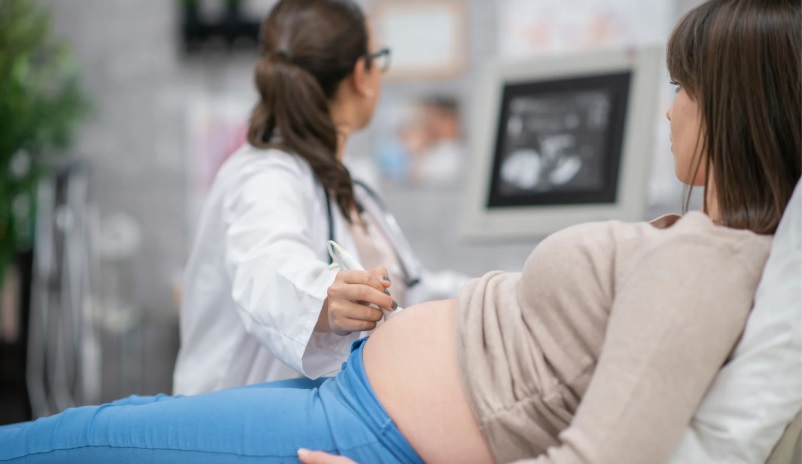
Leading obstetrician Dr. Catherine Spong highlights that consistent prenatal care and timely blood tests help maintain optimal hemoglobin throughout pregnancy.
Want to know the most practical tips to keep your hemoglobin levels steady? From meal planning to choosing the right prenatal supplements, this article guides you with science-backed strategies. Let’s explore how you can support your body and your baby with healthy hemoglobin levels.
What Happens If Hemoglobin Is Low While Pregnant?
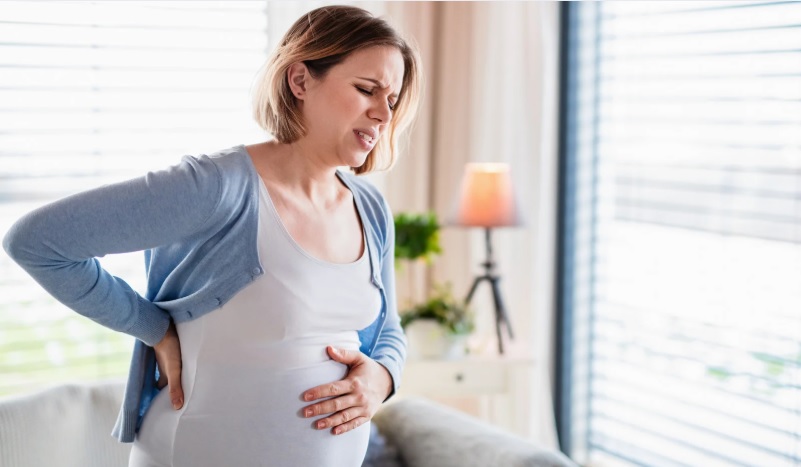
Low hemoglobin during pregnancy is primarily diagnosed as iron deficiency anemia. This condition means your body doesn’t have enough healthy red blood cells to transport adequate oxygen to your tissues and your baby. Understanding the potential consequences is the first step toward taking it seriously. The effects can be significant for both mother and child:
For the Mother:
- Severe Fatigue and Weakness: This goes beyond normal pregnancy tiredness, making it difficult to perform daily activities.
- Pale Skin, Lips, and Nails: A classic sign of anemia caused by reduced blood flow and oxygen.
- Shortness of Breath and Dizziness: Your body struggles to get enough oxygen, especially during physical exertion.
- Heart Palpitations: Your heart has to work harder to pump oxygen-rich blood, leading to a rapid or irregular heartbeat.
- Increased Risk of Complications: Severe anemia raises the risk of preterm delivery, having a low birth weight baby, and postpartum depression.
- Compromised Blood Loss Tolerance: Anemia can make it harder to cope with the blood loss naturally associated with childbirth.
For the Baby:
- Increased Risk of Anemia in Infancy: Babies born to anemic mothers may have low iron stores themselves.
- Developational Delays: Severe, prolonged oxygen deficiency can potentially affect the baby’s growth and brain development.
The good news is that pregnancy-related anemia is highly manageable and often preventable with the right knowledge and tools.
The Role of Iron Supplements
When dietary changes alone are insufficient to raise hemoglobin levels, healthcare providers almost always recommend iron supplements. They are a direct and powerful tool to replenish your body’s iron stores.
Why are they necessary?
During pregnancy, your iron requirements nearly double. You need extra iron for:
- Your increased blood volume (about 50% more than usual).
- The placenta and growing fetus.
- The baby’s own iron stores for the first few months after birth.
It is exceptionally difficult to meet this doubled requirement through diet alone, making supplements a standard part of prenatal care.
Types of Iron Supplements:
The most common forms are ferrous sulfate, ferrous fumarate, and ferrous gluconate. Your doctor will recommend the best type and dosage based on the severity of your anemia. Always consult your doctor before starting any supplement.
Managing Side Effects:
Iron supplements are infamous for causing constipation, nausea, or stomach upset. To mitigate this:
- Take them with a small amount of food (though this can slightly reduce absorption).
- Start with a lower dose and gradually increase as tolerated.
- Stay well-hydrated and increase your fiber intake to combat constipation.
- If one type causes issues, ask your doctor about switching to a different, gentler formulation.
How to Increase Hemoglobin in Pregnancy Naturally?
Raising your hemoglobin is a multi-faceted approach that combines medical guidance with targeted nutritional and lifestyle changes. It’s not about a single magic bullet but a consistent, holistic strategy.
The goal is to provide your body with the raw materials (iron, vitamins) it needs to produce hemoglobin efficiently, while also ensuring those nutrients are absorbed as well as possible.
The following section breaks this down into five proven, actionable ways you can start implementing today.
5 Proven Ways for Increasing Hemoglobin in Pregnancy
Here are the five most effective strategies to boost your hemoglobin levels during pregnancy.
1. Prioritize Iron-Rich Foods in Your Diet
This is the foundation. Focus on incorporating both heme iron (from animal sources, more easily absorbed) and non-heme iron (from plant sources) into your daily meals.
- Heme Iron Sources: Lean red meat (beef, lamb), poultry, pork, and fish (like salmon and tuna).
- Non-Heme Iron Sources: Lentils, beans, tofu, spinach, kale, fortified cereals, pumpkin seeds, and quinoa.
2. Smartly Combine Foods to Maximize Absorption
This is a critical, often overlooked step. The absorption of non-heme iron can be significantly enhanced or inhibited by other foods or supplements.
- Pair with Vitamin C: Vitamin C dramatically increases the absorption of non-heme iron. Have a glass of orange juice with your fortified cereal, add bell peppers to a lentil salad, or squeeze lemon juice over your spinach.
- Avoid Iron Blockers with Meals: Tannins (in tea and coffee) and calcium (in large amounts of dairy) can inhibit iron absorption. Try to have tea or coffee between meals rather than with your iron-rich meal.
3. Leverage Folate and Vitamin B12
Hemoglobin production relies not just on iron, but also on Vitamin B12 and Folate (B9). A deficiency in either can lead to other forms of anemia.
- Folate Sources: Dark leafy greens, asparagus, broccoli, citrus fruits, beans, and fortified grains. (Prenatal vitamins already contain folic acid).
- Vitamin B12 Sources: Primarily found in animal products like meat, eggs, dairy, and fortified nutritional yeast.
4. Consistent, Gentle Exercise
Moderate exercise like brisk walking, swimming, or prenatal yoga can stimulate the production of red blood cells. Improved circulation also helps your body utilize oxygen more efficiently. Always get your doctor’s approval before starting a new exercise regimen.
5. Adherence to Prenatal Vitamins and Iron Supplements
Take your prenatal vitamin and any prescribed iron supplement consistently as directed. They are your safety net, ensuring you get a baseline of essential nutrients even on days when your diet isn’t perfect.
Is 9.5 Hemoglobin Low During Pregnancy?
Yes, a hemoglobin level of 9.5 g/dL is considered low during pregnancy and is classified as anemia.
To provide context, the World Health Organization (WHO) defines anemia in pregnancy as:
- Hemoglobin less than 11.0 g/dL in the first trimester
- Hemoglobin less than 10.5 g/dL in the second trimester
- Hemoglobin less than 11.0 g/dL in the third trimester
A level of 9.5 g/dL falls below all these thresholds and indicates moderate anemia. It is a clear sign that your body’s iron stores are depleted and that intervention is necessary.
If your test results show a level of 9.5, it is crucial to work closely with your healthcare provider to implement a robust plan involving dietary changes and likely, iron supplementation, to bring your levels back to a safe range.
How Can I Raise My Hemoglobin Fast?
If you’ve been diagnosed with significant anemia, you naturally want to raise your levels as quickly as possible. “Fast” in this context means within a few weeks, not days. The most effective and rapid approach is a combination therapy:
- Medical-Grade Iron Supplements: This is the fastest way. Your doctor may prescribe a higher-dose iron supplement than what’s found in a standard prenatal vitamin. Follow their dosage instructions precisely.
- Aggressive Dietary Optimization: Go beyond simply eating iron-rich foods. Be strategic. For example, have a spinach and lentil salad with lemon vinaigrette and bell peppers (iron + high dose of Vitamin C) for lunch. Drink orange juice. Avoid tea or coffee for at least an hour before and after your meals.
- Consider Liquid Supplements: Some women find liquid iron supplements are absorbed better and cause fewer gastrointestinal side effects, potentially leading to faster results. Discuss this option with your doctor.
A follow-up blood test is typically done 4-6 weeks after starting treatment to monitor your progress.
Tips to Maximize Iron Absorption AND Beat Anemia
Optimizing absorption is just as important as consuming iron. Here are detailed tips to ensure your body uses the iron you provide it.
- Create Vitamin C Power Couples: Don’t just think “fruit juice.” Cook with tomatoes, add strawberries to your cereal, snack on broccoli with hummus, or use a tomato-based sauce for iron-rich lentils or meat.
- Time Your Calcium Intake: Calcium is vital for the baby’s bones, but it competes with iron for absorption. If you take a calcium supplement or eat calcium-rich foods (like yogurt or cheese), do so at a different time than your iron supplement or main iron-rich meal.
- Cook in Cast Iron Cookware: Cooking acidic foods (like tomato sauce) in a cast-iron skillet can leach a significant amount of dietary iron into your food.
- Space Out Your Coffee and Tea: The polyphenols in tea and coffee are powerful iron inhibitors. Wait at least one hour after a meal before enjoying your brew.
- Sprout Your Grains and Legumes: Sprouting grains like wheat and legumes like lentils can reduce their phytate content, a natural compound that can inhibit iron absorption.
How to Avoid Low Hemoglobin During Pregnancy?
Prevention is always better than cure. You can take proactive steps from the very beginning of your pregnancy, or even before conception, to maintain healthy hemoglobin levels.
- Preconception Care: If you’re planning a pregnancy, ask your doctor to check your iron levels. Building up your stores beforehand sets a strong foundation.
- Early and Regular Prenatal Visits: Attend all your appointments and get the recommended blood tests to catch any downward trend early.
- Start Prenatal Vitamins Early: Begin taking prenatal vitamins with iron as soon as you start trying to conceive or as soon as you find out you’re pregnant.
- Maintain a Consistently Iron-Rich Diet: Don’t wait for a diagnosis of anemia to focus on your iron intake. Make the dietary strategies outlined above a consistent part of your lifestyle throughout your entire pregnancy.
- Stay Hydrated: Proper hydration supports healthy blood volume and can help alleviate constipation caused by iron supplements.
Common Questions about Symptoms of Iron-Deficiency Anemia (FAQs)
What causes anemia in pregnancy?
Anemia occurs primarily due to iron deficiency, as the body may not getting enough iron to support increased blood volume and fetal needs. Other causes include vitamin b12 deficiency or folate deficiency and blood loss.
What are the symptoms of anemia during pregnancy?
Anemia during pregnancy may present with symptoms such as fatigue, dizziness, shortness of breath, and pale skin. It’s important for pregnant women to recognize these symptoms and consult their healthcare provider if they experience any of them.
How can I increase my iron levels during pregnancy?
To increase iron levels during pregnancy, it’s essential to include iron-rich foods in your daily diet. Foods like spinach, red meat, shellfish, and legumes are great sources of iron. Additionally, taking iron supplements as recommended by your healthcare provider may help boost your iron intake.
Why is iron important for pregnant women?
Iron is crucial for pregnant women as it helps to make red blood cells that carry oxygen to both the mother and the fetus. Adequate iron levels prevent anemia and ensure proper fetal development, reducing the risk of complications such as low birth weight or premature birth.
What foods should I eat to prevent anemia during pregnancy?
To prevent anemia, include iron-rich foods in your diet and supplements such as lean meats, dark leafy greens, nuts, seeds, and fortified cereals. Pairing these foods with vitamin C-rich foods like oranges or bell peppers can enhance your body’s absorption of iron.
How do iron and folate work together in pregnancy?
Iron and folate are essential nutrients that work together to support a healthy pregnancy. While iron is needed to produce hemoglobin and red blood cells, folate is crucial for fetal development and helps prevent neural tube defects. Ensuring adequate intake of both nutrients is vital for expectant mothers.
What should I do if anemia is detected during pregnancy?
If anemia is detected during pregnancy, your healthcare provider may recommend increasing your iron intake through dietary changes and possibly prescribe iron supplements. Regular blood tests will help monitor your hemoglobin levels and ensure effective treatment.
Can I take calcium-rich foods while taking iron supplements?
While calcium-rich foods are important for overall health, they can interfere with iron absorption if consumed in large amounts simultaneously with iron supplements. It’s best to space out the intake of calcium and iron supplements to maximize iron absorption.
What are the treatment options for iron-deficiency anemia in pregnancy?
Treatment options for iron-deficiency anemia in pregnancy typically include dietary adjustments to include foods rich in iorn, taking iron supplements, and possibly increasing the intake of vitamin C to enhance iron absorption. Your healthcare provider will guide you on the appropriate dosage and regimen.
How much iron should I take during pregnancy?
The amount of iron needed during pregnancy varies, but many healthcare providers recommend a daily intake of around 27 milligrams. It’s important to consult with your healthcare provider to determine the appropriate dosage based on your individual needs and blood tests.
Conclusion
Managing your hemoglobin levels is a crucial aspect of a healthy pregnancy. While hearing that your levels are low can be worrying, remember that you have a powerful arsenal of strategies at your disposal. By understanding the importance of hemoglobin, working closely with your healthcare provider, strategically combining iron-rich foods with Vitamin C, and adhering to your supplement regimen, you can effectively increase your hemoglobin. This not only boosts your energy and well-being but also provides the optimal environment for your baby to thrive. Take this information, discuss it with your doctor, and create a personalized plan for a strong, healthy, and vibrant pregnancy.
Recommended posts
- The Physiology of Anemia in Pregnancy in Expecting Mothers
- Iron Levels in Pregnancy Chart: (Trimester-By-Trimester)
- Top 10 Iron-Rich Foods for Pregnancy Anemia – You Should Eat
- What to Drink to Increase Hemoglobin? (Iron Rich Drinks List)
- Is Iron Transfusion While Pregnant Safe? (Essential Guide)