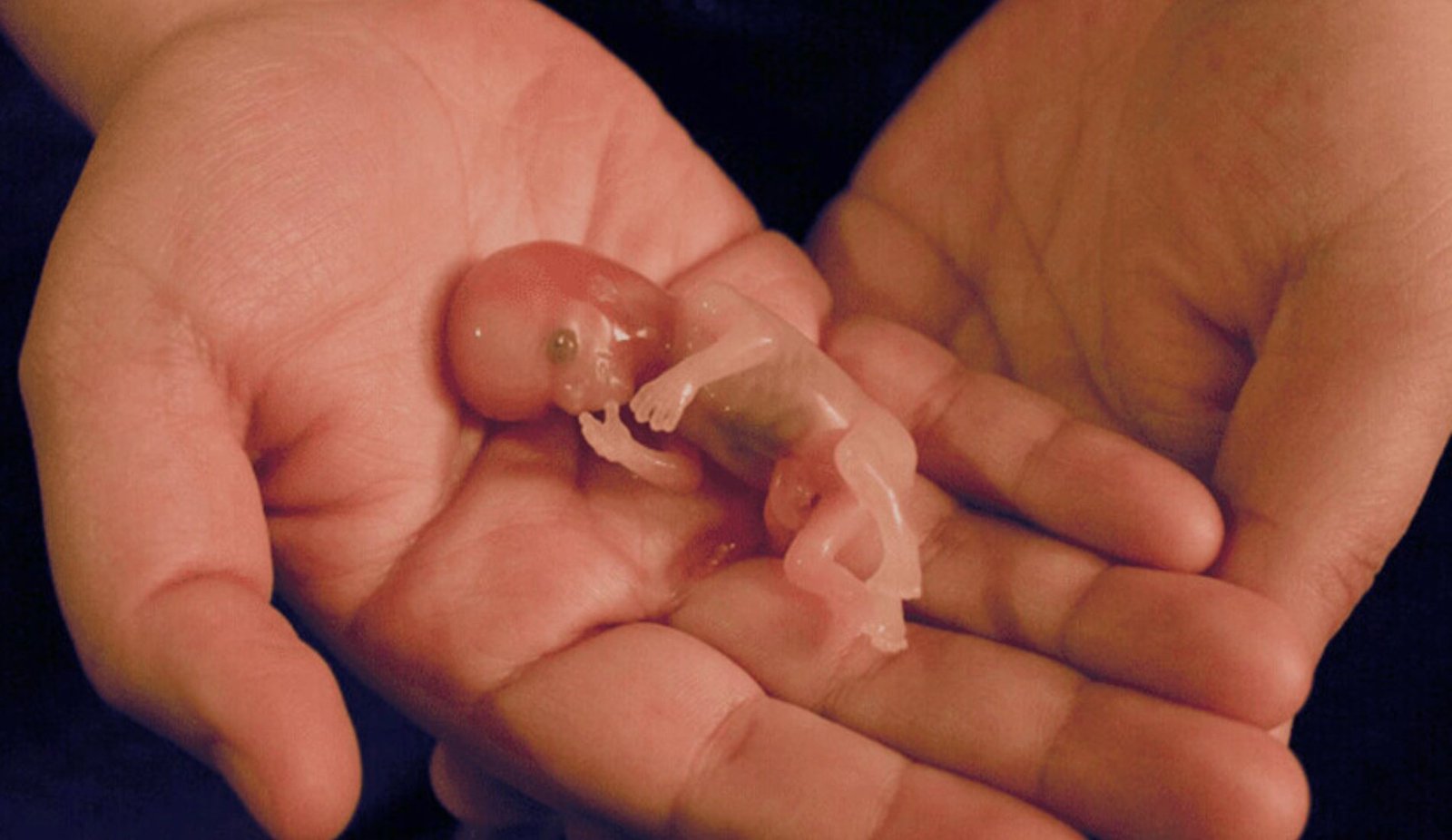
What to Do with Fetus After Miscarriage at Home? It’s a heartbreaking question that many never expect to face, yet some sadly do. When such a loss happens at home, confusion and grief often mix together, leaving parents unsure about the next steps. In such delicate moments, knowing safe and respectful options becomes essential.
After a miscarriage at home, you can bury the fetus in a safe place, place it in a tissue or container for disposal, or seek your doctor’s advice, and decide between hospital assistance, cremation, or private burial.
This article explains the practical steps, legal considerations, and emotional support available to grieving families. But these aren’t the only aspects you need to know. From understanding hospital protocols to learning about personal memorial options, we’ll cover it all in detail.
So, let’s walk through the guidance trusted by health professionals and grief experts to help you make the best decisions during this difficult time.
What to Do with Fetus After Miscarriage at Home?
The first moments after a miscarriage are critical for both your physical health and emotional well-being. Your safety is the absolute priority.
1. Ensure Your Physical Safety:
First, contact your healthcare provider or midwife immediately. They can advise you on what to expect physically and what signs of complications to watch for, such as heavy bleeding, fever, or severe pain. If you are experiencing a medical emergency, do not hesitate to call for an ambulance. It may be recommended that you go to the hospital to ensure the miscarriage is complete and that you do not require further medical treatment.
2. Handling the Tissue with Care:
If you have passed the pregnancy tissue and are safe to remain at home, you can carefully collect it. Your healthcare provider may ask you to do this to bring it in for examination, especially if this is a recurrent miscarriage. Use gentle, clean materials.
- You can carefully dispose the tissue in a clean, sterile container.
- If you wish to keep it for a short period while you decide on next steps, you can store the sealed container in the refrigerator. Do not freeze it. This can be distressing, but it is sometimes necessary to preserve the option for a pathology examination or to allow time for making arrangements.
3. Your Choices:
You generally have several paths forward, which we will explore in detail later:
- Medical Examination: You can bring the tissue to your healthcare provider or hospital for clinical analysis.
- Taking Your Time: You have the right to take the tissue home with you from the hospital or to keep it at home to decide privately. You are not required to let the hospital handle it.
- Private Arrangements: You can choose to make your own arrangements to buried or cremate it.
The most important thing to know is that you have choices. There is no single “right” way to handle this, only what feels right for you.
After the miscarriage: what happens to your baby
This is a deeply personal question that encompasses both the physical reality and the emotional significance of your loss.
From a Clinical Perspective:
In early pregnancy (before 20 weeks), the passed tissue will typically include the gestational sac and the embryo or fetus. Hospitals often refer to this as “pregnancy tissue” or “products of conception.”
They may offer to handle this tissue for you, often through a respectful communal cremation. It is crucial to understand that you must expressly give your consent for the hospital to proceed with this.
You have the legal right to request the tissue be returned to you for private disposal, regardless of gestational age. Do not feel pressured to agree to anything until you are ready and fully informed.
From a Personal and Emotional Perspective:
For you, this is not merely “tissue.” This was your baby, your hopes, and your dreams for the future. Acknowledging this is vital for your grieving process. You have the right to honor this trimester loss or a stillbirth in a way that reflects its significance to you.
Whether you gave your baby a name, held a small ceremony, or simply spent quiet time in reflection, these acts of love are valid and important. The physical remains represent a life that was real and loved, and how you choose to care for them is a final act of parenting.
Bereavement Support for You
The emotional toll of a miscarriage is profound and unique to each individual. You do not have to navigate this grief alone. Seeking support is a sign of strength, not weakness.
- Partner Communication: Grieve together, but understand that you may grieve differently. Open, honest communication about your feelings is essential.
- Professional Counseling: Therapists or counselors specializing in pregnancy and infant loss can provide invaluable tools and a safe space to process complex emotions like grief, guilt, and anger.
- Support Groups: Connecting with others who have experienced a similar loss can be incredibly comforting. It alleviates the feeling of isolation. Organizations like MISS Foundation, Share Pregnancy & Infant Loss Support, and The Tears Foundation offer local and online support groups.
- Memorialization: Creating a tangible memory can be a powerful step in healing. This could be:
- Planting a tree or special flowers in your garden.
- Writing a letter to your baby.
- Creating a memory box with an ultrasound picture, a small toy, or a written note.
- Commissioning a piece of jewelry with your baby’s intended birthstone or name.
- Give Yourself Grace: There is no timeline for grief. Allow yourself to feel whatever you are feeling without judgment. Be patient with yourself as you heal.
Privately arranged services, burials and cremations
Making your own arrangements can provide a sense of control and closure during a time when you may feel powerless. This path allows you to create a farewell that is personal and meaningful.
1. Understanding the Law:
Laws regarding the burial or cremation of fetal tissue vary by state and country. Generally:
- Before 20 weeks: There are often no legal requirements for a funeral home to be involved. You may have the right to bury the tissue on private property (always check local ordinances first) or arrange for a cremation.
- After 20 weeks: Many localities require a death certificate and have specific regulations, often involving a funeral home. It is essential to call your local health department or a compassionate funeral home to understand the specific regulations in your area. They are usually very experienced in guiding parents through this process with sensitivity.
2. Burial Options:
- Private Property: If local laws allow, you can bury the remains in a meaningful spot on your own property. You can mark it with a stone, a plant, or a small statue to create a permanent place for remembrance.
- Cemetery: Many cemeteries have sections dedicated to infants and unborn babies. You can purchase a small plot and hold a private graveside service. Funeral homes can assist with this process, including providing a tiny casket.
3. Cremation Options:
- This is a common choice for early miscarriages. Some funeral homes offer private cremation services for fetuses, and they will return the ashes to you in a small urn. Be sure to ask specifically if they can accommodate such a small cremation, as not all facilities can.
- You can then keep the ashes in a special urn, scatter them in a meaningful location, or even have them incorporated into memorial jewelry or glass art.
4. Working with Professionals:
Do not be afraid to call a few funeral homes and ask about their services and fees for “pregnancy loss” or “fetal remains.” A good, compassionate funeral director will be straightforward, respectful, and will not upsell you. Their role is to help you execute your wishes simply and affordably.
Commonly Asked Questions about Managing Miscarriage Tissue (FAQs)
What should I do if I experience a miscarriage at home?
If you miscarry at home, it is important to remain calm and seek medical advice from your GP or hospital. You may want to monitor your symptoms, including any excessive bleeding, and document when you pass any clots or baby’s remains. If you feel comfortable, you may choose to keep the remains for burial or cremation.
Can I see the baby after a miscarriage?
Some women may choose to see the baby’s body after a miscarriage, especially if it occurs in the first trimester. This can be a deeply personal decision, and you might find it helpful to discuss it with a doctor or nurse. They can provide guidance on how to handle this sensitive situation.
What are my options for the baby’s remains?
After a miscarriage, you have several options for handling the baby’s remains. You may choose to bury your baby in a cemetery or crematorium, or you may want to arrange a burial or cremation through a funeral director. It is advisable to check with your hospital or GP for policies regarding the disposal of remains.
Do I need a certificate for my baby’s remains?
In some cases, you may need a certificate or letter confirming the loss, especially if you wish to arrange a burial or cremation. It’s best to ask your doctor for guidance on obtaining the necessary documentation following a miscarriage.
What if I don’t want to keep the remains?
If you choose not to keep the remains, it is important to discuss sensitive disposal options with your care team. They can provide information on how the remains are handled and ensure they are treated with dignity, either as medical waste or through a cremation service.
How do I arrange a cremation for my baby?
To arrange a cremation for your baby, you can contact a local crematorium or use a funeral director who specializes in these services. Many families find comfort in having a specialist cremation service that understands the emotional needs of those experiencing miscarriage.
What support is available for those who have lost a baby?
There are several bereavement support resources available for those who have lost a baby. You may find it helpful to reach out to organizations that specialize in miscarriage support, as they can provide emotional guidance and help you process your loss.
Will I need further treatment after a miscarriage?
After a miscarriage, some women may need further treatment, especially if they experience complications such as excessive bleeding. It is essential to follow up with your GP or hospital to ensure you receive the appropriate care and support for your physical and emotional recovery.
How long does it take to recover from a miscarriage?
Recovery times vary for each individual, but many women may begin to feel physically better within three to four weeks. However, emotional recovery can take longer, and it is important to seek support from friends, family, or a professional if you find it difficult to cope after losing your baby.
Conclusion
Navigating the aftermath of a home miscarriage is one of the most challenging experiences a person can face. The question of what to do with the fetus after a miscarriage at home is deeply intertwined with your grief, your love, and your need for closure. Remember, your choices—whether through the medical system, a private ceremony, or a personal act of remembrance—are all valid.
There is no right or wrong way to honor your baby and your loss. Prioritize your physical health by seeking medical advice, and nurture your emotional health by seeking support and allowing yourself to grieve. Your journey to healing is your own, and it begins with making the decisions that bring you and your family a measure of peace.
You might also like
- Miscarriage Real Life 7 Week Fetus – Facts & Helpful Advice
- Does Vitamin-C Cause Miscarriage, or Is It Just a Myth?