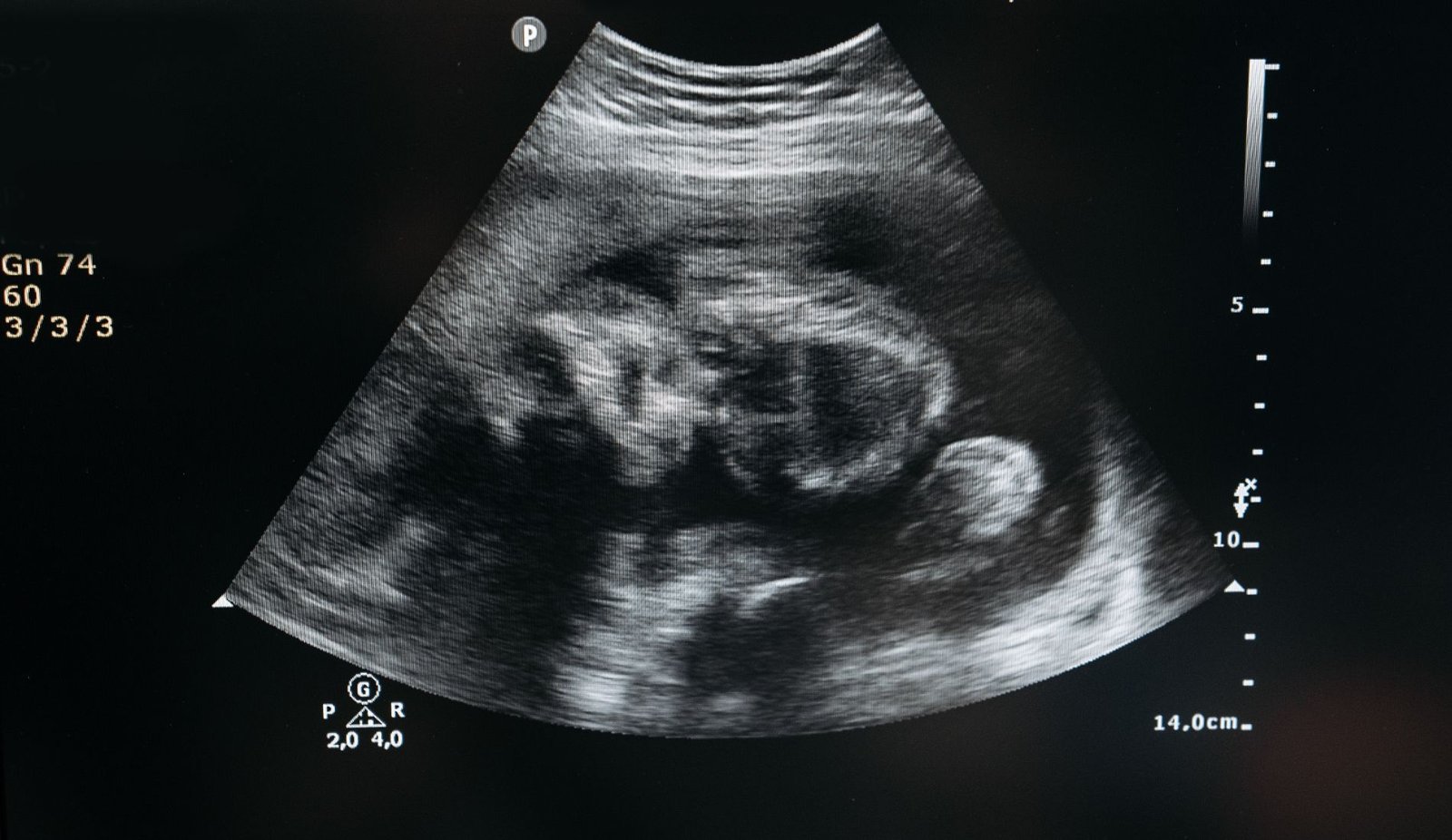
Cornual ectopic pregnancy — have you ever heard of this rare and risky condition? Unlike typical ectopic pregnancies that occur in the fallopian tube, a cornual pregnancy develops in the upper part of the uterus where the tube connects. Because of its unusual location of pregnancy, it often goes unnoticed until serious complications arise.
Doctors confirm that ectopic cornual pregnancy is uncommon but very dangerous if left untreated. It carries a higher risk of rupture and severe bleeding compared to other ectopic cases. With timely diagnosis using ultrasound and proper medical or surgical care, women can still protect their fertility and future pregnancies.
Yet, the story doesn’t end there. Experts like Dr. Timothy Johnson from the University of Michigan highlight the importance of awareness and early intervention. To truly understand this condition, its symptoms, treatment options, and long-term outlook, let’s move deeper into the details in the main management step by step.
What Is a Cornual Ectopic Pregnancy?
A cornual ectopic pregnancy occurs when a fertilized egg implants in the cornual region of the uterus. This region, which is located at the junction between the uterus and the fallopian tubes, is a rare but critical site for tubal pregnancies.
Unlike a typical intrauterine pregnancy, which occurs inside the main cavity of the uterus, a cornual pregnancy develops in a location where it is not supported by the uterine wall, leading to complications.
Cornual ectopic pregnancies are particularly dangerous because the blood supply in this area is highly vascular. As the pregnancy progresses, it can lead to the rupture of the uterine wall, causing severe internal bleeding and significant risks to the mother’s health. This condition is often diagnosed in its later stages due to the difficulty in distinguishing it from a normal pregnancy early on.
Remember- Early detection and careful management are crucial to preventing life-threatening complications.
What Causes Cornual Ectopic Pregnancy?
The causes of cornual ectopic pregnancy are not always fully understood, but several factors may increase the likelihood of this condition. Some of the common causes include:
- Fallopian Tube Issues: A blocked or damaged fallopian tube can prevent the egg from reaching the uterus and may cause the egg to implant in the cornual region. Previous pelvic infections, such as pelvic inflammatory disease (PID), are major contributors to fallopian tube damage.
- In vitro Fertilization (IVF): Women who undergo IVF may be at a higher risk of cornual ectopic pregnancy. This is because embryos transferred into the uterus during IVF can sometimes implant in an abnormal location, including the cornual area.
- Previous Ectopic Pregnancies: If a woman has had a prior ectopic pregnancy, especially in the fallopian tube, her risk of another ectopic pregnancy, including in the cornual area, increases.
- Endometriosis: This condition, where tissue similar to the lining of the uterus grows outside the uterus, can cause scarring and adhesions, which may affect the proper movement of the fertilized egg to the uterus.
- Congenital Abnormalities: Rarely, women may be born with uterine malformations, such as a septate or bicornuate uterus, which can increase the risk of ectopic pregnancies, including cornual ones.
- Use of Contraceptives: While rare, a woman using certain forms of birth control, such as intrauterine devices (IUDs), may have a slightly higher risk of developing an ectopic pregnancy, though the overall risk is still very low.
Can a Baby Survive a Cornual Ectopic Pregnancy?
Unfortunately, an ectopic cornual pregnancy is not viable for fetal development. The cornual area of the uterus does not provide the necessary support and space for the pregnancy to progress normally. As the pregnancy advances, the growing embryo can cause the uterine wall to stretch and become damaged, leading to severe complications, including rupture.
In some very rare cases, there have been reports of pregnancies in the cornual region being sustained for a limited time, but these cases are exceptions and involve significant medical intervention. Even in such instances, the risk to the mother’s health is extreme, and the chances of the pregnancy progressing without rupture or complications are minimal.
If a cornual ectopic pregnancy is suspected, immediate medical attention is required to prevent harm to the mother. Early diagnosis and intervention are critical in saving the woman’s life.
Ruptured Ectopic Cornual Pregnancy – Case Report
In a notable case report and review of a ruptured cornual ectopic pregnancy, the patient presented with severe abdominal pain, dizziness, and signs of shock, indicating internal bleeding. Upon examination and ultrasound, it was confirmed that the pregnancy was located in the cornual area. The growing embryo caused the uterine wall to weaken, ultimately resulting in rupture and significant blood loss.
This case highlights the life-threatening nature of cornual ectopic pregnancies. The patient required emergency surgery to control the bleeding and repair the uterine damage. Fortunately, she survived the ordeal, but the case underscores the urgency of early detection and treatment. Ruptured cornual ectopic pregnancies are often fatal if not addressed immediately.
Timely diagnosis, typically through ultrasound and monitoring hormone levels, is crucial for identifying this condition before rupture occurs. If rupture does happen, surgical intervention, such as a salpingectomy (removal of the affected fallopian tube or part of the uterus), is often required to control the bleeding and save the patient’s life.
How Do You Treat a Cornual Ectopic Pregnancy?
Treatment for a cornual ectopic pregnancy generally involves surgery due to the high risk of uterine rupture and severe complications. The treatment options depend on the size of the pregnancy, the location of implantation, and the overall health of the mother. The common approaches include:
- Surgical Removal: The most common and effective treatment for a cornual ectopic pregnancy is surgery. Depending on the severity, a laparotomy (open surgery) or laparoscopy (minimally invasive surgery) may be performed. The goal is to remove the pregnancy and repair any damage to the uterus or fallopian tubes.
- Methotrexate: In some cases where the cornual pregnancy is diagnosed very early, and the pregnancy is not large, methotrexate, a chemotherapy drug, can be used to stop the growth of the embryo. This is more commonly used for tubal ectopic pregnancies but may also be effective in some cornual cases, depending on the circumstances.
- Hysterectomy: If the damage to the uterus is extensive or if the ectopic cornual pregnancy leads to a significant rupture, a hysterectomy (removal of the uterus) may be necessary to save the patient’s life. This is a rare scenario but could be required in severe cases.
- Follow-Up Care: After surgery, women are typically monitored closely to ensure that there are no complications, such as infection or continued bleeding. The chances of future pregnancies depend on the extent of the damage to the uterus and fallopian tubes.
- Fertility Considerations: The long-term effects of a cornual ectopic pregnancy on fertility can vary. In some cases, women may be able to conceive naturally afterward, especially if only one fallopian tube or a small portion of the uterus is affected. However, the risk of recurrent ectopic pregnancies or complications in future pregnancies may increase.
Commonly Asked Questions about Cornual Ectopic and Future Pregnancy (FAQs)
How do you fix a cornual ectopic pregnancy?
Cornual ectopic pregnancy requires urgent surgical methods to remove the embryo, often via cornual resection or hysteroscopy. Early diagnosis and management of interstitial cases prevent rupture—methotrexate may be used if stable and eligible.
Can a baby survive a cornual ectopic pregnancy?
No, an ectopic Cornual Pregnancy cannot support a live birth due to high rupture risk and mortality rate. Even with assisted reproductive tech, early detection and intervention are essential to protect maternal health.
What is cornual ectopic pregnancy?
A cornual ectopic pregnancy implants in the uterine horn, outside the endometrial cavity. As noted in Aust N Z J Obstet Gynaecol, it’s high-risk due to rupture potential—requiring urgent medical or surgical care.
Is a Cornual pregnancy the same as an angular pregnancy?
No, cornual pregnancy (a subtype of ectopic pregnancy) implants in the interstitial tube, while angular pregnancy implants in the uterine corner near the tube. As noted in J Minim Invasive Gynecol, cornual carries higher rupture risk.
What is a cornual ectopic pregnancy?
A cornual ectopic pregnancy occurs when a fertilized egg implants in the cornua of the uterus, which is the area where the fallopian tubes connect to the uterine cavity. This type of ectopic pregnancy is considered rare and can lead to serious complications, including uterine rupture.
What are the symptoms of cornual pregnancies?
Symptoms of cornual pregnancies can include abdominal pain, vaginal bleeding, and signs of early Interstitial pregnancy. However, these symptoms can vary and may not always indicate an interstitial pregnancy, making diagnosis challenging.
How is a cornual ectopic pregnancy diagnosed?
Diagnosis typically involves a combination of transvaginal ultrasound to visualize the location of the pregnancy and monitoring levels of human chorionic gonadotropin (hCG). If the gestational sac is not located within the uterus, further evaluation may be needed.
What are the risks associated with cornual ectopic pregnancies?
The main risk of cornual ectopic pregnancies is uterine rupture, which can lead to severe hemorrhaging and may require emergency surgical intervention. Women with a history of ectopic pregnancies or certain reproductive health issues may be at greater risk.
What are the management options for a cornual pregnancy?
Management of cornual pregnancies may include medical treatment with methotrexate for non-ruptured cases, or surgical methods such as laparoscopic treatment of cornual pregnancy or salpingectomy for more complicated cases. The choice of treatment depends on the specific circumstances of the pregnancy.
Can a cornual ectopic pregnancy be treated with laparoscopic methods?
Yes, laparoscopic management of a cornual ectopic pregnancy is a common approach. It allows for minimally invasive surgical treatment, which can reduce recovery time and minimize complications associated with open surgery.
What is the prognosis for women with cornual pregnancies?
The prognosis can vary based on the timing of diagnosis and the treatment method used. Early diagnosed cornual pregnancies treated effectively have a better outcome, while delayed treatment can increase the risk of complications such as uterine rupture.
What happens if a cornual ectopic pregnancy ruptures?
If a cornual ectopic pregnancy ruptures, it can lead to significant internal bleeding and may require immediate medical attention. Surgical intervention is often necessary to manage the situation and prevent life-threatening complications.
Can a woman have a cornual pregnancy after previous surgical treatment?
Yes, it is possible for women to experience a cornual pregnancy following surgical treatment for a previous interstitial ectopic pregnancy. Ongoing monitoring and early intervention are crucial for women with a history of ectopic pregnancies.
What is the gestational age for ectopic pregnancy?
Ectopic pregnancy is typically diagnosed between 5–8 weeks gestation, often before many know they’re pregnant. Symptoms like pain or bleeding arise as the embryo outgrows its non-uterine site, requiring immediate care to prevent rupture.
What are normal HCG levels in ectopic pregnancy?
HCG levels in ectopic pregnancy often rise slower than normal, but there’s no definitive “normal” range. Levels may be low or plateau, and serial tests track trends—ultrasound confirms diagnosis, not HCG alone.
Conclusion
Cornual ectopic pregnancy is a rare but highly dangerous condition that requires prompt diagnosis and treatment to avoid life-threatening complications. Understanding its causes, risks, and treatment options is crucial for women who may be at risk or have concerns about ectopic pregnancies. While the survival of a baby is not possible in cornual ectopic pregnancies, early medical intervention can help preserve the mother’s health and fertility.
If you suspect you have an ectopic pregnancy or are experiencing symptoms such as abdominal pain, dizziness, or abnormal bleeding, it is essential to seek medical help immediately. Early detection, whether through ultrasound or blood tests, can significantly reduce the risks and help ensure the best possible outcome for your health.
Related posts
- The Hidden Link Between Endometriosis and Ectopic Pregnancy
- Side Effects After Ectopic Pregnancy Surgery: What to Expect
- Ectopic Pregnancy hCG Levels at 5 Weeks (Signs & Monitoring)
- Ectopic Pregnancy Does Pain Come and Go? (Here’s the Truth)
- Two Ectopic Pregnancies in a Row: Causes & Success Stories