
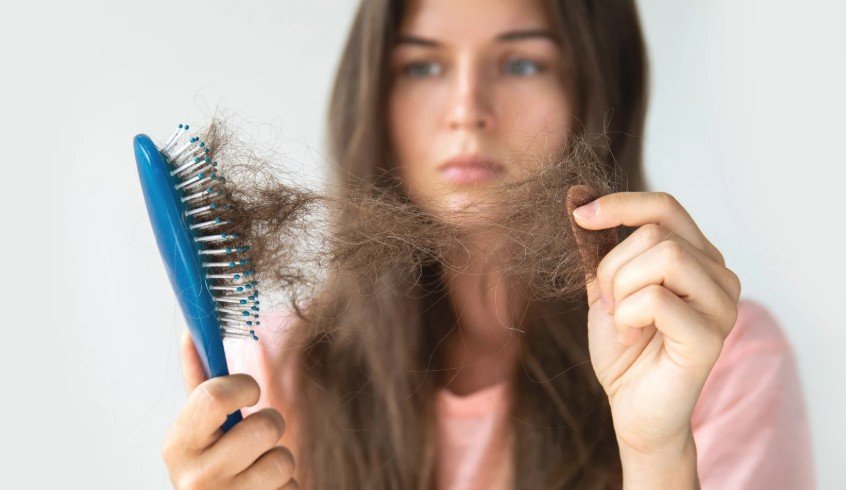
When does postpartum hair loss stop? If you’re a new mom, you might be surprised by the sudden shedding of hair a few months after delivery. It can feel alarming, but did you know this is one of the most common changes women experience after childbirth? Let’s uncover when this phase finally comes to an end.
Postpartum hair loss usually begins around three months after giving birth and gradually slows down by the time your baby turns one. Most women notice their hair returning to its usual growth pattern between 6 to 12 months. Experts like Dr. Sherry A. Ross, OB-GYN, confirm that while the process varies, it always resolves naturally with time.
But hair loss doesn’t affect every woman the same way. Some experience mild shedding, while others see clumps of hair falling daily. Want to know what triggers it, how long it really lasts, and what you can do to manage it with confidence? Let’s dive into the full guide about “post partum hair loss when does it stop” and hear what leading specialists recommend for new mothers like you.
What Causes Postpartum Hair Loss?
Postpartum hair loss is primarily caused by hormonal changes that occur after childbirth. During pregnancy, high levels of estrogen help keep hair in a prolonged growth phase, leading to thicker, fuller hair.
However, after delivery, estrogen levels drop rapidly, causing hair that was in the growth phase to shed. This sudden loss of hair can be alarming, but it is a natural process that many new mothers go through.
In addition to hormonal fluctuations, other factors may contribute to postpartum hair loss, including:
- Stress: The emotional and physical stress of childbirth and caring for a newborn can exacerbate hair shedding.
- Nutrient Deficiencies: Pregnancy and breastfeeding can deplete your body’s stores of essential nutrients, such as iron, zinc, and prenatal vitamins, leading to hair loss.
- Thyroid Imbalances: Postpartum thyroid changes are common and can lead to either hair thinning or excessive shedding.
- Medical Conditions: In some cases, underlying health issues like polycystic ovary syndrome (PCOS) or anemia may contribute to postpartum hair loss.
While it may be distressing, postpartum hair loss is usually temporary, and the hair cycle will eventually normalize as your body adjusts after childbirth.
When Does Postpartum Hair Loss Stop?
When does post pregnancy hair loss stop? Understanding when postpartum hair loss will stop varies for each woman. For most, postpartum hair shedding starts around 2-4 months after delivery and peaks at 4-6 months.
The hair loss typically slows down and stops within 6-12 months, as your hormones return to pre-pregnancy levels. However, this timeline can differ based on individual factors such as overall health, balanced diet, and stress levels.
In general, the telogen effluvium phase will ease, and you will start to notice regrowth. Many women find that by the time they reach the 12-month mark, their hair has largely returned to its normal state.
If your hair loss continues beyond the first year or if you experience significant thinning, it is advisable to consult a healthcare professional. This could indicate other issues that require attention.
How Long Does Postpartum Hair Loss & Shedding Last?
Postpartum hair loss and shedding can last anywhere from a few months to over a year. The initial shedding phase typically begins around 2-4 months after childbirth and may continue for about 6 months. After this period, most women start to see a reduction in hair loss, with new hair beginning to grow in.
It’s important to note that shedding does not happen all at once; it is usually a gradual process that can take several months to subside. In some cases, the shedding phase may last longer, up to 12 months or more, especially for those who experience additional stress or have underlying health concerns.
It’s also important to keep in mind that postpartum hair loss does not affect everyone in the same way. Some women may notice only mild thinning, while others may experience more significant shedding. Regrowth can vary, with some people regrowing their hair relatively quickly, while others may experience slower recovery.
How to Deal with Postpartum Hair Loss?
Dealing with postpartum hair loss can be emotionally taxing, especially if your hair has been a source of pride or a major part of your identity. However, there are several steps you can take to manage the shedding and promote healthy hair growth:
- Be Gentle with Your Hair: Avoid tight hairstyles, excessive brushing, or rough towel drying, as these can exacerbate hair loss. Use a wide-tooth comb and try to be gentle when styling your hair.
- Maintain a Healthy Diet: Ensure you’re getting enough essential nutrients like iron, protein, and vitamins to support hair health. If you’re breastfeeding, talk to your doctor about taking supplements to help prevent deficiencies.
- Manage Stress: Practice stress-relieving techniques such as yoga, meditation, or breathing exercises. Reducing stress can help support overall health and potentially minimize hair shedding.
- Consider Hair Growth Supplements: Some women find that taking supplements like biotin or other hair growth vitamins can help stimulate hair regrowth. Always consult your doctor before starting any supplement, especially if you are breastfeeding.
- Regular Haircuts: While it won’t stop the shedding, regular haircuts can help manage thinning areas and give the appearance of fuller hair.
- Avoid Heat Styling: Excessive use of blow dryers, straighteners, and curling irons can weaken hair strands and make them more prone to breaking. Try to minimize heat styling or use heat protectant products.
Postpartum Hair Loss Treatment
While there is no immediate fix for postpartum hair loss, several treatments can help speed up recovery and minimize the appearance of thinning hair:
- Minoxidil: Over-the-counter topical treatments such as minoxidil (Rogaine) can help stimulate hair growth and prevent further shedding. However, it should not be used during pregnancy or breastfeeding without consulting a healthcare professional.
- PRP Therapy: Platelet-rich plasma (PRP) therapy involves injecting your own blood platelets into the scalp to promote hair regrowth. This treatment has shown promising results for some women experiencing postpartum hair loss.
- Laser Therapy: Low-level laser therapy (LLLT) can stimulate hair follicles, promoting growth. At-home devices like laser combs and helmets are available, but professional treatments are also offered by dermatologists.
- Hair Transplants: For those who experience more severe or prolonged hair loss, a hair transplant may be an option. This surgical procedure involves moving hair follicles from one part of the scalp to another to restore thinning areas.
While these treatments can be effective, they often require a significant investment of time and money. It’s important to talk to a healthcare professional before starting any treatment to ensure it’s safe and appropriate for your situation.
How to Prevent Postpartum Hair Loss After 1 Year?
If you’re still experiencing postpartum hair loss after the first year, or you’re looking for long-term strategies to prevent further hair thinning, consider the following tips:
- Balanced Nutrition: A nutrient-rich diet is essential for maintaining healthy hair in the long run. Focus on eating foods that are rich in iron, vitamins A and C, biotin, and omega-3 fatty acids.
- Thyroid Health: Thyroid imbalances can contribute to hair loss. Regular check-ups and blood tests can help ensure your thyroid levels are in balance.
- Minimize Chemical Treatments: Harsh chemical treatments like perms, color treatments, and relaxers can damage hair, leading to breakage. If possible, limit the use of these treatments, or opt for more gentle, natural alternatives.
- Scalp Care: Keep your scalp clean and healthy by using mild, volumizing shampoos and conditioners. Consider massaging your scalp regularly to promote blood circulation and encourage hair growth.
- Hormonal Check: If you’re still breastfeeding or have hormonal imbalances, consult a doctor to check for any issues that may be affecting your hair health.
- Be Patient: For most women, hair regrowth occurs naturally as hormones stabilize. Continue to practice good hair care habits and allow your body time to recover fully.
Commonly Asked Questions about Causes of Postpartum Hair Loss (FAQs)
Is it normal to lose hair after pregnancy?
Yes, hair loss after pregnancy is normal due to hormonal shifts after delivery. Shedding peaks around 3–6 months and usually resolves within a year as pregnancy hormones stabilize. It’s temporary but can be dramatic!
Why does postpartum hair loss happen?
Postpartum hair loss occurs as estrogen drops after birth, ending the prolonged growth phase and triggering shedding. This excessive hair thinning is temporary, peaking around 3–6 months, and resolves as hormone levels stabilize.
How long does postpartum hair shedding last?
Postpartum hair shedding typically lasts 6–12 months postpartum, peaking around 3–4 months as hormones regulate. Most see full recovery by their baby’s first birthday—patience and nutrition help.
Who can experience hair thinning after pregnancy?
Most new mothers experience hair loss postpartum due to hormonal shifts. Those with a history of thinning, nutrient deficiencies, or high-stress deliveries may see more noticeable shedding. It’s usually temporary.
Does hair grow back after postpartum hair loss?
Yes, hair grows back as hormones stabilize, typically within 6–12 months. The hair growth cycle resets, but regrowth may be gradual—new strands often appear as fine “baby hairs” at the hairline.
How do you stop hair loss after giving birth?
You can’t fully stop hair loss after childbirth, but a nutrient-rich diet, gentle styling, and patience help. As hormones balance, the cycle of hair renews, often leading to increased hair volume within a year.
What if my hair loss continues?
If excessive hair shedding continues beyond 12 months, consult a doctor to rule out thyroid issues, anemia, or deficiencies. Treatments like supplements or topical solutions may help restore growth.
Is it normal to start losing your hair after giving birth?
Yes, losing your luxurious pregnancy hair postpartum is normal due to estrogen drops. Shedding peaks around 3–6 months and stabilizes within a year—it’s temporary, so patience and nutrition are key.
How to avoid hair tourniquet?
To avoid hair tourniquets, regularly check baby’s fingers/toes and wear hair up. New hair growth postpartum can shed and wrap tightly—stay vigilant, especially during diaper changes. If found, seek prompt removal.
When does postpartum hair loss start?
Postpartum hair loss typically starts around three months after giving birth. It occurs due to falling estrogen levels, which cause excessive shedding of the hair that was retained during pregnancy. This is a temporary condition.
What is the type of postpartum hair loss?
The type of hair loss postpartum is telogen effluvium. It’s a temporary, diffuse shedding caused by a dramatic drop in estrogen, which shifts many hair follicles from the growing phase into the resting (telogen) phase of the hair cycle.
Conclusion
When does postpartum hair loss stop? For the majority of new mothers, postpartum hair loss begins to subside around 6-12 months after childbirth. Although the process can be frustrating, it’s important to remember that it is temporary and part of the natural recovery process. By understanding the causes and knowing how to manage your hair health, you can help ensure a smoother recovery. Focus on eating well, managing stress, and using gentle hair care practices. If needed, explore treatments to help restore your hair’s fullness and vitality. In most cases, your hair will return to its pre-pregnancy state in due time, allowing you to enjoy your new role as a mother without worrying about hair loss.
Recommended posts
- Postpartum Dandruff Causes, Remedies, and Scalp Care Tips
- How to Balance Hormones Postpartum Naturally (7 Proven Ways)
- Postpartum Skin Dryness Causes & Top Remedies to Heal Fast
- Postpartum Itchy Scalp? Here’s How to Manage It Naturally

