
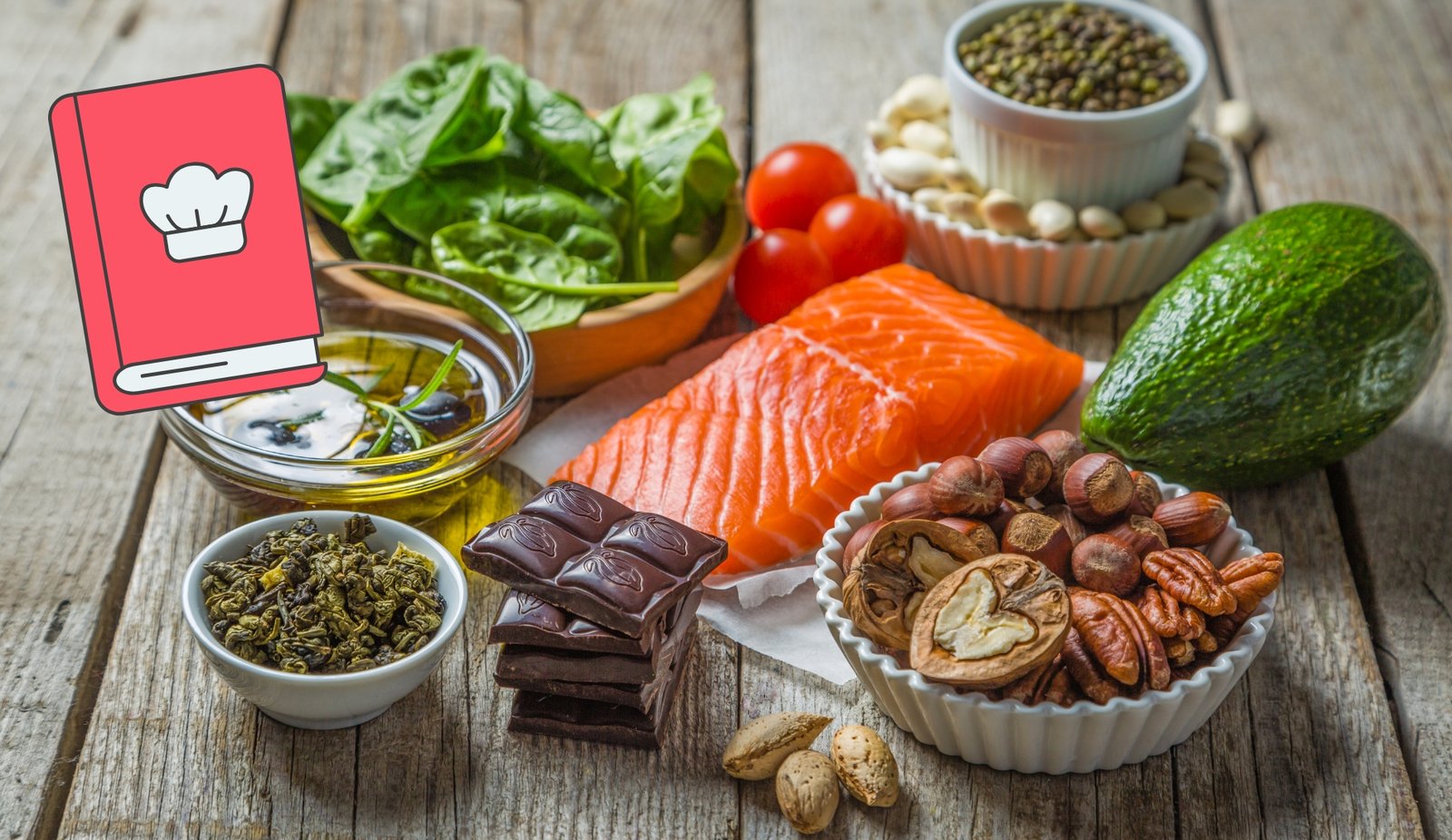
Postpartum Nutrition plays a vital role in helping new mothers recover, regain energy, and support breastfeeding. But what exactly should you eat after delivery to heal faster and stay healthy? Is it better to focus on high-protein meals, traditional healing foods, or modern balanced diets? These are the questions many new moms struggle with.
The answer lies in a mix of nutrient-rich foods that provide protein, iron, calcium, healthy fats, and plenty of hydration. Experts like Dr. Elizabeth Ward, a registered dietitian, suggest that a well-balanced postpartum diet helps improve energy levels, boosts milk supply, and strengthens overall recovery. Avoiding extreme restrictions while focusing on wholesome meals is key.
But postpartum nutrition is not just about food—it’s about building a lifestyle that supports both mother and baby. In this article, we’ll uncover the best foods to eat after childbirth, expert-approved diet plans, and simple postpartum nutrition tips to help recovery smoother. So, let’s dive into the complete guide to postpartum nutrition every new mom should know!
With nourishing recipes designed to support healing, energy, and sanity (yes, sanity counts as a nutrient), this cookbook is more than just meal ideas—it’s a guide to helping new moms feel cared for while caring for everyone else.
Why Postpartum Nutrition Needs Are Unique?
The postpartum period is marked by significant changes in a woman’s body, and it’s essential to address these changes with proper nutrition. Unlike other stages of life, the postpartum phase requires specific attention to healing and the potential for breastfeeding.
New mothers need to replenish the nutrients lost during nine months of pregnancy and childbirth while also providing nourishment to support lactation if they choose to breastfeed.
The body also undergoes hormonal shifts, which can affect everything from energy levels to mood. Proper postpartum nutrition ensures that a mother’s body can restore hormone balance and support physical recovery.
Additionally, new mothers often experience disrupted sleep, which means they need extra energy and focus to care for their baby and themselves. Therefore, understanding how to nourish your body after childbirth can significantly impact your physical health and emotional well-being.
What Are the Best Postpartum Foods?
The best foods for postpartum nutrition are those that support healing, provide energy, and promote overall health. These foods should be rich in vitamins, minerals, and other essential nutrients that are required for recovery. Some of the top postpartum foods include:
1. Leafy Greens
Leafy greens like spinach, kale, and swiss chard are rich in iron and folate, which are essential for postpartum recovery. These nutrients help moms replenish their bodies, and blood lost during childbirth and support energy levels.
2. Lean Protein
Lean proteins, such as chicken, turkey, tofu, and legumes, are essential for tissue repair and muscle recovery. Protein is also important for breastfeeding mothers, as it helps produce milk and maintain healthy breast tissue.
3. Whole Grains
Whole grains like oats, quinoa, and brown rice provide slow-releasing energy and are a good source of fiber, which helps with postpartum digestion and maintaining blood sugar levels.
4. Berries and Citrus Fruits
Rich in vitamin C, berries, Smoothie with banan, oranges, and other citrus fruits support immune health and help with tissue repair. Vitamin C is also important for collagen production, which aids in healing after childbirth.
5. Avocados
Avocados are packed with healthy fats that support brain health and hormonal balance. They also provide a good source of vitamin K, which is essential for proper blood clotting and healing.
6. Nuts and Seeds
Nuts like almonds, walnuts, and seeds such as chia and flax are rich in omega-3 fatty acids, which help support mood regulation and mental clarity. Omega-3s are also beneficial for breastfeeding mothers to pass on to their babies.
7. Sweet Potatoes
Rich in beta-carotene and vitamin A, sweet potatoes support immune function and provide energy. These nutrients are crucial for both recovery and for new mothers looking to boost their health.
The Best Postpartum Nutrition Cookbook by Diana Licalzi and Ashley Reaver
The Postpartum Nutrition Cookbook stands out as a valuable guide for mothers navigating the demanding postpartum stage. Unlike many resources that focus solely on baby care, this book emphasizes a mother’s own recovery.
Written by registered dietitians Diana Licalzi and Ashley Reaver, it provides evidence-based advice tailored to the unique nutritional needs after pregnancy, childbirth, and breastfeeding. The clear explanations of essential nutrients and their role in healing make the content not only practical but also reassuring for new moms.
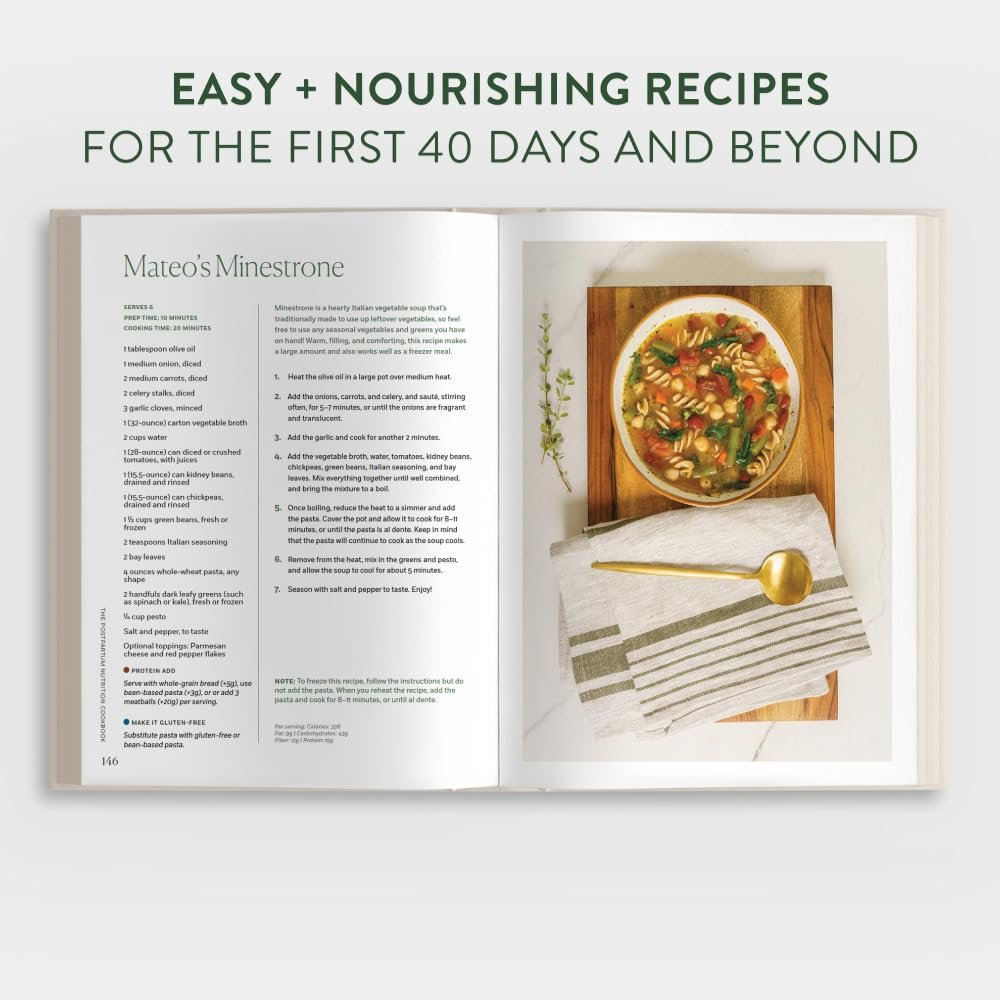
With over 100 easy recipes, the book helps simplify the often overwhelming task of meal planning during early motherhood. From make-ahead breakfasts to one-handed lunches and effortless dinners, the variety ensures that even the busiest mothers can prepare nutritious meals.
Additionally, the inclusion of shopping lists, meal plans, and trackers makes organization less stressful. The recipes are designed with recovery in mind, yet they remain family-friendly, which means partners and loved ones can enjoy them too.
Another standout feature is the attention to self-care. The cookbook encourages mothers to prioritize their own health, something often overlooked during the fourth trimester.
Its practical tips on meal prepping, combined with targeted nutrition advice, make it not only a recipe book but also a recovery companion. Whether gifted to a new mom or used personally, this guide offers lasting support during one of life’s most transformative stages.
Tips for a Healthy Postpartum Nutrition
Maintaining a healthy prenatal diet can be challenging, especially with the demands of caring for a newborn. However, there are several tips you can follow to ensure that your nutrition remains on track:
- Eat Smaller, Frequent Meals: After childbirth, your postpartum body needs consistent energy throughout the day. Try eating smaller meals every 3-4 hours to keep your energy levels steady and to avoid feeling too overwhelmed by hunger.
- Stay Hydrated: Hydration is essential, particularly for breastfeeding mothers. 2 glasses of water, herbal teas, and electrolyte-rich drinks can help maintain milk supply and support overall recovery.
- Prioritize Nutrient-Dense Foods: Instead of focusing on calorie counting, emphasize foods that are nutrient-dense and provide a range of vitamins and minerals. This ensures that you’re nourishing both your body and your baby (if breastfeeding).
- Prepare Meals in Advance: Having easy-to-grab meals prepared ahead of time can make a world of difference. Consider batch-cooking and freezing meals so that you can quickly reheat them when time is tight.
- Incorporate Superfoods: Foods like salmon, chia seeds, and acai are known as “superfoods” because of their high nutritional content. Including them in your diet can further boost your health and recovery.
Essential Nutrients for Postpartum Recovery
Certain nutrients are especially important for new mothers during the postpartum period. These nutrients aid in recovery, hormone regulation, and energy restoration. Some of the most important postpartum nutrients include:
1. Iron
Iron is essential for rebuilding red blood cells lost during labor. Postpartum anemia is common, so it’s important to consume iron-rich foods such as red meat, beans, and leafy greens.
2. Calcium
During pregnancy, calcium is drawn from your bones to support your baby’s development. After childbirth, replenishing calcium helps prevent bone loss and supports lactation. Dairy products, fortified plant milk, and leafy greens are good sources of calcium.
3. Vitamin D
Vitamin D helps with calcium absorption and supports immune function. After childbirth, many women are deficient in vitamin D, so getting sunlight and eating vitamin D-rich foods like fatty fish can be beneficial.
4. Omega-3 Fatty Acids
Omega-3s, found in fatty fish and flaxseeds, are vital for reducing inflammation and supporting mental health. They also play a role in boosting milk production for breastfeeding mothers.
5. Vitamin B12
Vitamin B12 helps with energy production and red blood cell formation. This nutrient is essential for combating fatigue during the postpartum period, and it can be found in animal-based products or fortified cereals.
6. Folate
Folate supports cell regeneration and repair, helping the body recover after childbirth. Leafy greens, beans, and fortified cereals are rich in folate.
Meal Planning Strategies for New Mothers
Planning meals in advance is one of the best ways to ensure you’re getting the right nutrients postpartum. Below are some strategies to help you stay on track with healthy eating:
- Batch Cooking: Prepare large quantities of meals that can be frozen and easily reheated, such as soups, casseroles, or stews. This ensures you have nutritious food available without the hassle of cooking every day.
- Incorporate Leftovers: When cooking, double the recipe so you can have leftovers for the next day or freeze them for a later time.
- Focus on Balanced Meals: Ensure that each meal contains a balance of protein, healthy fats, and complex carbohydrates to support sustained energy and recovery.
- Snack Wisely: Healthy snacks like nuts, yogurt, and fresh fruit can keep you satisfied between meals without the risk of relying on unhealthy options.
Quick and Healthy Snack Ideas for New Moms
When you’re short on time and need a quick snack, here are some ideas that are nutritious and easy to prepare:
- Greek Yogurt with Berries: High in protein and probiotics, this snack supports digestion and provides energy.
- Trail Mix: Combine nuts, seeds, and dried fruit for a healthy, portable snack.
- Apple Slices with Almond Butter: A perfect combination of fiber, protein, and healthy fats.
- Hard-Boiled Eggs: Packed with protein, these are easy to prepare and provide a quick, filling snack.
- Smoothies: Blend fruits, vegetables, protein powder, and healthy fats like avocado or chia seeds for a nutrient-packed snack.
Foods to Avoid Postpartum
While many foods can support your postpartum recovery, some should be limited or avoided entirely. Here are a few foods to watch out for:
- Caffeine: Too much caffeine can interfere with sleep, especially for new moms who are already sleep-deprived. It may also affect your baby if you’re breastfeeding.
- Processed Foods: Foods high in added sugars, unhealthy fats, and artificial ingredients can leave you feeling sluggish and may interfere with your healing process.
- Alcohol: Alcohol can interfere with breastfeeding and may affect your mood and energy levels, so it’s best to limit or avoid it during the postpartum period.
- High-Mercury Fish: Fish like swordfish and king mackerel should be avoided due to their high mercury content, which can negatively affect your health and your baby’s development if breastfeeding.
Note: Getting the Right Nutrients During the Postpartum Period Can Help Support Healing and Lactation
Proper postpartum nutrition is not only about healing your body but also about supporting lactation if you’re breastfeeding. The right combination of nutrients will ensure that you have enough energy to recover, care for your newborn, and provide breast milk that’s rich in essential nutrients. Prioritize nutrient-dense foods that support both your health and your baby’s well-being.
Frequently Asked Questions about Nutrition Postpartum After Childbirth to maintain energy (FAQs)
What is postpartum nutrition and why is it important?
Postpartum nutrition refers to the dietary needs and considerations for women after giving birth. It’s crucial for recovery, supporting lactation, and overall health during the postpartum period. Proper nutrition helps new moms replenish nutrients lost during childbirth and supports the body in healing and maintaining energy levels.
What are the best postpartum foods to eat?
The best postpartum foods include nutrient-dense options like leafy greens, whole grains, lean proteins, and healthy fats such as avocado. Foods rich in vitamins and minerals, like hard-boiled eggs and Greek yogurt, are essential for nourishing your body during recovery and supporting milk production if you’re breastfeeding.
How can I ensure I’m getting enough calories during postpartum recovery?
To ensure you’re eating enough calories, focus on eating nutrient-dense foods that provide energy and support healing. Incorporate snacks and meals that include healthy fats, lean proteins, and whole grains. A registered dietitian can help create a meal plan tailored to your postpartum nutrition needs, ensuring you meet your caloric requirements.
What nutrients are crucial for postpartum recovery?
Key nutrients for postpartum recovery include calcium for bone health, choline for brain development, and iron to combat blood loss. Additionally, consuming adequate amounts of iodine, omega-3 fatty acids, and vitamins A, C, and D can enhance recovery and support lactation.
How can I stay hydrated while breastfeeding?
Staying hydrated is essential for milk production and overall health. Aim to drink plenty of fluids throughout the day, such as water, herbal teas, and nutrient-rich smoothies. Keeping water bottles handy and drinking before and after breastfeeding sessions can help maintain hydration levels.
Can certain foods help with postpartum healing?
Yes, certain foods can aid in postpartum healing. Focus on healing foods rich in antioxidants, such as fruits and veggies, and those that support recovery, like lean proteins and healthy fats. Incorporating snacks like granola bars and edamame can also provide necessary nutrients while being easy to prepare and consume.
What should I avoid eating during the postpartum period?
During the postpartum period, it’s wise to steer clear of foods high in mercury, such as certain types of tuna, and to limit caffeine and highly processed foods. These can affect your overall health and milk supply if you’re breastfeeding. Instead, opt for whole, nutritious options that support your body’s recovery needs.
How can I manage constipation after giving birth?
To manage constipation after giving birth, focus on increasing your intake of fiber-rich foods like fruits, veggies, and whole grains. Staying hydrated is also vital, as it helps soften stool. Regular physical activity, as permitted by your healthcare provider, can further assist with bowel movements and overall digestive health.
What role do snacks play in postpartum nutrition?
Snacks play a significant role in postpartum nutrition by providing quick energy boosts and essential nutrients throughout the day. Healthy snacks like yogurt, egg muffins, or smoothies can help maintain energy levels, support recovery, and ensure you’re consuming enough calories while caring for your new baby.
What is the postpartum nutrition recipe book?
A postpartum nutrition book offers meal prepping plans and recipes to support recovery, breastfeeding, and energy. Popular titles include The First Forty Days—focusing on healing foods like bone broth, iron-rich meals, and lactation-boosting snacks.
Healthy Postpartum Diet Conclusion
Navigating the postpartum period can be challenging, but a healthy and balanced diet can make a significant difference in your recovery. By focusing on nutrient-dense foods, planning your meals in advance, and prioritizing hydration, you’ll be better equipped to heal and thrive during this critical time. Remember that every woman’s postpartum journey is different, so find what works best for you and your body. A well-balanced postpartum diet is not only an investment in your own health but also in your ability to care for your baby and enjoy this precious time.
Related posts
- The Ultimate Postpartum Weight Loss Program for Busy New Moms
- Postpartum Dandruff: Causes, Remedies, and Scalp Care Tips
- 10 Genius Postpartum Meal Prep Ideas for New Moms
- Is Drinking While Breastfeeding Safe? (Myths Vs. Facts)
- 17 Foods to Avoid While Nursing — The Surprising List

