
When it comes to tracking the growth and progress of children with Down Syndrome, understanding their developmental milestones is crucial. Down Syndrome Developmental Milestones are specific milestones achievement or stages in a child’s growth that can provide valuable insight into their physical, emotional, and cognitive progress.
Children with Down Syndrome typically reach key milestones later than their peers. For example, sitting may happen around 11 months, walking at 24–36 months, and first words closer to 18–24 months. Dr. Len Leshin, a pediatrician with expertise in Down Syndrome, notes that early intervention greatly improves skill development.
These milestones often serve as a roadmap for parents, caregivers, and healthcare pediatrics to assess and support the child’s ongoing motor development. In this comprehensive guide, we will explore the key developmental milestones for children and adolescents with Down Syndrome, how to track their progress, and ways to provide the best pediatric support to help them thrive.
What You Need to Know about Developmental Milestones for Children with Down Syndrome
Developmental milestones are generally classified into categories such as motor skills, language development, cognitive abilities, and social skills. However, children with Down Syndrome often reach these milestones at a different pace compared to children without the condition. This variation in development is entirely normal and should be seen as part of the natural trajectory of their growth.
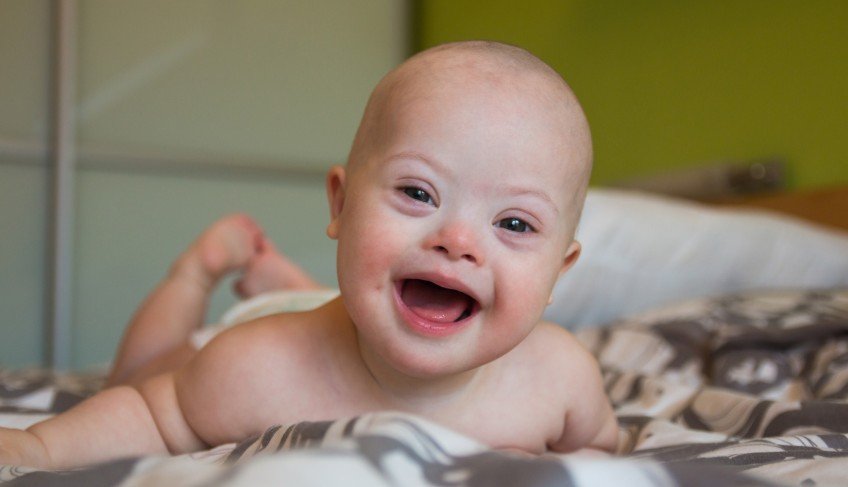
It’s important to recognize that while some children with Down Syndrome may take longer to reach certain milestones, many will eventually catch up. Early intervention is key to ensuring that children and adolescents with Down Syndrome have the support and resources they need to maximize their potential.
Developmental milestones are usually measured by the age at which a child is expected to reach certain skills, but for children with Down Syndrome, these ages can vary widely.
Tracking Down Syndrome Developmental Milestones can help parents understand the progress their child is making and where additional support may be needed. However, it’s essential to remember that every child is unique, and progress may differ from one individual to another.
A child’s milestones should always be tracked in partnership with healthcare professionals who can guide families through the journey.
Key Down Syndrome Developmental Milestones
Children with Down Syndrome tend to follow a similar developmental pattern to other children, but at a different pace. Here are some of the key developmental milestones typically observed in children with Down Syndrome:
1. Motor Skills Development
- Gross Motor Skills: Gross motor skills are the abilities that require large muscle movements, such as crawling, walking, and running. Children with Down Syndrome may take a bit longer to reach these milestones, with crawling occurring typically between 10 and 14 months and walking between 18 and 24 months. However, with the right support and encouragement, many children with Down Syndrome can walk independently and engage in physical activities.
- Fine Motor Skills: Fine motor skills involve smaller, more precise movements like picking up objects, writing, and buttoning clothes. While fine motor skills can be more challenging, children with Down Syndrome often show improvement over time, particularly when given structured practice and therapy.
2. Cognitive Development
Cognitive milestones relate to a child’s ability to think, learn, and problem-solve. While children with Down Syndrome may experience delays in cognitive development, many can still learn to engage in activities such as matching colors, understanding basic concepts, and recognizing objects.
With early intervention programs like speech therapy and cognitive stimulation, children with Down Syndrome can improve their thinking and problem-solving skills.
3. Language and Communication
Language development is an area where children with Down Syndrome often need additional support. While speech development may be delayed, many children with Down Syndrome gradually develop the ability to understand and produce language with the help of speech therapists. They typically begin to babble and use simple words by age 2, with more complex sentences emerging by age 4 or 5.
4. Social and Emotional Skills
Social milestones in children with Down Syndrome may be delayed as well, but many children with Down Syndrome are known for their affectionate and social nature. They often develop bonds with family members, peers, and caregivers and may display an understanding of social cues as they grow. Emotional regulation and social behavior skills often improve with practice and guidance.
How to Support Your Down’s Syndrome Child
Supporting a child with Down Syndrome involves a combination of love, patience, and the right resources. It’s important to provide a supportive environment where they can thrive emotionally, socially, and developmentally. Here are some ways parents and caregivers can support their child’s development:
1. Early Intervention Programs
Early intervention is one of the most effective ways to support the development of a child with Down Syndrome. These programs focus on physical, cognitive, and social development, often involving speech therapy, occupational therapy, and physical therapy. Early intervention can help children catch up on developmental profiles and build essential skills that will aid them in the future.
2. Specialized Therapy
Various therapies can be used to support the child’s motor and cognitive development. For example:
- Speech therapy: Helps children develop language skills, improve their communication abilities, and express themselves more effectively.
- Occupational therapy: Focuses on fine motor skills and daily living activities, helping children gain independence as they grow.
- Physical therapy: Assists in the development of gross motor skills, helping children strengthen their muscle tone and improve coordination.
3. Consistency and Routine
Children with Down Syndrome often benefit from a structured environment. Consistent routines and schedules help them feel secure and reduce frustration. Establishing clear expectations and providing positive impact for milestones achieved is also essential to their confidence and development.
4. Encourage Independence
It’s essential to encourage your child to be as independent as possible. This can be done by allowing them to take part in everyday activities like dressing themselves, using utensils at mealtime, and participating in family routines. Gradual encouragement fosters self-confidence and helps children develop practical life skills.
5. Social Inclusion
Providing opportunities for your child to interact with others is vital for their social development. Encourage playdates, enroll them in social activities like dance classes or sports, and ensure that they have a strong support system in place. Social interactions help them build relationships, learn social rules, and develop essential communication skills.
Down Syndrome Developmental Milestones Chart:
Here’s a Down Syndrome Developmental Milestones Chart, which outlines general age ranges when children with Down syndrome may reach key developmental profiles milestones. Please note that each child is unique, and milestones may vary widely. This chart reflects typical ranges for children with Down syndrome, which are usually delayed compared to typical development.
🧠 Cognitive / Communication Milestones
| Milestone | Typical Age Range (Down Syndrome) | Typical Age Range (Typical Development) |
|---|---|---|
| Smiles responsively | 1.5 – 4 months | 6 weeks |
| Babbles | 6 – 12 months | 4 – 6 months |
| First words | 16 – 30 months | 12 months |
| Uses 2-word phrases | 24 – 36 months | 18 – 24 months |
| Understands simple commands | 18 – 36 months | 12 – 18 months |
🏃 Motor Milestones
| Milestone | Typical Age Range (Down Syndrome) | Typical Age Range (Typical Development) |
|---|---|---|
| Holds head up | 3 – 5 months | 1 – 4 months |
| Rolls over | 5 – 7 months | 2 – 5 months |
| Sits without support | 8 – 11 months | 5 – 8 months |
| Crawls | 11 – 17 months | 7 – 10 months |
| Pulls to stand | 12 – 20 months | 9 – 12 months |
| Walks independently | 18 – 36 months | 12 – 15 months |
| Runs | 3 – 5 year of age | 18 – 24 months |
| Climbs stairs (with help) | 3 – 5 years | 2 – 3 years |
✋ Fine Motor / Self-Help Skills
| Milestone | Typical Age Range (Down Syndrome) | Typical Age Range (Typical Development) |
|---|---|---|
| Grasps toys | 4 – 6 months | 2 – 4 months |
| Transfers objects between hands | 6 – 9 months | 4 – 6 months |
| Feeds self with fingers | 15 – 24 months | 9 – 12 months |
| Uses spoon/fork | 24 – 36 months | 15 – 24 months |
| Drinks from cup | 24 – 36 months | 12 – 18 months |
| Dresses with help | 3 – 6 years | 2 – 4 years |
| Toilet trained (daytime) | 4 – 6 years | 2 – 3 years |
❤️ Social / Emotional Development
| Milestone | Typical Age Range (Down Syndrome) | Typical Age Range (Typical Development) |
|---|---|---|
| Social smile | 1.5 – 4 months | 6 – 8 weeks |
| Shows stranger anxiety | 8 – 12 months | 6 – 10 months |
| Waves bye-bye | 12 – 24 months | 9 – 12 months |
| Shows empathy | 3 – 5 years | 2 – 3 years |
| Plays cooperatively | 4 – 6 years | 3 – 4 years |
Notes:
- These are approximate ranges for children with Down syndrome.
- Early intervention services (speech, occupational, and physical therapy) can significantly support milestone development.
- Always consult with a pediatrician, developmental specialist, or early intervention provider for individualized assessments.
Advanced Gross Motor Skills in Children – Fine Motor Skills
When it comes to advanced motor skills, people with down syndrome may show delays, especially in fine motor skills. However, with dedicated therapy and support, these skills can improve over time.
Fine Motor Skills
Fine motor skills are the precise movements required for tasks like writing, using utensils, or building with small objects. Children with Down Syndrome may take longer to develop these skills, but they can still master them through therapy and practice. Occupational therapy plays a significant role in improving these skills by targeting hand-eye coordination, muscle strength, and dexterity.
Gross Motor Skills
Gross motor skills, on the other hand, require larger muscle movements, such as crawling, walking, and climbing. While kids with Down Syndrome might reach these milestones a bit later than other children, they can still develop strength, balance, and coordination with proper support.
Physical therapy and regular physical activities like swimming or walking can significantly aid in the development of gross motor skills, helping children gain confidence in their physical abilities.
Common Questions about Developmental Milestones in Down Syndrome (FAQs)
What are the key developmental milestones for children with Down syndrome?
Key developmental milestones for children with Down syndrome include the achievement of basic motor skills, such as rolling over, sitting up, and walking. Typically, children with Down syndrome may reach these milestones later than typical children, but with early intervention and support, they can achieve significant progress in their development.
How to support developmental milestones in down syndrome?
Support milestones in Down syndrome through early intervention—speech, OT, and PT. A hospital Down syndrome program provides clinicians to address intellectual disability, ensuring tailored care for optimal growth.
How do developmental delays affect children with Down syndrome?
Developmental delays in children with Down syndrome can impact their motor skills, language, and social development. These delays may require specialized services for children, including physical therapy and speech therapy, to help enhance their developmental skills and overall functioning.
What are the physical characteristics of a child with Down syndrome?
Children with Down syndrome may exhibit distinct physical characteristics, such as a flat facial profile, slanted eyes, and a single transverse palmar crease. Understanding these characteristics can help parents and clinicians provide appropriate developmental and behavioral support.
How can parents help their child with Down syndrome reach developmental milestones?
Parents can help their child with Down syndrome reach developmental milestones by engaging in early intervention programs and providing consistent support at home. Activities that promote motor skills, such as play and physical therapy, can enhance their child’s development and help them reach their full potential.
What role does early intervention play in the development of children with Down syndrome?
Early intervention plays a crucial role in the development of children with Down syndrome by providing targeted services that address developmental delays. Programs may include speech therapy, occupational therapy, and educational support, all designed to promote the child’s overall motor development and help them achieve key milestones.
Are adolescents with Down syndrome affected by developmental milestones differently?
Adolescents with Down syndrome may face unique challenges as they transition into adulthood. They may experience delays in social skills and independence compared to typical adolescents. Supporting their development during this time is essential for helping them navigate the challenges of adolescence and prepare for adult life.
What is the significance of the extra copy of chromosome 21 in Down syndrome?
The extra copy of trisomy 21 in individuals with Down syndrome contributes to the developmental disabilities and developmental challenges associated with the syndrome. Understanding this genetic material is important for parents and clinicians as they provide care and support tailored to the needs of people with down syndrome.
How can pediatricians assist families with children who have Down syndrome?
Pediatricians play a vital role in supporting families with children who have Down syndrome by monitoring their growth and development, providing referrals to specialists, and offering guidance on early intervention services. They can also help families navigate the resources available for developmental medicine and support.
What resources are available for families of children with Down syndrome?
Families of children with Down syndrome can access various resources, including local Down syndrome associations, educational programs, and support groups. The National Down Syndrome Society and Boston Children’s Hospital also provide valuable information and services for parents seeking assistance in their child’s development.
Conclusion
Tracking Down Syndrome Developmental Milestones is crucial for parents and caregivers to ensure that children are receiving the right support for their unique growth and development. While the milestones may differ from child to child, understanding what to expect and how to support the child effectively can make all the difference. With early intervention, therapy, and a consistent, nurturing environment, children with Down Syndrome can achieve great progress, master new skills, and build meaningful connections with the world around them.
By focusing on developmental milestones, parents and caregivers can help their children grow into confident, independent individuals who are empowered to succeed. The key is to remain patient, embrace each achievement, and provide the necessary tools and resources to help children with Down Syndrome reach their full potential.
Recommended posts
- Down Syndrome Speech Therapy Options for All Ages
- Best Down Syndrome Physical Therapy Treatment Options
- Tips for Potty Training Down Syndrome: (That Really Work)
- Chances of Identical Twins with Down Syndrome (Key Facts)
- The Down Syndrome Smile: Why It’s So Recognizable and Warm
- Are Down Syndrome People Sterile? (The Shocking Truth)