Trying to conceive and wondering if food can make a difference? A well-balanced 28 day diet plan to get pregnant might be just what your body nutritional needs to boost fertility naturally. Can changing what you eat really improve your chances of getting pregnant?
Yes, it can. A fertility-focused meal plan rich in leafy greens, lean protein, healthy fats, and complex carbs can regulate hormones and improve egg quality. Experts like Dr. Jorge Chavarro, author of The Fertility Diet, emphasize the power of nutrition in supporting reproductive health.
But diet is only part of the picture. Want to see a complete 28-day meal plan, along with tips on what to eat and what foods to avoid when trying to get pregnant? Let’s dive into the science-backed guide designed to nourish your body for conception success.
How to Boost Fertility Naturally?
Boosting fertility naturally involves making informed dietary and lifestyle choices. Incorporating a fertility diet rich in vitamins and nutrients can significantly improve your chances of getting pregnant. Foods high in antioxidants, such as berries and leafy greens, support reproductive health by reducing oxidative stress.
Additionally, maintaining a healthy weight is crucial; being either underweight or overweight can hinder ovulation and egg quality. Regular exercise, along with a balanced diet, also plays a vital role in enhancing fertility naturally, as it promotes better hormonal balance and overall health.
Another key aspect of boosting fertility naturally is managing stress levels. High-stress levels have been linked to hormonal imbalances that affecting fertility and sperm production.
Engaging in relaxation techniques like yoga or meditation can support your fertility. Moreover, adequate sleep is essential for regulating hormones that influence reproductive health. By adopting these lifestyle changes, you can create an environment that supports your fertility and increases your chances of conceiving.
What are the Essential Nutrients for Pregnancy?
When planning a pregnancy, it’s crucial to focus on essential nutrients that support fertility and a healthy pregnancy. Folic acid, a vital B vitamin, plays a significant role in preventing neural tube defects and is essential for the development of healthy red blood cells. Iron and calcium are also critical in maintaining energy levels and supporting fetal development.
A diet rich in whole grains, proteins, healthy fats, and fruits can ensure you’re getting these necessary nutrients. Healthy fats, such as those found in avocados and nuts, are important for hormone production and overall reproductive health.
In addition to folic acid and healthy fats, incorporating antioxidants into your diet can improve egg quality and enhance fertility. Foods like berries, dark chocolate, nuts and seeds are good sources of antioxidants that combat oxidative stress.
Essential fatty acids, particularly omega-3s found in fish, are also crucial for maintaining hormonal balance and supporting reproductive health. By understanding and prioritizing these essential nutrients, you can create a nutrient-dense diet plan that supports your fertility and prepares your body for a healthy pregnancy.
The 28 Day Diet Plan to Get Pregnant: (Sample Fertility Diet Plan)
Why a Fertility Diet Matters? A balanced, nutrient-rich diet to get pregnant, improves hormone balance, egg quality, and ovulation. The right foods to help conceive, also support a healthy uterine lining and increase your chances of conceiving naturally. Here’s a simple 28-day meal plan to boost your fertility, week by week.
Week 1: Hormone Balance Kickstart
Goals: Reduce sugar, boost healthy fats, stabilize blood sugar
Daily Essentials:
- Whole grains (quinoa, oats, brown rice)
- Leafy greens (spinach, kale, arugula)
- Healthy fats (avocados, olive oil, nuts)
- Lean proteins (chicken, eggs, lentils)
Sample Day:
- Breakfast: Oatmeal with chia seeds, berries, and almonds
- Snack: Boiled egg + a handful of walnuts
- Lunch: Grilled chicken salad with olive oil dressing
- Snack: Carrot sticks with hummus
- Dinner: Baked salmon with quinoa and steamed broccoli
Week 2: Support Ovulation
Goals: Increase antioxidants, zinc, and B-vitamins
Daily Essentials:
- Colorful fruits and veggies (berries, carrots, bell peppers)
- Seeds (pumpkin, flax, sunflower)
- Eggs, turkey, beans, and mushrooms
Sample Day:
- Breakfast: Smoothie with spinach, banana, flaxseeds, and almond milk
- Snack: Greek yogurt with pumpkin seeds
- Lunch: Turkey wrap in whole grain tortilla + spinach
- Snack: Apple slices with almond butter
- Dinner: Stir-fried tofu with bell peppers and brown rice
Week 3: Support Implantation
Goals: Boost iron, vitamin E, and omega-3s
Daily Essentials:
- Fatty fish (sardines, salmon, mackerel)
- Iron-rich foods to eat to help get pregnant (lentils, red meat, dark greens)
- Vitamin E (sunflower seeds, avocado)
Sample Day:
- Breakfast: Scrambled eggs with spinach and whole grain toast
- Snack: Sunflower seeds and dried fruits
- Lunch: Lentil stew with kale and sweet potato
- Snack: Mixed berries + green tea
- Dinner: Grilled sardines with lemon, served with couscous and arugula
Week 4: Maintain Healthy Progesterone Levels
Goals: Stabilize hormones and reduce inflammation
Daily Essentials:
- Magnesium (dark chocolate, bananas, leafy greens)
- Selenium (Brazil nuts, mushrooms)
- Anti-inflammatory foods (turmeric, ginger, fatty fish)
Sample Day:
- Breakfast: Chia pudding with banana and dark cocoa nibs
- Snack: Brazil nuts + dates
- Lunch: Grilled chicken with turmeric quinoa and cucumber salad
- Snack: Ginger tea + rice cakes
- Dinner: Baked trout with garlic mashed sweet potatoes and steamed asparagus
Bonus Tips for All 28 Days
- Drink 2–3 liters of water daily
- Limit caffeine to one cup of coffee or tea per day
- Avoid processed foods, soda, and refined sugar
- Take prenatal vitamins with folic acid
- Practice mindful eating and chew slowly
The 28-day fertility diet helps prime your body for conception. Focus on clean, whole foods that support hormonal health, egg quality, and uterine strength. Stick to the plan, stay consistent, and believe in your body’s power to conceive naturally.
Foods to Avoid When Trying to Conceive
When trying to conceive, avoiding certain foods can significantly enhance your overall fertility. Processed foods, high in trans fats and sugars, can lead to hormonal imbalances that may hinder ovulation.
Caffeine and alcohol should also be limited, as excessive intake has been linked to decreased fertility in both men and women. Additionally, avoiding high-mercury fish, such as shark and swordfish, is crucial, as they can negatively impact reproductive health.
Another important consideration is the consumption of refined carbohydrates, which can lead to insulin resistance and disrupt ovulation. Instead, opt for whole grains that provide more fiber and nutrients, supporting reproductive health.
It’s also advisable to limit dairy products if you notice any adverse effects on your body since some studies suggest that full-fat dairy may have a different impact on fertility compared to low-fat options.
By being mindful of what you eat and avoiding these detrimental foods, you can create a supportive environment for conception and improve your chances of getting pregnant.
Tips for implementing a Fertility Diet
Implementing a fertility diet can be made easier with a few practical tips. Start by gradually incorporating nutrient-dense foods into your meals, focusing on whole grains, lean proteins, and healthy fats.
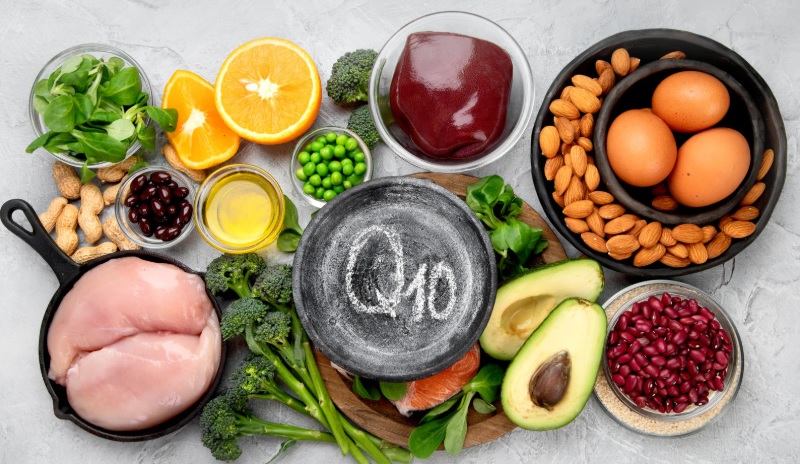
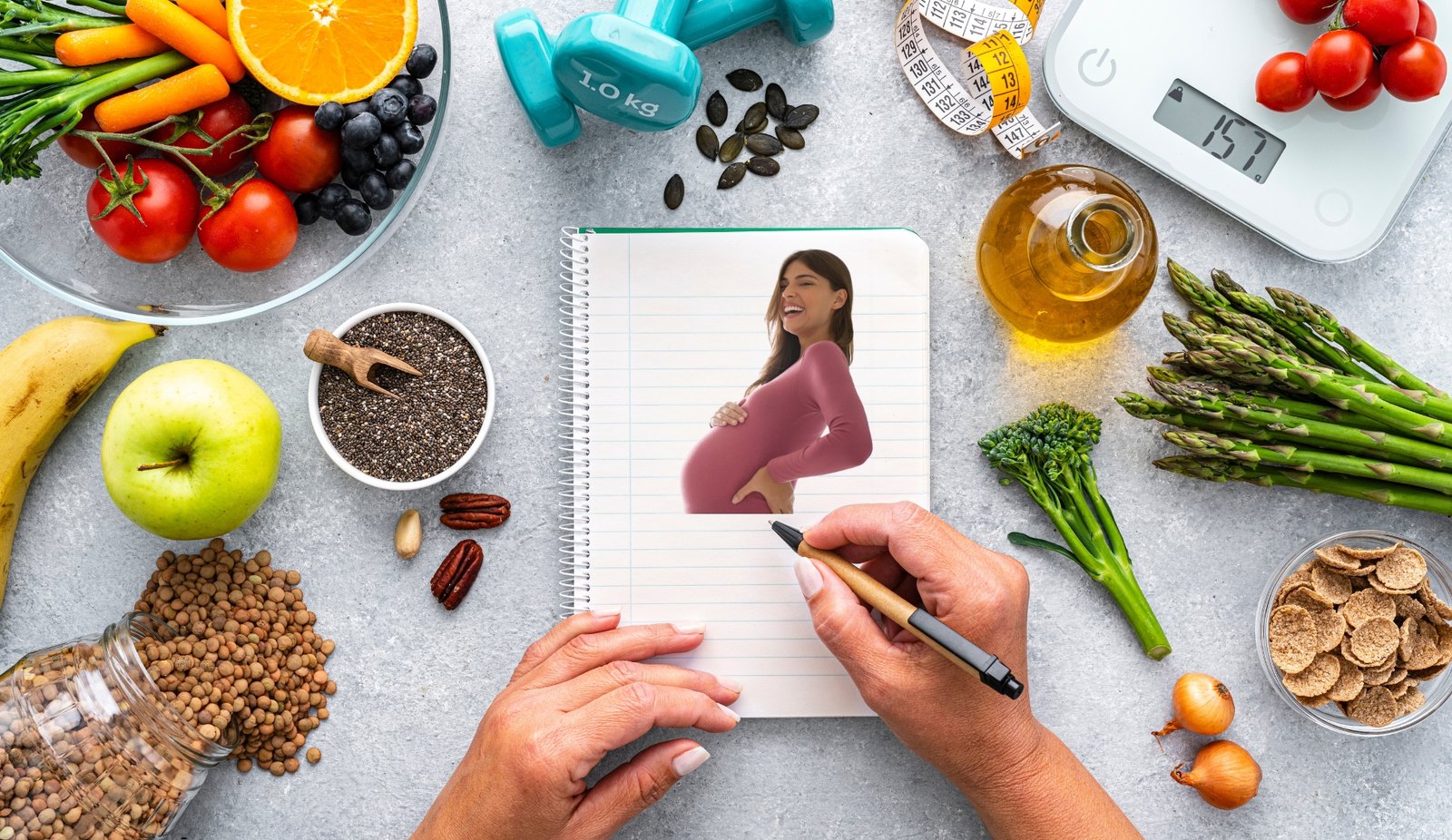
Keep a food diary to track your intake, which can help you identify areas for improvement. Meal planning and prepping are also essential; dedicating a day to prepare meals can ensure you stick to your diet plan to get pregnant. This will not only save time but also help you resist the temptation of unhealthy snacks.
Additionally, consider involving your partner in the journey of implementing a fertility diet. Sharing meals and cooking together can create a supportive environment for both of you, which is essential during this time.
Stay informed about the best foods to eat to help ovulation and keep trying new recipes to make your meals enjoyable. Lastly, be patient and give your body time to adjust to these dietary changes. By following these tips, you can effectively support your fertility and increase your chances of conceiving.
7 Best Foods To Increase Fertility In Male
Male fertility is heavily influenced by diet and lifestyle. Eating nutrient-rich foods can improve sperm count, motility, and quality. Here are the top 7 foods every man should include to boost fertility naturally.
1. Walnuts – Rich in Omega-3s
Walnuts are packed with omega-3 fatty acids and antioxidants. They improve sperm vitality, morphology, and motility. A handful of walnuts daily can protect sperm from damage and oxidative stress.
Tip: Eat raw or add to smoothies, oatmeal, or salads.
2. Eggs – Protein and Vitamin E Boost
Eggs support sperm production due to their high levels of protein and vitamin E. They help protect sperm cells from oxidative damage and improve overall motility.
Tip: Boil, scramble, or make an omelet with vegetables for a fertility-boosting meal.
3. Spinach – Folate for Healthy Sperm
Spinach is rich in folate, a B-vitamin crucial for DNA synthesis. Low folate levels are linked to damaged sperm DNA and poor sperm quality.
Tip: Add fresh spinach to salads, smoothies, or stir-fries daily.
4. Bananas – Natural Libido Enhancer
Bananas contain bromelain, an enzyme that boosts testosterone. They are also rich in vitamin B6 and antioxidants that promote sperm production and energy.
Tip: it’s a good idea to Eat snack or blend into fertility-friendly shakes.
5. Dark Chocolate – Loaded with Antioxidants
Dark chocolate is high in L-arginine, an amino acid that may increase semen volume and improve sperm count. Its antioxidants also fight free radicals that harm sperm.
Tip: Choose 70% or higher dark chocolate in small portions.
6. Pumpkin Seeds – Zinc Powerhouse
Zinc is essential for testosterone production and healthy sperm. Pumpkin seeds are one of the best natural sources of zinc and also provide magnesium, which supports reproductive health.
Tip: Snack on roasted pumpkin seeds or sprinkle over salads and yogurt.
7. Salmon – Rich in Omega-3 and Selenium
Salmon improves sperm quality and motility due to its omega-3 fatty acids and selenium content. These nutrients help regulate hormones and protect sperm from damage.
Tip: Enjoy grilled or baked salmon 2–3 times a week for best results.
Fertility-friendly foods can make a real difference in male reproductive health. By adding these 7 nutrient-rich options to your diet, you support stronger, healthier sperm and improve your chances of conception. Pair this diet with regular exercise, stress control, and adequate sleep for the best results.
Frequently Asked Questions about the 28-Day Diet Plan to Get Pregnant (FAQs)
What are the foods to avoid while trying to get pregnant?
To stay healthy and boost fertility, avoid high-mercury fish, processed meats, excess caffeine, and alcohol. Focus on the right diet — whole foods, leafy greens, and lean proteins—to support conception and hormonal balance.
Do I need pre-conception supplements (vitamins)?
Yes! A diet plan is designed for nutrition, but pre-conception supplements (like folic acid) ensure key fertility nutrients. They fill gaps, support egg/sperm health, and reduce pregnancy risks. Consult your doctor for best options.
What are foods that can improve fertility?
Boost fertility and reproductive health with leafy greens, berries, nuts, and fatty fish. These foods improve egg health, balance hormones, and support ovulation. Add whole grains, avocados, and antioxidants for optimal results.
How does a healthy diet affect sperm quality?
A well-balanced diet that is rich in nutrients can significantly improve sperm quality. Foods rich in antioxidants, omega-3 fatty acids, and essential vitamins can boost overall fertility and enhance sperm health, thereby increasing the chances of conception.
What are some foods that can improve egg quality?
To improve egg quality, it’s important to consume a nutritious diet that includes foods like leafy greens, fruits rich in antioxidants, and healthy fats. These foods can support women’s fertility and enhance reproductive health.
Why is maintaining a healthy weight important when planning a pregnancy?
Maintaining a healthy weight is crucial when planning a pregnancy because being underweight or overweight can make it harder to get pregnant. A healthy weight contributes to hormonal balance and optimizes fertility, making conception easier.
What should I include in my fertility diet meal plan?
A fertility diet meal plan should include a variety of nutrient-rich foods such as whole grains, lean proteins, healthy fats, and plenty of fruits and vegetables. This well-balanced diet can help improve your fertility and support reproductive health.
How can dietary changes help boost my chances of conception?
Making changes to your diet, such as incorporating more foods rich in omega-3 fatty acids and antioxidants, can help boost your chances of conception. A healthy eating plan can improve reproductive health and enhance fertility.
Are there specific foods that pregnant women should avoid to maintain fertility?
Pregnant women should avoid foods that are high in trans fats, refined sugars, and processed ingredients, as these can negatively impact fertility and overall health. It’s best to focus on a healthy diet that includes whole, nutrient-dense foods.
How does a nutritious diet contribute to a healthy lifestyle during pregnancy?
A nutritious diet contributes to a healthy lifestyle during pregnancy by ensuring that both the mother and baby receive essential nutrients. Consuming a well-balanced diet can help maintain enough healthy red blood cells and support fetal development.
What role do fertility treatments play in conjunction with a healthy diet?
Fertility treatments can be more effective when combined with a healthy diet. A nutritious diet can improve fertility health and enhance the success of treatments by optimizing the body’s response to medical interventions.
Can a diet chart help in planning a pregnancy?
Yes, a diet chart can be very helpful in planning a pregnancy. It provides a structured approach to ensure that you are consuming a well-balanced diet, which can improve fertility and support a healthy pregnancy.
How important is it to consume nutrient-rich foods while trying to conceive?
Consuming nutrient-rich foods is extremely important while trying to conceive. It helps to improve your fertility, supports reproductive health, and increases the chances of having a healthy pregnancy.
Conclusion
In conclusion, a 28 day diet plan to get pregnant can play a pivotal role in enhancing fertility and preparing your body for conception. By focusing on a fertility diet rich in essential nutrients and avoiding harmful foods, you can create an environment conducive to a healthy pregnancy. Additionally, implementing simple lifestyle changes, such as managing stress and maintaining a healthy weight, can further support your fertility journey. Whether you are trying to conceive or planning a pregnancy, adopting a well-balanced, nutrient-dense diet can help you get pregnant and foster a healthy pregnancy.
You might also like
- Proven Tips for Getting Pregnant After Chemical Pregnancy
- Best Age to Get Pregnant with Pcos: What Experts Recommend
- Can You Take Prenatal Vitamins Without Being Pregnant?
- Can You Do the Carnivore Diet While Pregnant: Is It Safe?
- Top 7 Fertility Supplements for Women That Actually Work
- Best Tea to Drink for Fertility – Naturally & Fast
- 7 Best Foods to Increase Fertility and Boost Conception