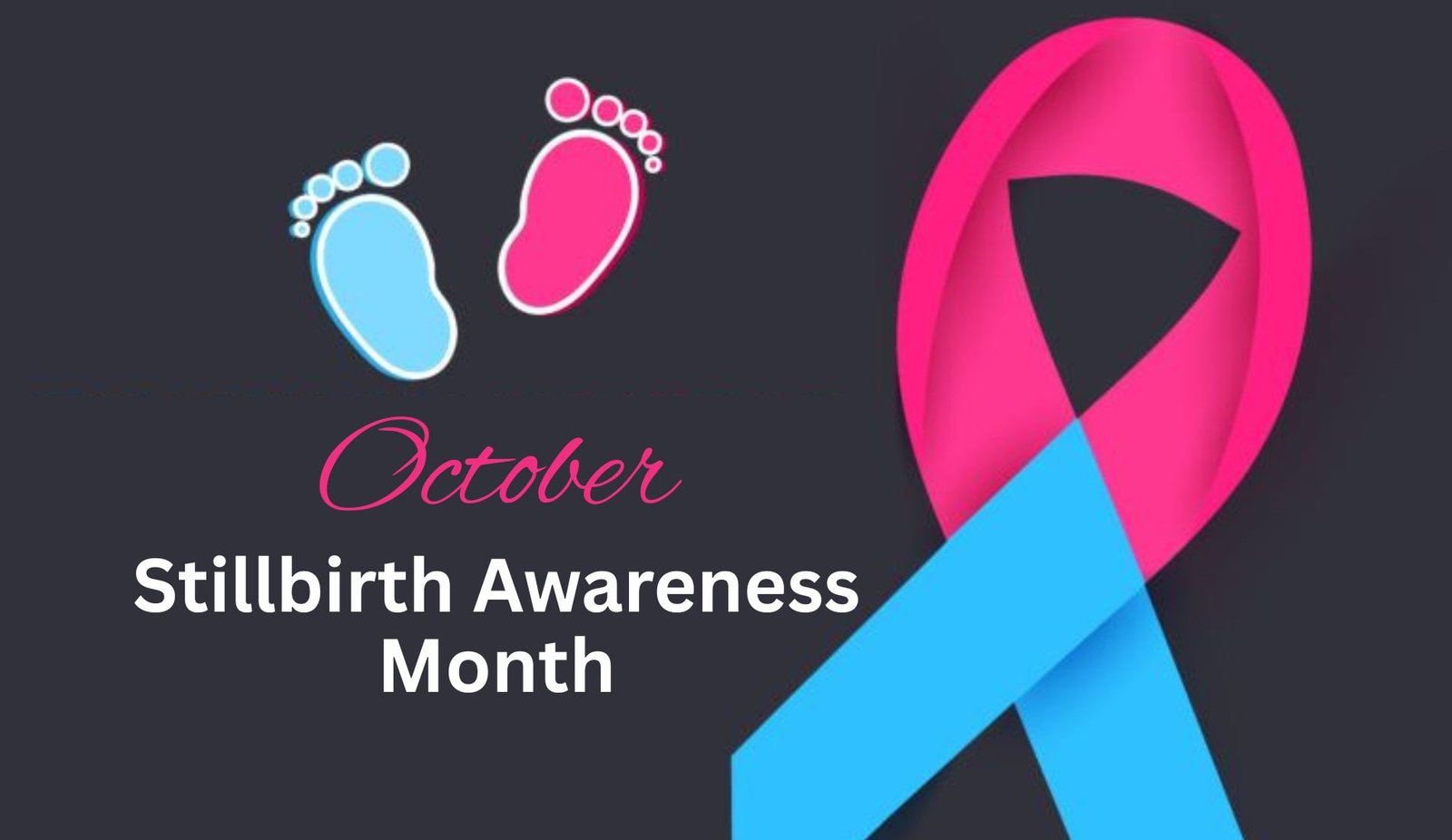
Every October, families, healthcare providers, and advocacy organizations unite to observe Stillbirth Awareness Month, shining a light on a heartbreaking reality that is often overlooked. Despite advances in medicine, thousands of families around the world experience the devastating loss of a baby through stillbirth each year.
This month is dedicated not only to remembrance but also to breaking the silence, promoting education, and encouraging preventative healthcare measures.
While a federal proclamation established October as Pregnancy and Infant Loss Awareness Month in 1988, you can collaborate with your city or state officials to secure a local proclamation.
Stillbirth Awareness Month matters because it validates grief, raises public understanding, and inspires action to prevent future losses. By spreading awareness, we foster compassion and provide a platform for families to honor the babies gone too soon while supporting those navigating life after loss.
When Is the National Stillborn Day?
Within Stillbirth Awareness Month, one day holds especially deep significance: October 15th, Pregnancy and Infant Loss Remembrance Day. This global observance honors babies lost through miscarriage, stillbirth, neonatal death, and sudden infant death syndrome (SIDS).
Families across the world participate in remembrance ceremonies, candle-lighting events, and the “Wave of Light,” where candles are lit at 7:00 p.m. local time in every time zone, creating a continuous wave of light that spans the globe.
According to the CDC, 1 out of 175 pregnancies in the United States will result in stillbirth. some countries also recognize specific days dedicated to stillbirth awareness:
- United States: October 15th is widely acknowledged as a day of remembrance for all forms of pregnancy and infant loss.
- United Kingdom and Australia: Similar remembrance activities are held in conjunction with International Pregnancy and Infant Loss Awareness Week (October 9–15).
- Canada: October 15th is officially recognized in many provinces, with awareness campaigns growing annually.
While October 15th is the central date, the entire month provides opportunities for education, advocacy, and memorialization. For families, every day is a reminder—but the public recognition ensures their babies are never forgotten.
Why Stillbirth Awareness Month Matters?
Stillbirth is often surrounded by silence and stigma. Parents may feel isolated in their grief, while society struggles to openly discuss baby loss. This is precisely why Stillbirth Awareness Month is essential—it provides a collective voice for a deeply personal tragedy.
1. Breaking the Silence
Stillbirth affects more families than most people realize. According to the World Health Organization (WHO), nearly 2 million stillbirths occur worldwide each year—roughly one every 16 seconds. Despite this, discussions about stillbirth remain limited. Awareness initiatives encourage open dialogue, helping families feel less alone and reducing the shame often associated with baby loss.
2. Promoting Prevention Through Education
Research shows that certain measures can lower the risk of stillbirth, such as monitoring fetal movement, sleeping on the side during late pregnancy or infancy, and attending regular prenatal care appointments. Awareness campaigns help disseminate this information widely, empowering expectant parents to take proactive steps.
3. Supporting Grieving Families
Stillbirth Awareness Month validates the grief of parents, grandparents, and siblings who may feel invisible in their mourning. It emphasizes that stillbirth is not just a medical event but a profound emotional loss. Support groups, counseling resources, and remembrance events are highlighted during this time, offering comfort to families.
4. Driving Research and Policy Change
By keeping stillbirth in the public eye, awareness months also push policymakers and researchers to invest in solutions. Funding for maternal health, stillbirth prevention studies, and bereavement care services often grows as public awareness increases.
In essence, Stillbirth Awareness Month matters because it transforms silence into solidarity, grief into advocacy, and loss into a legacy of hope.
What Are the Colors for Stillbirth Awareness?
Colors play a powerful role in raising awareness of pregnancy and infant. For stillbirth and pregnancy loss awareness, pink and blue are the symbolic colors. These colors are widely recognized across the globe during October.
- Pink: Represents femininity, tenderness, and remembrance of daughters lost too soon.
- Blue: Symbolizes strength, healing, and remembrance of sons who were stillborn.
- Pink and Blue Ribbons: The combination reflects unity, encompassing all babies regardless of gender, and is the official emblem of Pregnancy and Infant Loss Awareness.
During Stillbirth Awareness Month, you will often see pink-and-blue ribbons on social media profiles, awareness merchandise, and at remembrance events. Many landmarks and buildings are illuminated in these colors as a visual tribute to families and their babies.
Other Symbols Associated with Stillbirth Awareness:
- Butterflies: Signifying transformation, remembrance, and the fragility of life.
- Candles: Representing International Wave of Light, hope, and the continuation of love.
- Forget-Me-Not Flowers: A reminder that babies lost to stillbirth will never be forgotten.
Wearing or displaying these colors and symbols is a simple yet powerful way for individuals and communities to show support and solidarity.
How to Memorialize a Stillborn Baby?
One of the most meaningful aspects of Stillbirth Awareness Month is giving families ways to remember and honor their babies. Memorialization is deeply personal, and every family chooses what feels right for them. Here are some of the most cherished ways parents and loved ones keep their baby’s memory alive:
1. Participate in the Wave of Light
On October 15 th, parents around the world light candles at 7:00 p.m. to honor their babies. Joining this global movement provides comfort and a sense of unity.
2. Create a Memory Box
Many hospitals provide memory boxes containing keepsakes such as footprints, hospital bands, or blankets. Families can add photos, letters, or symbolic items to create a lasting tribute.
3. Plant a Tree or Garden
Planting a tree or dedicating a garden in memory of a stillborn baby provides a living, growing tribute that families can visit and nurture for years to come.
4. Engage in Acts of Kindness
Some parents choose to honor their baby by performing acts of kindness in their name—such as donating to charities, supporting other bereaved families, or volunteering.
5. Create Art or Jewelry
Custom jewelry with the baby’s name, birthstone, or fingerprint keeps their memory close. Similarly, paintings, poems, or songs offer creative outlets for grief and remembrance.
6. Hold a Private or Public Ceremony
Some families host small gatherings on anniversaries or birthdays, while others take part in community remembrance walks or balloon releases.
7. Advocate and Raise Awareness
Transforming grief into advocacy is one of the most powerful ways to honor a baby’s legacy. Many parents participate in awareness campaigns, fundraisers, or educational initiatives during October.
Memorialization is about connection. Whether quiet and private or public and collective, every act of remembrance reinforces that a stillborn baby’s life, however brief, holds enduring meaning.
Common Questions about Pregnancy and Infant Loss Awareness Month (FAQs)
Is October Child Loss Month?
Yes, October is Pregnancy and Infant Loss Awareness Month, dedicated to honoring babies lost to miscarriage, stillbirth, and SIDS. It’s a time for remembrance, support, and breaking the silence for grieving families worldwide.
What is Stillbirth Awareness Month?
Stillbirth Awareness Month is observed in October to raise awareness about stillbirth and pregnancy loss. The month encourages discussions about the emotional and physical aspects of losing a baby and promotes support for grieving parents. This observance aims to educate the public and healthcare providers on the risk factors associated with stillbirth and to advocate for better prevention efforts.
When is National Pregnancy and Infant Loss Awareness Day?
National Pregnancy and Infant Loss Awareness Day is observed on October 15th. This day is part of the broader awareness month and is dedicated to honoring the lives of babies lost to miscarriage, stillbirth, and other causes. It serves as an opportunity for families to remember their children and share their stories with others.
How can I help raise awareness during the month of October?
There are many ways to help raise awareness during Stillbirth Awareness Month. You can participate in local events, share educational resources on social media, and wear colors associated with the cause, such as pink and blue. Additionally, you can join organizations like the Star Legacy Foundation or March of Dimes to support their initiatives and outreach programs.
What are the common risk factors associated with stillbirth?
Risk factors for stillbirth include advanced maternal age, pre-existing health conditions (such as diabetes or hypertension), multiple pregnancies, and complications like placental issues. It’s essential for expectant mothers to have regular check-ups and discuss their health history with healthcare professionals to mitigate these risks.
How can I support someone who has experienced a pregnancy or infant loss?
If you know someone who has experienced a pregnancy or infant loss, offering compassionate support is vital. Listen to their feelings, provide a safe space to share their stories, and acknowledge their grief. Simple gestures, like sending a card or providing meals, can also help show your support during this difficult time.
What resources are available for grieving parents?
There are various resources available for grieving parents, including support groups, counseling services, and online communities. Organizations like the March of Dimes and the Star Legacy Foundation offer valuable information and support for families dealing with pregnancy and infant loss. Local hospitals and health professionals may also provide resources tailored to individual needs.
Why is it important to raise awareness about stillbirth and infant loss?
Raising awareness about stillbirth and infant loss is crucial for several reasons. It helps destigmatize the conversation around these sensitive topics, promotes understanding of the emotional and physical impact of such losses, and encourages better support systems for bereaved parents. Increasing awareness can also lead to improved healthcare practices and prevention efforts.
How can health professionals contribute to stillbirth awareness?
Health professionals play a significant role in stillbirth awareness by educating patients about risk factors, providing emotional support, and offering resources for grieving families. They can also advocate for research and improvements in prenatal care, ensuring that expectant mothers receive comprehensive information on how to observe their pregnancies end in miscarriage and reduce risks associated with stillbirth.
Conclusion
Stillbirth is a profound loss that touches millions of families worldwide. Stillbirth Awareness Month ensures that these babies are not forgotten, their families are not isolated, and society continues to work toward prevention and healing.
By recognizing October 15th as the National Day of Remembrance, wearing pink and blue ribbons, and participating in memorials, we break the silence surrounding stillbirth. Families are offered comfort, awareness spreads, and advocacy grows stronger.
Most importantly, Stillbirth Awareness Month matters because it turns private grief into a public movement of compassion, education, and hope. By speaking openly, honoring babies, and supporting families, we ensure that the love for these children is never silenced.
Recommended posts
- Chances of Twins After Stillbirth: Facts & Medical Insights
- The Key Difference Between Miscarriage and Stillbirth
- High WBC During Pregnancy: Causes, Normal Ranges, and Concerns
- Causes of Late Stillbirth: Key Medical and Maternal Factors