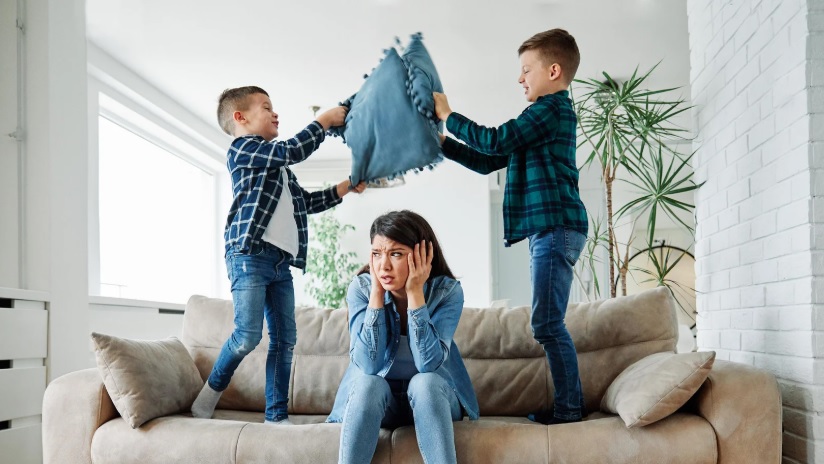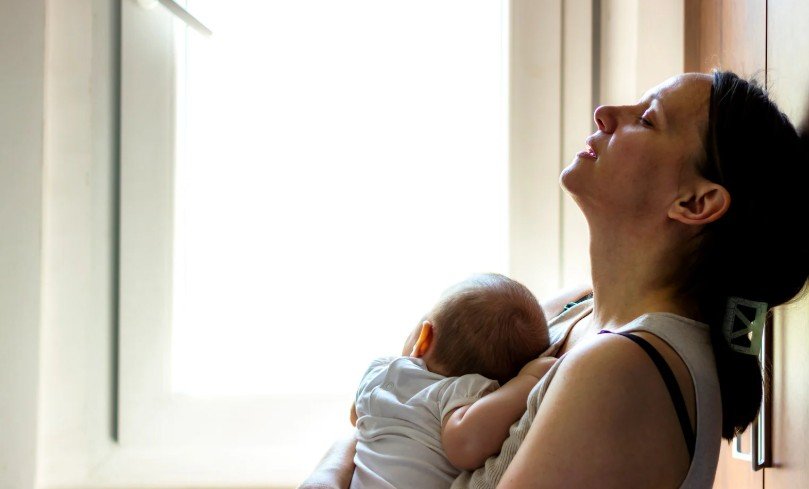
My newborn will only sleep on me”—sound familiar? Are you constantly wondering if this is normal or something you need to fix right away? If you’re nodding your head while reading this, you’re not alone. Let’s unpack why this happens and what it really means for your baby’s development.
Babies find warmth, safety, and comfort in close contact—especially with their parents. Experts like Dr. Harvey Karp, author of The Happiest Baby on the Block, explain that newborns need physical closeness to feel secure.
In this article, we’ll explore the science behind it, when to expect changes, and safe ways to help your baby sleep more independently.
But closeness isn’t the whole story—there are real strategies to ease the transition to solo sleep. Want to know the signs to look for and tips that actually work?
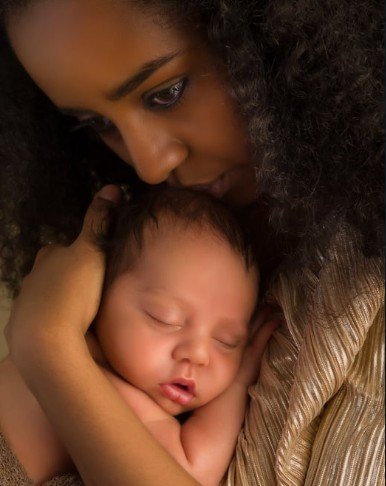
Then let’s dive into what the top pediatricians and baby sleep experts say about helping your little one snooze happily—without your chest as their mattress.
Why My Newborn Will Only Sleep on Me?
There are several reasons your newborn will only sleep on you. Firstly, newborns are naturally wired to seek warmth and comfort, which they find in your arms. This proximity mimics the safe environment of the womb, making them feel secure.
Additionally, when babies are close to their parents, they can hear the soothing sounds of the heartbeat and breathing, which can help them fall asleep more easily. If your little one is overtired, they may resist sleep unless held, leading to further frustration.
Furthermore, many newborns develop strong attachment patterns and may simply want to be close to you. The feeling of your heartbeat and the warmth of your body temperature can be incredibly soothing for an infant.
As a result, your baby may have formed a habit of needing you to fall asleep. This can become a challenge as you attempt to create a sleep routine, but it’s important to recognize that this behavior is typical for young babies.
Is it Safe for My Baby to Sleep in My Arms?
While many parents enjoy holding their newborns while they sleep, safety is paramount. Co-sleeping can present risks, such as suffocation or accidental falls, particularly if parents fall asleep in an unsafe position.
To ensure safe sleep, it’s advised to place your baby in a safe sleep space, such as a crib or bassinet, designed for infants. It’s crucial to follow safe sleep guidelines to reduce any risks associated with sleeping in your arms.
If you choose to hold your baby while they sleep, make sure to do so in a safe manner, keeping pillows and blankets away from your little one.
Additionally, try to stay awake while holding your baby to avoid any accidental risks. Understanding the importance of safe sleep can help you feel more confident about your choices and ensure a secure environment for your baby to sleep peacefully.
Pros and Cons of Letting a Baby Sleep Only When Held
Letting a baby sleep only when held is a practice that many parents experience, especially with newborns. However, like any parenting approach, it comes with both pros and cons. Here’s an overview:
Pros:
- Bonding Time:
- Holding your baby while they sleep helps strengthen the emotional bond between you and your baby. Physical closeness can enhance feelings of security and attachment.
- Comfort and Reassurance:
- Babies find comfort in the warmth, rhythm, and heartbeat of their caregivers, which can help them feel safe and calm, especially during the early weeks.
- Reduced Stress for Baby:
- Babies often feel more relaxed and at ease when they’re held, which may reduce crying and distress. The closeness may help regulate their breathing and heart rate, offering a sense of stability.
- Improved Sleep for Baby:
- Some babies may sleep more soundly when held, as they’re in a familiar and comforting environment.
- Easier to Soothe:
- Holding your baby can make it easier to calm them when they’re upset, as they are in a safe space and can feel your presence.
Cons:
- Dependency on Being Held:
- The primary downside is that the baby may become reliant on being held to fall asleep. This could lead to difficulties transitioning to independent sleep in the future.
- Exhaustion for Parents:
- Holding a baby for long periods, especially while they sleep, can be physically tiring. Parents may not get the rest or freedom they need to take care of themselves.
- Disrupted Daily Life:
- If the baby only sleeps while being held, it can limit parents’ ability to get things done around the house, take care of other children, or even sleep themselves.
- Difficulty in Sleep Training:
- Babies may find it harder to learn how to self-soothe and fall asleep on their own if they’re constantly held to sleep, potentially making sleep training more difficult later on.
- Safety Concerns:
- Parents should be mindful of sleep safety when holding a baby while they sleep. It’s important to ensure the baby is safe and secure in your arms, as accidental falls or suffocation can occur if you’re not careful.
Letting a baby sleep only when held can be a wonderful way to bond and provide comfort, especially in the early stages of life. However, it may also lead to challenges, including the potential for sleep dependencies and the physical toll it can take on parents. Finding a balance between holding the baby and encouraging independent sleep, while also ensuring the baby’s comfort, is key.
What to Do if Baby Only Sleeps When Held?
If your baby won’t sleep unless held, consider gradually transitioning them to sleep independently. Start by holding your baby until they are drowsy but not fully asleep. Then, gently place your baby down in their crib.
This method encourages them to learn baby falls asleep on their own. It can take time and patience, but consistency is key to helping your little one develop better sleep habits.
Another option is to use a baby carrier or wrap to keep your baby close while still allowing you to move around. This can provide the comfort they need while also meeting your need for hands-free time.
Additionally, you might want to consult a sleep consultant or sleep coach for personalized strategies that can assist you in helping your baby learn to sleep without being held.
Tips For Helping Your Baby Sleep Without Being Held
Helping your baby sleep without being held is a big step (and a challenge for many parents!). Here are some gentle, practical tips to guide the transition:
💤 Create a Consistent Bedtime Routine
Babies thrive on routine. Try:
- Bath → pajamas → feeding → lullaby → crib
- Keep it the same every night to signal it’s time to wind down
🌘 Start Drowsy But Awake
Put baby down when they’re almost asleep, not fully out. This helps baby to fall asleep on their own in their crib.
🛌 Use a Swaddle or Sleep Sack
If your baby is under 2 months (and not rolling), a snug swaddle mimics being held. For older babies, try a sleep sack for a cozy feel.
🔇 Set the Sleep Environment
- White noise machine to block background sounds
- Dim lighting or blackout curtains
- Cool, comfortable room temp (68–72°F / 20–22°C)
⏳ Practice Short, Frequent Crib Naps
Start with short naps in the crib during the day to get baby used to it. Even if they don’t last long, the exposure helps.
🪄 Try a Gradual Approach
If baby fusses when laid down:
- Try the “Pick Up, Put Down” method
- Comfort them briefly in the crib without picking them up
- Increase crib time bit by bit each day
🧸 Offer Comfort Items (If Age-Appropriate)
For older babies (12+ months), a small lovey or soft blanket can help your baby feel safe without being in your arms.
❤️ Respond, But Don’t Rush
It’s okay to give them a few moments to settle on their own before rushing in. Some babies fuss a little as they transition.
Baby Won’t Sleep Unless Held (FAQs)
Why Does My Baby Only Sleep on Me Still?
Your baby only sleeps on you because they feel safe, warm, and comforted by your presence, heartbeat, and smell—mimicking the womb and easing separation anxiety.
How do I get my baby to sleep without being held?
How to get your baby to sleep without being held? Establish a consistent bedtime routine, use white noise, swaddle if appropriate, lay baby down drowsy but awake, and gradually increase crib time to encourage independent sleep without being held.
How to know if my baby is ready to sleep independently?
A sleeping baby ready for independent sleep often self-soothes, falls asleep without rocking or feeding, stays asleep longer, and follows a regular sleep schedule with minimal nighttime awakenings.
Why do babies want to be held?
Babies want to be held because it provides comfort, security, and warmth. Holding calms a sleepy baby, mimics the womb, and helps regulate their breathing, heart rate, and emotions.
Is it safe to let your baby sleep in your arms?
Letting your baby sleep in your arms is safe while supervised, but it’s not recommended for unsupervised sleep due to increased risk of suffocation and poor long-term sleep habits.
What is the 3 minute rule for sleep training?
The 3-minute rule for sleep training involves waiting three minutes before responding to your baby’s cries, gradually increasing wait times to help them learn to self-soothe and fall asleep independently.
Is it okay to put your baby on back to sleep?
Yes, it’s okay and recommended to put your baby on their back to sleep. This sleep position reduces the risk of Sudden Infant Death Syndrome (SIDS) and promotes safer sleep.
How long should a baby nap?
Babies should nap 30 minutes to 2 hours, depending on age. Newborns nap frequently, while older babies take 2–3 longer naps daily to support healthy growth and development.
Why does newborn won’t sleep unless held?
Newborns prefer being held for sleep due to their need for comfort, warmth, and security. They’re also adjusting to life outside the womb and may find being held soothing and calming.
Why does my baby don’t want to sleep?
Your baby may resist sleep due to hunger, discomfort, overstimulation, or an inconsistent sleep routine. It’s important to address their needs and establish a calm, consistent sleep environment.
What to do if my baby will only sleep on me?
What to do if my newborn only wants to sleep on me? If your baby only sleeps on you, try swaddling, using a white noise machine, or gently transitioning them to a crib while holding them until they settle. Consistency helps.
How long do newborns have the Moro reflex?
Newborns typically have the Moro reflex from birth until around 4 to 6 months of age, gradually diminishing as their nervous system matures and they gain better muscle control.
Conclusion
Understanding why your newborn only sleeps on you is the first step in addressing this common issue. While co-sleeping can foster a strong bond, it’s essential to consider safe sleep practices and potential challenges that may arise. By implementing gradual strategies to encourage independent sleep, you can help your baby develop better sleep habits over time. Remember, every baby is unique, so be patient and seek support if needed. With the right approach, you can help your little one sleep peacefully, both in your arms and in their own sleep space.
Recommended posts
- Is It Safe for Newborn Sleeping on Pillow? (Expert Advice)
- Newborn Drooling a Lot: What’s Normal and When to Worry!
- Reasons Newborn Spit Bubbles While Sleeping (What to Do!)
- How to Get an Overtired Newborn to Sleep (Tested & Proven)
- Is It OK If Newborn Rolls to Side While Sleeping? Safety Tip
- How to Get Infant to Sleep in Bassinet: (7 Helpful Ways)