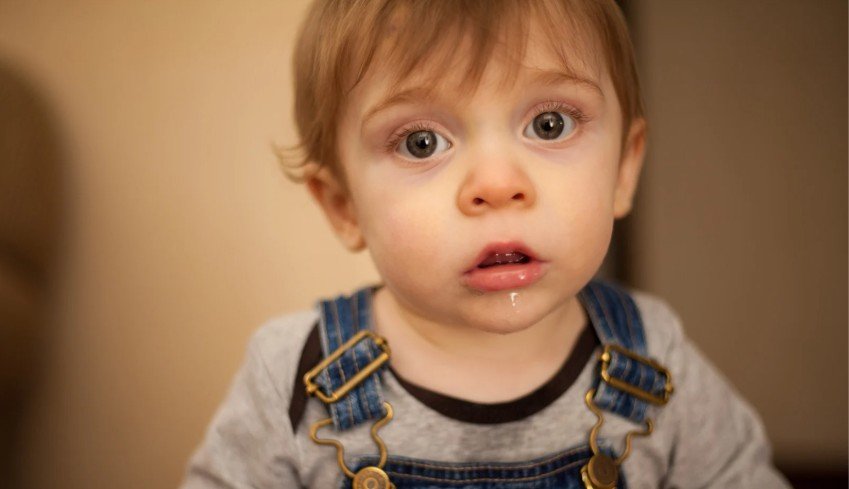
Newborn drooling a lot: what’s normal and when to worry! Have you noticed your baby’s chin constantly wet or bibs piling up in the laundry? Is all this drooling just a part of growing up, or should it raise a red flag? Let’s uncover what’s going on.
Most babies begin drooling around 2 to 3 months, and it often peaks during teething. Experts like Dr. Harvey Karp say it’s usually due to developing salivary glands and learning to swallow properly. In rare cases, it may point to oral sensory delays or reflux.
So, how do you know if your baby’s drooling is harmless or something more? We’ll break down the causes, when to consult a pediatrician, and how to manage the mess. Let’s dive into the drool zone and decode what your little one’s slobber really means.
Is Your Newborn Drooling a Lot? (Too much saliva production?)
Newborn drooling is a natural part of their development, especially as they reach around three months of age. At this stage, your baby’s salivary glands begin to produce more saliva, which can lead to increased drooling. This is typically due to the development of the digestive system and the baby’s efforts to chew and swallow.
It is essential to understand that drooling a lot is common in infants and usually doesn’t indicate any serious health issues. However, if you notice an unusual increase in saliva production, it may warrant a discussion with your pediatrician.
By around 2-3 months old, many babies start to experience increased saliva, which often accompanies the teething process. Their gums may become irritated, causing them to drool more as they attempt to soothe themselves.
Excessive baby drooling can be a normal part of this process as the body prepares for the arrival of teeth. Nevertheless, if your baby’s drooling seems excessive beyond this typical range, it may be necessary to monitor the situation closely or consult with a pediatrician for guidance.
Understanding Your Drooling Baby And Developmental Cues (What’s Normal)
As your baby develops from 3 to 6 months of age, drooling is expected to increase, especially during teething. This period often sees babies blowing bubbles and experimenting with their mouths, which adds to the drool.
The saliva produced not only helps with chewing but also plays a crucial role in their developing digestive system. Parents should remember that drooling is a common behavior and typically signifies that the baby is reaching important developmental milestones.
It’s important to note that while drooling is typically harmless, it can also serve as an indicator of other developmental cues. If your baby is drooling a lot but also shows signs of discomfort or irritability, it may be worth keeping an eye on their overall health.
Understanding these behaviors can help you differentiate between normal development and potential concerns, ensuring that your baby’s health is closely monitored during these formative months.
Can Birth Injuries Cause Excessive Drooling in Babies?
In some cases, birth injuries can lead to excessive saliva in babies. For instance, conditions like Bell’s palsy or cerebral palsy may affect the muscle control required for swallowing and managing saliva.
Infants with these conditions might struggle with drooling due to weakened or uncoordinated swallowing muscles. If you suspect that your baby’s drooling is linked to a birth injury, it is vital to consult a pediatrician for a comprehensive evaluation.
Excessive drooling resulting from birth injuries might also be associated with other symptoms that require attention. It’s crucial to observe your baby’s overall development, including their ability to chew and swallow effectively.
Early intervention and treatment can address these concerns and provide support for your child’s growth and development. Monitoring your baby’s drooling in conjunction with other developmental milestones can help you and your pediatrician identify any potential issues early on.
When Worry about Your Baby Drooling
While drooling is a common occurrence in infants, there are specific situations when parents should worry about excessive drooling.
If your baby Salivating a Lot and appears to be in distress, or if the drooling is accompanied by other concerning symptoms such as fever or difficulty feeding, it may be time to consult your pediatrician. These signs could indicate an underlying issue that needs to be addressed.
Additionally, if your baby is older than 12-15 months and continues to drool excessively, it could be a sign of developmental delays or other health concerns. In such cases, seeking professional advice can help determine whether further evaluation or treatment is necessary. Being proactive about your child’s health ensures that any potential issues are addressed early, allowing for a better outcome in their development.
Treatment for Excessive Drooling in Babies
Treatment for excessive drooling in babies largely depends on the underlying cause. If excessive drooling is linked to teething, parents can use various methods to soothe their baby’s gums, such as teething toys or gentle gum massages.
In cases where drooling stems from other health conditions, a pediatrician may recommend specific therapies to strengthen muscle control and improve swallowing abilities.
In some situations, medication may be prescribed to help manage excessive saliva production. These treatments aim to alleviate discomfort and promote better swallowing and digestive function.
Always consult with your pediatrician before starting any treatment, as they can provide tailored advice based on your baby’s individual needs and health status. Proper guidance ensures that your baby receives the best possible care as they grow and develop.
Remember: It’s common for them to investigate and comfort their gums. If this behavior continues beyond 2 years of age, consult your pediatric.
Commonly Asked Questions about why Newborn Salivating a Lot (FAQs)
Why does so much drool fall out of my baby’s mouth and onto her shirt?
Newborn Salivating a Lot because their salivary glands are developing, but they haven’t yet mastered swallow saliva. Teething also increases drooling, causing saliva to spill onto their clothes frequently.
Is your child ready to eat solid food?
Your child is ready for solid food when they can sit with support, have good head control, show interest in food, and have lost the tongue-thrust reflex—usually around 6 months.
What causes excessive drooling in infants?
Excessive drooling in infants can be caused by several factors, including teething, initiate saliva production, and the development of their saliva glands. As infants start teething, they may produce more saliva to help bathe their teeth and gums, leading to what is often referred to as a “drool fest.”
Is drooling in infants a sign of any underlying health issues?
While drooling is a normal part of infancy, it can sometimes indicate underlying health issues, especially if accompanied by other symptoms. Conditions like cerebral palsy (CP) or other neurological disorders that affect muscle tone or mouth muscles may lead to excess saliva. If you are concerned, it’s best to talk to your doctor.
At what age do infants typically start teething and drooling more?
Infants typically start teething and may experience increased drooling around the age of 6 months. However, the peak drooling phase often occurs between 18-24 months of age as more teeth come in.
How does drooling relate to brain development in infants?
Drooling can be related to brain development, as the ability to control saliva production and swallowing involves the coordination of facial muscles and neurological function. As the child develops, their brain and muscle coordination improves, leading to better control over drooling.
Can drooling lead to any complications in infants?
In some cases, excessive drooling can lead to skin irritation around the mouth and chin due to constant mouth moist. Additionally, if an infant has difficulty swallowing saliva, it may increase the risk of aspiration of saliva, which can lead to respiratory issues.
How can I manage excessive drooling in my infant?
To manage excess saliva, you can use bibs to keep the area dry, apply barrier creams to prevent skin irritation, and provide teething toys to soothe tender gums. Keeping the infant’s face clean and dry can also help minimize discomfort.
Is it normal for infants to produce saliva every day?
Yes, it is normal for infants to produce saliva every day. Saliva helps with digestion and oral health and aids in the teething process. However, excessive drooling beyond what is typical for teething may warrant a conversation with your pediatrician.
When should I be concerned about my child’s drooling?
You should be concerned if your child’s drooling is accompanied by other unusual symptoms, such as difficulty swallowing, signs of dehydration, or significant changes in behavior. If you notice these signs, it’s essential to talk to your doctor for further evaluation.
What role do salivary glands play in drooling?
Salivary glands are responsible for producing saliva, which helps with digestion and oral motor health. In infants, these glands are still maturing, and as they become more active during teething, this can result in increased saliva production and drooling.
What is a speech-language pathologist?
A speech-language pathologist is a healthcare professional who diagnoses and treats speech, language, communication, and swallowing disorders in children and adults, helping improve communication skills and overall quality of life.
Is it normal for a newborn to drool?
Yes, it is normal for a newborn to drool. According to the American Academy of Pediatrics, drooling increases as babies develop motor skills and prepare for teething, usually around 3 months.
What is the anatomy of the infant oral cavity?
The baby oral cavity includes the lips, tongue, gums, hard and soft palate, and jaw. It is small, with a high palate and a tongue that fills most of the space.
Conclusion
In conclusion, understanding baby drool and its causes is essential for new parents. While drooling is common, excessive drooling can sometimes indicate underlying issues that require attention. Monitoring your baby’s development, consulting with a pediatrician, and taking proactive steps can help ensure your child’s health and well-being. Remember that drooling is a natural part of growing up, but being informed can lead to better care and peace of mind for parents navigating this exciting stage of life.
Recommended posts
- Reasons Newborn Spit Bubbles While Sleeping (What to Do!)
- Is It Safe for Newborn Sleeping on Pillow? (Expert Advice)
- Newborn Spitting Up in Sleep: Causes, Concerns & Parent Tips
- Why My Newborn Will Only Sleep on Me: (Causes & Solutions)
- Can Infant Drink Cold Formula: (Pediatric Advice & Safety)
- Why do Newborn Sticking Tongue Out & When to Seek Help!