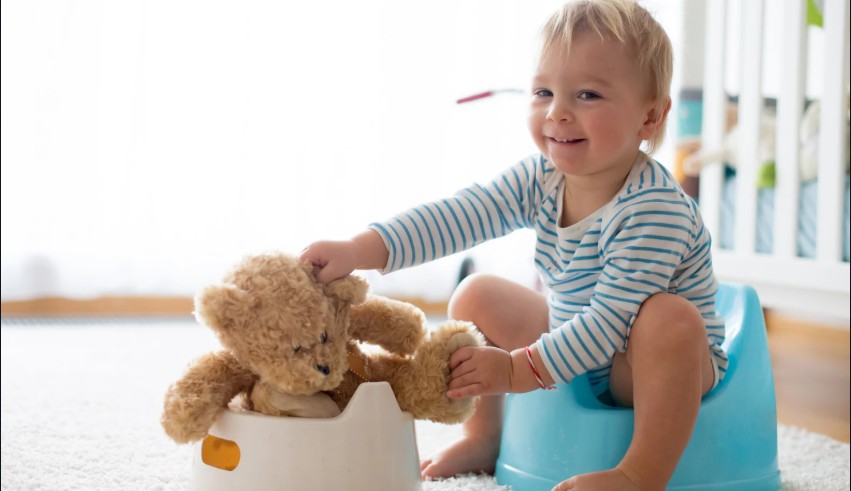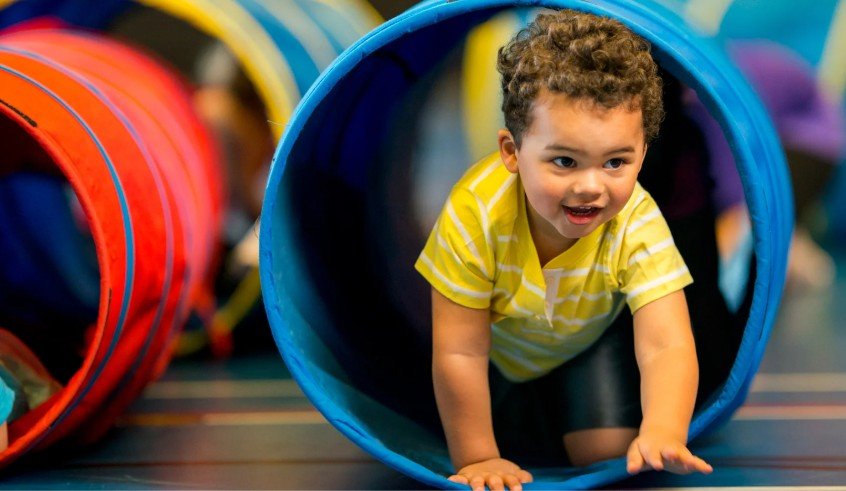
Very active toddler not talking—should you be concerned or just patient? It’s natural to wonder when your little ball of energy still hasn’t said their first real words. Is it just late blooming, or a sign of something more?
Some toddlers develop physical skills faster than speech. Experts like speech-language pathologist Laura Mize explain that high activity levels don’t always mean speech and language developmental delays, but if your child isn’t using words by 18–24 months, an evaluation can help. In many cases, early speech support leads to great progress.
We’ll dive into the possible reasons behind delayed speech in active toddlers, signs to watch for, and what professionals recommend. Ready to understand your child’s unique growth pattern better? Let’s explore what’s normal—and when to take action.
Why is Very Active Toddler Not Talking?
A very active toddler might not be talking due to a variety of reasons. One possibility is that they are so engaged in physical activities that they haven’t prioritized developing their speech and language skills.
While some toddlers may communicate through gestures or babbling, they might not feel the need to use words yet. Another reason could be that they understand everything around them but choose to express themselves differently. It’s also important to note that each child develops at their own pace, and some may take longer to start talking than others.
Additionally, if your toddler is focused on exploring their environment or engaging in play, they may not be inclined to start speaking. They might be using nonverbal communication effectively, which can sometimes lead parents to worry unnecessarily.
Many active toddlers learn new words later than their peers, and this can be perfectly normal. However, ensuring that you encourage your child to use language during playtime can help bridge this gap in their development.
Is it Normal for a 2-year-old Not to Talk at All?
It is not uncommon for a 2-year-old to not be talking yet, but it can be a sign of a potential speech delay. By 24 months, many children are expected to say at least 50 words and start combining two words together.
However, some children may still be developing their language skills and may not meet these milestones. If your 2-year-old isn’t talking yet, it’s important to observe their understanding and engagement with language. If they can follow simple instructions and seem to understand everything, this could indicate that they are just late talkers.
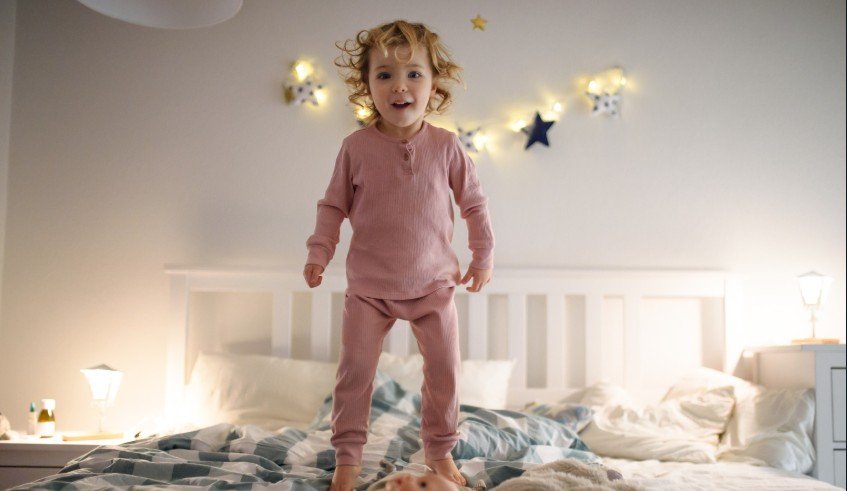
Every child is unique, and while some toddlers may not start saying words until they are 30 months old, others may begin to chatter early. The key is to monitor their overall communication skills.
If your child is active and social, they may be using gestures and expressions to communicate their needs and feelings. However, if there are concerns about your toddler’s speech and understanding, consulting a pediatrician for a speech and language evaluation can provide reassurance and guidance.
Causes of Speech Delays in 2-Year-Olds
Several factors can contribute to speech delays in 2-year-olds. One possible cause is a lack of exposure to language-rich environments. If a child isn’t frequently spoken to or engaged in conversations, they may not learn to talk as quickly.
Additionally, hearing issues can significantly impact a child’s ability to learn to talk; if a child struggles to hear sounds, they may not be able to replicate them. In some cases, developmental delays or language disorders may also play a role, requiring the support of a speech therapist.
Another cause of speech delays can be related to expressive language delays, where the child understands language but struggles to communicate verbally. This is often seen in active toddlers who may prefer to express themselves through actions rather than words.
Speech delays in 2-year-olds can be caused by a variety of factors. Some are temporary and easily resolved, while others may require early intervention. Here’s a breakdown of common causes:
🔹 Developmental Differences
- Late Bloomer: Some children are just slower to start talking but catch up without intervention.
- Family History: A parent or sibling who had delayed speech may suggest a genetic component.
🔹 Hearing Issues
- Chronic Ear Infections: Can affect how sounds are heard, making it harder to mimic and learn speech.
- Undiagnosed Hearing Loss: Even mild hearing loss can delay speech and language development.
🔹 Oral-Motor Issues
- Motor Control Problems: Difficulty coordinating tongue, lips, and jaw can affect the ability to form words.
- Tongue-tie (Ankyloglossia): A short frenulum (the tissue under the tongue) can limit tongue movement.
🔹 Developmental Disorders
- Autism Spectrum Disorder (ASD): Often involves speech and language delays, along with social and behavioral differences.
- Intellectual Disabilities: Cognitive delays can impact speech development.
- Global Developmental Delay: Delays in multiple areas including motor, social, and cognitive skills.
🔹 Environmental Factors
- Lack of Verbal Interaction: Limited exposure to conversation, storytelling, or reading can delay speech.
- Bilingual Environment: May initially slow expressive language as the child learns to navigate two languages (though this often evens out later).
🔹 Neurological Disorders
- Cerebral Palsy, Apraxia of Speech, or other neurological conditions can interfere with muscle control and speech planning.
🚩 When to Be Concerned
By age 2, most children should:
- Say at least 50 words
- Use simple 2-word phrases (e.g., “want juice”)
- Follow simple directions
- Point to things when named
If these milestones aren’t being met, it’s a good idea to consult a pediatrician or a speech-language pathologist.
How Do I Know if My Child is Just a Late Talker?
Determining whether your child is a late talker or experiencing a speech delay involves observing their overall behavior and communication skills. If your child is physically active and engages in play, they might just be taking their time to start talking.
Late talkers usually understand language well and can follow simple commands, indicating that their receptive language skills are intact. Children who gesture, point to get what they want, or use sounds to catch up to their peers may also demonstrate that they are developing communication skills in their own way. It’s also essential to consider family history; if relatives were late talkers, your child might follow a similar pattern.
If your 2-year-old is starting to say a few words but isn’t combining two words yet, they may just be on the late side of normal development. However, if there is any doubt, consulting a pediatrician for a speech and language evaluation can provide clarity and reassurance, ensuring your child receives any necessary support to thrive.
Does Your Two-Year-Old Need Speech Therapy?
Deciding whether your two-year-old needs speech therapy can be challenging. If your child isn’t talking yet and you have concerns about their speech and language development, it’s a good idea to talk to your pediatrician.
They can assess your child’s communication skills, understanding, and overall development. If there are signs of a speech delay, a speech therapist can provide targeted strategies to encourage language skills.
Indicators that your child might benefit from speech therapy include not using any words by 14 months old, not combining two words by 24 months, or having difficulty understanding simple instructions.
A speech therapist can help identify specific areas of need and work with your child to develop their expressive language skills. Early intervention is critical, and the support of a professional can significantly enhance your child’s ability to communicate effectively.
Activities to Encourage Speech and Language in Toddlers
Engaging in fun and interactive activities can significantly encourage speech and language development in toddlers. Reading together is one of the best ways to introduce new words and concepts.
Choose books with colorful pictures and simple text, allowing your child to point to images and name them. Singing songs and nursery rhymes is another effective method to promote language skills while keeping the activity lively and entertaining.
Additionally, playing with toys that encourage language, such as dolls or action figures, can provide opportunities for your child to practice using words.
Encourage them to describe their actions or the story they are creating during playtime. Incorporating everyday conversations and asking open-ended questions can also stimulate your toddler’s desire to communicate. The more you engage your child in conversation, the more they will learn to express themselves and use new words.
How To “Find a pediatric speech therapist near me.”
Finding a pediatric speech therapist can be an essential step if you have concerns about your toddler’s speech development. Start by consulting your pediatrician, who can provide recommendations based on your child’s specific needs.
Many pediatricians maintain a list of trusted local speech therapists or can refer you to a reputable clinic specializing in speech and language therapy.
Online searches can also yield results; searching for “pediatric speech therapist near me” can bring up local professionals who specialize in working with young children. Check reviews and credentials to ensure the therapist has experience in early childhood speech and language development.
Additionally, local parenting groups or forums can be a valuable source of information, as other parents may share their experiences and recommendations for speech therapists in your area.
Commonly Asked Questions about Overextension in Toddler Language (FAQs)
Why toddlers understand everything, but haven’t started talking?
Why is my 2 year old not talking but understands words? Toddlers understand everything but haven’t started talking because their receptive language (understanding) develops before expressive language (speaking). Their brains process words first, while speech requires complex muscle coordination and practice.
What are the common language milestones for a 2 year old?
By the age of 2, most children should be saying around 50 words and starting to combine 2 words to form simple sentences. If your child is not meeting these milestones, it may be a cause for concern.
My 3 year old is talking but understands very little. Is this normal?
While some children may start talking early, they might not fully grasp the meaning of words yet. However, if your 3 year old seems to struggle with understanding basic commands or vocabulary, it may be beneficial to consult a speech language pathologist.
At what age should I expect my child to say their first word?
Most children typically say their first word by the time they’re 12 months old. If your child hasn’t said their first word by this age, it could be an indication of a delay in speech and language development.
What are some possible reasons my toddler isn’t talking yet?
There can be several causes of speech and language delays, including hearing issues, developmental disorders, or simply that they are developing at a different rate. It’s important to observe their ability to understand and communicate through gestures as well.
How can I encourage my 2 year old to communicate more?
Engaging in play, reading together, and using gestures can help encourage your child to communicate. Responding to their attempts to express themselves, whether through words or gestures, can also be beneficial in developing their talking skills.
When should I worry if my child is not talking?
If your child is 2 years old and not saying any words, or if they are 3 years old and not using at least 50 words, it may be time to consult a professional. Monitoring their overall development and ability to understand language is also crucial.
Can a child who is not talking still understand what I say?
Yes, many children who are not speaking yet can still understand a lot of what is being said to them. It’s common for children to have a gap between their ability to understand and their verbal communication skills.
What should I do if I notice that my child is falling behind in language milestones?
If you notice that your child is not meeting expected speech and language milestones, it’s recommended to consult a pediatrician or a speech language pathologist for a thorough evaluation and guidance on next steps.
Are there any specific gestures I should encourage in my toddler?
Encouraging gestures such as pointing, waving, or nodding can help your child communicate their needs and wants. These gestures are important precursors to verbal communication and can indicate that your child is developing appropriately.
What is the MS CCC SLP?
The MS CCC-SLP (Master of Science, Certificate of Clinical Competence in Speech-Language Pathology) is a credentialed certification for SLPs, indicating advanced education, clinical training, and ASHA certification for professional practice.
Conclusion
In conclusion, if your very active toddler is not talking yet, it’s essential to understand the various factors that can influence their speech and language development. While some children may simply be late talkers, it is crucial to monitor their overall communication skills and developmental milestones. Engaging in stimulating activities, seeking guidance from your pediatrician, and considering speech therapy can provide the necessary support to help your child learn to communicate effectively.
By creating a language-rich environment and encouraging your child to express themselves, you can foster their speech and language development. Remember, every child develops at their own pace, and with the right support, your toddler will thrive in their communication journey.
Recommended posts
- When Do Toddlers Stop Taking Naps: (Kids & Nap Transition)
- How Long Does It Take to Potty Train a Toddler: (Timelines)
- How to Teach a Toddler to Swim: (6 Simple Skills to Learn)
- Dealing with a Self Centered Toddler: Tips That Help
- 2 Year Old Not Talking at All: Speech Delay or Just Late Bloomer?
- Potty Training Autism – Effective Tips That (Really Work)
- 10 Early Signs of Autism in 18 Month Old Baby (Must-Read)