Is your 2 year old not talking yet, and you’re starting to worry? Do they babble, point, or gesture—but still haven’t said clear words? If you’re feeling uncertain or anxious about their speech development, you’re not the only parent in this boat. What if Your two year old is not talking But Understands You?
This article explains what’s typical for a 2-year-old’s speech, what might cause delays, and what you can do to help. We’ll go over signs to watch for, tips to encourage language, and when it’s a good time to consult a speech therapist. Real advice, backed by research and expert opinions, makes it easier to understand your toddler’s needs.
Renowned speech-language pathologist Laura Mize emphasizes early detection and interaction as key factors in boosting toddler speech. So, if you’re ready to take the first step in supporting your child’s communication journey, let’s dive into what really matters.
Is it Normal for 2 Year Old Not Talking?
It’s common for parents to wonder if their 2-year-old not talking is normal. By the age of 24 months, many children typically start to say their first spoken words and may even use simple two-word phrases.
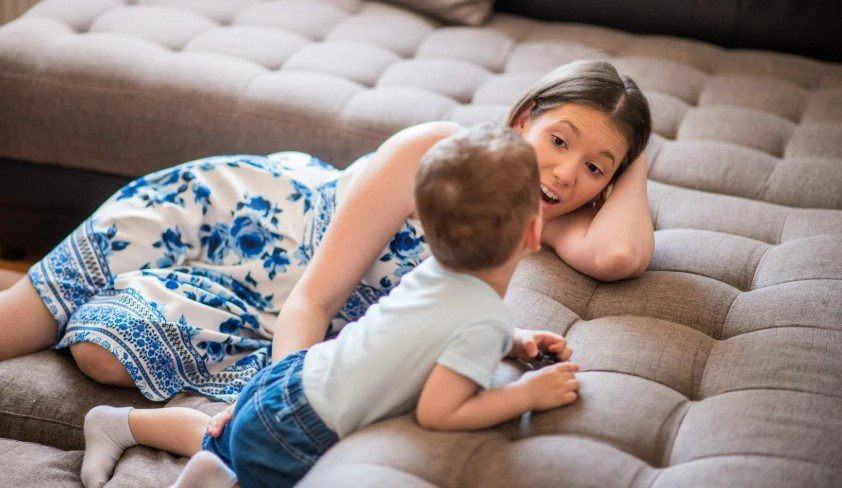
However, every child develops at their own pace, and some may still be in the babbling phase at this age. If your child seems to understand everything around them but has not yet begun to use words, they may simply be a late talker rather than experiencing a speech delay. It’s important to monitor their overall communication development and consult with a pediatrician if you have concerns.
While it’s not unusual for a toddler to exhibit varied speech patterns, parents should remain aware of their child’s milestones. A 2-year-old who is not talking yet might still be absorbing language through listening and expression.
They may babble, point, and gesture while effectively communicating their needs. Understanding the typical development trajectory can help parents differentiate between late talking and potential language delays. If the child is engaging and responsive, then they might just need a little extra time before they start using words.
Speech Milestones for Toddlers
Speech milestones are critical markers in a toddler’s communication development. By age 2, many children are expected to have a vocabulary of around 50 words and should be able to combine two words to create simple sentences.
This is a significant developmental milestone that indicates progress in both expressive and receptive language skills. Parents can encourage this process by engaging in conversations, reading books, and singing songs with their toddlers. These activities stimulate language development and help children learn to use words effectively.
Additionally, around 2.5 years old, toddlers often expand their vocabulary and may begin to use new words daily. A child who does not yet talk may be focusing on understanding language rather than expressing it.
While some children may be late talkers, it’s essential to track their progress as they approach age 3. If the child demonstrates a significant delay in reaching these speech milestones, it may be beneficial to consult a speech pathologist for a comprehensive evaluation. Early intervention can make a tremendous difference in a child’s speech and language development.
Toddler Talking is Delayed: Speech and Language Issues
If a toddler is talking late, it may indicate speech and language issues that require attention. Expressive language delay is a common concern, where a child struggles to use words effectively despite understanding them.
Signs of autism spectrum disorder should also be considered if other developmental milestones are missed. Parents might notice that their child does not engage in typical social interactions or struggles with non-verbal communication, which can accompany a speech delay.
Moreover, receptive language skills play a crucial role in overall communication development. A 2-year-old may seem to understand everything but still face challenges when it comes to expressing themselves verbally. This discrepancy can lead to frustration for both the child and their parents.
Therefore, recognizing these signs early on is essential for seeking appropriate intervention. Consulting a speech therapist can provide valuable insights into whether the delay is developmental or indicative of a more significant concern.
8 Common Reasons Some Children are Late Talkers
Many parents wonder why their toddler isn’t speaking as expected. Some children may not start to develop speech and language skills until they have turned 2. Engaging in play with your child can boost communication, but if they show difficulty understanding and using words and understand less by the time they turn 3, consider consulting an early intervention speech pathologist.
These professionals can provide guidance and strategies to help your child form word sentences and communicate effectively. Remember, everything I said is aimed at supporting your child’s growth and ensuring they reach their full potential in speaking. Here are some common reasons why some children are late talkers:
1. Family History of Late Talking
- If parents or siblings were late talkers but caught up later, it’s often a benign delay with a genetic component.
2. Hearing Problems
- Undiagnosed hearing issues (like chronic ear infections) can limit how well a child hears sounds, impacting their ability to mimic and learn speech.
3. Oral-Motor Delays
- Some children have difficulty with the physical coordination needed for speech. This could be due to low muscle tone or oral-motor planning challenges (e.g., apraxia of speech).
4. Lack of Verbal Interaction
- Children need exposure to rich language environments. Limited interaction, excessive screen time, or few opportunities to practice can slow speech development.
5. Bilingual or Multilingual Environment
- While being bilingual is not a cause of delay, children learning multiple languages may take longer to speak fluently as they’re absorbing more vocabulary.
6. Developmental Disorders
- Speech delays can be a sign of broader developmental conditions like:
- Autism Spectrum Disorder (ASD)
- Intellectual disabilities
- Global developmental delay
7. Gender
- Boys are statistically more likely to be late talkers than girls, though the difference is not extreme.
8. Prematurity
- Children born prematurely are more likely to experience delays, including in speech and language development.
Causes of Speech Delays in 2-Year-Olds
Several causes may contribute to speech delays in 2-year-olds. Hearing loss is often a significant factor; if a child cannot hear sounds properly, their ability to mimic and learn spoken language may be compromised.
Additionally, developmental disorders, including autism, can impact speech and language acquisition, affecting how children process and produce language. In such cases, early intervention becomes crucial to help the child develop speech effectively.
Moreover, physical issues such as oral-motor problems can also hinder speech development. If a child struggles with the mechanics of speech, such as moving their mouth to form words, it may result in a speech delay.
Emotional factors, including anxiety or trauma, can also affect a child’s willingness to communicate. Recognizing these causes is vital for parents seeking appropriate support and resources to aid their child’s speech and language growth.
Activities to Encourage Speech and Language in Toddlers
Engaging in specific activities could significantly promote speech and language development in your toddler. Reading books aloud is an excellent way to introduce new vocabulary and concepts.
Interactive storytelling, where parents ask questions about the story, can enhance comprehension and encourage expressive language use. Singing songs and nursery rhymes also helps children learn rhythm and sounds, making it easier for them to remember and use words.
Additionally, playing games that promote verbal interaction is beneficial. Simple games like “I Spy” or using puppets can make learning fun and engaging. Parents should also create opportunities for their children to express themselves by encouraging them to describe their feelings or experiences.
These activities not only foster language skills but also strengthen the bond between the child and parent, making communication a joyful experience.
Does Your Two-Year-Old Need Speech Therapy?
Determining if your 2-year-old toddler needs speech therapy can be challenging. If your child is not talking at all or has a limited vocabulary and does not seem to be progressing, it may be time to seek a speech and language evaluation.
A speech pathologist can assess your child’s communication skills and identify any areas of concern. They can also provide recommendations for strategies to support speech development at home.
Parents should also consider other signs that may indicate the need for therapy, such as difficulty following simple instructions, limited engagement in conversations, or frustration when trying to communicate.
If a child is showing signs of an expressive language delay or struggles with receptive language skills, early intervention can be crucial. Addressing these issues promptly can lead to better outcomes in speech and language development, ensuring the child has the necessary skills to communicate effectively.
Find the right speech therapist for your child
Finding the right speech therapist for your child is an essential step in addressing speech delays. It’s crucial to look for a qualified speech-language pathologist who specializes in working with toddlers and understands the unique challenges associated with early language development.
Parents should seek recommendations from their pediatrician or local support groups and consider therapists who have a good rapport with children.
Additionally, when evaluating potential therapists, consider their approach and philosophy. A therapist who uses play-based techniques may be more engaging for young children, making the sessions enjoyable and effective.
It’s important to ensure that the therapist communicates openly with parents, providing regular updates on progress and strategies for continued support at home. Finding the right fit can make a significant difference in your child’s speech and language journey.
Commonly Asked Questions about Toddler Speech or Language Delays (FAQs)
Why toddlers understand everything, but haven’t started talking
Toddlers understand words before speaking due to faster receptive language development. If your 2-year-old is babbling but not talking, encourage communication—most catch up by the age of 3 years old.
At what age should children say their first words?
Children typically say their first words and sentences around 12 months, with simple phrases by 18-24 months. Early talkers may start at 9-10 months. Consistency and interaction boost language development.
Why is my 2-year-old babbling and not talking?
At 2 years old, babbling is normal as children explore sounds. Language development varies; some kids talk later. Encourage communication through reading and talking to support their language skills.
What should I do if my 2-year-old is not talking yet?
If your 2 year old not talking but understands, it is essential to monitor their speech development. Encourage your child to communicate by playing with them and reading books together. If you have concerns, consider consulting a pediatrician or a speech therapist to assess their speech and language skills.
What are the typical speech and language milestones for a 2-year-old?
By the age of 2, a toddler should be able to say about 50 words and may begin combining two words into simple phrases. They should also be babbling a lot and making various speech sounds. However, every child is different, and some may be late bloomers.
How can I tell if my toddler might have a speech delay?
If your 2-year-old isn’t talking yet or is only babbling but not speaking yet, it might be a sign of a speech delay. Look for other signs such as difficulty understanding words, not making sounds, or not responding to verbal cues. An evaluation by a professional can help determine if there are any developmental delays.
Is it normal for a 2-year-old to be babbling but not talking?
Is it normal for 2 year old to not talk but babbling? Yes, many toddlers are babbling a lot but may not yet be speaking full sentences or words at 2. This can be a normal part of speech development, as each child progresses at their own pace.
When should I be concerned if my 2-year-old isn’t talking?
If your toddler is 2 years old and isn’t talking or showing significant delays in speech and language milestones, it’s advisable to consult a healthcare professional. They can assess your child’s development and determine if further evaluation is needed.
How can I help my child’s speech development?
To support your child’s speech development, engage in interactive play, read regularly, and encourage your toddler to express themselves. Repetition, singing, and using simple words can also help improve their speech skills.
Should I have my toddler’s hearing checked if they aren’t talking?
Yes, if your toddler is not talking or showing signs of delayed speech, it is a good idea to have their hearing checked. Hearing issues can significantly impact speech and language development.
What if my 2-year-old is speaking in full sentences already?
My son is 2 years and 8 months old but still not talk, If your 2-year-old has begun talking and is speaking in full sentences, it is a positive indicator of healthy speech and language development. Continue to encourage and engage with them to foster their skills further.
Are there different reasons why a 2-year-old might not be talking?
Yes, there can be various reasons for a 2 year old not talking, including individual differences in development, lack of exposure to language, or potential speech and language disorders. Understanding your child’s unique situation is essential.
Conclusion
In conclusion, if your 2 year old not talking yet, it’s essential to understand whether they are simply a late bloomer or if there may be underlying speech and language issues. Monitoring speech milestones and recognizing potential signs of delays can aid in determining the need for intervention. Engaging in activities that promote communication and seeking professional help when necessary can significantly enhance your child’s speech development. Remember that every child is unique, and with the right support and resources, they can thrive in their language journey.
You might also like
- How to Get Toddler to Talk and Communicate (Proven Tips)
- Why is My Very Active Toddler Not Talking: When to Worry?
- How to Get Toddler to Stay in Bed at Night: (9 Proven Ways)
- The Complete Fifteen Month Milestones Checklist & Red Flags