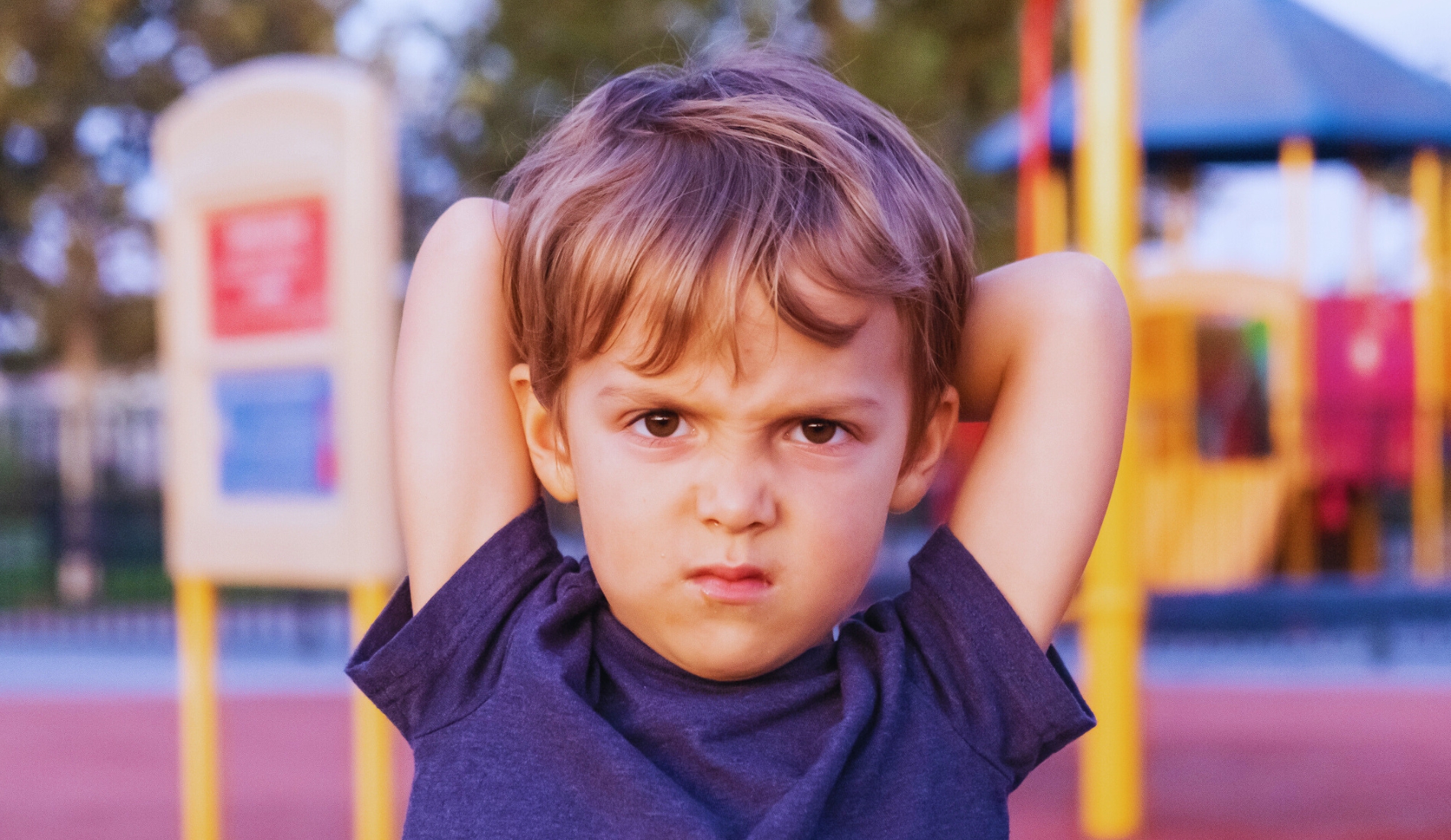
Does your toddler suddenly lash out and hit you, leaving you confused or even hurt? You’re not alone—many parents ask, “Why does my toddler hit me?” It’s not always about anger or aggression; sometimes, it’s their way of expressing big feelings they can’t yet explain.
Toddlers may hit out of frustration, overstimulation, or simply because they’re testing limits. According to child behavior experts like Dr. Laura Markham, this phase is developmentally normal but still needs clear boundaries and guidance. This article explains why it happens and how to respond to hitting calmly and effectively.
But don’t worry—there are proven strategies to manage this behavior and help your child learn better ways to cope. Want to understand what your toddler is really trying to tell you with their hands? Let’s unpack the real reasons behind toddler hitting and what you can do about it.
Why Does My Toddler Hit Me in the Face?
When a toddler hits in the face, it might seem alarming and hurtful. Young children often hit as a way to express their emotions, particularly when they are unable to articulate their feelings verbally.
A 2.5-year-old may be overwhelmed with frustration or anger, and hitting becomes a means of communication. They may not fully comprehend the consequences of their actions, which can make this behavior appear even more concerning.
It’s crucial to remember that toddlers are still learning about boundaries and acceptable ways to express their feelings. Calmly addressing the behavior while reinforcing the message that “we don’t hit” can help them understand the inappropriateness of hitting.
As toddlers navigate their emotional landscape, they may resort to hitting when they feel overwhelmed. This is often a reaction to stimuli that they cannot process adequately. For example, if they are denied a toy or experience a tantrum, they might hit as a way to express their frustration.
The act of hitting can be impulsive, driven by the immediate need to convey discomfort or anger. Parents should strive to remain calm and use this opportunity to teach their child about appropriate expressions of anger, emphasizing that hitting is not a solution. Over time, with patience and consistent reinforcement of boundaries, your child can learn healthier outlets for their emotions.
Understanding Toddler Aggression
Toddler aggression is often misinterpreted as deliberate hostility; however, it is usually a developmental phase. Young children, including those around the age of two, are exploring their environment and testing boundaries.
They do not yet have the verbal skills to express their frustrations, which can lead to physical responses like hitting. This behavior can also stem from a desire to gain attention or assert independence.
As parents, understanding that this aggression is a part of their developmental journey can help you respond with empathy rather than frustration.
It’s important to recognize that toddlers often hit not out of malice but from a place of confusion or emotional distress. During this stage, they are learning to navigate complex feelings and social interactions.
By observing the triggers that lead to aggressive behaviors, parents can better prepare to intervene. For instance, if a child tends to hit during playtime with peers, this could indicate a need for guidance on sharing and taking turns. Addressing these underlying issues can significantly reduce incidents of hitting and promote healthier interactions with others.
8 Common Reasons Toddlers Hit One Parent More
In many households, it is common for toddlers to direct their hitting behavior towards one specific parent. Here are some common reasons why toddlers may hit one parent more than the other:
1. Attachment and Preference
- Toddlers often form strong attachments to one parent, leading them to express emotions more freely with that parent.
2. Testing Boundaries
- Children may hit to test limits and see how their parent reacts, especially if they feel safe with them.
3. Frustration and Anger
- If a toddler feels frustrated and lacks the words to express it, they may resort to hitting as a way to communicate.
4. Seeking Attention
- Hitting can be a way for toddlers to gain attention, even if it’s negative. They may feel that it gets a quicker response.
5. Imitating Behavior
- Toddlers often mimic behaviors they see, whether from siblings, peers, or media. If they observe hitting, they may replicate it.
6. Emotional Regulation
- Young children are still learning to manage their emotions. They may hit when they feel overwhelmed or unable to cope.
7. Change in Routine
- Changes such as a new sibling, moving, or a change in schedule can lead to feelings of insecurity, prompting hitting as a response.
8. Parental Reactions
- If one parent reacts more strongly to hitting, the toddler might hit them more to elicit that response.
Understanding these reasons can help parents address the behavior constructively and foster healthier communication.
What to Do When Your Toddler Hits You?
How to stop a toddler from hitting? When a toddler hits, it is crucial to respond immediately and calmly. Begin by setting firm boundaries with clear phrases like “hitting is not okay.” This immediate response helps the child understand that their behavior is unacceptable.
Following a hit, take a moment to breathe and regain your composure before addressing the incident. This teaches your child the importance of self-regulation, and it models calm behavior during stressful situations.
Offering a hug after addressing the behavior can provide emotional reassurance while reinforcing your bond. Additionally, utilizing time-outs or redirection can be effective strategies for managing hitting.
When a child hits, calmly removing them from the situation can give them time to reflect on their actions. This temporary separation allows both the parent and child to regain composure.
After the time-out, engage in a conversation about feelings, prompting the child to express their emotions verbally. This encourages emotional regulation and show your child them that communication is a healthier outlet than hitting. Over time, consistent responses can reduce instances of aggression.
The Role of Emotional Regulation
Emotional regulation is a critical skill that toddlers must develop as they navigate their feelings. Young children often struggle to manage their emotions, leading to impulsive behaviors like hitting.
Teaching kids about their emotions, such as when they feel angry or frustrated, empowers them to express those feelings without resorting to violence.
Parents can help their children by modeling emotional regulation techniques, such as taking a deep breath or using words to express feelings. The more children learn about their emotions, the less likely they are to hit.
Incorporating activities that promote emotional intelligence can significantly enhance a toddler’s ability to regulate their feelings. Reading books about emotions and discussing characters’ feelings can provide a framework for children to understand their own emotional responses.
Parents might also engage in role-playing scenarios where the child practices expressing their feelings verbally instead of through physical actions. Over time, these practices can reinforce a child’s understanding of emotional regulation, making them less likely to hit when faced with frustration or disappointment.
Addressing the Behavior: Strategies for Both Parents
Addressing a toddler’s hitting requires a unified approach from both parents. Consistency in responses is vital; when one parent disciplines for hitting while the other allows it, it creates confusion for the child.
Both parents must communicate their boundaries clearly and agree on the consequences for hitting. Consistent reinforcement of the message that “we don’t hit” helps build understanding and respect for boundaries in young children. Collaborative approaches to discipline, like time-outs or calm discussions, can be more effective when both parents are on the same page.
Additionally, it’s important for parents to engage in positive reinforcement when the child displays appropriate behavior. Praising your child when they express their feelings verbally or resolve conflicts peacefully reinforces those positive behaviors.
This can be done through verbal praise or even small rewards, which help children understand the benefits of non-aggressive interactions. By focusing on positive behaviors instead of solely on the hitting, parents can create a nurturing environment that encourages emotional growth and understanding.
Commonly Asked Questions about Toddler Hitting and biting Behavior (FAQs)
Why do kids hit or bite?
Kids hit or bite due to frustration, lack of communication skills, or seeking attention. Teach them gentle ways to express emotions and reinforce positive behavior.
At what age does hitting or biting happen?
Toddler hitting or biting most often happens between ages 1 and 3, as they struggle with big emotions and limited communication skills. Teach gentle alternatives and stay consistent with boundaries.
Should you make kids apologize for hitting or biting?
Yes, teach kids to apologize for hitting or biting—but focus on helping them understand the impact of their actions rather than forcing empty words. Model empathy and guide them to stops hitting.
Why does my toddler hit me when they’re angry?
Why is my toddler hitting me? Toddlers often hit as a way to express their feelings, especially when they are unable to articulate their emotions. When a two-year-old feels overwhelmed or upset, they may resort to hitting because they don’t yet know how to communicate effectively.
How should I respond when my toddler hits?
When your toddler hits, it’s crucial to remain calm. You can say “we don’t hit people” and explain that hitting hurts. Redirect them to a different activity or encourage them to express their feelings verbally instead of hitting.
Can punishment help stop my toddler from hitting?
While punishment like time outs can be effective in the short period, they should be used carefully. Instead of using physical punishment or spanking, focus on teaching your toddler healthier ways to cope with their emotions. This approach supports healthy development and helps them learn the lesson well.
Is hitting a normal phase for toddlers?
Yes, many toddlers go through a hitting phase, especially around the age of two and a half years. This behavior often stems from frustration or the inability to express themselves. With appropriate guidance and supervision, they can learn that hitting is not an acceptable way to communicate.
How can I teach my toddler to express their feelings instead of hitting?
Encouraging your toddler to use words when they feel upset can be helpful. Teach them phrases like “I’m angry” or “I need help.” Role-playing scenarios can also provide practice. Always reinforce that hitting is not a solution and help them find better ways to express their emotions.
What should I do if my toddler hits other children?
If your toddler hits another child, intervene immediately and separate them. Explain that hitting hurts and is not acceptable behavior. Help them apologize, and encourage them to find a way to play appropriately. Supervision during playtime can also prevent hitting incidents.
How often should I talk to my toddler about hitting?
It’s beneficial to have regular discussions with your toddler about hitting and appropriate behavior. Reinforce this lesson during calm moments, not just after hitting occurs. Repetition helps them understand the importance of not using physical force to get what they want.
What if my toddler continues to hit despite my efforts?
If your toddler continues to hit, consider consulting with a child psychologist or educator for additional strategies. They can help you identify underlying issues such as ADHD or other developmental concerns that may be contributing to the behavior. It’s important to take time and be patient as your child learns.
Should I feel ashamed if my toddler hits me?
No, you should not feel ashamed. Many caregivers experience this behavior as part of toddler development. It’s important to recognize that hitting is a phase and not a reflection of your parenting. Focus on teaching and guiding your child towards better behavior instead of feeling guilty.
Conclusion
In conclusion, understanding why toddlers hit and how to address this behavior is crucial for effective parenting. By recognizing the developmental reasons behind hitting, parents can approach the situation with empathy and a plan. Strategies such as setting clear boundaries, modeling emotional regulation, and consistently addressing hitting can significantly reduce this challenging behavior. Remember, this phase is temporary, and with patience, love, and guidance, you can help your toddler learn healthier ways to express their feelings. Building a strong relationship with your child during this phase will pave the way for more positive interactions in the future.
You might also like
- When Do Babies Start Understanding Discipline?
- Real Examples of Positive Discipline for Parents & Teacher
- How to Teach a Toddler to Blow Their Nose: Fun & Simple Tips
- How to Stop Toddler from Screaming (7 Effective Ways)
- What to Do When Toddler Hits You: Smart Discipline Tips