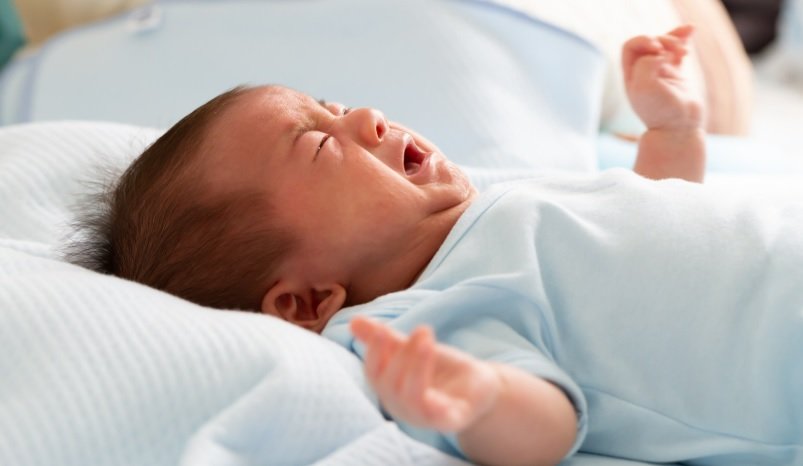
Why do newborns cry in their sleep, even when everything seems perfectly fine? Is it a sign of discomfort, or just part of their development? As a parent, hearing your baby cry while asleep can be confusing and even alarming. So, what’s really going on during those tiny midnight tears?
Newborns cry in their sleep due to natural causes like active sleep cycles, brain development, and reflexes. Pediatricians like Dr. Harvey Karp explain that crying during REM sleep is common and usually not a cause for concern. This article explores the stages of infant sleep, possible discomforts, and what parents can do to soothe their little one.
But that’s just scratching the surface. Sleep patterns in babies are complex and ever-changing. Curious to learn what your baby’s sleep cry might really mean and how you can help them rest better? Let’s dive into the fascinating science behind those sleepy sobs.
Baby Crying in Sleep But Not Awake?
When a newborn crying in sleep but remains asleep, it can be puzzling for parents. This phenomenon often occurs during the transition between sleep cycles, particularly when babies are in light sleep or active sleep phases.
During these stages, a newborn may whimper or cry without waking fully, leading to confusion about whether they are having a bad dream or simply responding to natural sleep patterns.
Many babies experience this, so it’s important to remember that occasional crying during sleep is quite normal. Understanding this can help parents remain calm and not disrupt their baby’s sleep unnecessarily.
Moreover, the sleep cycles of newborns are different from older babies and adults. Newborns typically spend a significant amount of time in REM sleep, which is a lighter sleep phase where dreaming occurs. This period may cause some babies to cry or make noises as they process their experiences.
It’s crucial for parents to recognize that these cries are not always a sign of distress but rather a part of their baby’s development. By observing and learning about these sleep patterns, parents can better support their babies’ sleep needs and maintain a healthy sleep environment.
Why Do Newborns Cry in Their Sleep Suddenly?
Newborns cry in their sleep for several reasons, primarily linked to their developing sleep patterns and needs. One significant factor is that babies are still learning to regulate their sleep cycles and may become fussy or cry as they transition between different stages of sleep.
During these transitions, a baby may become momentarily unsettled, leading to crying or whimpering. Parents should understand that this is a natural part of baby sleep and typically not a cause for alarm. It’s essential to allow your baby to settle back into a deeper sleep on their own.
Additionally, physical discomfort such as gas, hunger, or the need for a diaper change can also cause a newborn to cry during sleep. These physical needs can arise quickly and may disrupt the baby’s sleep cycle. It’s vital for parents to ensure a comfortable sleep environment, as discomfort can lead to restless sleep and crying.
Monitoring your baby’s needs before bedtime can help minimize interruptions, allowing for a better night’s sleep for everyone involved. By addressing these needs proactively, parents can encourage a smoother sleep experience for their infants.
The 3 Most Common Reasons Why Babies Cry in Their Sleep
Here are 3 common reasons why newborns cry in their sleep — along with quick fixes to help soothe your baby:
1. Dreaming or Light Sleep Cycles
Reason: Newborns have shorter, lighter sleep cycles than adults. During REM sleep, they may twitch, grunt, or cry briefly — it doesn’t always mean they’re fully awake or distressed.
Quick Fix:
➡️ Wait a few moments spending more time with your Baby. Don’t rush in immediately — give them a chance to self-soothe and settle on their own. If the crying continues or escalates, check on them gently.
2. Hunger or Growth Spurts
Reason: Babies grow fast, and their tiny stomachs empty quickly. A sudden increase in crying during sleep might be due to hunger or a growth spurt.
Quick Fix:
➡️ Offer a feeding. If it’s been 2-3 hours (or more), your baby might just need a top-up. Responsive feeding can help during growth spurts, which usually last a few days.
3. Gas or Digestive Discomfort
Reason: Newborns often struggle with gas, reflux, or an immature digestive system. Crying in sleep can be a sign of belly discomfort.
Quick Fix:
➡️ Burp well after feeding. Try gentle tummy massages or bicycling their legs. If reflux is a frequent issue, holding them upright after feeds may help.
When Will My Baby Stop Crying at Night?
The timeline for when babies stop crying at night varies greatly from child to child. Typically, by around 6 months of age, many babies begin to mature in their sleep patterns, which can reduce nighttime crying significantly.
As they grow, they develop better sleep habits and learn to self-soothe, which means they may wake up but won’t necessarily cry out. However, it’s important to note that sleep regressions can occur, especially around developmental milestones or changes in routine, which may temporarily increase nighttime crying.
Parents should keep in mind that each baby develops at their own pace. While some may start sleeping through the night earlier, others may take longer. Consistency in bedtime routines and sleep training can be beneficial in encouraging healthy sleep patterns.
By around 18 months, most babies will have established more stable sleep habits, resulting in less crying at night. It’s also helpful to remain patient and understanding during this period, as changes in sleep can be a normal part of infant development.
What Should I Do If My Baby Cries in Their Sleep?
If your newborn cries in sleep, the first step is to observe rather than immediately intervene. Many babies will cry briefly during sleep and can often settle back down on their own.
However, if the crying persists for more than a few minutes, it may indicate that they need assistance. Gently checking on your baby can help to assess their needs without fully waking them. Ensure that they are comfortable, check for hunger, or a wet diaper, and gently soothe them if needed.
Creating a soothing bedtime environment can also reduce the likelihood of nighttime crying. Dim lighting, white noise, and a consistent sleep routine can help your baby feel secure and promote better sleep.
If your baby continues to cry frequently during sleep, it may also be worth considering sleep training techniques that encourage self-soothing. Ultimately, being responsive to your baby’s needs while promoting a healthy sleep environment can help minimize nighttime crying.
How to Soothe a Fussy Baby at Night?
Soothe a fussy baby at night by establishing a calming bedtime routine that prepares them for sleep. This might include activities such as a warm bath, gentle rocking, or reading a soothing story.
These activities signal to your baby that it’s time to wind down and can help them transition more smoothly into sleep. Additionally, creating a conducive sleep environment with dim lighting and a comfortable sleep sack can promote relaxation and reduce fussiness.
Another effective technique is to practice gentle shushing or patting when your baby is crying. This can provide reassurance and help them feel secure. Swaddling can also be helpful for crying in sleep newborn, as it mimics the comfort of being in the womb.
Remember that consistency is key; repeating the same soothing techniques each night can help your baby learn to associate these actions with sleep, ultimately leading to a more peaceful night for both the parent and the baby.
How to Help a Crying Baby Fall Asleep?
Helping a crying baby fall asleep involves a few key strategies that focus on comfort and reassurance. First, ensure that your baby’s sleep environment is optimal. This includes checking the room temperature, using blackout curtains, and playing gentle white noise to block out disruptive sounds.
A calm atmosphere can greatly influence your baby’s ability to settle down. Additionally, practicing a consistent bedtime routine can help signal to your baby that it’s time to sleep, aiding in a smoother transition.
When your baby is crying, try to respond with gentle movements, such as rocking or swaying them in your arms. This motion can mimic the soothing sensations they experienced in the womb, making it easier for them to relax.
If they continue to cry, consider offering a pacifier, as sucking can be calming for many babies. Ultimately, a combination of a safe sleep environment and nurturing interaction can significantly help your baby fall back to sleep without undue stress.
Crying During Sleep vs Waking Up and Crying
Understanding the difference between a baby crying during sleep versus waking up and crying is essential for parents. When a baby cries during sleep, they are often in a light sleep phase and may not fully awaken.
These cries can be brief and may settle down on their own as they transition back into deeper sleep. In contrast, when a baby wakes up crying, it often signifies a need for attention, whether it be hunger, discomfort, or a desire for comfort. Recognizing these distinctions can help parents respond appropriately to their baby’s needs.
For instance, if a baby is merely crying in their sleep, parents may choose to let them be for a short period to see if they can settle back down independently.
However, if a baby wakes up crying, it’s typically best to check on them to determine the cause of their distress. By observing their behavior, parents can learn to distinguish between these situations over time, allowing for more effective responses that cater to their baby’s needs.
When to Contact Your Pediatrician About Baby Crying at Night
While occasional crying during sleep is normal, there are certain situations when you should consider contacting your pediatrician. If your baby cries consistently every night and appears distressed, it may be a sign of an underlying issue that requires professional attention.
Additionally, if your baby shows other concerning symptoms such as fever, difficulty breathing, or persistent fussiness during the day, it’s important to seek medical advice. These signs can indicate that there may be a more serious problem affecting their sleep.
Another reason to reach out to your pediatrician is if you notice a sudden change in your baby’s sleep patterns. If your previously peaceful sleeper becomes a crying baby at night without any clear reason, it’s worth discussing with a healthcare professional.
They can provide insights into potential causes, such as developmental milestones or sleep regressions, and offer guidance on how to manage the situation effectively. Being proactive about your baby’s sleep health is crucial for their well-being.
Commonly Asked Questions about Reasons of Newborn Crying in Sleep (FAQs)
What are normal sleep patterns by age?
Newborns sleep 14–17 hrs, infants 12–15 hrs, toddlers 11–14 hrs, preschoolers 10–13 hrs, school kids 9–12 hrs, teens 8–10 hrs. Naps decrease with age.
How to Calm Babies Who Cry in Their Sleep?
To calm babies who cry out in their sleep, gently soothe them with soft pats, a pacifier, or white noise. Avoid overstimulation—check if they’re hungry, wet, or too hot. Keep responses calm and brief.
Can babies have nightmares or night terrors?
Babies don’t have nightmares but may experience night terrors —sudden, fearful awakenings. These are harmless and differ from dreams. Comfort them gently and ensure a safe sleep environment.
How babies sleep?
Babies sleep in short cycles (50–60 mins), waking often. Newborns sleep 14–17 hrs/day, while older infants sleep 12–15 hrs with naps. Light sleep is common, so brief awakenings are normal.
Is a baby crying in their sleep something to worry about?
Babies may cry in their sleep due to dreams, discomfort, or transitions between sleep cycles. Brief fussing is normal and rarely disrupts their sleep long-term. Check for hunger, wetness, or illness if crying persists.
How You Can Help Your Baby (And Yourself!)
To help your baby (and yourself!) when they sometimes cry in their sleep, soothe them gently with a pat or shush—they’ll often go back to sleep. Keep lights low and avoid overstimulating them for quicker settling.
Why does my newborn cry in her sleep?
Newborns cry in their sleep due to light sleep cycles, reflexes, or minor discomforts (gas, hunger). Brief fussing is normal—gentle soothing helps them settle without fully waking. Check for needs if crying persists.
Conclusion
Understanding why do newborns cry in their sleep is fundamental for new parents navigating the complexities of baby sleep. By recognizing common reasons your baby crying in Sleep, such as transitions in sleep cycles, discomfort, and the occasional nightmares, parents can respond more effectively to their baby’s needs. Establishing a soothing sleep environment and consistent bedtime routine can significantly enhance the quality of baby sleep, allowing for a more peaceful night for everyone involved. Remember that if concerns persist or if there are notable changes in your baby’s sleep patterns, consulting with a pediatrician is always a wise choice. Ultimately, with patience and proper techniques, parents can help their babies sleep soundly and comfortably.
Recommended posts
- How to Wake Up Newborn Baby from Deep Sleep (Gentle Ways)
- How to Get an Overtired Newborn to Sleep (Tested & Proven)
- Newborn Fighting Sleep? Tips to Help Your Baby Rest Better
- Why Does My Newborn Make Noises While Sleeping: Comfort Tips
- 7 Hidden Reasons Newborn Refuses to Sleep & Quick Fix
- How to Get Toddler to Sleep in Own Bed: (7 Effective Tips)
- Causes of Toddler Wakes Up Multiple Times a Night Crying (Help)
- Toddler Suddenly Fighting Bedtime? Here’s What You Need to Know