
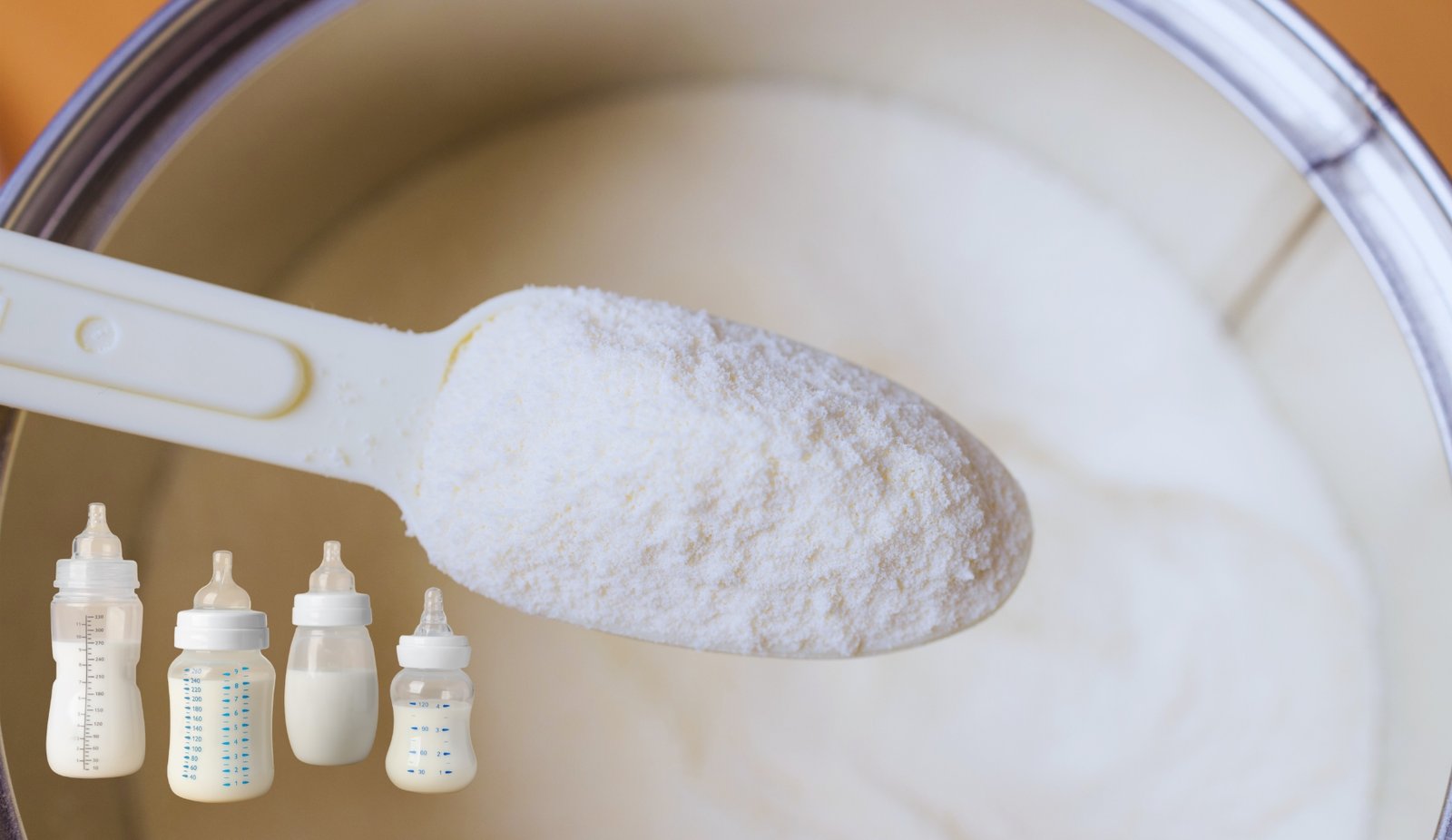
When was infant formula invented, and how did it become such a vital part of modern childcare? Many parents today rely on formula, but few know the fascinating history behind its creation. From early homemade mixtures to scientifically balanced nutrition, the story of infant formula reveals how feeding infants has evolved over centuries.
The first commercial infant formula was invented in 1865 by German chemist Justus von Liebig. His formula combined cow’s milk, wheat flour, malt flour, and potassium bicarbonate—marking the world’s first scientifically developed breast milk substitute.
This article explores how formula has advanced since then, from basic recipes to today’s highly regulated, nutrient-rich products designed to support healthy infant growth.
Dr. Steven Abrams, a pediatric nutrition specialist at the University of Texas, notes that “modern infant formula is one of the most carefully researched and regulated foods on the planet.” Want to know how we got here and what changes shaped today’s baby nutrition?
Keep reading as we uncover the milestones, innovations, and experts who transformed infant feeding forever.
When Was Infant Formula Invented? A Social History of Infant Feeding
The origins of infant feeding practices are as old as humanity itself. For millennia, breastfeeding was the primary and most natural method of nourishing newborns. However, societal, cultural, and biological challenges often made it difficult for some mothers to breastfeed. These challenges prompted early civilizations to find alternatives to maternal milk long before the concept of “infant formula” existed.
The earliest records from ancient Egypt, Greece, and Rome reveal that wet nursing—having another woman breastfeed a child—was common among upper-class families. In cases where a wet nurse was unavailable, caregivers attempted crude substitutes, such as animal milk from goats, sheep, or cows. This milk was often diluted or sweetened to make it more palatable and digestible for infants.
However, these substitutes were far from ideal. They often spoiled quickly, contained harmful bacteria, and lacked essential nutrients found in human milk. As a result, infant mortality rates were alarmingly high during periods when breastfeeding was not possible. The pressing need for a safer, more dependable feeding option led scientists and physicians in the 19th century to explore chemical and nutritional formulations that could mimic the properties of human breast milk.
The first notable milestone came in 1865, when Justus von Liebig, a German chemist, created the first commercial infant formula. Liebig’s formula, made from cow’s milk, wheat flour, malt flour, and potassium bicarbonate, was sold as a powder that could be mixed with water. This invention marked the dawn of modern infant nutrition and the answer to “When Was Infant Formula Invented.” Though primitive by today’s standards, it represented a groundbreaking advancement in infant care.
Understanding the Role of Wet Nurses
Before the invention of commercial formula, wet nurses played an essential role in infant feeding. In pre-industrial societies, breastfeeding was not only a biological act but also a social one. Mothers from affluent families often hired wet nurses to feed their infants, allowing them to maintain social obligations, avoid physical strain, or preserve their appearance—factors heavily influenced by social class and gender expectations.
During the 18th and 19th centuries, wet nursing became a regulated profession in parts of Europe. Cities like Paris even established official agencies to match families with healthy wet nurses. However, the practice was not without controversy. Many moralists and physicians criticized wet nursing, arguing it deprived mothers of emotional bonding with their children and often led to exploitation of lower-class women.
Furthermore, the health risks associated with wet nursing were significant. There were no standardized health checks, and many wet nurses suffered from malnutrition or infectious diseases, which could be transmitted to infants. The inconsistent quality of care and rising infant mortality rates pushed physicians and scientists to search for a more controlled, hygienic alternative.
The decline of wet nursing coincided with the rise of industrialization and advances in nutritional chemistry. As women increasingly joined the workforce and urban living became more prevalent, the demand for a shelf-stable, easily prepared infant food increased—setting the stage for the birth of infant formula as we know it today.
The Search for a Breast Milk Substitute
The late 19th and early 20th centuries marked a period of intense scientific exploration in the quest to replicate human milk. Chemists and physicians sought to understand the nutritional composition of breast milk, particularly its balance of proteins, fats, carbohydrates, vitamins, and minerals.
One of the major challenges was digestibility. Cow’s milk, while accessible, contains higher protein levels and different fat structures than human milk, making it harder for infants to process. Early formulas tried to solve this by diluting cow’s milk with water and adding sugar or cream to approximate the nutrient profile of breast milk.
In 1869, Nestlé introduced “Farine Lactée,” a mixture of cow’s milk, wheat flour, and sugar. Unlike Liebig’s formula, Nestlé’s product was marketed globally and quickly gained popularity due to its ease of preparation. This marked the beginning of the commercial infant formula industry.
By the early 20th century, nutritional science had progressed enough to allow for more precise formulations. Researchers began identifying specific vitamins and minerals essential for infant growth, such as vitamin D to prevent rickets and iron to prevent anemia. Each discovery brought formula closer to the complex nutritional makeup of human milk.
However, formula feeding was still largely seen as a secondary option, recommended only when breastfeeding was impossible. The medical community continued to stress the superiority of breast milk, but formula was increasingly recognized as a valuable and life-saving alternative for mothers who could not nurse.
Big Breakthrough: Evaporated Milk
A major turning point in the history of infant formula came with the invention of evaporated milk in the early 20th century. Evaporated milk, which involved removing about 60% of the water from cow’s milk and sterilizing it in sealed cans, provided a safer and more convenient base for homemade infant formulas.
By the 1920s and 1930s, pediatricians frequently recommended formulas made with evaporated milk, water, and added carbohydrates like corn syrup or sugar. This approach dramatically improved infant survival rates because evaporated milk was sterile and had a longer shelf life than raw milk.
Scientific studies conducted during this era found that babies fed on evaporated milk formulas thrived nearly as well as those who were breastfed, leading to widespread acceptance of this method across the United States and Europe.
Despite these improvements, homemade formulas still varied widely in composition, leading to inconsistent nutritional outcomes. This inconsistency highlighted the need for standardized, commercially produced infant formulas that could guarantee both safety and adequate nutrition.
By the mid-20th century, companies such as Similac (developed in 1924) and Enfamil (introduced in 1959) became household names, offering scientifically balanced formulas that were easy to prepare and backed by medical research
The Importance of the Infant Formula Act
While infant formula had become increasingly popular by the mid-20th century, it was not without controversy. In the 1970s, a series of public health concerns revealed that some commercial formulas lacked essential nutrients, leading to cases of infant malnutrition.
In response, the U.S. Congress enacted the Infant Formula Act of 1980, a landmark piece of legislation that transformed the regulation of infant formula. This act required manufacturers to meet stringent nutritional, safety, and labeling standards. It mandated that all formulas contain specific levels of essential nutrients, undergo rigorous testing, and comply with good manufacturing practices.
The law effectively established infant formula as a regulated food product under the oversight of the U.S. Food and Drug Administration (FDA). This legislation restored consumer confidence and set the foundation for continuous innovation in formula development.
Over time, formulas became more sophisticated, incorporating advanced ingredients such as DHA (docosahexaenoic acid) and ARA (arachidonic acid)—fatty acids found naturally in breast milk that support brain and eye development. Probiotics, prebiotics, and specialized hypoallergenic formulas soon followed, offering options for infants with lactose intolerance or food sensitivities.
The Infant Formula Act thus marked a turning point where infant formula was no longer a mere substitute but a scientifically engineered product designed to closely replicate the nutritional benefits of breast milk.
Present-Day Infant Formula Options – Evolution of Infant Feeding
Today’s infant formula market is a result of more than a century of scientific progress and cultural evolution. Modern formulas are developed through rigorous research, guided by pediatric nutrition science, and subject to international regulations that prioritize infant safety and health.
The variety of options available reflects both technological advancements and diverse family needs. Parents can now choose from:
- Cow’s milk-based formulas: The most common, fortified to closely resemble breast milk.
- Soy-based formulas: Suitable for infants with lactose intolerance or condensed milk protein allergies.
- Hydrolyzed formulas: Where proteins are broken down for easier digestion, ideal for sensitive infants.
- Organic and non-GMO formulas: Designed for families seeking natural and sustainable feeding options.
- Specialized medical formulas: For premature babies or those with metabolic disorders.
In addition to nutritional composition, modern formulas also focus on environmental and ethical considerations. Companies are investing in sustainable sourcing, recyclable packaging, and even lab-grown human milk alternatives, signaling the next frontier in infant nutrition.
Technological innovation continues to drive progress, with research into personalized nutrition—where formulas could one day be tailored to an infant’s genetic and microbiome profile. Despite these advances, global health organizations continue to promote breastfeeding as the ideal form of infant nutrition, while acknowledging that safe and regulated formula provides a vital alternative when breastfeeding is not possible.
Commonly Asked Questions about The fascinating History of Baby Formula (FAQs)
When was baby formula invented?
The first commercial infant milk formula was introduced in 1865. It was a liquid food made from wheat flour, malt flour, potassium bicarbonate, and heated cow’s milk. Early formula was often fed via a baby bottle.
What is dry nursing?
Dry nursing was the historical practice of feeding an infant using a baby bottle with a pap, a mixture of bread and water or animal milk. This preceded modern formula and was not as nutritionally complete as breastmilk.
What is the first commercial formulas?
The first commercial formulas were developed by formula companies in the late 19th century. Justus von Liebig’s 1865 “Soluble Food for Babies,” a powdered mix with cow’s milk, wheat, and malt flour, is widely considered the first.
What is the best organic infant formula?
The best organic infant formula meets strict USDA standards. Leading formula companies like Holle and HiPP offer EU-compliant options, while US brands provide excellent nutrition. Always consult a pediatrician to choose what’s best to feed infants.
How to feed your Baby formula?
To feed your baby, prepare formula as directed. Hold your baby upright and hold the baby bottle horizontally. Never prop it. Watch for cues they are full. This responsive method helps you safely feed infants.
History of Baby Formula: When Was Infant Formula Invented?
Infant formula was introduced in the mid-1800s. Before this, alternatives to breastmilk included wet nursing or “dry nursing” with homemade mixtures. The first commercial infant milk formula, created by Justus von Liebig, emerged in 1865.
What was the first baby formula invented?
The first complete artificial formula was invented in the late 19th century. It utilized evaporated milk and sugar, providing a breast milk substitute for infants who could not be breastfed. This marked a significant milestone in infant feeding.
How did the use of formula evolve over time?
The evolution of infant feeding saw the introduction of commercial formula options in the early 20th century. Formula manufacturers improved quality, nutrition, and safety, making formula feeding a viable choice for many families worldwide.
What are the different types of infant formula available?
Infant formula options include powdered formula, concentrated liquid, and ready-to-feed varieties. There are specialized formulas for infants with allergies, such as soy formula. Each type caters to specific nutritional needs and feeding preferences.
How does infant formula compare to breast milk?
While breast milk is the ideal nutrition for your baby, infant formula provides a safe alternative when breastfeeding isn’t possible. The content of infant formula is designed to mimic breast milk, though it may lack certain antibodies.
What organizations oversee infant formula safety?
The World Health Organization and the American Academy of Pediatrics set guidelines for infant formula safety and quality. They ensure that formula manufacturers adhere to strict standards, providing safe infant nutrition for families worldwide.
What was the impact of the formula shortage on families?
The recent baby formula shortage highlighted the reliance on commercial formula products. Many families faced challenges in feeding their infants, emphasizing the importance of maintaining a diverse and resilient milk supply for infant nutrition.
Conclusion
The story of “When Was Infant Formula Invented” is one of scientific ingenuity, societal change, and an unwavering commitment to infant health. From the early struggles of wet nursing and primitive animal milk mixtures to the revolutionary inventions of Justus von Liebig and the safety standards established by the Infant Formula Act, the evolution of infant formula mirrors humanity’s broader progress in science and public health.
Today, infant formula stands as a testament to centuries of innovation, providing millions of infants worldwide with safe, nutritious nourishment. As technology continues to evolve, the quest to perfect infant nutrition persists—bridging the gap between nature and science for generations to come.
Recommended posts
- Stop Guessing! Here’s How Much Infant Formula to Feed
- How Many Calories in Infant Formula? (A Complete Guide)
- Choosing the Best Hypoallergenic Infant Formula (Exclusive)
- The Best Infant Formula Lactose Intolerance (Approved)
- What Water to Use with Infant Formula? (The Safest Choice)
- Homemade Infant Formula Safety Concerns (Warnings for Moms)

