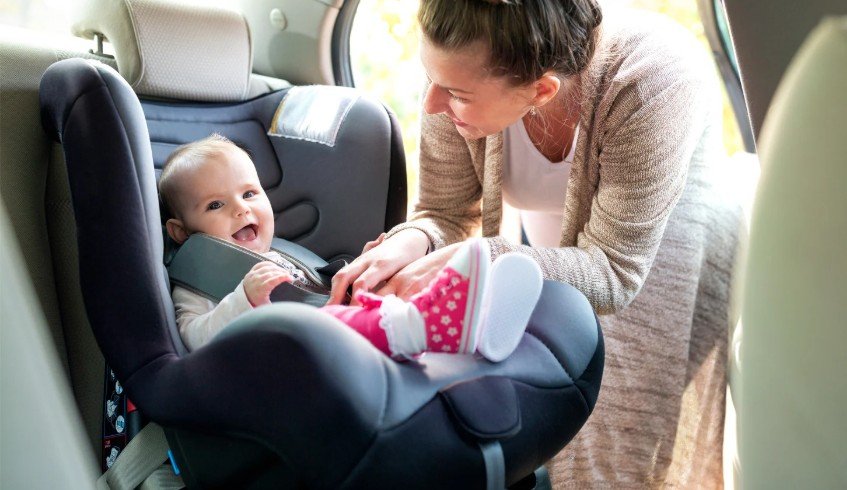
Is your baby looking a little too snug in their car seat lately? Knowing when to switch from infant car seat to convertible seat is key to keeping your child safe on the road. But what are the signs it’s time to make the move?
Most infant car seats have a weight limit of 22–35 pounds and a height limit of 30–32 inches. Once your baby reaches either limit, or their head is less than an inch from the seat’s top—it’s time for a rear-facing convertible car seat. In this article, you’ll learn exactly when to transition, how to choose the right seat, and safety tips for a smooth upgrade.
Child safety experts like Dr. Benjamin Hoffman from the AAP stress keeping kids rear-facing as long as possible for maximum protection. Wondering if your little one is ready for the next step? Let’s explore when and how to switch to a convertible car seat safely and confidently.
When to Switch from Infant Car Seat to Convertible Seat?
When to go from infant car seat to convertible? The ideal time to switch from an infant car seat to a convertible seat largely depends on your child’s growth and the specifications of the car seat.

Most infant car seats come with a weight limit of around 30 to 35 pounds, and height limits typically state that your child should not exceed 1 inch from the top of the seat. Once your child reaching the weight limit, it is time to make the switch to a convertible car seat, which can offer both rear-facing and forward-facing options.
Rear-facing convertible seats are recommended for as long as possible, as they provide crucial support in the event of a crash, enhancing child passenger safety. Additionally, your child should be comfortable and not cramped in the infant seat, indicating it is time for an upgrade.
It’s essential to remember that the transition to a convertible seat is not solely based on age but rather on the individual growth of your child. If your child appears to be big for an infant seat or shows signs of discomfort, such as fussiness during rides, this may signal that they are ready for the next step.
Convertible car seats, particularly all-in-one models, can accommodate your child’s growth, allowing for extended use in rear-facing mode before transitioning to a forward-facing seat. By paying attention to your child’s size and comfort level, you can determine the best time to switch, ensuring that they remain secure and safe on the road.
Signs Your Child Has Outgrown the Infant Car Seat
There are several indicators that your child has outgrown their infant car seat. Firstly, check the weight and height limits specified in the car seat manual. If your child exceeds either the weight limit or reaches the height limit—typically defined as being 1 inch from the top of the car seat shell—it is a clear sign that it’s time to switch.
Additionally, observe your child’s head and the top of the seat; if your child’s head is even with or above the top of the infant seat, this indicates they are no longer safely positioned in the infant seat. Comfort is also a vital factor; if your child seems squished or uncomfortable, they may be ready for a convertible car.
Parents should also be vigilant about their child’s development. As child grows, they may become too heavy for the infant car seat to carry, making it cumbersome for parents to transport them. If the infant seat becomes challenging to handle, it is a practical sign to consider switching to a convertible car seat.
Furthermore, if your child expresses a desire to see more of their surroundings during car rides, they may benefit from a convertible seat that allows for a better view and more comfort. Recognizing these signs can help parents make informed decisions about car seat safety and ensure their child is protected during travels.
Safety Considerations When Switching Car Seats
When switching car seats — whether upgrading from an infant seat to a convertible one, or from a harnessed seat to a booster — safety is top priority. Here’s a breakdown of key safety considerations to keep in mind:
🚼 1. Follow Age, Height, and Weight Guidelines
- Always follow the car seat manufacturer specifications for height and weight limits.
- Don’t rush to the next seat stage — rear-facing as long as possible is safest, ideally until age 3 or 4.
- Many convertible seats support rear-facing up to 40–50 lbs.
🔄 2. Proper Installation
- Reinstall the new seat according to its manual — each seat is different.
- Use either LATCH or seat belt system — not both unless explicitly allowed.
- Do a “inch test”: the seat shouldn’t move more than 1 inch side-to-side or front-to-back.
📐 3. Correct Recline Angle
- Especially for rear-facing seats, the correct angle prevents airway obstruction.
- Most seats have a level indicator — use it!
🎒 4. Harness Fit
- Harness should be at or below shoulders for rear-facing, at or above for forward-facing.
- Use the pinch test — if you can pinch the strap at the shoulder, it’s too loose.
- Remove bulky coats; use thin layers and blankets over the harness instead.
🚙 5. Car Compatibility
- Not all car seats fit all vehicles well. Try the seat in your car before buying, if possible.
- Watch for seat angles, headrest interference, and available space — especially for rear-facing.
⏳ 6. Seat Expiration & History
- Check expiration date (usually 6–10 years from manufacture).
- Never use a seat involved in a moderate or severe crash.
- Avoid secondhand seats unless you’re 100% sure of its history.
🧼 7. No Aftermarket Products
- Avoid third-party add-ons (head supports, strap covers, etc.) not made by the seat’s manufacturer.
- These can interfere with safety and void the warranty or safety certification.
🔁 8. Transition to Booster Seat Carefully
- Keep your child in a 5-point harness as long as they meet the limits.
- Booster readiness typically starts around age 5–7, once they can sit still and the vehicle belt fits properly.
🛠️ 9. Get a Car Seat Check
- Certified technicians can help at car seat check events or inspection stations.
- Find one through the NHTSA website or local fire/police departments.
If you’re planning a seat switch soon, we can help you find the right type of car seats based on your child’s stats or even suggest a few models if you’re shopping. Want to go that route?
Choosing the Right Convertible Car Seat
When selecting the best convertible car seat for your child, several factors should be considered. First, you need to evaluate the seat’s weight and height limits to ensure it meets your child’s needs as they grow.
Look for a convertible car seat that offers both rear-facing and forward-facing configurations, as this versatility is crucial for accommodating your child’s development.
Additionally, consider the safety features of the seat, such as a five-point harness and side-impact protection, which are essential for child passenger safety. Reading reviews and recommendations can also help you identify the best convertible car seat for your needs.
Another aspect to consider is the ease of installation and the seat’s compatibility with your vehicle. Some seats come with features like a rotating car seat or adjustable bases that simplify the installation process, ensuring a secure fit in your vehicle.
It’s also beneficial to examine the seat’s fabric and padding, as comfort during long trips can significantly enhance your child’s experience. Brands like Chicco offer a range of high-quality convertible seats with excellent safety ratings and user-friendly designs.
Ultimately, choosing the right convertible car seat involves balancing safety, comfort, and practicality to ensure your child is well-protected as they transition from an infant seat.
Frequently Asked Questions About Car Seats
When Should I Switch to a Booster Seat?
Switch to a booster seat when your child outgrows a forward-facing car seat, typically around 4 years old, 40+ lbs, and ears reach the top of the seat. Use until 4’9″ or 8–12 years.
Can I Use a Convertible Car Seat Rear-Facing?
Yes, you can use a convertible car seat rear-facing. It’s safest for infants and toddlers—keep them rear-facing until at least age 2 or until they reach the seat’s height/weight limits.
When to move baby into convertible car seat?
When to switch from infant seat to convertible? Move your baby into a convertible car seat when they outgrow their infant seat (typically 30-35 lbs. or head reaches the top). A child passenger safety technician (CPST) can help ensure proper installation.
What age do babies outgrow infant car seats?
Most babies outgrow infant car seats by 9–18 months, depending on height/weight (usually 30-35 lbs or when head is within 1″ of the top). Always check your seat’s manual for exact limits
When can a baby go in a convertible car?
A baby can use a convertible car seat from birth if it’s rated for infants (5+ lbs). Otherwise, switch from an infant seat once they exceed its height/weight limits (usually 30-35 lbs).
Can i put my 3 month old in a convertible car seat?
Yes, you can put a 3-month-old in a convertible car seat if it’s rated for infants (5+ lbs) and installed rear-facing infant seat. Ensure proper harness fit at shoulder level and a snug, secure installation.
How long can an infant stay in a car seat?
Infants should not stay in a car seat longer than 2 hours in a 24-hour period due to suffocation risks. Always transfer them to a safe sleep surface when possible.
Is it better to get an infant car seat or convertible?
Infant car seats are portable and fit newborns best, while convertible seats grow with your child (rear-to forward-facing). Choose infant for convenience, convertible for long-term use—both meet safety standards.
What age do you stop using a newborn insert in a car seat?
Stop using a newborn insert when your baby exceeds the seat’s weight limit (often 11 lbs) or their shoulders reach the lowest harness slots—typically around 1–3 months. Check your manual.
At what age do you stop carrying a baby in a car seat?
Stop carrying a baby in an infant car seat when they exceed its weight limit (usually 30-35 lbs) or their head is within 1″ of the top—typically by 12-18 months.
When did you switch from the infant car seat to the next size?
Most parents switch from an infant car seat to a convertible seat when their baby reaches the weight or height limit (typically 30-35 lbs or 32-35 inches), usually around 9-18 months.
Conclusion
So, when to switch to convertible car seat from infant seat? In conclusion, knowing when to switch from an infant car seat to a convertible car seat is vital for your child’s safety and comfort. By recognizing the signs that your child has outgrown their infant seat and understanding how to choose the best convertible car seat, you can make informed decisions that prioritize child passenger safety.
Always consider safety features, installation ease, and your child’s individual growth when selecting a new seat. As your child transitions through different stages of development, staying informed about car seat safety guidelines will help ensure secure travels for you and your little one. Remember, making the switch at the right time is essential for their safety on the road.
Recommended posts
- Infant Car Seat Weight Limit – How to Choose the Right One?
- When Is Your Baby Too Big for Infant Car Seat: (Safety Tips)