
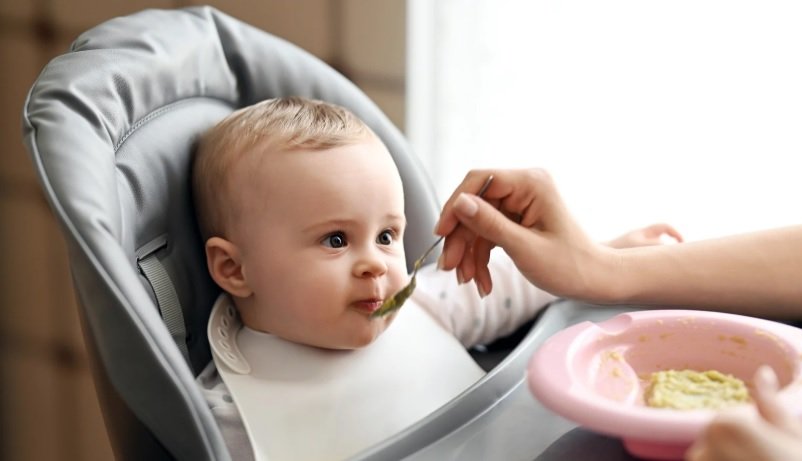
When to Start Purees for baby often sparks curiosity for new parents, and it’s easy to see why. You want to nourish your little one, but you also want to do it at the right moment. So, when does that moment truly arrive? Have you wondered what leading pediatric experts say about this milestone?
Most babies start purees around six months, according to the American Academy of Pediatrics, which considers developmental readiness the key factor. Your baby should sit with support, show interest in food, and manage simple swallowing. This article walks you through those signs, expert recommendations, and practical first steps.
Yet this stage holds more than a simple timeline. Dr. Tanya Altmann and other trusted pediatricians highlight helpful cues and simple strategies that many parents overlook. So, if you’re ready to decode this exciting phase, let’s step into the world of first foods and help you begin with confidence.
When to Start Purees for Baby?
When can you start purees with baby? The consensus among major health organizations, including the American Academy of Pediatrics (AAP), the World Health Organization (WHO), and the CDC, is that most babies are ready to start purees and other solid foods at around 6 months of age. This recommendation is based on a combination of nutritional needs and developmental milestones.
At around the half-year mark, a baby’s digestive system is more mature and better equipped to handle foods other than breast milk or formula. Furthermore, the iron stores they are born with begin to diminish, making the introduction of iron-rich foods (like fortified cereals and pureed meats) important.
However, the keyword is “around.” Some babies might show readiness cues a little before 6 months, while others might not be interested until slightly after. The chronological age is a guideline, but your baby’s individual development is the true north star. The focus should always be on signs of readiness rather than a rigid date.
Can You Start Purees at 4 Months?
This is a point of significant discussion and careful nuance. The official guideline of “around 6 months” has led many to wonder, “Can you start purees at 4 months?” The short answer is: it’s possible for some babies, but it requires explicit signs of readiness and, crucially, a discussion with your pediatrician.
Starting at 4 months is generally not recommended as a default. However, research, including a pivotal study published in The Journal of Allergy and Clinical Immunology, suggests that introducing allergenic foods (like peanut butter, egg) between 4-6 months may actually help reduce the risk of developing food allergies in high-risk infants. This has led to more personalized advice.
If you are considering starting purees at 4 months, your baby MUST exhibit all the key readiness signs (outlined in the next section), and you must have your pediatrician’s approval. Reasons a pediatrician might green-light a 4-month start include significant reflux, extreme curiosity about food, or concerns about adequate weight gain. If you do start at 4 months:
- Focus on Texture: Purees must be extremely smooth and runny.
- Prioritize Iron: Iron-fortified single-grain cereal (like rice or oatmeal) mixed with breast milk or formula is a common first choice.
- Go Slow: This is an introductory phase. Milk (breast or formula) should remain the primary source of nutrition until at least 6 months.
The bottom line: While 6 months is the standard, a 4-month start can be appropriate for a small subset of babies under medical guidance. The risks of starting a baby who is not ready—including poor digestion, increased risk of choking, and potential overfeeding—outweigh the benefits for most infants.
How Do You Know Your Baby is Ready for Purees?
Your baby will give you clear physical and developmental signals that they’re ready to move beyond liquid nutrition. Look for this cluster of signs, typically appearing together around 6 months:
- Head and Neck Control: Your baby can hold their head up steadily and sit upright with support (like in a high chair). This is non-negotiable for safe swallowing.
- Loss of the Tongue-Thrust Reflex: This innate reflex causes babies to push food out of their mouths with their tongue. When this reflex diminishes, they can move food to the back of their mouth to swallow.
- Ability to Sit with Minimal Support: They can sit well in a high chair, indicating core strength important for eating.
- Showing Curiosity About Food: They intently watch you eat, reach for your food, or open their mouth when they see a spoon coming.
- Good Hand-to-Mouth Coordination: They can pick up objects and bring them to their mouth, a skill that will later help with self-feeding.
- Appetite Cues: They seem hungry even after a full day of milk feeds, or they start waking more at night after previously sleeping longer stretches (though this sign alone isn’t enough).
A Simple Readiness Checklist:
| Sign of Readiness | What to Look For |
|---|---|
| Head Control | Holds head steady without wobbling. |
| Sitting | Sits upright with minimal support in a high chair. |
| Tongue-Thrust Reflex | No longer automatically pushes solids out with tongue. |
| Curiosity | Leans forward, opens mouth, or grabs at your food. |
| Coordination | Brings toys/hands to mouth accurately. |
If your baby is displaying most or all of these signs, they are likely ready for their first culinary adventure!
What is the First Puree to Give a Baby?
There is no single “correct” first food. Traditionally, iron-fortified single-grain infant cereal (oatmeal, barley) mixed to a very thin consistency with breast milk or formula has been the go-to. It’s bland, easy to digest, and provides crucial iron. However, many modern parents and pediatricians are embracing “foods first” or starting with vegetable or fruit purees.
Excellent First Puree Options:
- Iron-Fortified Cereal: Oatmeal or barley cereal. Avoid just rice cereal due to potential arsenic concerns; vary the grains.
- Vegetables: Sweet potato, carrot, squash, avocado. Avocado is particularly great as it’s rich in healthy fats and has a creamy texture.
- Fruits: Banana, pear, apple, peach. Cook hard fruits like apples and pears until soft before pureeing.
How to Prepare the First Puree:
- Choose One Food: Start with a single-ingredient puree to monitor for any allergic reactions (rash, diarrhea, vomiting). Wait 3-5 days before introducing another new food.
- Achieve the Right Texture: Steam or cook the food until very soft, then puree with enough liquid (breast milk, formula, or cooking water) to create a smooth, drippy, almost soupy consistency. It should be much thinner than store-bought baby food initially.
- Serve Safely: Ensure your baby is sitting upright. Use a soft-tipped spoon and place a small amount (about half a spoonful) on the front of their tongue. Let them explore the taste and texture.
- Follow Their Lead: The first few sessions are about learning, not nutrition. They might eat only a teaspoon or two. Let them set the pace. Never force-feed.
Sample First-Week Plan:
- Day 1-3: 1-2 tsp of very thin oatmeal cereal mixed with breast milk.
- Day 4-6: If no reaction, introduce a veggie like sweet potato puree.
- Day 7+: Continue with sweet potato or, if no reaction, try a new single food like pear puree.
Remember, faces of disgust are normal! It’s often a reaction to the new sensation, not necessarily the taste. It can take 10-15 exposures for a baby to accept a new food.
Important Note: When to start purees: avoid cow’s milk or fortified soy drinks until after 12 months; yogurt and other milk products can be offered earlier. If your child has severe eczema or an egg allergy, consult your clinician before introducing peanut-containing foods.
Commonly Asked Questions about Starting Purees For Babies (FAQs)
When should I start giving my baby pureed food?
When to start feeding purées? You should start giving your baby pureed food around 6 months old when they show readiness signs, such as good head control and interest in food. This transition to eating solid foods helps ensure they receive essential nutrients for growth.
When is the right age to start purees for my baby?
Most pediatricians recommend introducing purees and other solid foods around six months, when babies start eating and show developmental readiness signs like good head control and diminished tongue thrust. Continue breast milk and formula as primary nutrition while you start feeding your baby single-ingredient purees.
How do I know if my baby is ready for solid food?
Signs a baby is ready for solids include sitting with minimal support, showing interest in your food, reaching for spoons, and losing the strong tongue thrust reflex. Checkup with your pediatric provider around six months helps confirm readiness and discuss introducing solid foods to your baby safely.
What foods should I introduce first when starting purees?
Start purees around six months, beginning with single-ingredient foods like pureed iron-rich meats or fortified cereal to support baby’s iron needs. Offer one new food at a time, observing for allergen reactions and waiting three to five days before trying different foods to introduce safely.
Should I stop breast milk when I start purees?
If your full-term baby shows developmental cues before 9 months of age, start feeding purees but continue breast milk and formula as main nutrition. Around nine months, gradually introduce lumpy textures, finger foods, and table foods to encourage chewing and transition toward family meals and wean appropriate.
Is it okay to start purees at four months of age?
Avoid starting purees early, at four months of age, unless advised by a pediatrician. Early introduction may increase gag reflex and allergy risks. Wait until baby shows readiness signs, like good head control, interest in food, and reduced tongue thrust, around six months old.
How should I introduce allergens while starting solids?
Introduce common allergen-containing single-ingredient foods after your baby tolerates basic purees, often between 6 and 8 months, following pediatric guidance. Offer one allergen at a time, watch for reactions for several days, and continue breastfeeding or formula during allergen introduction for nutritional support daily.
When should textures progress from purees to lumpy and finger foods?
Puree feeding should progress from smooth to lumpy textures by seven to nine months, preparing baby for finger foods and table foods. Spoon feeding at first helps, then encourage self-feeding. Monitor gag vs choking, and follow pediatric advice about when to start solids safely today.
What if my baby still shows tongue thrust or refuses purees?
If your baby is not interested or shows strong tongue thrust, delay purees and reassess at the next checkup. Some babies begin around six months, others closer to nine months of age. Keep offering breast milk and formula, try different foods to introduce, be patient.
Conclusion
Deciding when to start purees for baby is a blend of science, observation, and intuition. While the 6-month mark is a reliable benchmark, the most important factor is your baby’s individual demonstration of readiness—strong head and neck control, sitting with support, curiosity about food, and the loss of the tongue-thrust reflex. Starting at 4 months is an option only for babies who clearly show these signs and under the guidance of a pediatrician.
When you begin, start simple with single-ingredient, iron-rich purees and embrace the mess. This journey is about more than nutrition; it’s a foundational experience that builds motor skills, fosters a positive relationship with food, and opens up a world of new flavors and textures for your little explorer. Trust the signs, consult your pediatrician, and enjoy this exciting new chapter in your baby’s development.
Recommended posts
- After Starting Solids How Much Breast Milk Baby Really Need?
- When Should an Infant Start Eating Cereal? (Safe Transition)
- 3 Choking Hazard Foods to Avoid When Starting Solids
- Combining Breastfeeding and Introducing Solids (Expert Tips)

