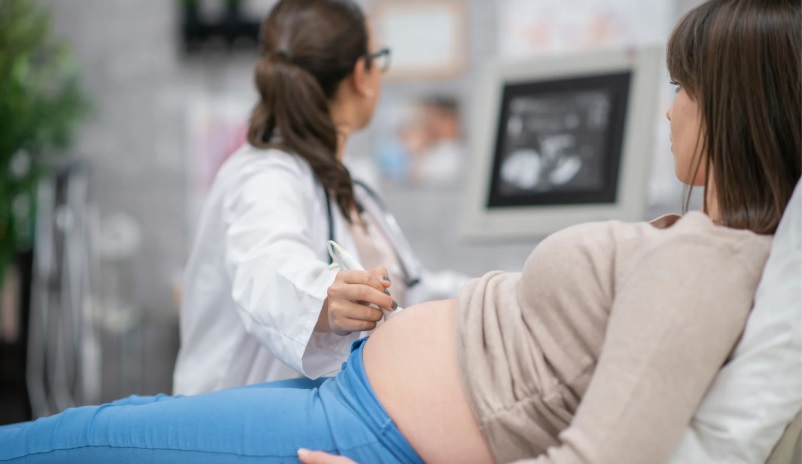
When Placenta Previa Is Diagnosed, many expecting mothers ask, “What does this mean for me and my baby?” This condition can sound alarming at first, but understanding it is the key to managing it with confidence. Wouldn’t you want to know how experts approach this situation to ensure both mother and child remain safe?
Placenta previa is typically diagnosed during the mid-pregnancy anatomy ultrasound around 20 weeks. However, a final diagnosis is often confirmed in the third trimester if low-lying placement persists.
Doctors like Dr. Mary E. D’Alton, Chair of Obstetrics and Gynecology at Columbia University, highlight that while it carries risks such as bleeding, with proper monitoring and care, most women go on to have successful outcomes. Treatment usually includes lifestyle adjustments, close medical supervision, and in some cases, a planned cesarean delivery.
But that’s just the starting point of this important discussion. In the following sections, we’ll explore the causes, symptoms, risk factors, and expert-backed management strategies that bring peace of mind. So, let’s dive into what every expecting parent should know about placenta previa when diagnosed.
How Do You Know You Have Placenta Previa?
The majority of women with placenta previa have no symptoms early in pregnancy. Instead, the condition is often detected during a routine ultrasound. However, there are certain signs and symptoms that may point to the possibility:
- Painless vaginal bleeding in the second or third trimester
- Recurrent light spotting or sudden heavy bleeding episodes
- Unusual cramping or contractions (less common but possible)
- Placenta location concerns raised during an ultrasound scan
It is crucial to note that bleeding associated with placenta previa is painless, which helps distinguish it from other pregnancy complications. If bleeding occurs, immediate medical attention is recommended. Diagnosis is confirmed through transabdominal or transvaginal ultrasound—procedures considered safe for both mother and baby.
What Happens When Placenta Previa Is Diagnosed?
Once a diagnosis is confirmed, your healthcare provider will develop a plan based on the type and severity of the condition. Here’s what typically follows:
Increased Monitoring
Regular ultrasounds are performed to track placental movement. In many cases, the placenta “migrates” upward as the uterus expands, resolving the previa by the third trimester.
Activity Adjustments
Doctors may recommend pelvic rest, which means avoiding intercourse, tampons, and strenuous activities that could trigger bleeding.
Hospitalization (if needed)
In cases of heavy bleeding or complete placenta previa, hospitalization may be necessary for close observation and rapid intervention.
Delivery Planning
- If previa resolves: Vaginal delivery is possible.
- If previa persists: Cesarean delivery, often scheduled around 36–37 weeks, is the safest option.
Emergency Preparedness
Women with placenta previa should be aware of emergency signs (sudden heavy bleeding) and have a clear plan to reach medical care immediately.
Can You See Placenta Previa at 10 Weeks?
Placenta previa can technically be spotted in early ultrasounds, even around 10 weeks. However, this early finding is not considered definitive. The placenta is still developing and may appear to cover the cervix temporarily. As the uterus grows, the placenta typically “moves up” and away from the cervix. This is known as placental migration.
- Before 20 weeks: A low-lying placenta is common and usually resolves on its own.
- After 28 weeks: Persistence of placenta previa becomes more significant and requires closer monitoring.
- By the third trimester: A true diagnosis is confirmed, guiding the delivery plan.
Thus, while placenta previa may be noticed early, most cases identified at 10 weeks do not persist into late pregnancy.
Preventable Causes of Birth Injuries Associated with Placenta Previa
Placenta previa itself does not cause birth injuries directly, but complications can arise if it is not properly managed. Preventable birth injuries are usually linked to medical negligence or inadequate monitoring rather than the condition alone. Some preventable factors include:
- Failure to Diagnose
Missing placenta previa during routine ultrasounds can put mother and baby at risk during delivery. - Delayed Intervention
Not responding promptly to heavy bleeding episodes can lead to oxygen deprivation for the baby. - Improper Delivery Planning
Attempting a vaginal delivery in a case of unresolved complete placenta previa can result in life-threatening hemorrhage. - Inadequate Emergency Preparedness
Hospitals without blood transfusion or surgical capabilities may increase risks unnecessarily.
By ensuring careful prenatal care, regular ultrasounds, and proper delivery planning, most risks associated with placenta previa can be minimized. Choosing experienced medical providers plays a critical role in preventing avoidable complications.
Should You Worry about Placenta Previa at 20 Weeks?
At the 20-week anatomy scan, it is common for doctors to detect a low-lying placenta. However, placenta previa at 20 weeks is not necessarily a cause for alarm. In fact, studies show that the majority of cases resolve naturally as pregnancy progresses. Here’s why:
- Uterine Growth: As the uterus expands, the placenta usually shifts upward.
- Statistical Likelihood: Over 90% of low-lying placentas seen at mid-pregnancy scans resolve before delivery.
- Follow-Up Care: Your doctor will schedule repeat ultrasounds around 28–32 weeks of pregnancy to reassess position of the placenta.
The key takeaway: at 20 weeks, placenta previa is usually temporary. Concern becomes more warranted if the placenta still covers the cervix into the third trimester. Until then, it is important to remain calm, follow your provider’s guidance, and avoid unnecessary stress.
Common Questions about When Can Placenta Previa Be Diagnosed (FAQs)
At what week is placenta previa diagnosed?
Placenta previa is often identified during the routine 20-week anatomy ultrasound. However, a definitive diagnosis is typically confirmed later in pregnancy, as the placenta may migrate away from the cervix.
What is placental abruption?
Placental abruption is the premature separation of the placenta from the uterus, causing bleeding and fetal distress. Unlike cases of placenta previa, it often requires emergency delivery, even before 36 weeks.
What is the outlook for women with placenta previa?
The outlook is generally positive with careful management. Most women deliver healthy babies via planned C-section, though there is a higher risk of bleeding and preterm birth requiring medical vigilance.
What causes placenta previa?
The exact cause of placenta previa is unknown, but risk factors include prior C-sections, uterine scars, multiple pregnancies, advanced gestational age, smoking, and previous placenta praevia.
What are the symptoms of placenta previa?
The main symptom is painless, blood loss, often in the third trimester. An ultrasound is used to diagnose placenta previa. It is rarely detected placenta previa early.
What is the treatment for placenta previa?
Treatment depends on severity. For marginal placenta previa, monitoring and pelvic rest may suffice. For vasa previa or high risk of placenta complications, planned C-section at 36-37 weeks is essential to prevent hemorrhage.
What is placenta previa and how is it diagnosed?
Placenta previa occurs when the placenta is covering the cervical os, which can lead to complications during pregnancy. The diagnosis of placenta previa is typically made through an ultrasound during the second trimester or later, as the location of the placenta may change as the pregnancy progresses. In some cases, it may be diagnosed during the third trimester, particularly around 36 to 37 weeks of gestation.
What are the risk factors for developing placenta previa?
Several risk factors for placenta previa include having had a previous cesarean section, multiple pregnancies, and being a older mother. Other factors include previous uterine surgery or a history of placenta previa in previous pregnancies. Women with a low-lying placenta may also be monitored closely for potential complications.
What are the symptoms of placenta previa?
Symptoms of placenta previa can include vaginal bleeding during pregnancy, especially in the third trimester. Severe bleeding may occur, which can pose a risk to both the mother and the baby. It is crucial to seek medical attention if any bleeding is experienced, as timely diagnosis and treatment for placenta praevia can significantly improve outcomes.
What is the treatment for placenta previa?
The management of patients with placenta previa often involves close monitoring, especially if diagnosed early in pregnancy. If significant bleeding occurs or if the placenta is covering the cervical os at delivery, an emergency c-section may be necessary. In many cases, placenta previa resolves on its own as the pregnancy progresses, and the placenta may move away from the cervix.
How does placenta accreta relate to placenta previa?
Placenta accreta spectrum refers to a group of conditions where the placenta attaches too deeply into the uterine wall. This condition is associated with placenta previa, especially in cases where the placenta is located over the cervical os. Women diagnosed with placenta previa are at an increased risk of developing placenta accreta, which can complicate delivery and increase the risk of severe bleeding.
What should patients with placenta previa avoid during pregnancy?
Patients with placenta previa should avoid activities that could trigger bleeding, such as vigorous exercise or sexual intercourse. It is also recommended to refrain from heavy lifting or strenuous activities. Regular check-ups and following the doctor’s advice are crucial for managing the condition and ensuring both maternal and fetal health.
Conclusion
So, when can placenta previa be diagnosed? Placenta previa is a condition that understandably raises concerns for expecting parents, but with modern diagnostic tools and careful medical management, outcomes are generally positive. When Placenta Previa Is Diagnosed, it marks the beginning of careful monitoring rather than an automatic high-risk pregnancy. While painless vaginal bleeding and ultrasound findings are the most common signs, many cases resolve as the uterus grows.
If the condition persists into the third trimester, planned cesarean delivery is the safest route. Preventable complications usually stem from poor medical management rather than the condition itself, underscoring the importance of skilled healthcare providers.
Most importantly, placenta previa detected at 10 or even 20 weeks should not be a major source of worry. With time, many cases improve naturally. For those that don’t, modern medicine provides clear protocols to protect both mother and baby.
Pregnancy can feel overwhelming when faced with unexpected diagnoses, but knowledge is empowerment. By understanding what placenta previa is, how it progresses, and the steps your doctor will take, you can approach the journey with greater confidence and reassurance.
Recommended posts
- 7 Placenta Previa Symptoms Every New Mom Should Know
- Effective Placenta Previa Self-Care Tips (Dos and Don’ts)
- Placenta Previa vs Abruption Placenta – Key Signs You Shouldn’t Ignore
- What Is Low Lying Placenta? Causes, Risks & What to Expect
- Placenta Previa Nursing Interventions: (Best Care Plan)
- Chances of Placenta Previa Moving After 32 Weeks (Revealed)