Intercourse after miscarriage is a sensitive subject that many couples feel unsure about. When is it safe to be intimate again? Is there a risk of infection or complications if you resume too soon? These are natural concerns during both physical and emotional healing.
Doctors usually recommend waiting at least two weeks after a miscarriage before having intercourse, though the exact timeline depends on individual recovery. Factors such as the stage of pregnancy, bleeding, and overall health play an important role. In this article, we’ll share expert advice, including guidance from the American College of Obstetricians and Gynecologists, on when and how to safely return to intimacy.
But recovery is not just physical—it’s emotional too. Rebuilding closeness takes patience, communication, and mutual support between partners. Let’s explore the expert-backed insights on intercourse after miscarriage so you can approach this step with confidence and care.
Is it Painful to Have Sex after a Pregnancy Loss?
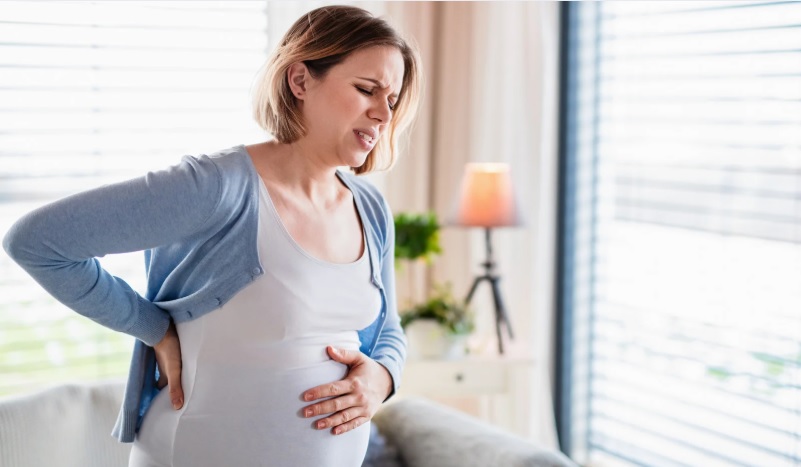
Pain during intercourse after miscarriage is common and can occur for several reasons. After a miscarriage, the body undergoes hormonal shifts, tissue passing, and potential physical trauma, all of which can affect sexual comfort. Some women report cramping, vaginal tenderness, or a sensation of dryness.
Emotional factors can also contribute to discomfort. Anxiety, depression, and fear of another loss may heighten sensitivity or make sexual activity psychologically challenging. It’s important to recognize that experiencing pain or emotional unease is normal and does not indicate a problem with your body.
Gentle intimacy, open communication with your partner, and using lubricants or supportive positions can help reduce discomfort. Gradual resumption, rather than forcing intercourse, allows both the body and mind to adjust.
After Miscarriage Intercourse Best Position
Regarding positions: there isn’t a single “best” position medically, but the focus should be on comfort and gentleness. Some considerations:
- Side-by-side (spooning) – Very gentle, less pressure on the abdomen.
- Woman on top – Allows the person who had the miscarriage to control depth and pace.
- Rear entry (modified doggy style) – Can work if comfortable, but avoid positions that put direct pressure on the lower abdomen.
Tips for comfort:
- Use plenty of lubrication if vaginal dryness occurs (common after miscarriage or hormone changes).
- Stop immediately if you feel pain, cramping, or emotional discomfort.
- Emotional readiness is just as important as physical healing—talk openly with your partner.
If you’d like, I can make a more detailed guide on resuming intimacy after miscarriage, including timing, emotional considerations, and gentle positions. Do you want me to do that?
How Long After Having a Miscarriage Can You Have Intercourse?
How long after a miscarriage is safe to have intercourse? The timing of resuming sexual activity after miscarriage varies depending on physical recovery, the type of miscarriage, and individual health. Medical healthcare professionals generally recommend waiting at least 1–2 weeks after the miscarriage before resuming intercourse if the miscarriage was complete and uncomplicated.
For those who had a surgical procedure, such as dilation and curettage (D&C), the recovery period might be longer, usually around 2–4 weeks, to allow the cervix and uterine lining to heal. Waiting is essential to prevent infections and minimize pain.
Psychological readiness is equally important. Some couples may feel ready sooner, while others may need additional time to emotionally reconnect. There’s no strict timeline; listening to your body and consulting your healthcare provider is critical.
When It’s Safe to Have Intercourse After Miscarriage?
Safety is the priority when considering intercourse after a miscarriage. Physical readiness involves several factors:
- Bleeding: It’s recommended to wait until vaginal bleeding has stopped, as sex during active bleeding increases the risk of infection.
- Pain and Cramping: If cramping or pelvic discomfort persists, it’s wise to delay intercourse until miscarriage symptoms subside.
- Emotional Stability: Feeling emotionally ready is key. Anxiety, grief, or fear can make intimacy difficult.
- Healing of the Cervix and Uterus: The cervix needs to close fully after miscarriage, and the uterine lining must regenerate to reduce infection risk.
Engaging in sexual activity too soon can increase the risk of infection, exacerbate emotional distress, or cause physical discomfort. Always prioritize your body’s signals and communicate openly with your partner about readiness.
Why Should a Person Wait Before Having Sex After Miscarriage?
There are both physical and emotional reasons to delay intercourse after a miscarriage:
- Physical Recovery: Miscarriage involves uterine contractions, tissue expulsion, and sometimes surgical intervention. Waiting ensures the reproductive organs have healed fully.
- Infection Prevention: Open tissue, a weakened cervix, and post-miscarriage bleeding make the reproductive tract more susceptible to bacterial infections.
- Emotional Processing: Grieving a pregnancy loss takes time. Resuming intimacy too soon may trigger emotional stress or discomfort.
- Hormonal Adjustment: Hormone levels fluctuate significantly after miscarriage, affecting mood, libido, and vaginal lubrication. Waiting allows the body to stabilize.
Allowing time for healing is not only medically advisable but also supports emotional bonding and reduces stress on the relationship.
Things To Know About Sex After a Miscarriage
When considering intercourse after miscarriage, it’s important to approach it mindfully:
- Communication Is Key: Discuss feelings, fears, and readiness with your partner. Being honest about emotional and physical comfort improves intimacy and connection.
- Use Protection: Even if fertility may seem low immediately after miscarriage, pregnancy can occur quickly. Condoms can also reduce infection risk during the initial recovery period.
- Start Slowly: Gentle touch, non-penetrative intimacy, and exploring other ways to connect physically can help ease back into sexual activity.
- Lubrication Can Help: Vaginal dryness is common post-miscarriage due to hormonal changes. Using water-based lubricants reduces discomfort and enhances pleasure.
- Watch for Warning Signs: Pain, heavy bleeding, or unusual discharge during or after intercourse should prompt consultation with a healthcare provider.
Understanding that sexual activity may feel different initially is crucial. Patience, open communication, and gradual reintroduction can help rebuild physical and emotional intimacy.
Health Factors that Determine How Long to Wait
Several health factors influence the timeline for resuming intercourse after miscarriage:
Type of Miscarriage:
- Early miscarriage: Often resolves naturally, with a shorter recovery time (usually 1–2 weeks).
- Late miscarriage: Recovery can take longer due to increased tissue loss and potential complications.
- Surgical vs. Non-Surgical Management: Procedures like D&C or medical management with medication may extend the recovery period.
- Infections or Complications: Any post-miscarriage infection, retained tissue, or heavy bleeding requires medical attention before resuming sexual activity.
- Preexisting Health Conditions: Conditions such as diabetes, thyroid disorders, or clotting disorders may affect healing and readiness for sex.
- Emotional and Psychological Health: Anxiety, depression, or PTSD-like symptoms after miscarriage can influence when an individual feels comfortable resuming intimacy.
Personalized guidance from a healthcare provider ensures safety and minimizes potential complications.
When to See a Doctor?
Medical consultation is important in several scenarios after miscarriage, particularly when considering resuming sexual activity:
- Persistent Pain or Heavy Bleeding: Pain that does not improve or bleeding beyond a couple of weeks warrants evaluation.
- Signs of Infection: Fever, foul-smelling discharge, or severe abdominal pain may indicate infection and require prompt treatment.
- Emotional Distress: Depression, anxiety, or difficulty coping with grief can benefit from professional support.
- Uncertainty About Timing: If unsure when it is safe to resume intercourse, a doctor can provide tailored guidance based on recovery progress.
- Repeated Miscarriages: Individuals with multiple pregnancy losses should seek medical advice to address underlying health concerns.
Regular follow-up appointments and open communication with healthcare providers ensure both physical and emotional health are supported after miscarriage.
Commonly Asked Questions about Intimacy After a Pregnancy Loss (FAQs)
Does a person need to wait for any bleeding to stop before having sex?
Yes, you should wait for any active bleeding to stop. It is safe to have sex once bleeding has ceased to reduce infection risk. Never insert a tampon or anything into the vagina until your doctor confirms it is healed.
Is sex after miscarriage painful?
Sex after a miscarriage can be painful for some due to hormonal changes causing vaginal dryness, emotional anxiety, or if the body hasn’t fully healed. Using lubrication and waiting until you feel emotionally and physically ready can help reduce discomfort and pain.
Why should a person wait to have sex again after early pregnancy loss?
Waiting allows the cervix to close and the uterine lining to heal, significantly reducing the risk of infection. It also provides crucial emotional recovery time for both partners after the early pregnancy loss before attempting intimacy again.
How soon can you get pregnant again after a miscarriage?
You can ovulate and get pregnant as soon as two weeks after a pregnancy loss. However, if you had an incomplete miscarriage with retained tissue, you must wait until it is fully resolved to avoid infection and ensure a healthy new pregnancy.
How to increase fertility after a miscarriage?
To boost fertility after you miscarry, focus on health: take prenatal vitamins, manage stress, and track ovulation. Most women could become pregnant again quickly. There’s no proven method to “increase” fertility, but optimizing your health supports a successful subsequent pregnancy.
Is sex after pregnancy loss painful?
Sex and intimacy after pregnancy loss can be physically painful due to hormonal dryness or emotionally challenging from grief. Open communication with your partner and a doctor is key. Wait until you feel both physically healed and emotionally ready to resume intimacy.
When i will feel ready for sex after miscarriage?
here’s no set timeline; you’ll feel ready for sex after a miscarriage when you are emotionally and physically comfortable. A doctor may recommend waiting until bleeding stops to prevent infection, but the emotional readiness is a personal journey for each individual.
How long should I wait before having intercourse after a miscarriage?
It is generally recommended to wait at least 2 weeks after a miscarriage before resuming sexual activity. This allows your body time to heal both physically and emotionally. However, the exact timing may vary from woman to woman, and it’s crucial to listen to your body and consult with your healthcare provider for personalized advice.
Can I conceive immediately after a miscarriage?
Yes, it is possible to conceive soon after a miscarriage. Some women ovulate as soon as 2 weeks after the loss of a pregnancy. If you are trying to conceive, it’s essential to monitor your menstrual cycle and consult your doctor for guidance on when it’s safe to try again.
What are the signs that I am ready for sex after a miscarriage?
Being ready for sex after a miscarriage involves both physical and emotional readiness. You should have stopped bleeding and feel physically safe. Additionally, it’s important to feel emotionally prepared to resume physical intimacy. Every woman’s healing timeline is unique, so take time to process your feelings and communicate with your partner.
Will I have any physical symptoms after sex following a miscarriage?
Some women may experience mild discomfort or spotting after having sex post-miscarriage, especially if the cervix is still open. If you experience significant pain or heavy bleeding, you should seek medical attention to ensure there are no complications, such as retained fetal tissue.
How does a miscarriage affect future pregnancies?
Most women can have healthy pregnancies after experiencing a miscarriage. However, it is essential to take time to heal both physically and emotionally before trying to conceive again. If you have had multiple miscarriages or specific concerns, you may want to consult your healthcare provider to discuss your fertility and any potential underlying issues.
What should I do if I want to become pregnant after a miscarriage?
If you wish to conceive after a miscarriage, it’s important to wait until you feel physically and emotionally ready. Monitor your menstrual period and ovulation signs, and consider discussing your plans with a healthcare provider who can offer guidance based on peer-reviewed studies and your unique circumstances.
Is it safe to have sex again after a miscarriage?
Generally, having sex after a miscarriage is safe once you have stopped bleeding and feel ready. However, it’s best to follow your doctor’s recommendations based on your specific situation. If you have any concerns or questions, don’t hesitate to seek professional help to ensure your health and well-being.
Conclusion
Resuming sexual activity after miscarriage is a deeply personal decision influenced by physical recovery, emotional readiness, and overall health. Intercourse After Miscarriage can be safe and enjoyable once bleeding has stopped, the body has healed, and both partners feel ready.
Listening to your body, practicing patience, and maintaining open communication are key to a healthy transition back to intimacy. Remember, there is no universal timeline—every recovery journey is unique. Consulting your healthcare provider ensures safety, reduces complications, and helps both partners navigate the sensitive period following a pregnancy loss with care and understanding.
Prioritizing both physical healing and emotional well-being ensures that intimacy after miscarriage can be a supportive and bonding experience rather than a source of stress or pain.
Recommended posts
- No Period After Miscarriage Could I Be Pregnant Again?
- Words of Comfort for Miscarriage Quotes (Your Words Matter)
- Contraception After Miscarriage: Timing, Options, and Advice
- Miscarriage Real Life 7 Week Fetus – Facts & Helpful Advice