Parenting is one of the most challenging yet rewarding jobs in the world. Understanding what makes a good parent can help guide your parenting style and nurture your child’s development.
Is it love, discipline, or the ability to provide? Parenting is one of the most challenging yet rewarding journeys in life, but what truly sets great parents apart? Great parents create a nurturing environment filled with love, patience, and guidance.
According to Dr. Laura Markham, a clinical psychologist and parenting expert, strong parent-child connections, emotional intelligence, and consistent boundaries shape a child’s future. Balancing support and discipline is key to raising happy, resilient kids.
But there’s much more to explore beyond these core principles. What parenting styles work best? How do experts define great parenting in today’s fast-changing world? Let’s dive deeper into what makes a truly exceptional parent.
What Makes a Great Parent?
Being a great parent involves a combination of love, support, and effective communication. Many parents often wonder what exactly contributes to their effectiveness.
According to psychologists and top posts in parenting communities, empathy is one of the most crucial qualities that makes you a good role models of parents.
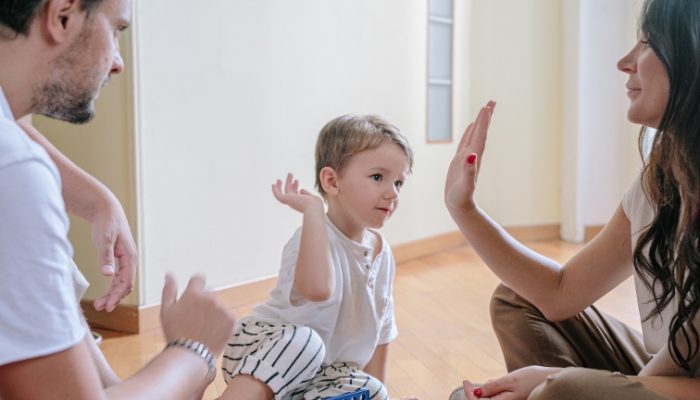
When parents can understand their children’s feelings and perspectives, they create an environment where kids can express themselves openly and thrive. Additionally, setting appropriate boundaries helps children feel secure, enabling them to explore their world with confidence.
Furthermore, a great parent adapts their parenting style to fit the unique needs of their children. This flexibility allows parents to respond effectively to their child’s developmental stages.
Kids don’t always behave in expected ways, and it’s important for parents to avoid criticizing their actions without understanding the context. Instead, they should strive to nurture their children’s self-esteem, encouraging them to learn from their mistakes and grow. This nurturing approach fosters a strong parent-child bond that lasts a lifetime.
TOP 10 Qualities of a Good Parent
Being an excellent parent involves a combination of love, patience, guidance, and consistency. Here are 10 essential qualities of a successful parent:
- Unconditional Love – A good parent provides love and support regardless of the child’s successes or failures, ensuring they feel valued and secure.
- Patience – Parenting requires immense patience, as children make mistakes, test boundaries, and learn at their own pace.
- Good Communication – Effective communication helps children feel heard, understood, and encouraged to express their thoughts and emotions.
- Consistency – Setting clear and consistent rules helps children develop a sense of stability and responsibility.
- Leading by Example – Children learn from observing their parents, so demonstrating good behavior, respect, and kindness is crucial.
- Encouragement and Support – A good parent motivates their child to explore their interests and supports them in overcoming challenges.
- Discipline with Love – Discipline should be fair and constructive, focusing on teaching rather than punishing.
- Flexibility and Adaptability – Being open to change and adjusting parenting styles as children grow fosters a positive and evolving relationship.
- Providing a Safe and Nurturing Environment – A loving and secure home allows children to thrive emotionally and physically.
- Teaching Responsibility and Independence – Encouraging children to make decisions and take responsibility helps them grow into confident and capable adults.
Bonus: A successful parent doesn’t have to be perfect—just willing to learn, grow, and put in the effort to nurture their child’s well-being.
How to Be a Good Parent without Being an Intensive One?
Effective parenting does not require micromanaging every aspect of your child’s life. Instead, it’s about providing a supportive environment where children can flourish. To be a great parent without being intensive, focus on establishing clear boundaries rather than controlling every situation.
This balance helps children learn self-discipline while still feeling secure in their surroundings. Encourage open communication, allowing your kids to express their thoughts and feelings without fear of judgment.
Furthermore, it’s important to set aside quality time for your children while also respecting their need for independence. Engaging in shared activities can strengthen your bond, but it’s equally vital to allow them space to explore their interests.
Many parents find that by fostering a sense of autonomy, they help their children develop confidence and self-esteem. Remember, it’s not about being perfect; even the majority of parents make mistakes. Acknowledging these missteps can teach children important lessons about resilience and growth.
How to Be a Good Parent After a Bad Childhood?
Many individuals who experienced a challenging childhood may feel uncertain about their ability to be effective parents. However, it is entirely possible to break the cycle and raise children in a nurturing environment.
The first step is acknowledging your past and understanding how it influences your parenting style. Seeking support from a psychologist or parenting group can provide valuable insights and coping strategies. This self-awareness allows you to identify patterns that you wish to change as you raise your children.
Additionally, focus on creating positive experiences for your kids that you may have missed during your own childhood. Emphasizing love, empathy, and kindness helps foster a warm atmosphere where your children can thrive.
It’s essential to communicate openly with your kids about feelings and experiences, allowing them to feel heard and valued. Remember that it’s normal to make mistakes; learning from them is what matters most. By consciously choosing to parent differently, you not only help your children but also contribute to your own healing process.
Commonly Asked Questions about What Makes a Good Parent (FAQs)
What are some key qualities that define good behavior in parenting?
Key qualities that define good behavior in parenting include patience, understanding, and the ability to communicate with your child effectively. Parents should also express their love and provide unconditional support, which helps nurture a child’s emotional development and encourages them to develop good behavior.
How can I help my child develop self-control?
To help kids develop self-control, set clear house rules and consistently enforce them. Encourage your child to express their feelings and teach them coping strategies for managing their emotions. Praise their efforts when they demonstrate self-control, reinforcing positive behaviors.
What should I do if my child is struggling with their emotions?
If your child may find it difficult to manage their emotions, it’s important to communicate with your child openly. Encourage them to talk about what’s going on and listen actively. You can also model healthy emotional expression, as young children often follow your lead.
How do I handle situations when my child misbehaves?
When your child misbehaves, instead of punishing them harshly, focus on understanding the reasons behind their behavior. It’s easy to judge, but remember that kids’ actions are often a reflection of their unmet needs. Discuss the behavior with your child and guide them towards making better choices.
What is the role of affection in child-rearing?
Affection plays a crucial role in child-rearing. By expressing your love and providing emotional support, you help your child feel secure and valued. Unconditional affection fosters a strong parent-child bond, which is essential for their overall development.
How can I teach my child to cooperate with others?
Teach your child to cooperate by encouraging playdates and group activities where they can practice sharing and teamwork. Use positive reinforcement, such as praise, when they demonstrate cooperative behavior. Discuss the importance of empathy and understanding the feelings of others.
What should I expect during the ups and downs of parenting?
Parenting comes with its ups and downs, so it’s important to maintain realistic expectations. You can’t expect perfection from yourself or your child. Embrace the learning process, seek support from other parents, and remember that every challenging phase is temporary.
How can I support my child’s development if they have special needs, like type 1 diabetes?
If your child has special needs such as type 1 diabetes, it’s essential to educate yourself about their condition. Work closely with healthcare providers to understand their needs and create a supportive environment at home. Encourage your child to manage their condition while providing emotional support and understanding.
What are some effective ways to communicate with my child?
Effective communication with your child involves active listening and validating their feelings. Use age-appropriate language, and be open to discussing any subject. Regularly check in with your child about their day, and encourage them to share their thoughts and concerns.
What is the high school in Modern Family?
In Modern Family, the high school setting serves as a backdrop for exploring the complexities of adolescence. Characters often showcase role models that younger kids look up to, making them feel good about their own experiences. Since 2014, the exteriors of Luke and Manny’s school have been filmed at Palisades Charter High School.
Conclusion
So, what makes a parent a good parent? In conclusion, being a great parent is a multifaceted journey that involves nurturing qualities, setting appropriate boundaries, and fostering an environment of love and understanding. The qualities of a great parent—such as empathy, patience, kindness, and resilience—are essential for effective parenting.
Whether you are navigating the complexities of parenting after a challenging childhood or seeking to improve your parenting style, remember that it’s important to focus on your child’s emotional needs. By doing so, you empower your children to become confident individuals capable of thriving in their own lives. Ultimately, every parent has the ability to create a positive impact on their child’s development, making the parenting journey a fulfilling experience in the long term.
Top Posts About Parenting
- What Is the Best Parenting Style for Raising Happy Kids?
- Best Advice for New Moms – 10 Essential Things to Know
- Authoritarian vs Authoritative Parenting: Which is Better?
- Discipline Vs Punishment: Which One Works Best for Kids?
- Effective Ways for Disciplined Teens: (A Guide for Parents)
- How to Discipline a 15 Month Old (Without Harsh Punishment)
- How to Discipline an 18 Month Old? (A Positive Approach)
- How do you Set Boundaries with Adult Step-Children (Proven)
- Parenting Tips Live a Moment: Practical Advice for Happy Kids