
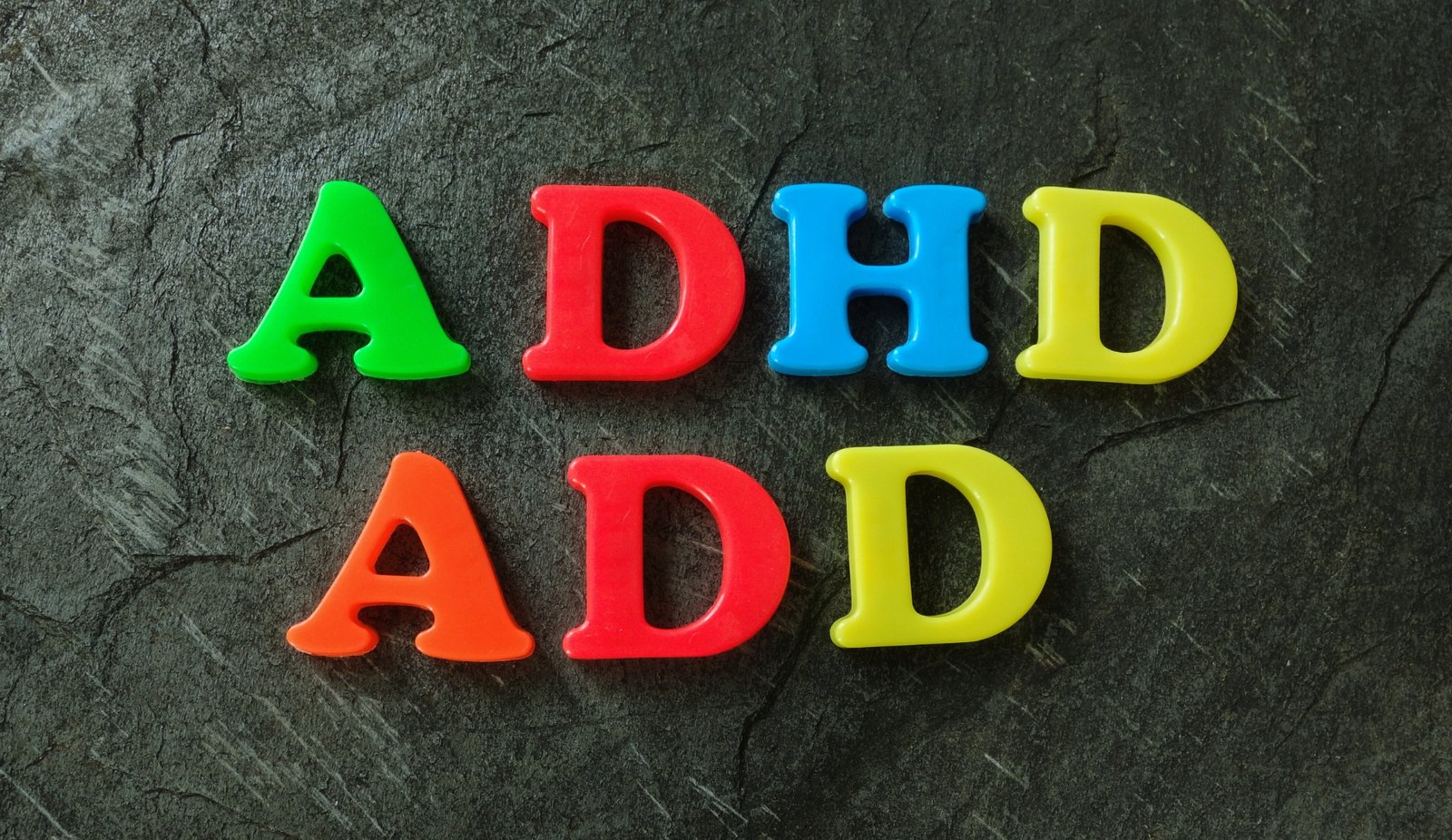
What is the difference between add and adhd? In today’s world of increasing awareness around mental health and neurodevelopmental disorders, terms like ADD and ADHD are frequently mentioned. While both are often used interchangeably, especially by the general public, there are significant clinical differences between them.
Understanding these differences is vital for accurate diagnosis, effective treatment, and compassionate support for those living with these conditions.
In this guide, we’ll explore what ADD is, how it differs from ADHD, the unique symptoms associated with each, the subtypes of attention deficit hyperactivity disorder ADHD, and how professionals diagnose these conditions.
What Is ADD (Attention Deficit Disorder)?
ADD, or Attention Deficit Disorder, is a term that was widely used in the past to describe individuals who had difficulty focusing, maintaining attention, and avoiding distractions — without the presence of hyperactivity.
ADD was officially recognized in earlier versions of the Diagnostic and Statistical Manual of Mental Disorders (DSM), particularly DSM-II and DSM-III. People with ADD often appear quiet, disengaged, or forgetful, rather than impulsive or physically restless.
However, in 1994, the American Psychiatric Association updated the diagnostic criteria in DSM-IV, replacing ADD with the umbrella term ADHD (Attention-Deficit/Hyperactivity Disorder). The shift was made to better categorize individuals based on their specific symptom profile, whether inattentive, hyperactive, or both.
Important Note: Though ADD is no longer a standalone medical diagnosis, many still use the term informally to refer to what is now classified as Predominantly Inattentive Type ADHD.
What Is the Difference Between ADD and ADHD?
The primary difference between ADD and ADHD lies in hyperactivity.
- ADD refers to inattentiveness without hyperactivity.
- ADHD, as currently defined, includes three different subtypes, one of which resembles the outdated ADD diagnosis.
Here’s a clear comparison:
| Feature | ADD (Outdated Term) | ADHD (Current Diagnostic Term) |
|---|---|---|
| Diagnostic Status | No longer used | Official DSM diagnosis |
| Core Symptoms | Inattention only | Inattention, hyperactivity, impulsivity |
| Hyperactivity Present? | No | May or may not be present |
| Clinical Subtype | Closely matches Inattentive Type | Includes Inattentive, Hyperactive-Impulsive, and Combined Types |
In other words, what was once referred to as ADD is now diagnosed as ADHD, Predominantly Inattentive Type under modern standards.
ADD Symptoms vs ADHD Symptoms: Main Differences
Although ADD and ADHD fall under the same umbrella today, they manifest in notably different ways due to the presence or absence of hyperactivity and impulsivity.
Common Symptoms of ADD (Inattentive ADHD):
- Difficulty sustaining attention in tasks or play
- Frequently makes careless mistakes
- Seems not to listen even when spoken to directly
- Avoids or dislikes tasks requiring sustained mental effort
- Loses things necessary for tasks (e.g., books, keys, glasses)
- Easily distracted by extraneous stimuli
- Forgetful in daily activities
These symptoms are typically less disruptive than those associated with hyperactivity, making ADD harder to recognize—especially in children who might not exhibit classroom disruptions.
Common Symptoms of ADHD (Hyperactive-Impulsive or Combined Type):
- Fidgeting or squirming in seats
- Difficulty remaining seated
- Excessive talking
- Interrupting or intruding on others
- Blurting out answers before questions are completed
- Inability to wait for one’s turn
- Feeling “driven by a motor”
Individuals with ADHD tend to draw more attention due to behavioral challenges, leading to earlier diagnosis compared to those with inattentive symptoms alone.
Symptoms of ADHD: Three Types of ADHD and Their Symptoms
The current diagnostic model recognizes three main types of ADHD, each with its unique set of symptoms. Accurate classification is essential for proper treatment planning.
Predominantly Inattentive Type ADHD – Inattentive ADHD
This type is the modern equivalent of ADD. People with Inattentive Type ADHD primarily struggle with:
- Staying focused on tasks
- Following detailed instructions
- Finishing assignments or chores
- Avoiding distractions
- Being forgetful or disorganized
They do not exhibit high levels of physical activity or impulsive behavior, which often leads to underdiagnosis, especially in children and adults.
Common signs:
- Zoned out during conversations
- Frequently losing personal items
- Misses deadlines or forgets appointments
- Appears slow to respond or disengaged
ADHD Combined Type
This is the most common form of ADHD and includes both inattentive and hyperactive-impulsive symptoms. To receive a diagnosis of Combined Type, an individual must display at least six symptoms from each category (inattention and hyperactivity-impulsivity).
Symptoms include:
- Short attention span
- Poor organizational skills
- Constant movement or talking
- Difficulty sitting still or playing quietly
- Impulsivity in speech and action
Combined Type ADHD can be particularly challenging, as it affects multiple aspects of behavior and cognition.
Hyperactive-Impulsive ADHD
This type is less common and is characterized predominantly by hyperactivity and impulsive behavior, without significant issues related to inattention.
Core symptoms:
- Constant restlessness
- Frequent fidgeting
- Speaking out of turn
- Acting without thinking
- Difficulty staying quiet during calm activities
Children with this type are often seen as “always on the go,” while adults may experience internal restlessness or a need to stay constantly busy.
Diagnosis of ADHD
Diagnosing ADHD, including all three types (and what was formerly called ADD), requires a comprehensive assessment by a medical or mental health professional. This typically includes:
Clinical Interview
A thorough history is taken from the patient (and often parents, teachers, or spouses) to gather information about behavior across different settings—school, home, work, etc.
Behavior Rating Scales
Standardized questionnaires like the Vanderbilt Assessment Scales or Conners Rating Scales help quantify symptoms and compare them against established diagnostic benchmarks.
DSM-5 Criteria
According to the DSM-5, individuals must meet specific symptom thresholds:
- For children under 17: Six or more symptoms present for at least six months
- For adults 17 and older: Five or more symptoms
Symptoms must be present before age 12, occur in two or more settings, and significantly impair social, academic, or occupational functioning
Rule Out Other Conditions
Because symptoms of ADHD can overlap with anxiety, depression, learning disabilities, or sleep disorders, a differential diagnosis is crucial to avoid misdiagnosis.
Optional Testing
Neuropsychological testing, IQ assessments, and academic performance evaluations may be included to get a fuller picture of how symptoms affect cognitive and functional abilities.
Commonly Asked Questions about ADD vs ADHD (FAQs)
What is the difference between ADD and ADHD?
What is the difference between adhd and add? The terms ADD and ADHD are often used interchangeably, but they refer to different presentations of attention deficit hyperactivity disorder. ADD, or attention deficit disorder, is an older term that specifically refers to the predominantly inattentive presentation of ADHD, which is characterized by symptoms of inattention without the hyperactive and impulsive behaviors.
What are the symptoms of ADHD in children?
Children with ADHD may exhibit a range of symptoms, including difficulty sustaining attention, forgetfulness, impulsivity, and hyperactivity. The symptoms of hyperactivity and impulsivity can make it challenging for children to sit still or wait their turn, while symptoms of inattention may manifest as trouble completing tasks or following instructions.
Can adults be diagnosed with ADHD?
Yes, adults can be diagnosed with ADHD. While ADHD is often identified in childhood, symptoms can persist into adulthood. Many adults may not have been diagnosed in their youth, as they may have been labeled as simply being inattentive or disorganized.
What are the treatment options for ADHD?
Treatment options for ADHD often include a combination of behavioral therapy, medication, and lifestyle changes. Therapy to manage symptoms effectively may involve strategies to improve organization and time management. Medications, including stimulants and non-stimulants, can help regulate attention and impulsivity.
How do symptoms of ADHD differ between boys and girls?
Symptoms of ADHD can manifest differently in boys and girls. Boys are more likely to exhibit hyperactive and impulsive behaviors, while girls may present with inattentive symptoms, leading to a higher chance of being diagnosed with the inattentive type of ADHD.
What are the signs of ADHD in children and adolescents?
Signs of ADHD in children and adolescents can include trouble focusing on tasks, difficulty organizing activities, excessive talking, and fidgeting. Symptoms may often disrupt daily functioning at school and home. Parents and teachers should paying attention to these signs to seek an ADHD diagnosis and explore treatment options.
Is it possible for a child to have both ADD and ADHD?
While ADD is an older term that specifically refers to the inattentive presentation of ADHD, it is now considered a subtype of ADHD. Therefore, a child diagnosed with ADD is actually diagnosed with ADHD, predominantly inattentive presentation. Understanding this can help clarify the differences between the terms and the characteristics of ADHD.
How can parents support a child with ADHD?
Parents can support a child with ADHD by creating structured routines, establishing clear expectations, and providing positive reinforcement for desired behaviors. Additionally, they can work closely with educators to ensure that the child’s learning environment accommodates their needs.
Final Thoughts
So, what the difference between adhd and add? Understanding the difference between ADD and ADHD is key to recognizing, diagnosing, and managing these complex conditions effectively. While ADD is an outdated term, it continues to live on in everyday language as a reference to Inattentive Type ADHD — a form of the disorder that lacks the hyperactivity seen in other types.
The three official ADHD subtypes—Predominantly Inattentive, Hyperactive-Impulsive, and Combined—allow for more nuanced diagnosis and treatment strategies. Importantly, awareness of these distinctions ensures that those with less overt symptoms, such as inattention without hyperactivity, receive the support they need.
If you or someone you know exhibits symptoms of ADHD, seeking a professional evaluation is the first step toward personalized care and effective management. Early diagnosis and targeted interventions can dramatically improve quality of life across all ages.
Recommended posts
- Early Signs of ADHD in Newborns – What Parents Should Know!
- 10 Best ADHD Kid Toys to Improve Focus, Calm, and Learning
- I Have No Patience for My ADHD Child: (Parents Coping Guide)
- Iep or 504 for ADHD: Differences, Benefits & How to Decide
- Why Does Caffeine Make People with ADHD Tired? (Hidden Facts)
- Can You Take ADHD Medication While Pregnant? (Medical Facts)

