Dealing with PCOS and wondering when the right time to conceive is? For many women, the best age to get pregnant with PCOS quickly can feel like a mystery filled with worry and mixed advice. Is there truly an ideal age to boost your chances despite the challenges of PCOS?
Women with PCOS typically have better fertility outcomes between the ages of 25 and 32. During this time, egg quality and hormonal balance are more favorable. According to Dr. Ricardo Azziz, a leading expert in PCOS research, early diagnosis and lifestyle changes play a huge role in improving pregnancy chances.
Still, every journey is different. Want to know how age, treatment options, and health strategies impact fertility with PCOS? Stay with us as we explore what science and experts say about your best window for a healthy pregnancy.
What is Polycystic Ovary Syndrome (PCOS)?
Polycystic Ovary Syndrome, commonly known as PCOS, is a hormonal disorder that affects women during their reproductive years. It is characterized by irregular menstrual cycles, excess androgen levels, and polycystic ovaries. For many women diagnosed with PCOS, the condition can lead to challenges in getting pregnant due to hormonal imbalances that affect ovulation.
Understanding PCOS is essential for women who want to get pregnant with PCOS, as it plays a significant role in their fertility journey. Additionally, many women with PCOS may experience symptoms such as weight gain, acne, and excessive hair growth, further complicating their reproductive health.
PCOS often disrupts the normal function of the ovaries, leading to irregular ovulation or anovulation, which significantly reduces the chance of getting pregnant. This disorder can also result in insulin resistance, which is linked to obesity and metabolic issues.
Women diagnosed with PCOS may experience a range of symptoms that can affect their overall well-being and confidence. Proper understanding and management of PCOS symptoms are vital for those who are trying to conceive. Experts recommend that women educate themselves about this condition to better navigate their fertility journey and increase their chances of a successful pregnancy.
What is the Best Age to Get Pregnant with Pcos?
The best age to get pregnant with PCOS can vary depending on individual health factors and personal circumstances. However, many experts suggest that women in their twenties to early thirties may have a higher pregnancy rate compared to older ages.
This is primarily due to the natural decline in fertility as women age, which can be exacerbated by PCOS. Women with polycystic ovary syndrome often face increased challenges in conceiving as they approach their mid-thirties and beyond. Early pregnancy may offer advantages in terms of fertility and overall health.
Women who want to get pregnant should consider their health, lifestyle factors, and the management of PCOS symptoms to optimize their chances of conceiving. Additionally, consulting with healthcare providers can help identify the best timing for pregnancy.
Many women with PCOS may benefit from early intervention and treatment options that can help manage their symptoms and enhance fertility. Ultimately, the best age to get pregnant with PCOS is one that aligns with a woman’s health, personal goals, and readiness to embark on the journey of motherhood.
How Does PCOS Affect Fertility?
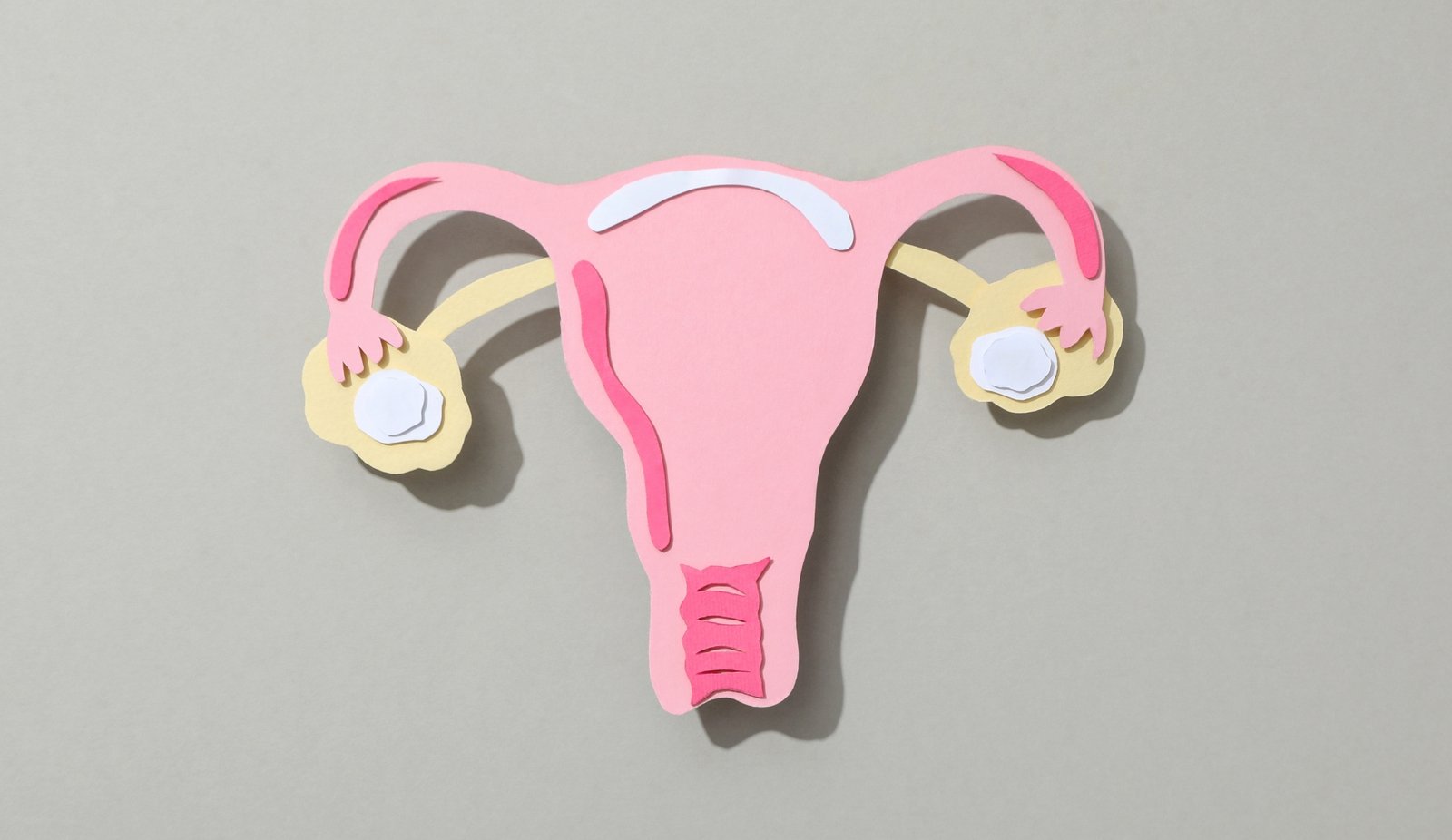
PCOS significantly affects a woman’s fertility by disrupting the hormonal balance necessary for ovulation. Many women diagnosed with PCOS may experience irregular menstrual cycles, which can make it challenging to predict ovulation.
This irregularity decreases the chance of conceiving naturally. Additionally, the hormonal imbalances associated with PCOS often lead to anovulation, where the ovaries do not release eggs, making it nearly impossible to become pregnant without medical assistance.
Women with PCOS may also face additional fertility challenges due to the condition’s potential to cause other health issues, such as insulin resistance and obesity. These factors can further complicate the ability to conceive and increase the risk of pregnancy complications.
To increase the chances of getting pregnant, women diagnosed with PCOS are encouraged to adopt a healthy lifestyle, manage their symptoms effectively, and explore fertility treatments when necessary. Understanding how PCOS affects fertility is crucial for women trying to conceive, as it allows them to take proactive steps toward achieving their pregnancy goals.
Side effects of PCOS During Pregnancy?
Polycystic Ovary Syndrome (PCOS) is a common hormonal disorder. It affects women of reproductive age. Women with PCOS may face unique challenges during pregnancy. The hormonal imbalance often complicates conception and pregnancy outcomes.
– Increased Risk of Miscarriage
Women with PCOS face a higher risk of miscarriage. Elevated insulin levels and hormonal imbalances disrupt the early stages of pregnancy. Maintaining stable blood sugar can help reduce the risk.
– Gestational Diabetes
PCOS increases insulin resistance. This can lead to gestational diabetes during pregnancy. Gestational diabetes affects both mother and baby. It raises the risk of high birth weight and delivery complications.
– Preeclampsia and High Blood Pressure
Expectant mothers with PCOS are more likely to develop preeclampsia. This condition causes high blood pressure and organ damage. It’s a serious issue that requires close monitoring. Early detection is key to better outcomes.
– Preterm Birth
Hormonal disruptions from PCOS may lead to preterm labor. Babies born too early can face developmental delays and health problems. Regular prenatal visits help manage this risk.
C-Section Delivery
Due to complications, many women with PCOS undergo C-section deliveries. Factors like high blood pressure or large baby size play a role. Planning and medical support reduce complications.
– Low Birth Weight
PCOS can also lead to low birth weight in some cases. Placental issues or poor blood flow may contribute. Balanced nutrition and regular checkups support healthier outcomes.
– Mood Swings and Mental Health Challenges
PCOS often causes anxiety and depression. These mental health issues can worsen during pregnancy. Hormonal changes amplify emotional distress. Seeking support and counseling is important.
– Increased Risk of Multiple Pregnancy
PCOS treatment often includes fertility medications. These can increase the chances of twins or more. Multiple pregnancies carry higher risks for complications. Frequent monitoring helps ensure maternal and fetal health.
Understanding the Symptoms of Pregnancy with PCOS (Symptoms of PCOS)
Recognizing the symptoms of PCOS is essential for women to understand their bodies and manage their reproductive health effectively. Common symptoms of PCOS include irregular periods, acne, weight gain, and excessive hair growth.
During pregnancy, women with PCOS may experience alterations in their usual symptoms, such as changes in weight or skin conditions. Understanding these symptoms can help women distinguish between typical pregnancy changes and those related to PCOS.
Women with polycystic ovary syndrome may also experience heightened emotional changes during pregnancy due to hormonal fluctuations. This can lead to anxiety or mood swings, which are important to address for overall well-being.
Additionally, monitoring these symptoms during pregnancy can aid in early detection of potential complications, allowing for timely intervention. By understanding the symptoms of pregnancy with PCOS, women can better prepare for the challenges and joys of pregnancy while managing their condition effectively.
Advantages of Early Pregnancy For PCOS
Early pregnancy can offer several advantages for women with PCOS. One of the most notable benefits is the potential for higher fertility rates. Many women diagnosed with PCOS find that their chances of conceiving naturally are greater when they are younger, as fertility tends to decline with age.
By choosing to get pregnant early, women can take advantage of their peak reproductive years, increasing the likelihood of a successful pregnancy.
Moreover, early pregnancy may also result in fewer pregnancy complications for women with PCOS. Younger women are generally at a lower risk for conditions such as gestational diabetes and hypertension, which can complicate pregnancy.
Additionally, early pregnancy allows women to maintain better overall health, as they may be more physically active and less likely to suffer from the metabolic issues often associated with older age. Overall, the advantages of early pregnancy for women with PCOS highlight the importance of timely family planning and health management.
What Precautions to Take During Pregnancy with Pcos
Why Precautions Matter? Polycystic Ovary Syndrome (PCOS) can make pregnancy more complex. Taking the right steps helps reduce complications and protects both mother and baby. Early care and healthy habits make a major difference.
1. Monitor Blood Sugar Regularly
Women with PCOS are at high risk for gestational diabetes. Check blood sugar levels frequently. Follow your doctor’s advice and stick to a healthy diet. This helps avoid spikes that can harm your baby.
2. Maintain a Healthy Weight
Weight gain should be gradual and controlled. Talk to your doctor about your ideal weight range. Avoid junk food and choose nutrient-rich meals. Healthy weight lowers the risk of high blood pressure and preeclampsia.
3. Eat a Balanced Diet
Focus on whole foods with low glycemic index. Add fruits, vegetables, lean proteins, and healthy fats. Stay away from processed foods, sugary snacks, and soda. Eating right improves hormone balance and supports your baby’s growth.
4. Stay Physically Active
Regular light exercise helps improve insulin sensitivity. Walking, swimming, and prenatal yoga are great choices. Always consult your doctor before starting or continuing workouts during pregnancy.
5. Take Prescribed Medications
Your doctor may recommend Metformin or other medications. These help manage blood sugar and hormone levels. Never skip doses and don’t stop medication without medical advice.
6. Attend All Prenatal Appointments
Regular checkups track your baby’s growth and monitor your health. Ultrasounds, blood tests, and blood pressure checks are essential. Don’t miss any appointments, even if you feel fine.
7. Manage Stress Effectively
Stress can affect hormones and worsen PCOS symptoms. Try meditation, deep breathing, or light stretching. Get enough sleep and lean on your support system for help when needed.
8. Watch for Warning Signs
Stay alert to symptoms like severe swelling, vision changes, or extreme fatigue. These may indicate serious conditions like preeclampsia. Report anything unusual to your doctor right away.
9. Stay Hydrated
Drink plenty of water every day. Good hydration supports digestion, reduces swelling, and helps manage blood sugar levels. Carry a water bottle with you at all times.
10. Avoid Smoking and Alcohol
Both are harmful to you and your baby. Smoking and alcohol can increase the risk of miscarriage and birth defects. Eliminate them completely during pregnancy.
11. Get Enough Sleep
Rest is crucial. Aim for 7–9 hours of quality sleep each night. Good sleep keeps stress levels low and supports hormonal balance.
12. Plan for Delivery Early
Discuss birth plans with your doctor in advance. PCOS may increase the chances of needing a C-section. Being prepared reduces anxiety and leads to better decisions during labor.
Pregnancy with PCOS requires extra care, but it’s manageable. Focus on healthy habits, regular checkups, and following medical advice. With the right precautions, you can enjoy a safe and healthy pregnancy journey.
How To Increase Your Chances of Getting Pregnant with PCOS?
Increasing the chances of getting pregnant with PCOS often involves a multifaceted approach, focusing on lifestyle changes and medical interventions. Women looking to conceive can benefit from maintaining a weight loss plan, as obesity can exacerbate PCOS symptoms and fertility declines.
Regular exercise and a balanced diet rich in whole foods can improve insulin sensitivity and promote hormonal balance, enhancing fertility. Additionally, consulting with a healthcare provider is crucial for women diagnosed with PCOS.
Fertility treatments such as ovulation induction medications or assisted reproductive technologies may be recommended to help women conceive more easily.
Exploring these options can empower women with PCOS to navigate their fertility journey effectively. By adopting healthy habits and seeking appropriate medical care, women can significantly increase their chances of getting pregnant with PCOS.
Fertility Treatment for PCOS to get Pregnant
PCOS and pregnancy can be a challenging journey for many women. Those diagnosed with PCOS often face complications that make it harder to get pregnant. Understanding the causes and signs of PCOS is crucial for those trying to get pregnant. Although there is no definitive cure for PCOS, effective strategies exist to manage PCOS and improve fertility.
Women with PCOS may experience difficulty getting pregnant due to hormonal imbalances that can affect ovulation. As fertility naturally declines with age, it becomes even more important for women with PCOS to address their symptoms. By seeking treatment and lifestyle changes, it is possible to conceive and enhance the chances of becoming pregnant.
Pregnant women with PCOS should be monitored closely, as complications can arise. However, with the right support and treatment, women can successfully manage PCOS symptoms and improve their chances of achieving a healthy pregnancy.
Commonly Asked Questions about Symptoms of PCOS & PCOS pregnancy Success Stories (FAQs)
Can I still get pregnant if I have PCOS?
Yes, women with PCOS can get pregnant. With lifestyle changes, medications, or fertility treatments, many successfully conceive despite hormonal imbalances and irregular ovulation linked to PCOS.
How Can I Conceive with PCOS?
To conceive with PCOS, track ovulation, maintain healthy weight, eat balanced meals, exercise regularly, and use ovulation-inducing medications like Clomid or letrozole under a doctor’s supervision.
What To Do To Increase The Chances Of Conception If You Have PCOS?
Improve diet, lose excess weight, reduce stress, track ovulation, and consult a fertility specialist. Medications like metformin or fertility treatments may also increase conception chances with PCOS.
What are my treatment options for PCOS if I want to get pregnant?
PCOS treatment options include ovulation-stimulating drugs, lifestyle changes, metformin, and assisted reproductive technologies like IUI or IVF if needed for successful pregnancy.
What are the causes of PCOS?
PCOS is caused by hormonal imbalances, insulin resistance, and genetics. These factors disrupt ovulation, increase androgen levels, and cause multiple ovarian cysts, affecting fertility and menstrual cycles.
Can I Get Pregnant Quickly with PCOS?
Getting pregnant quickly with PCOS is possible with lifestyle changes and treatment. However, irregular ovulation may delay conception without medical support or fertility assistance.
How does PCOS affect pregnancy?
PCOS can increase risks during pregnancy, including miscarriage, gestational diabetes, preeclampsia, and preterm birth. Regular prenatal care helps manage these risks for a healthier pregnancy outcome.
Conclusion
What age is best to get pregnant with Pcos? Understanding the best age to get pregnant with PCOS, along with the various challenges and treatments available, is crucial for women looking to conceive. By educating themselves about the condition, managing symptoms, and seeking appropriate medical care, women with PCOS can optimize their chances of a successful pregnancy. Early intervention, lifestyle changes, and fertility treatments can significantly enhance the likelihood of conception, making it essential for women diagnosed with PCOS to take proactive steps toward their reproductive goals. Ultimately, with the right support and information, many women with PCOS can successfully navigate their journey to motherhood.
Recommended posts
- How to Get Pregnant Easy with PCOS (Tips That Actually Work)
- Does Mucinex Help You Get Pregnant? (Facts and Myths)
- 7 Powerful Tips for Getting Pregnant 30-35 Naturally
- Risks of Taking Clomid When You Ovulate (Must-Read)
- 28-Day Diet Plan to Get Pregnant (Best Fertility Food List)
- Miscarriages and Pcos: Expert Tips for Managing The Risk