Have you heard of heterotopic pregnancy and wondered how it differs from a regular pregnancy? This rare condition occurs when a woman has both an intrauterine and an ectopic pregnancy at the same time. Early detection is critical, as missing the signs can lead to serious health risks.
Hetero ectopic pregnancy can cause symptoms like abdominal pain, vaginal bleeding, and sometimes nausea or dizziness. Although extremely uncommon, its occurrence has risen with the increased use of fertility treatments. In this article, we’ll explore the causes, warning signs, and essential steps for early diagnosis of heterotopic pregnancy to keep both mother and intrauterine pregnancy safe.
Recognizing heterotopic pregnancy early is not always straightforward. According to Dr. Erica Gunderson from Johns Hopkins Medicine, awareness and prompt medical evaluation can save lives. So, let’s dive into the key symptoms, risk factors, and management strategies for this rare but serious condition.
What Is Heterotopic Pregnancy?
Heterotopic pregnancy refers to the simultaneous occurrence of pregnancies at two separate implantation sites, usually an intrauterine pregnancy coexisting with an ectopic pregnancy.
Unlike a standard ectopic pregnancy, which occurs exclusively outside the uterus, heterotopic pregnancies challenge clinicians because standard diagnostic approaches may be misleading. The ectopic component most commonly occurs in the fallopian tube, but ovarian, cervical, and abdominal implantations have also been reported.
This condition is particularly relevant in assisted reproductive technology (ART) scenarios, such as in vitro fertilization (IVF), where the risk is markedly increased. The coexistence of two gestational sites complicates both diagnosis and management, as interventions must consider the viability of the intrauterine pregnancy while addressing the life-threatening risks associated with the ectopic pregnancy.
How Common Is Heterotopic Pregnancy?
Historically, heterotopic pregnancies were exceedingly rare, with estimated incidence rates of 1 in 30,000 naturally conceived pregnancies. However, the landscape has shifted dramatically with the widespread use of ART, ovulation induction, and fertility-enhancing medications. In assisted reproduction settings, the incidence can rise significantly, reaching approximately 1 in 100 pregnancies.
Additional risk factors include previous pelvic inflammatory disease, tubal surgery, and a history of ectopic pregnancies. Despite its increased prevalence in certain populations, heterotopic pregnancy remains challenging to diagnose, primarily due to its nonspecific clinical signs and the assumption that the presence of an intrauterine gestation excludes ectopic pregnancy.
Symptoms of Heterotopic Pregnancy
The clinical presentation of heterotopic pregnancy is often subtle, overlapping with normal early pregnancy symptoms, which complicates early detection. Key symptoms may include:
- Abdominal Pain: Persistent or localized pain, often unilateral, can suggest ectopic involvement.
- Vaginal Bleeding: Spotting or mild bleeding may occur, sometimes mistaken for implantation bleeding or threatened miscarriage.
- Adnexal Mass: On physical examination or ultrasonography, an adnexal mass may indicate ectopic pregnancy.
- Hemodynamic Instability: In cases of rupture, patients may present with hypotension, tachycardia, and signs of internal bleeding, constituting a medical emergency.
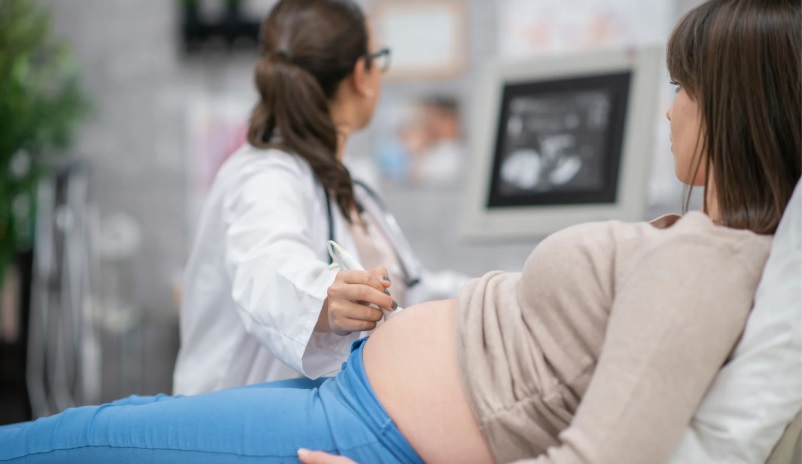
Early recognition relies heavily on high-resolution ultrasonography, which can detect both intrauterine and extrauterine gestations. Serial beta-human chorionic gonadotropin (β-hCG) measurements may also provide diagnostic clues but are often unreliable alone, given that β-hCG rises can reflect the intrauterine pregnancy.
International Journal of Surgery Case Reports
The International Journal of Surgery Case Reports has published numerous instances highlighting the challenges and management strategies of Hetero ectopic pregnancy.
One notable case involved a patient undergoing IVF who presented with acute lower abdominal pain and mild vaginal bleeding. Transvaginal ultrasonography revealed a viable intrauterine pregnancy alongside a tubal ectopic pregnancy.
The surgical team opted for a laparoscopic salpingectomy to remove the ectopic gestation while preserving the intrauterine pregnancy. The patient subsequently carried the intrauterine pregnancy to term successfully.
Such reports emphasize the importance of a multidisciplinary approach, combining obstetrics, gynecology, and surgical expertise, to optimize outcomes for both the mother and the intrauterine fetus.
Further studies indicate that minimally invasive surgery, careful monitoring, and timely intervention significantly enhance the chances of maintaining the intrauterine pregnancy, underscoring the critical role of early diagnosis.
Can a Hetero Ectopic Pregnancy Be Saved?
The question of whether a hetero ectopic pregnancy can be “saved” largely depends on the timing of diagnosis, the location of the ectopic gestation, and the patient’s overall clinical stability.
- Surgical Management: Laparoscopy or laparotomy remains the gold standard for removing the ectopic component while preserving the intrauterine pregnancy.
- Expectant Management: Rarely, in carefully monitored and asymptomatic patients with a small, non-ruptured ectopic, observation may be considered. However, this carries significant risk.
- Medical Management: Standard medical approaches for ectopic pregnancies, such as methotrexate, are contraindicated when a viable intrauterine pregnancy is present.
Successful preservation of the intrauterine pregnancy is achievable in many cases when early diagnosis is made, and surgical intervention is performed promptly. The key lies in balancing the risks of ectopic rupture and maternal morbidity against the desire to maintain a healthy intrauterine gestation.
Common Questions about Spontaneous Heterotopic Pregnancy (FAQs)
What is heterotopic pregnancy?
A hetero ectopic pregnancy is a rare condition with both intrauterine and ectopic pregnancies. Symptoms include abdomen pain and ultrasound may show free fluid from rupture. It requires urgent medical or surgical care.
What causes heterotopic pregnancy?
Heterotopic pregnancy is often due to IVF or fertility treatments, where multiple embryos implant. One gestational sac forms in the uterus, another outside—risking a ruptured ectopic pregnancy. Early ultrasound is vital.
Heterotopic pregnancy can one baby survive?
Yes, the intrauterine baby can often survive if the ectopic is treated early. Key factors include weeks of gestation and prompt care. The pregnancy due to heterotopicity requires delicate management to preserve the uterine pregnancy.
What is a heterotopic pregnancy?
A heterotopic pregnancy is a rare condition where a woman has both an intrauterine pregnancy and an extrauterine pregnancy, typically in the fallopian tube. This condition can occur in natural conception or after assisted reproductive technologies, such as in vitro fertilization. The simultaneous presence of these pregnancies poses significant risks to the mother and requires careful management.
What are the signs and symptoms of a heterotopic pregnancy?
Common signs and symptoms of a heterotopic pregnancy may include abdominal pain, vaginal bleeding, and signs of early pregnancy. Symptoms can vary depending on whether the ectopic pregnancy has ruptured, which may cause severe pain and internal bleeding. Early diagnosis through ultrasound is crucial for effective management.
How is the diagnosis of a heterotopic pregnancy made?
The diagnosis of hetero ectopic pregnancy often involves transvaginal ultrasound to visualize both the intrauterine and extrauterine pregnancies. An elevated level of hCG can also indicate a pregnancy. However, the presence of an intrauterine gestation along with suggestive signs of an ectopic pregnancy is critical for diagnosis.
What are the risk factors for developing a heterotopic pregnancy?
Risk factors for heterotopic pregnancy include previous ectopic pregnancies, use of assisted reproductive technologies, and a history of pelvic inflammatory disease. Additionally, factors such as an enlarged uterus or abnormalities in the fallopian tubes may increase the likelihood of this condition.
What is the management of heterotopic pregnancy?
The management of heterotopic pregnancy often requires a multidisciplinary approach. If the ectopic component is not ruptured, observation may be an option, but surgical intervention may be necessary if there is a rupture or significant risk of one. The treatment of heterotopic pregnancy should prioritize the viability of the intrauterine pregnancy while addressing the ectopic pregnancy.
What is the incidence of heterotopic pregnancy?
The incidence of heterotopic pregnancy is relatively low, estimated at 1 in 30,000 pregnancies, but it can be higher in women undergoing fertility treatments. The increased use of assisted reproductive technologies has contributed to a rise in reported cases of heterotopic pregnancies.
Can a heterotopic pregnancy be viable?
Yes, a hetero ectopic pregnancy can result in a viable intrauterine pregnancy if diagnosed early and managed appropriately. In some cases, women have successfully carried an intrauterine pregnancy to term while treating the ectopic component, although this is contingent upon the specific circumstances and timing of diagnosis.
What complications can arise from a heterotopic pregnancy?
Complications from a heterotopic pregnancy can include rupture of the ectopic pregnancy, which may lead to internal bleeding and require emergency medical intervention. Additionally, the presence of concurrent pregnancies can complicate monitoring and management, impacting both maternal and fetal health if not handled promptly.
How does a heterotopic pregnancy affect future pregnancies?
Women who have experienced a heterotopic pregnancy may have concerns regarding future pregnancies. While many can conceive normally afterward, the history of ectopic pregnancy may increase the risk of recurrence. It is essential for such individuals to discuss their reproductive health with a healthcare provider to monitor any potential risks in subsequent pregnancies.
What happens to the uterus during ectopic pregnancy?
In an ectopic pregnancy, the uterus remains empty as the embryo implants outside the uterine cavity (e.g., tube, ovary). The uterine lining may still thicken due to hormones, but no viable pregnancy develops inside.
Why is KCl used in ectopic pregnancy?
KCl (potassium chloride) is injected into ectopic pregnancies (e.g., cornual or heterotopic) to stop the embryonic heart, preserving the uterine pregnancy. It’s a targeted, medical alternative to surgery in select cases.
Conclusion
Hetero ectopic pregnancy, though rare, represents a potentially life-threatening condition that requires vigilance, rapid diagnosis, and expert management. With the increasing prevalence of assisted reproductive techniques, clinicians must maintain awareness of this complex scenario to prevent delayed intervention. Early ultrasonography, careful symptom evaluation, and multidisciplinary care are critical to optimizing outcomes. Case reports and literature review, particularly those in the International Journal of Surgery Case Reports, provide invaluable insights into successful management strategies, demonstrating that with timely and appropriate care, the intrauterine pregnancy can often be preserved.
Understanding the nuances of heterotopic pregnancy equips healthcare providers to act decisively, minimizing risks and supporting positive maternal and fetal outcomes in these challenging cases.
Recommended posts
- Cesarean Scar Ectopic Pregnancy Survival Rate: (Key Facts)
- ICD 10 for Ectopic Pregnancy – Types, Codes, and Guidelines
- Ectopic Pregnancy IVF – Risks, Warning Signs, and Care Tips