
What does present parenting mean? In today’s fast-paced world, are you truly present with your child, or just physically there? Present parenting isn’t about perfection—it’s about being emotionally available, engaged, and responsive to your child’s needs.
Present parenting means fully focusing on your child in the moment, free from distractions. Experts like Dr. Daniel Siegel emphasize the importance of connection, mindful communication, and emotional attunement. When parents practice presence, children develop stronger emotional intelligence, resilience, and trust.
But how do you integrate present parenting into daily life? From setting aside distractions to fostering deeper conversations, this parent coaching guide will help you master mindful parenting. Let’s explore the practical steps to becoming a truly present parent!
What Does It Really Mean To Be A Present Parent?
Being a present parent means actively engaging with your child in the current moment, rather than being preoccupied with distractions or future concerns. It involves attuning to your child’s emotional needs and validating their feelings.

Present parents practice mindfulness, which helps them to calmly navigate parenting struggles and challenges. This style of parenting fosters a secure attachment, allowing children to feel safe and understood while they explore their world. By prioritizing their child’s emotional well-being, parents can create meaningful connections that last a lifetime.
Moreover, present parenting is about embracing patience and compassion, even in the face of frustration. It encourages parents to ground themselves in the present moment, avoiding the urge to yell or react impulsively.
Instead, they focus on soothing their child’s emotional turmoil, helping them learn to manage their feelings. This dynamic interaction not only strengthens the parent-child bond but also equips children with essential emotional skills for navigating life’s challenges.
Ultimately, being a present parent is a commitment to fostering an enriching and supportive environment that promotes healthy development.
Are Parent-Contrived Rewards and Punishments Effective?
Many parents grapple with the effectiveness of contrived rewards and punishments in shaping their child’s behavior. While these methods can sometimes lead to immediate compliance, they often fail to address the underlying emotional needs of the child.
Instead of fostering genuine connections, rewards and punishments can create an environment of conditional love, which may lead to feelings of neglect and resentment. Present parenting encourages a more empathetic approach, where understanding and validation take precedence over external incentives.
In a mindful parenting framework, it is crucial to recognize that every child is unique and may respond differently to various strategies. By focusing on the emotional landscape behind challenging behaviors, parents can develop a more effective parenting style.
This includes learning to communicate openly and reassuringly with their children, allowing for an exploration of feelings rather than relying solely on behavioral control methods. Ultimately, shifting the focus from rewards and punishments to emotional connection fosters a deeper sense of trust and security in the parent-child relationship.
Challenging Behavior Causes and Healing Techniques
Understanding the causes of challenging behavior in children is essential for effective parenting. Behavioral struggles often stem from unmet emotional needs, overwhelming situations, or developmental stages.
Parents who adopt a present moment parenting approach can identify these triggers and respond with empathy rather than frustration. This perspective allows them to validate their child’s feelings, fostering an environment where children feel comfortable expressing themselves without fear of judgment.
Healing techniques such as mindfulness practices can greatly benefit both parents and children. By cultivating patience and compassion, parents can learn to respond thoughtfully to their child’s behaviors rather than react impulsively.
Engaging in active listening and seeking to attune to their child’s emotional state creates an opportunity for meaningful connection.
Through this process, parents can support their children in developing healthy coping mechanisms, ultimately empowering them to navigate their emotions more effectively. parenting in the present moment transforms challenging behavior into opportunities for growth and understanding.
How to Be Present Parent During a Frustrating Moment?
Frustrating moments are inevitable in parenting, but how parents respond can significantly impact their relationship with their child. To be a present parent during these times, it is essential to practice deep breathing and remain grounded in the present moment.
This mindfulness technique helps parents manage their emotional responses, preventing them from acting out of frustration or exhaustion. By taking a step back, parents can approach the situation with a calm demeanor, fostering a more constructive dialogue.
Additionally, validating a child’s feelings during challenging moments is crucial. This means acknowledging their emotions and reassuring them that it is okay to feel upset or frustrated. Instead of reacting with anger or dismissal, present parents can connect with their children on a deeper level, helping them to navigate their feelings. By practicing empathy and offering support, parents can turn frustrating moments into opportunities for learning and connection, ultimately strengthening the parent-child bond.
Present Moment Parenting Guide BY Tina Feigal
Tina Feigal’s “Present Moment Parenting” A Guide for Couples Therapy to Mend Emotional Injuries and Childhood Trauma, Aiming to Foster Enduring Connections Through Personal Development, offers invaluable insights into fostering a mindful parenting approach. The guide emphasizes the importance of being fully present with your child, promoting emotional intelligence and resilience.
The Parenting Coach Feigal encourages parents to embrace their child’s unique perspective and honor their feelings, creating a nurturing environment that cultivates growth.
By integrating practical techniques from the guide, parents can enhance their ability to stay present and attune to their child’s needs.
Feigal’s approach underscores that meaningful connections arise from mindful interactions. Through her teachings, parents learn to develop a mindset centered on compassion and acceptance, which helps to reduce feelings of overwhelm and frustration.
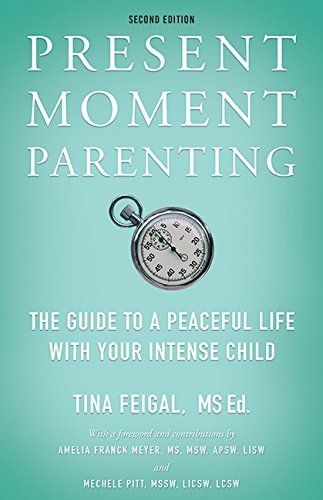
By practicing present moment parenting, caregivers can create a safe space where children feel heard and valued. Ultimately, Tina Feigal’s guide serves as a powerful resource for parents seeking to strengthen their connection with their children and navigate the challenges of parenting with mindfulness.
Stop YELLING and Start Connecting
Yelling often stems from parental frustration and can have detrimental effects on a child’s emotional well-being. Instead of fostering a sense of safety, it may lead to feelings of fear and confusion, ultimately hindering meaningful connections.
Present parenting advocates for a shift away from yelling, encouraging parents to utilize calm communication techniques. By adopting a compassionate approach, parents can connect with their children on an emotional level, reinforcing trust and understanding.
Developing patience and empathy is key to reducing the impulse to yell. When parents take the time to attune to their child’s feelings and needs, they can respond more thoughtfully, creating an environment conducive to open dialogue.
This connection not only helps children feel safe but also empowers them to express their emotions without fear. By prioritizing connection over confrontation, parents can foster a positive parenting atmosphere that nurtures healthy emotional development and strengthens the parent-child bond.
5 Simple Tips to Be a More Present Parent
In today’s fast-paced world, being truly present for our children can be a challenge. Between work, social obligations, and digital distractions, it’s easy to feel disconnected. Here are five simple yet effective tips to help you become a more present parent and strengthen your bond with your child.
1- Put Away Digital Distractions
Make a conscious effort to set aside your phone, laptop, and other electronic devices when spending time with your child. Create designated tech-free zones, such as the dinner table or bedtime routine, to encourage meaningful interactions without interruptions.
2- Engage in Active Listening
When your child talks to you, give them your full attention. Make eye contact, acknowledge their feelings, and respond thoughtfully. Avoid multitasking and show them that their thoughts and emotions matter to you.
3- Schedule One-on-One Time
Dedicate time each day or week for one-on-one activities with your child. Whether it’s reading a book, playing a game, or taking a walk, having undivided attention during these moments helps foster a deeper connection and builds lasting memories.
4- Practice Mindfulness Together
Mindfulness can help both you and your child stay present. Engage in simple activities like deep breathing, nature walks, or mindful eating to cultivate awareness and appreciation for the moment.
5- Lead by Example
Children learn by observing their parents. Demonstrate present and mindful behavior in your daily life, such as maintaining eye contact, being patient, and engaging fully in conversations. Your actions will encourage them to do the same.
By incorporating these small changes into your routine, you can become a more present and attentive parent. Your child will feel valued, heard, and loved, leading to a stronger and more fulfilling parent-child relationship.
The Foundation of Positive Parenting
Positive parenting is anchored in the principles of empathy, respect, and connection. This foundation encourages parents to prioritize their child’s emotional needs, fostering an environment where children feel secure and valued.
Present parenting plays a pivotal role in positive parenting by emphasizing the importance of being aware and attuned to a child’s emotional state. This style of parenting nurtures healthy relationships and promotes emotional intelligence, allowing children to thrive.
Furthermore, positive parenting encourages parents to model resilience and patience in their interactions. By approaching parenting challenges with a positive mindset, caregivers can create opportunities for growth and learning.
This foundational approach shifts the focus from punitive methods to supportive strategies that empower children to navigate their emotions effectively. Ultimately, the integration of present parenting principles into positive parenting creates a holistic approach that promotes healthy child development and strengthens family bonds.
Accountability Pyramid Mindsets
The Accountability Pyramid Mindset is a transformative framework that encourages parents to reflect on their actions and choices. At its core, this model emphasizes the importance of taking responsibility for one’s parenting style and recognizing how it impacts a child’s emotional well-being.
By embracing this mindset, parents can foster a culture of accountability within their family, leading to more meaningful connections and supportive dynamics. This framework also encourages parents to examine their responses to challenging behaviors. Instead of reacting impulsively, the Accountability Pyramid empowers caregivers to approach situations with empathy and understanding.
By validating their child’s feelings and expressing patience, parents can create a safe space for open communication. Ultimately, adopting an Accountability Pyramid Mindset strengthens the parent-child bond, promoting a nurturing environment where children feel heard and valued.
Conclusion
In conclusion, present parenting offers a transformative approach that emphasizes mindfulness, empathy, and connection. By understanding the principles of present moment parenting, parents can create a nurturing environment that addresses their child’s emotional needs. This style of parenting fosters healthy relationships and equips children with the emotional skills necessary for navigating life’s challenges. As caregivers strive to be more present, they not only enhance their children’s development but also cultivate a more fulfilling parenting experience. Embracing these principles ultimately leads to stronger family bonds and a deeper understanding of the dynamic journey of parenthood.
Recommended posts
- Parenting Tips Live a Moment: Practical Advice for Happy Kids
- Handling Parenting Arguments Over Different Parenting Styles
- What Is Horizontal Parenting? A Lazy Yet Effective Hack
- What Is a Helicopter Parenting Style: (Pros, Cons & Effects)
- How Does Attachment Theory and Parenting Styles Relate
- Top Attachment Parenting Books Every Parent Should Read