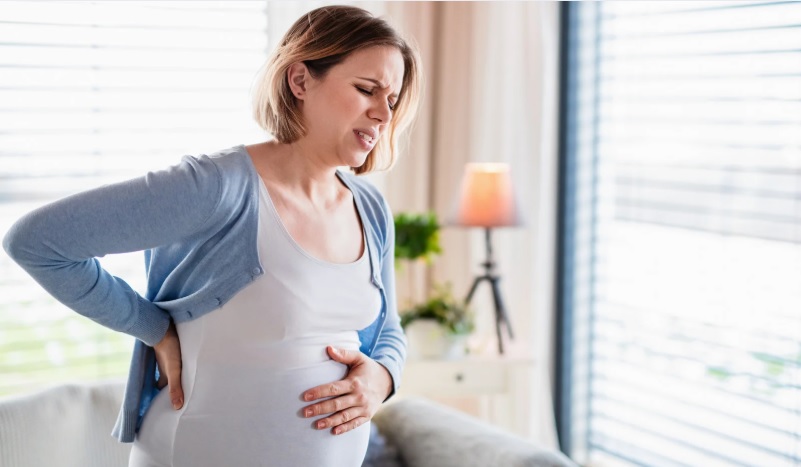
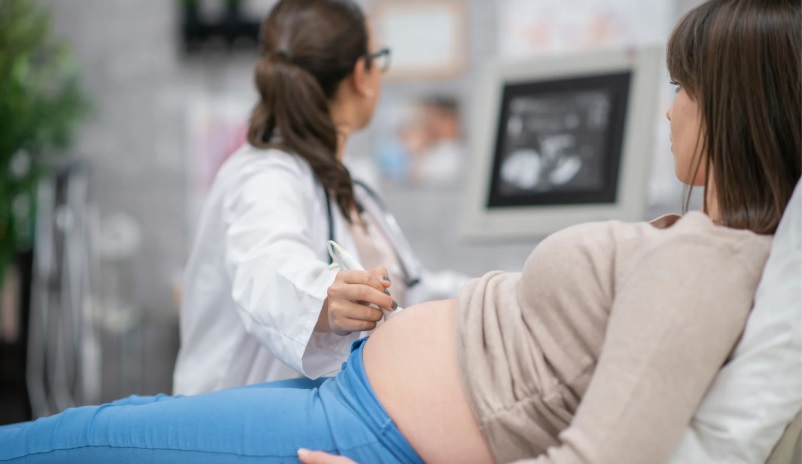
Have you ever wondered what does PE pain feel like and why it happens in the first place? Many people experience discomfort in the pelvic area but can’t quite describe whether it’s dull, sharp, or burning. Understanding this kind of pain is crucial, as it can affect daily life, intimacy, and overall well-being. So, what exactly does PE pain feel like, and what does it tell us about our health?
PE pain—short for pelvic pain—often feels like a deep ache, a pulling sensation, or even a stabbing discomfort in the lower abdomen or groin. It may come and go or linger constantly, depending on its cause.
Experts like Dr. Jennifer Gunter, a renowned gynecologist, explain that such pain can result from muscular tension, inflammation, or nerve sensitivity linked to conditions like prostatitis or pelvic floor dysfunction.
But that’s just the beginning of what’s really going on inside your body. In this article, we’ll explore the real sensations of PE pain, what medical science says about its origins, and when it’s time to seek professional help. Ready to uncover What does a PE feel like? and learn how to manage it effectively? Let’s dive in.
Do You Have DVT?
Before we can fully understand a pulmonary embolism, we must first address its most common origin point: Deep Vein Thrombosis (DVT). A pulmonary embolism does not typically materialize out of nowhere; in the vast majority of cases, it is a complication of DVT.
What is DVT?
Deep Vein Thrombosis occurs when a blood clot forms in one or more of the deep veins in your body, most commonly in the legs. This clot can partially or completely block blood flow, causing a cascade of symptoms in the affected limb.
Key Symptoms of DVT to Watch For:
- Swelling: Often in one leg, though it can sometimes occur in both.
- Pain: The pain typically starts in your calf and can feel like a cramp or a soreness that doesn’t resolve. It may worsen when you bend your foot upward.
- Red or Discolored Skin: The skin on the affected leg may take on a red or purplish hue.
- A Sensation of Warmth: The area around the clot may feel noticeably warmer to the touch than the surrounding skin.
The critical danger is that a piece of this clot (an embolus) can break free, travel through your bloodstream, and eventually lodge itself in an artery supplying your lungs. This traveling clot is what becomes a pulmonary embolism, cutting off blood flow to a portion of the lung. Therefore, if you suspect you have DVT, you are also at risk for a PE, and seeking immediate medical evaluation is non-negotiable.
What Does Pe Pain Feel Like?
The pain associated with a pulmonary embolism is distinct and is often the symptom that prompts individuals to seek help. It is not a single, monolithic sensation but rather a complex pain that can be described in several key ways. Understanding this nuance is vital for recognition.
- Pleuritic Chest Pain: This is the most classic and frequently described type of PE pain. It is a sharp, stabbing pain that is often localized to one specific area of the chest. The defining characteristic of pleuritic pain is that it intensifies dramatically when you take a deep breath, a symptom known as pleurisy. You may find yourself taking shallow, rapid breaths to avoid the sharp, knife-like sensation. Similarly, coughing, sneezing, or even laughing can trigger or worsen this pain.
- A Dull, Aching Pain: While less common than the sharp, pleuritic type, some individuals experience a persistent, dull ache in the chest. This can be misleading, as it is sometimes mistaken for a muscle strain or indigestion. However, its constant nature and location should raise concern.
- Pain that Mimics a Heart Attack: In some cases, a large PE can cause a crushing, central chest pain that radiates to the shoulder, arm, neck, or jaw. This occurs because the blockage is placing immense strain on the right ventricle of the heart, mimicking the symptoms of a myocardial infarction (heart attack).
- Pain Upon exertion: The pain may be subtle at rest but becomes pronounced and unbearable with any form of physical activity. This is due to the increased demand for oxygen that the blocked lung vessels cannot supply.
Location of the Pain: The pain is typically felt on the side of the chest where the clot has lodged, but it can also be felt in the center of the chest or the upper back, between the shoulder blades.
Common Symptoms of a pulmonary embolism – 7 Signs You Shouldn’t Ignore
While pain is a hallmark symptom, a pulmonary embolism is a multi-system event. It is the combination of symptoms that often paints the clearest picture. Here are the seven signs you should never ignore.
- Sudden Shortness of Breath (Dyspnea): This is the most common symptom of a PE. It can occur at rest or during activity and often comes on abruptly. You may feel like you cannot get enough air, no matter how hard you try to breathe. This is a direct result of the lung’s impaired ability to oxygenate blood.
- Rapid Heartbeat and Palpitations: As your heart struggles to pump blood through the blocked lung arteries, it must work harder and faster. This can lead to a sensation of your heart racing, pounding, or fluttering (palpitations), a condition known as tachycardia.
- Coughing (Sometimes with Blood): A persistent, sudden-onset cough is another frequent symptom. In more severe cases, this cough may produce bloody or blood-streaked sputum, a condition known as hemoptysis. This occurs due to damage or death of lung tissue.
- Unexplained Lightheadedness or Dizziness: The reduced oxygen flow to your brain, combined with the strain on your heart, can cause feelings of dizziness, lightheadedness, or even vertigo. This is a serious sign that your brain is not receiving adequate oxygen.
- Excessive Sweating and Anxiety: Your body may go into a “fight or flight” response, leading to sudden, clammy, or profuse sweating unrelated to temperature or exertion. This is often accompanied by a profound sense of dread, anxiety, or a feeling of “impending doom.”
- Cyanosis: A Bluish Tint to the Skin: In severe, life-threatening PEs, a lack of oxygen in the blood can cause a bluish discoloration of the skin, particularly around the lips, fingers, and toes. This is a critical sign of a medical emergency.
- Fainting or Near-Fainting (Syncope): If the blockage is massive, it can cause a sudden drop in blood pressure, leading to fainting or loss of consciousness. This is one of the most severe signs of a PE and requires immediate resuscitation.
Major Risk Factors of Pulmonary Embolism
Understanding your personal risk is a powerful tool in prevention. Several factors can increase the likelihood of developing a blood clot that leads to a PE. These are often categorized by the Virchow’s Triad of factors contributing to thrombosis: venous stasis (slowed blood flow), hypercoagulability (increased blood clotting tendency), and endothelial injury (damage to the blood vessel wall).
Common Symptoms Risk Factors Include:
- Prolonged Immobility: This is a primary cause of venous stasis. Long-haul flights or road trips (“economy class syndrome”), extended bed rest after surgery or illness, or being sedentary for long periods.
- Surgery or Trauma: Major surgery, particularly involving the hips, knees, or pelvis, and significant trauma (like a car accident) can damage blood vessels and promote clotting.
Medical Conditions:
- Cancer: Certain cancers and chemotherapy treatments increase the risk.
- Heart Disease: Heart failure significantly elevates risk.
- Inherited Blood Clotting Disorders: Conditions like Factor V Leiden make blood more prone to clotting.
Pregnancy and Postpartum: The pressure of the uterus on veins and hormonal changes increase risk during pregnancy and for up to six weeks after childbirth.
- Hormone-Based Medications: Birth control pills, patches, and hormone replacement therapy (HRT) can increase clotting factors.
- Obesity: Excess weight increases pressure in the veins of the pelvis and legs.
- Smoking: Smoking affects blood coagulation and circulation.
- Personal or Family History: A previous DVT/PE or a family history of clots puts you at higher risk.
- Age: While a PE can occur at any age, the risk increases after 60.
Pulmonary Embolism Treatment
The primary goals to treat a PE are to stop the clot from growing, prevent new clots from forming, and, in severe cases, rapidly remove or dissolve the existing clot. The specific medicine depends on the size of the clot and its impact on your heart and lung function.
- Anticoagulants (Blood Thinners): This is the most common treatment. These medications do not “thin” the blood or dissolve the existing clot; instead, they prevent new clots from forming and stop existing ones from getting larger, allowing your body’s natural systems to break them down over time. They can be administered via injection (like Heparin) or in pill form (like Apixaban, Rivaroxaban).
- Thrombolytics (Clot Busters): In life-threatening situations where there is a massive PE causing severe low blood pressure, doctors may use powerful, fast-acting drugs called thrombolytics. These are administered intravenously to rapidly dissolve the clot. Their use carries a significant risk of blood clots and is reserved for the most critical cases.
- Surgical and Minimally Invasive Procedures:
- Thrombectomy: A surgical procedure to physically remove the clot from the pulmonary artery. This is often considered when thrombolytics are too risky or have failed.
- Embolectomy: Similar to a thrombectomy, this is the surgical removal of an embolus.
- Inferior Vena Cava (IVC) Filter: For patients who cannot take anticoagulants, a small, metal filter can be placed in the large abdominal vein (the vena cava) to catch clots traveling from the legs before they reach the lungs.
4. Compression Stockings: These special elastic stockings help prevent the swelling and chronic pain that can sometimes occur after a DVT (a condition called post-thrombotic syndrome) by applying gentle pressure to the legs.
Common Questions ON Pulmonary embolism Symptoms and causes (FAQs)
What are the common symptoms of a pulmonary embolism?
Symptoms of a pulmonary embolism can vary widely among individuals. Some may experience sudden shortness of breath, chest pain that worsens with deep breaths, or a cough that may produce blood. Other signs include rapid heart rate, lightheadedness, or fainting. It’s crucial to recognize these symptoms as they can indicate a serious condition that requires immediate medical attention.
What are the risk factors associated with pulmonary embolism?
Several risk factors can increase the likelihood of developing a pulmonary embolism. These include being immobile for long periods of time, such as during long flights or after surgery, having a history of deep vein thrombosis (DVT), certain medical conditions that affect blood clotting, and being overweight. Additionally, smoking and prolonged periods of inactivity can also put you at risk for clot formation.
How can blood tests help in a PE diagnosis?
Blood tests play a significant role in diagnosing pulmonary embolism. They can help determine if there are elevated levels of D-dimer, a protein fragment that indicates clot formation in the body. However, elevated D-dimer levels can also be seen in other conditions, so additional imaging tests like a CT scan or pulmonary angiogram may be necessary for a definitive diagnosis.
What pulmonary embolism treatment options are available?
Treating a pulmonary embolism often involves the use of anticoagulants, which help prevent further clot formation and allow the body to dissolve existing clots. In severe cases, thrombolytic therapy may be used to quickly break down large clots. It’s essential to start treatment as soon as possible after Duplex ultrasound diagnosis to reduce the risk of complications, including pulmonary infarction or even death.
What is the relationship between DVT and PE?
DVT, or deep vein thrombosis, occurs when small clots form in the deep veins, usually in the legs. These clots can dislodge and travel through the blood to the lungs, resulting in a pulmonary embolism. Understanding this connection highlights the importance of preventing blood clots in the legs, especially during long periods of inactivity.
What are the signs and symptoms of pulmonary embolism?
Signs of pulmonary embolism include sudden onset of shortness of breath, sharp chest pain, and a persistent cough, often producing blood. Other symptoms can include rapid heart rate and feeling lightheaded. Recognizing these symptoms early is critical since pulmonary embolism can cause serious complications if not treated promptly.
How does pulmonary embolism affect blood flow and oxygen?
A blood clot that blocks an artery in the lung restricts blood flow and oxygen levels, leading to reduced oxygen supply to the body’s tissues. This can increase blood pressure in the pulmonary arteries, potentially resulting in pulmonary hypertension. If the blood flow to your lungs is significantly impaired, it can lead to serious complications and a decline in overall health.
Can a chest x-ray be used to diagnose pulmonary embolism?
A chest x-ray is often one of the first imaging tests performed when a pulmonary embolism is suspected. While it cannot directly visualize a clot, it can help rule out other conditions and show signs of complications like pulmonary infarction. More definitive tests, such as a CT scan or pulmonary angiogram, are generally needed to confirm the presence of a blood clot in your lung.
Conclusion
So, What does a PE feel like? A pulmonary embolism is a swift and serious medical event where every minute counts. The question “What Does Pe Pain Feel Like” is more than a search query; it is a search for a lifeline. The pain is often sharp, stabbing, and breath-dependent, but it can also be deceptively vague. It is the constellation of symptoms—the sudden shortness of breath, the rapid heartbeat, the coughing, and the sense of impending doom—that creates the full, terrifying picture.
If you or someone you know is experiencing any combination of these symptoms, especially with known risk factors like recent surgery or immobility, do not wait. Your immediate action to call emergency services or get to the nearest emergency room is the single most important factor in achieving a positive outcome. Listen to your body; it may be sending you a signal you cannot afford to ignore.
You might also like
- Amniotic Fluid Embolism Risk Factors: A Comprehensive Guide
- 5 Warning Signs and Symptoms of Amniotic Fluid Embolism
- Diagnosis of Amniotic Fluid Embolism (The Life-Saving Steps)