
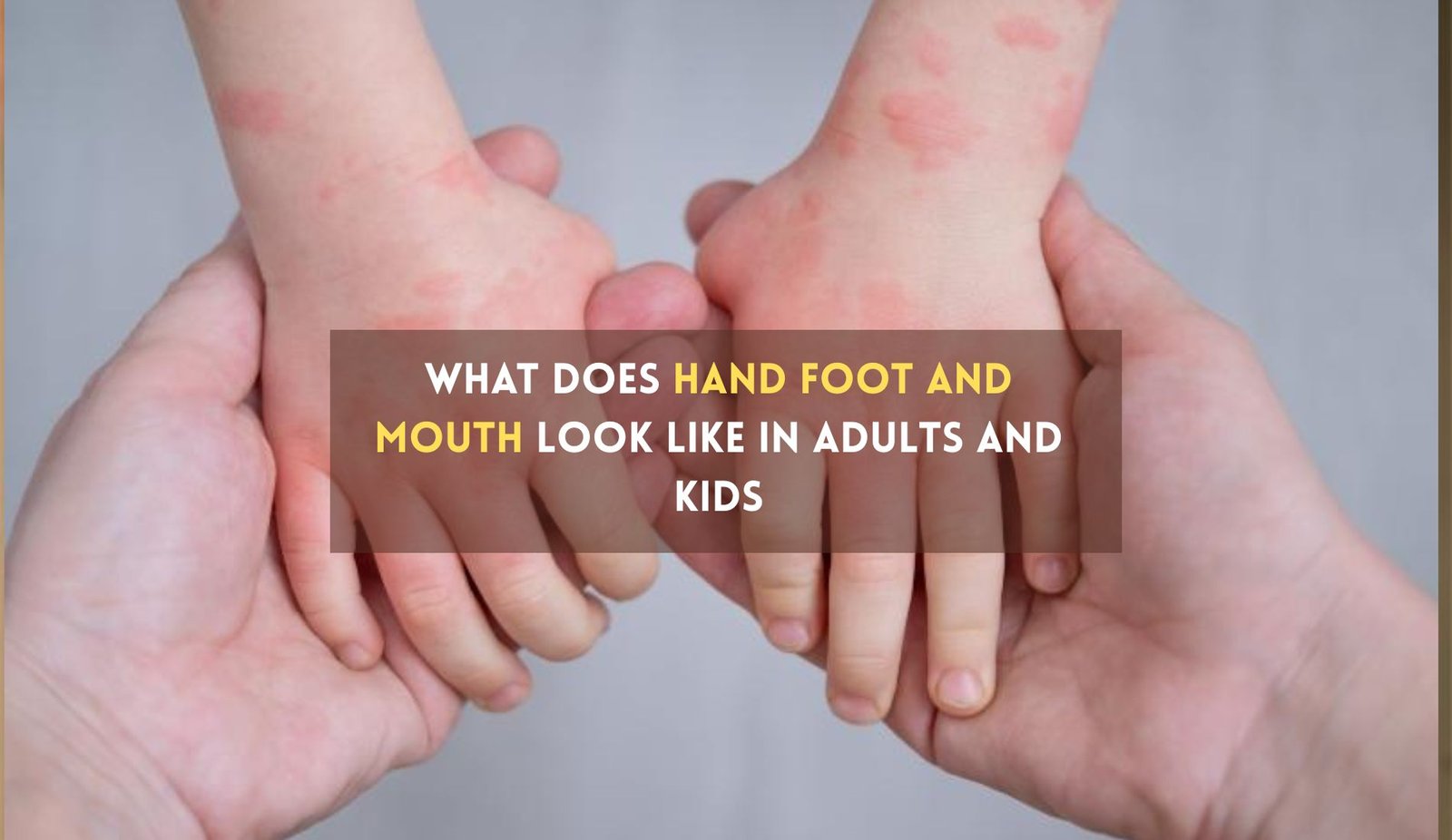
Have you ever noticed small red spots or blisters appearing suddenly on your child’s hands, feet, or mouth and wondered if it could be Hand, Foot, and Mouth Disease (HFMD)? This viral infection, while common among kids, can sometimes affect adults too—causing confusion and concern about how it looks and spreads. Recognizing the early signs is the key to managing it quickly and comfortably.
In this article, we’ll break down exactly what does Hand, Foot, and Mouth look like in both adults and children. You’ll learn how symptoms differ by age, what the typical rash and mouth sores look like, and how long they last. We’ll also share expert-backed insights to help you identify it early and prevent further infection in your home.
But the visual signs are only part of the story. As Dr. William Schaffner, an infectious disease specialist at Vanderbilt University, explains, early detection and care make a big difference in recovery. So, let’s dive deeper into the telltale symptoms and see how HFMD truly appears in adults and kids.
Can Adults Get Hand, Foot and Mouth Disease?
Yes — adults can absolutely contract Hand, Foot, and Mouth Disease, even though it’s more common in children under the age of 5. The reason adults tend to get it less frequently is due to prior exposure and developed immunity. However, outbreaks can still occur among adults, especially in close-contact environments such as schools, daycares, and workplaces.
In adults, the virus responsible — typically Coxsackievirus A16 or Enterovirus 71 — enters through the mouth or nose and spreads via respiratory droplets, saliva, or contact with contaminated surfaces. Adults often experience milder symptoms, but they can still transmit the virus to others, particularly young children or immunocompromised individuals.
Risk factors for adults include:
- Direct contact with an infected child
- Poor hand hygiene
- Weakened immune system
- Working in healthcare or childcare settings
Although adult cases may not always show the characteristic rash or sores, it’s essential to recognize early symptoms to avoid spreading the infection.
What Does Hand Foot and Mouth Look Like in Adults?
In adults, Hand, Foot, and Mouth Disease can present differently than in children. Some adults remain asymptomatic, while others develop mild flu-like symptoms followed by visible skin lesions.
Common signs in adults include:
- Fever and Fatigue: Often the first indication of infection, lasting 1–2 days.
- Sore Throat and Mouth Pain: Painful ulcers or red spots may appear on the tongue, gums, or inside the cheeks.
- Rash: Small red spots or blisters can develop on the hands, palms, feet, and sometimes on the buttocks or genitals.
- Body Aches: General discomfort and joint pain are common.
- Loss of Appetite: Painful swallowing can make eating difficult.
The rash in adults may appear less severe but can still be uncomfortable. The blisters are typically flat or slightly raised, filled with clear fluid, and may peel as they heal. Because these lesions resemble other viral rashes, diagnosis can sometimes be tricky without a medical evaluation.
Visual Characteristics in Adults:
- Flat red spots turning into fluid-filled blisters
- Blisters on palms, soles, or between fingers and toes
- Crusting and peeling as they heal
- Painful mouth sores that may burst and form shallow ulcers
While the illness generally resolves in 7–10 days, maintaining hydration and rest is key for recovery. Adults should also isolate themselves to prevent transmission.
What Does the Very Beginning of Hand, Foot, and Mouth Look Like?
Recognizing the early stages of HFMD can help prevent spreading it to others. The incubation period — from exposure to symptom onset — typically ranges from 3 to 6 days.
Early signs include:
- Low-grade fever
- Reduced appetite
- Sore throat
- Mild headache
- Fatigue and irritability
Within 24 to 48 hours, small red spots begin to appear — first in the mouth, then on the hands and feet. These spots quickly evolve into blisters, often accompanied by discomfort or itchiness.
The progression usually looks like this:
- Day 1–2: Fever, sore throat, feeling unwell.
- Day 3: Red spots appear in the mouth, especially on the tongue and cheeks.
- Day 4: Blisters emerge on hands, feet, and possibly the buttocks.
- Day 5–7: Sores may break open, crust over, and begin to heal.
It’s important not to confuse the early rash with allergic reactions, insect bites, or chickenpox. The unique pattern — mouth sores combined with hand and foot lesions — is a distinguishing clue.
What Does Hand Foot and Mouth Disease Look Like in Kids
In children, Hand, Foot, and Mouth Disease is usually more visible and pronounced. Kids tend to develop highly noticeable blisters and sores, often accompanied by fever and irritability.
Key symptoms in children include:
- Painful mouth ulcers (inside the cheeks, gums, tongue)
- Rash on palms, soles, and sometimes the buttocks
- Low-grade fever and sore throat
- Loss of appetite
- Crying during feeding due to mouth pain
Appearance of the rash:
- Small red spots that turn into vesicles (blisters)
- Blisters are usually oval, about 2–5 mm in diameter
- Blisters may have a red halo and can crust over as they heal
- Commonly found on hands, feet, knees, elbows, and diaper area
Children may scratch or pick at the blisters, which can increase the risk of bacterial infection. Encourage them not to touch the sores, and keep nails trimmed short. Parents should disinfect toys, doorknobs, and surfaces to limit the spread.
What Can Get Mistaken for Hand, Foot, and Mouth?
Because HFMD produces blisters and rashes, it can be easily mistaken for other viral or bacterial skin conditions. Proper diagnosis ensures the right treatment and prevents unnecessary worry.
Conditions that resemble HFMD include:
- Chickenpox (Varicella):
– Caused by a different virus (Varicella-zoster).
– Rash spreads across the trunk and back before appearing on limbs.
– Blisters are more widespread and itchy. - Herpangina:
– Caused by similar enteroviruses.
– Affects only the mouth and throat, without hand or foot lesions. - Allergic Rashes:
– Typically appear without fever or mouth sores.
– Often triggered by food, medication, or contact allergens. - Impetigo:
– Bacterial skin infection.
– Produces honey-colored crusted lesions, usually around the nose or mouth. - Herpes Simplex Virus (HSV-1):
– Causes cold sores on lips and around the mouth.
– Usually confined to one area, not accompanied by a body rash.
If you’re unsure, it’s best to consult a healthcare provider who may confirm the diagnosis through physical examination or lab tests.
How Do You Get Rid of Hand, Foot and Mouth Disease Fast?
There’s no specific cure for HFMD — the virus must run its course. However, several effective home care measures can relieve symptoms and accelerate healing.
1. Hydration is Key
Encourage plenty of fluids to prevent dehydration, especially in children who may refuse to eat due to mouth pain. Cold drinks, smoothies, and popsicles can soothe soreness.
2. Pain Relief
Over-the-counter medications like acetaminophen (Tylenol) or ibuprofen (Motrin) can ease fever and discomfort. Avoid aspirin in children due to the risk of Reye’s syndrome.
3. Mouth Rinses or Sprays
Saltwater gargles or medicated mouthwashes can reduce mouth or throat pain and prevent bacterial infections.
4. Cool Compresses
Applying a cool, damp cloth to blisters on hands or feet helps reduce itching and inflammation.
5. Rest and Isolation
Rest is vital for recovery. Keep infected individuals home from school or work until the blisters dry and no new spots appear.
6. Soft Diet
Offer soft, bland foods like yogurt, soup, or mashed potatoes to make eating more comfortable. Avoid spicy, citrusy, or salty foods that irritate sores.
Though symptoms often resolve within a week, see a doctor if the person experiences:
- High or persistent fever
- Difficulty swallowing or breathing
- Signs of dehydration (dry lips, little urine, fatigue)
- Severe rash or neurological symptoms
How Long Is a Contagious Hand, Foot, and Mouth?
HFMD is most contagious during the first week of illness, but the virus can remain in the body for weeks after symptoms fade. It spreads through:
- Saliva
- Nasal mucus
- Fluid from blisters
- Feces
In some cases, individuals can shed the virus in stool for 4–8 weeks after recovery. That means even if the rash heals, proper hygiene remains essential to prevent transmission.
Contagious Timeline:
- Incubation: 3–6 days after exposure
- Contagious Period: From symptom onset to about 7–10 days
- Post-Recovery Shedding: Up to 2 months via stool
Children should return to school only after fever subsides and blisters have dried. Adults working in healthcare or food service should also avoid close contact until fully recovered.
Experts Advice: Practice proper hand hygiene
Health experts universally agree: Hand hygiene is the single most effective way to prevent Hand, Foot, mouth disease and herpangina.
Preventive Measures:
- Wash hands thoroughly — after diaper changes, using the toilet, and before meals.
- Disinfect surfaces — including toys, countertops, and shared electronic devices.
- Avoid close contact — kissing, hugging, or sharing utensils with infected individuals.
- Cover coughs and sneezes — using tissues or elbows, not hands.
- Launder contaminated items — clothing, bedding, and towels in hot water.
If you work with children or in public settings, maintaining these habits can significantly reduce the risk of outbreaks.
Commonly Asked Questions about Hand-Foot-and-Mouth Disease (HFMD)
What Are the Signs & Symptoms of Hand, Foot, and Mouth Disease?
Signs include fever, sore throat, and a rash with red spots or blisters. These blisters typically appear on the palms of the hands and soles of the feet. Both older children and adults can be affected.
Can I treat hand, foot, and mouth disease at home?
Yes, you can treat HFMD at home. Keep your child comfortable with pain relievers. Offer soft foods and plenty of liquid to prevent them from refusing to eat or drink, which can cause them to dehydrate.
How to prevent hand foot and mouth disease after exposure?
After exposure, prevention is difficult as the virus that causes HFMD is highly contagious. The best strategy is to have the exposed person stay home and practice strict hygiene to avoid spreading the cause the disease.
How long will the rash last?
The rash from common illnesses like HFMD typically lasts 7 to 10 days. The blisters often scab over and resolve without scarring. If the rash is severe or persists longer, it’s best to consult a healthcare provider.
How to heal mouth sores from HFMD?
To heal painful sores in the mouth from HFMD, offer cold, soft foods and avoid acidic drinks. Over-the-counter pain relievers can help. Remember, hand, foot, and mouth disease usually resolves on its own within seven to 10 days.
Do hand, foot, and mouth cause fluid filled blisters?
Yes. Hand, foot, and mouth disease is a viral infection that causes a distinct rash of fluid-filled blisters or sores. These blisters typically appear on specific parts of the body, namely the hands, feet, and inside the mouth.
What to Do if Your Child Has Hand, Foot and Mouth Disease?
Since mouth disease is a common childhood illness, focus on comfort. Manage fever and the painful rash on the hands and feet with medication. To prevent spread, frequently wash your hands and disinfect surfaces.
What is Hand, Foot, and Mouth Disease in Children?
Hand, foot, and mouth disease is a contagious viral illness. It causes hand, foot, and mouth sores and a skin rash. Symptoms usually appear 3-7 days after exposure, often in child care. The disease can cause fever and discomfort.
Conclusion
Understanding What Does Hand Foot and Mouth Look Like in both adults and children is essential for early detection and prevention. While it’s generally a mild illness, it can cause discomfort and spread rapidly through close contact.
Adults can get infected, often with milder symptoms, while children typically show more visible blisters and mouth sores. Early recognition — starting from a mild fever to the appearance of characteristic rashes — allows for quicker isolation and care.
There’s no quick cure, but with proper rest, hydration, and hygiene, recovery usually occurs within 7 to 10 days. Always consult a healthcare professional if symptoms worsen or linger.
Above all, practicing good hand hygiene and maintaining cleanliness remain the most effective defenses against this common yet preventable viral illness.
Recommended posts
- How Long Is Hand Foot and Mouth Disease Contagious?
- 7 Best Natural Remedies for Hand Foot and Mouth Disease
- Early Signs Hand Foot and Mouth Day by Day (Why it Matter?)
- Is Hand Foot and Mouth in Adults Possible? (Shocking Truth)
- The Beginning Stages of Hand Foot and Mouth Disease (A Complete Guide)
- Best Ointment for Hand Foot and Mouth Disease That Work Fast
- What Causes Foot and Mouth Disease (A Complete Guide)

