What causes stillbirth, and why does it remain one of the most devastating outcomes in pregnancy? Families often wonder if they could have prevented it, and doctors continue to study the complex reasons behind it. Isn’t it important to uncover the medical facts instead of relying on myths?
Stillbirth can happen due to complications such as placental problems, high blood pressure, infections, or birth defects. Research also shows maternal health issues like diabetes and lifestyle factors, including smoking, can raise the risks. Experts such as Dr. Alexander Heazell from the University of Manchester highlight that understanding these causes is crucial for prevention and better care.
But these are only the primary factors known today. In the main article, we will dive deeper into medical insights, research findings, and expert opinions to give you a clear picture. So, without further delay, let’s explore what truly lies behind the heartbreaking reality of stillbirth.
What are Possible Causes of Stillbirth?
A stillbirth is typically defined as the loss of a baby at or after the 20th week of pregnancy. In many cases, a single, clear-cut cause is not found, which can be an additional source of anguish for grieving parents. However, extensive medical research has identified a wide range of possible causes, which can generally be grouped into several categories.
These include complications with the placenta or umbilical cord, bacterial infections, genetic or chromosomal abnormalities, chronic health conditions in the mother, and complications during labor and delivery.
It’s important to note that often, a stillbirth may result from a combination of factors rather than one isolated issue. A thorough medical examination, including an autopsy and placental pathology, can often provide answers, though not always.
What Causes Stillbirth? Problems with the placenta, Bacterial infection, and Genetic Problems
Delving deeper into the specific Stillbirth Causes helps to demystify this complex subject. The following are among the most commonly identified factors that medical professionals investigate.
– Problems with the Placenta
The placenta is the baby’s lifeline, responsible for delivering oxygen and essential nutrients from the mother. Any disruption to its function can have severe consequences. Placental abruption is a leading cause of stillbirth, where the placenta partially or completely separates from the uterine wall before delivery.
This cuts off the baby’s oxygen supply and can cause life-threatening bleeding in the mother. Another common issue is placental insufficiency, where the placenta doesn’t develop properly or becomes damaged, failing to provide adequate nourishment to the baby, often leading to intrauterine growth restriction (IUGR).
Conditions like pre-eclampsia and high blood pressure can significantly contribute to these placental problems.
– Problems with the Umbilical Cord
While rare, tragic accidents involving the umbilical cord can occur. These can include a true knot in the cord that tightens and cuts off oxygen, cord prolapse (where the cord descends through the cervix ahead of the baby and becomes compressed), or the cord wrapping tightly around the baby’s neck, body, or limb (nuchal cord).
It’s important to note that cords around the neck are common and often harmless, but in a small percentage of cases, they can lead to compression that restricts blood flow. These events are often sudden and unpredictable.
– Bacterial infection
Bacterial infections are a significant and often preventable cause of stillbirth, particularly before the 28th week of pregnancy. These infections can originate in the mother’s genital tract or elsewhere in the body. Bacteria such as Group B Streptococcus (GBS), E. coli, and Klebsiella can travel into the uterus, causing a serious infection of the fetal membranes (chorioamnionitis) and the baby.
The infection can trigger a powerful inflammatory response or lead to premature rupture of membranes and early labor, which the baby may not be able to survive. Other infections like Listeriosis (from unpasteurized foods) can also cross the placenta and be fatal.
– Genetic Problems
Approximately 10-15% of stillborn babies have a chromosomal or genetic abnormality. These can include conditions like Down syndrome (Trisomy 21), Trisomy 13, and Trisomy 18, which can cause severe developmental issues that are incompatible with life. Other genetic conditions may affect the structure of the baby’s organs, such as the heart or brain.
Often, these losses occur earlier in pregnancy, but they can happen at any stage. Genetic testing of the baby’s tissue, performed after delivery, can provide definitive answers and help assess the risk for future pregnancies.
What if I Suspect My Baby Is Stillborn?
This is every expectant parent’s worst fear, and knowing what to do is critical. If you are pregnant and notice a sudden, concerning change, such as a complete stop in your baby’s movements and kicks, it is imperative to seek immediate medical attention. Do not wait. Contact your midwife, obstetrician, or go directly to the hospital labor and delivery triage.
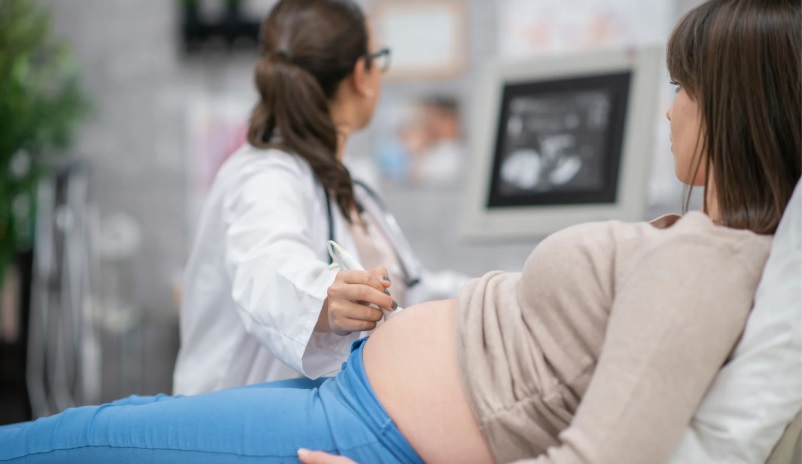
At the hospital, the medical team will perform an ultrasound to check for the baby’s heartbeat and movements. This is the definitive way to confirm or rule out a stillbirth. If it is confirmed that your baby has died, the staff will provide you with compassionate support and discuss the next steps.
You will be faced with difficult decisions about how to proceed with the delivery, which may involve inducing labor. You will also be offered options for tests and an autopsy to try and determine the cause, which can be invaluable for your healing and for managing future pregnancies. During this unimaginably difficult time, lean on your medical team and ask for support from a social worker or a grief counselor.
What increases the Risk of Stillbirth?
While a cause explains why a stillbirth happened, a risk factor increases the statistical likelihood. Understanding these risks allows for closer monitoring and proactive management. Key risk factors include:
- Maternal Age: Women over the age of 35 have a higher baseline risk.
- Pre-existing Health Conditions: Conditions like diabetes (especially if poorly controlled), high blood pressure, thyroid disorders, and obesity significantly increase risk.
- Pregnancy Complications: Developing pre-eclampsia, cholestasis of pregnancy (a liver condition), or Intrahepatic Cholestasis of Pregnancy (ICP) raises the risk.
- Multiple Pregnancies: Carrying twins, triplets, or more comes with a higher risk of stillbirth.
- Smoking, Drug Use, and Alcohol: These substances restrict blood flow and oxygen to the baby and can cause placental problems and developmental issues.
- Previous Stillbirth: A history of a prior stillbirth increases the risk in a subsequent pregnancy, though with careful management, most subsequent pregnancies are successful.
- Social and Racial Disparities: Tragically, systemic inequalities in healthcare access and quality mean that women from minority ethnic backgrounds, particularly Black women, have a significantly higher risk of stillbirth.
What Helps Prevent Stillbirths?
While not all stillbirths are preventable, many are. Proactive prenatal care and healthy lifestyle choices are the most powerful tools available.
- Attend All Prenatal Appointments: Regular check-ups allow your healthcare provider to monitor your health and your baby’s growth, checking for conditions like growth restriction or pre-eclampsia.
- Monitor Your Baby’s Movements: Starting around 28 weeks, be aware of your baby’s unique pattern of movement. If you notice a significant reduction or a complete stop in movements, contact your provider immediately. Never hesitate; it is always better to be checked.
- Manage Chronic Conditions: If you have a pre-existing condition like diabetes or high blood pressure, work with your doctor to get it under optimal control before and during pregnancy.
- Adopt a Healthy Lifestyle: Maintain a nutritious diet, take prenatal vitamins (including folic acid), exercise as approved by your doctor, and avoid all alcohol, tobacco, and illicit drugs.
- Sleep on Your Side: Research has shown that going to sleep on your side from 28 weeks of pregnancy onward reduces the risk of stillbirth. It is believed that sleeping on your back can compress major blood vessels, reducing blood flow to the baby.
- Get Vaccinated and Practice Good Hygiene: Staying up-to-date on recommended vaccines (like the flu and COVID-19 shots) and practicing good food hygiene (avoiding unpasteurized cheeses and deli meats) can prevent infections that may harm the baby.
- Advocate for Yourself: You know your body and your baby best. If something feels wrong, speak up and insist on being evaluated. Your vigilance is a critical component of your baby’s well-being.
Commonly Asked Questions about What Causes Stillbirth in Pregnancy (FAQs)
Who is at risk for stillbirth?
Women at risk for stillbirth include those with preterm birth history, health conditions like diabetes or hypertension, advanced maternal age, obesity, or smoking. Factors such as infections or previous pregnancy loss where the baby died also increase risk.
Can the next pregnancy after a stillbirth be healthy?
With specialized perinatal care to monitor the womb and address the previous cause, most subsequent pregnancies are healthy. Close monitoring and emotional support are key to a positive outcome after a loss.
How do you grieve after a stillbirth?
Grieving involves acknowledging your loss, seeking counseling, and joining support groups. Understanding Stillbirth Causes like cord problems through obstetrics and gynecology can provide closure. Many go on to have healthy babies, but grief is a personal journey with no timeline.
What are the common causes of stillbirth?
Many stillbirths are linked to problems during pregnancy, such as issues with the placenta, umbilical cord abnormalities, and infections. Conditions like gestational diabetes and high blood pressure can also increase the risk of having a stillborn baby. Understanding these factors can help expectant parents take proactive steps to support the baby’s health.
How does the health of the mother affect the risk of stillbirth?
The health of the mother plays a critical role in pregnancy outcomes. Conditions such as obesity, high blood pressure, and diabetes can increase the risk of stillbirth. Regular check-ups with a health care provider and proper pregnancy care can help mitigate these risks and promote healthy pregnancies and babies.
What is the stillbirth rate in the United States?
The stillbirth rate varies, but in the United States, it is estimated that about 1 in 160 pregnancies ends in stillbirth after 20 weeks of pregnancy. This statistic highlights the importance of prenatal care and awareness of factors that can lead to stillbirth.
Can infections lead to stillbirth?
Yes, infection-related stillbirths can occur when a mother contracts a bacterial infection during pregnancy. These infections can affect the fetus’s health and lead to complications, including the death of a baby. It is essential for pregnant women to be aware of signs of infection and seek medical advice promptly.
What role does the umbilical cord play in stillbirth?
Problems with the umbilical cord, such as cord accidents or abnormalities, can lead to complications that may cause stillbirth. The umbilical cord is crucial for supplying oxygen and nutrients to the fetus, and any issues can jeopardize the baby’s health.
How does a previous pregnancy affect the risk of stillbirth?
A history of pregnancy loss, such as miscarriage or stillbirth, can increase the risk of having a stillborn baby in subsequent pregnancies. Women with a history of stillbirth should discuss their previous pregnancy outcomes with their pregnancy care team to develop a tailored monitoring plan.
What steps can be taken to prevent stillbirth?
Preventing stillbirth involves regular prenatal care, monitoring fetal movements, managing existing health conditions, and avoiding harmful substances like tobacco and alcohol. Utilizing ultrasounds can help monitor the fetus’s growth and well-being throughout pregnancy.
What is the role of the stillbirth collaborative research network?
The stillbirth collaborative research network, including the NICHD Stillbirth Collaborative Research Network, aims to study the causes of stillbirth and improve pregnancy outcomes. Research findings can help inform healthcare providers and parents about effective strategies to reduce the risk of stillbirth.
How can expectant parents cope with grief after a stillbirth?
Grieving after a stillbirth is a deeply personal process. Parents may find it helpful to seek support from counseling services, support groups, or trusted friends and family. Understanding that many families experience pregnancy loss can provide comfort and connection during this challenging time.
Conclusion
The journey to understand what causes stillbirth is complex and often marked by more questions than answers. However, by shedding light on the key medical factors—from placental and cord issues to infections and genetic conditions—we can empower prospective parents with knowledge. Recognizing the risk factors and embracing proven preventative strategies, such as vigilant movement monitoring and managing maternal health, are our most effective weapons in the fight to reduce these tragic losses. For those who have experienced this profound grief, we hope this information provides a measure of clarity and a path toward healing. You are not alone, and continued research and awareness are paving the way for a future with fewer stillbirths.
Recommended posts
- Can Stress Cause a Stillbirth? (The Shocking Truth)
- Pregnancy After Stillbirth: Hope, Healing & Success Stories
- 7 Warning Signs of Stillbirth in Pregnancy You Can’t Ignore
- How Can You Prevent Stillbirth During Pregnancy (5 Proven Ways)
- Chances of Twins After Stillbirth: Facts & Medical Insights
- Late Stillbirth Causes: Key Medical and Maternal Factors
- How to Cope with Stillbirth in Pregnancy? Proven Steps Toward Healing