
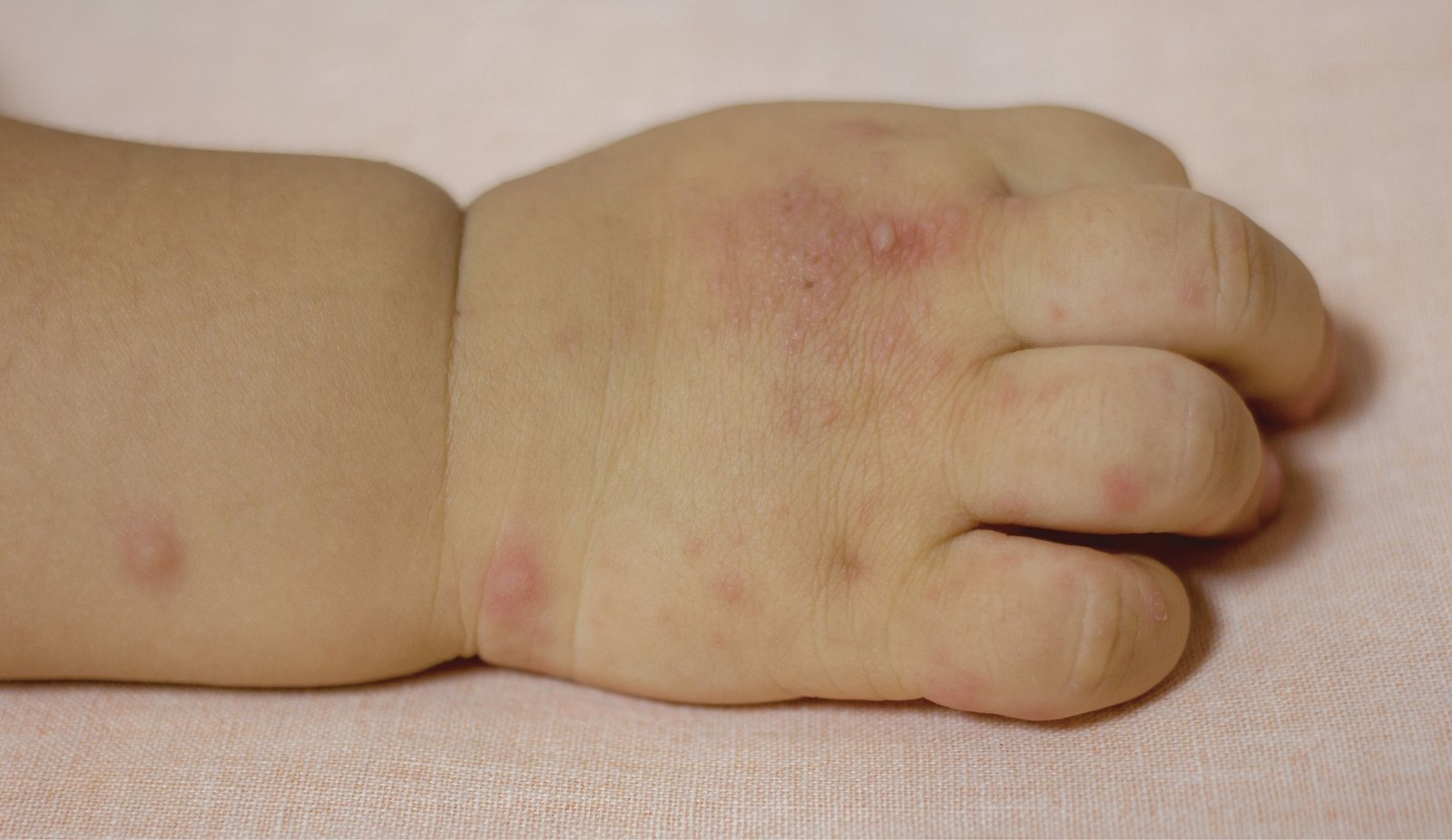
Have you ever wondered what are the causes of Hand Foot and Mouth Disease in children and adults? Many parents panic when they notice blisters or fever, but understanding the root causes can help prevent the infection. What exactly makes this viral illness so contagious, and why does it spread so quickly in schools and daycare centers?
The primary cause of Hand Foot and Mouth Disease is infection by viruses from the Enterovirus family, most commonly the Coxsackievirus A16. It spreads through close contact, respiratory droplets, and even contaminated surfaces or objects. This article explores the main hand foot and mouth disease Causes, transmission methods, and preventive tips, backed by guidance from pediatric infectious disease experts.
But knowing the cause is just the first step — preventing an outbreak requires careful attention to hygiene and early symptom recognition. Dr. William Schaffner, a renowned infectious disease specialist, emphasizes that handwashing and disinfecting shared surfaces drastically reduce risk.
Let’s dive deeper to understand What Cause Hand Foot and Mouth, how this virus works and how you can protect your family effectively.
Who Gets HFMD?
HFMD predominantly affects infants and children under five years old, mainly due to their immature immune systems. However, it can also be contracted by adults, especially those who are caregivers or work closely with young children. In recent years, outbreaks have been reported in schools and daycare centers, where children tend to be in close contact with one another, facilitating the spread of the virus.
Factors that increase the risk of contracting HFMD include:
- Age: Children aged under five years are at the highest risk.
- Season: The disease is more prevalent during late summer and early fall.
- Close Contact: Environments such as daycare centers and schools where children gather increase the risk of transmission.
Understanding who is most vulnerable to HFMD is crucial for parents and caregivers to implement preventive measures effectively.
What Are the Causes of Hand Foot and Mouth Disease in Children?
What Causes Foot and Mouth Disease? The primary cause of HFMD is viral infection, most commonly by the coxsackievirus A16 and enterovirus 71. These viruses are part of the enterovirus family and are known to cause various diseases.
Transmission Methods
HFMD is highly contagious and can spread through:
- Direct Contact: Touching an infected person’s sores or respiratory secretions.
- Fecal-Oral Route: The virus can be present in feces, making hygiene practices critical in preventing its spread.
- Airborne Transmission: Droplets from sneezing or coughing can transmit the virus, especially in crowded settings.
Symptoms Associated with the Causes
Children infected with the virus exhibit symptoms that typically develop within three to seven days after exposure. Common symptoms include:
- Fever
- Sore throat
- Mouth sores
- Rash on hands and feet
Recognizing these symptoms early can assist in prompt identification and management of the illness.
How Long Is It Contagious?
Understanding the contagious period of HFMD is essential for controlling its spread. The virus can be contagious before symptoms appear and remain so for several weeks after symptoms have resolved.
Contagious Period Overview
- Before Symptoms: Children can spread the virus a few days before the onset of symptoms.
- During Symptoms: The disease is most contagious during the initial stages when sores and rashes are present.
- After Symptoms: The virus can continue to be shed in feces for weeks, even after the child has recovered.
To minimize transmission, it’s advised to keep infected children home from school or daycare until they are fever-free and the sores have healed.
Mouth disease Treatment Options:
Currently, there is no specific antiviral treatment for HFMD. However, management focuses on relieving symptoms and providing supportive care.
Symptom Relief
- Pain Management: Over-the-counter pain relievers such as acetaminophen or ibuprofen can help alleviate discomfort.
- Hydration: Ensuring adequate fluid intake is critical, especially if mouth sores make swallowing painful.
- Topical Remedies: Mouth rinses or topical anesthetics may provide temporary relief for sore mouths.
When to Seek Medical Attention
While HFMD is generally mild and self-limiting, complications can arise in some cases. Parents should seek medical attention if:
- The child exhibits signs of dehydration (e.g., reduced urination, dry mouth).
- Symptoms worsen or new symptoms develop.
Understanding the treatment options available can help parents manage the symptoms effectively and ensure their child’s comfort during recovery.
Commonly Asked Questions about What are the symptoms of HFMD (FAQs)
What is hand-foot-mouth disease?
Hand-foot-and-mouth disease is a common childhood infection that causes fever and painful sores in the mouth, a rash on the hands and feet, and sometimes blisters on the buttocks. This contagious viral illness is typically mild.
What causes hand, foot, and mouth disease?
Hand Foot and Mouth What Causes It? Hand, foot, and mouth disease is caused by enteroviruses, most commonly Coxsackievirus. The virus spreads through direct contact with an infected person’s respiratory droplets, blister fluid, or contaminated surfaces, and is also present in their stool.
Should a person with HFMD be excluded from work, school or child care?
Yes, a person with hand, foot-and-mouth disease (HFMD) should be excluded from work, school, or child care. They are highly contagious and can easily spread the virus to others in these close-contact settings until symptoms resolve.
What are the symptoms of hand, foot, and mouth disease?
Symptoms of hand, foot, and mouth disease include fever, a rash with blisters on the hands and feet, and painful sores in the mouth and throat. These sores can make eating and drinking difficult for children.
What should I expect if my child gets hand, foot and mouth disease?
Expect a mild viral infection that causes fever, mouth sores, and a hand/foot rash. Your child is most contagious during the first week. Provide comfort with fluids and pain relief; the illness typically resolves in 7-10 days.
What are Hand, foot, and mouth disease symptoms?
Symptoms usually include fever, sore throat, and a skin rash with red spots that blister. Note: this is hand, foot, and mouth disease, which is different from the hoof-and-mouth disease that affects animals.
What are the viruses that cause hand, foot, and mouth disease?
Hand, foot, and mouth disease (HFMD) is primarily caused by a virus called coxsackievirus A16, among other viruses. These viruses can easily spread from person to person, particularly in environments like day care centers. The infection leads to symptoms such as fever, sore throat, and painful sores in the mouth, as well as a rash on the hands and feet.
How long does hand, foot, and mouth disease last?
The symptoms of hand, foot, and mouth disease usually last about 7 to 10 days. During this time, individuals may experience fever and sore throat, followed by the development of sores in the mouth and a rash on the palms of the hands and soles of the feet. Most children with HFMD recover without any specific treatment, and the symptoms typically go away on their own.
Can older children and adults get hand, foot, and mouth disease?
Yes, while hand, foot, and mouth disease is most common in children younger than 5 years old, older children and even adults can also get the disease. However, adults usually experience milder symptoms. It is important for everyone, regardless of age, to wash their hands regularly with soap and water to prevent the spread of the virus.
What are the complications from hand, foot, and mouth disease?
Although complications from HFMD are rare, they can occur. Some potential complications include viral meningitis and encephalitis, which are serious conditions that affect the brain and spinal cord. If you notice severe symptoms or if mouth sores make it difficult for a child to eat or drink, it is crucial to seek medical attention.
How can I prevent the spread of hand, foot, and mouth disease?
Preventing the spread of hand, foot, and mouth disease involves practicing good hygiene. Wash your hands frequently with soap and water, especially after using the toilet and before eating. Additionally, avoid close contact with infected individuals, and disinfect surfaces that may be contaminated. Keeping children at home when they show symptoms can also help reduce the transmission of the disease.
Is there a specific treatment for hand, foot, and mouth disease?
There is no specific treatment for hand, foot, and mouth disease since it is caused by viruses. Symptoms are typically managed with over-the-counter pain relievers to alleviate fever and discomfort. It is important to never give aspirin to children, as it can lead to serious health risks.
Conclusion
In summary, what are the causes of hand foot and mouth disease relates primarily to viral infections, with the coxsackievirus being the most common culprit. While HFMD predominantly affects young children, awareness of its symptoms, transmission methods, and treatment options can help mitigate its impact. By implementing preventive measures and understanding the contagious nature of the disease, parents and caregivers can protect vulnerable populations and manage outbreaks effectively.
For further inquiries about what causes hand foot and mouth disease or related concerns, consult a healthcare professional for tailored advice.
Recommended posts
- Can Adults Get Hand Foot and Mouth Disease? Symptoms & Risks
- What Does Hand Foot and Mouth Look Like in Adults and Kids?
- Normal Vital Signs in Newborn: What Every Parent Should Know
- Can 4 Year Olds Get Hand Foot and Mouth Disease (Key Facts)

