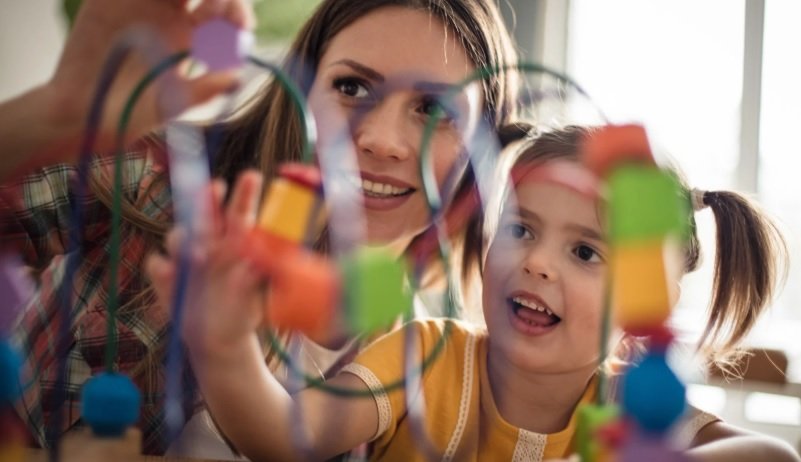
Early Childhood Bonding builds the emotional foundation of a child’s entire life. Strong bonds help children feel safe, valued, and confident as they grow. Have you ever wondered why early connections matter so much for lifelong development?
Child development expert Dr. John Bowlby states that secure bonding in early years directly supports emotional regulation and social skills. Studies from Harvard’s Center on the Developing Child show responsive caregiving improves brain development and learning capacity. Simple actions like talking, playing, and comforting create powerful outcomes.
But bonding goes beyond basic care and routine interactions. It shapes trust, resilience, and future relationships in ways many parents don’t realize. So, let’s explore how early childhood bonding works and why it remains one of the most important investments a parent can make.
What is the Attachment Bond and Why is it so important?
What is Secure Attachment and Bonding? The attachment bond is the deep and enduring emotional connection that forms between a child and their caregiver. It begins in infancy when caregivers consistently respond to a baby’s needs for comfort, nourishment, and safety. Over time, these repeated interactions teach the child a critical lesson: the world is safe, and I am worthy of care.
This bond is not about perfection; it is about reliability. Secure attachment develops when caregivers are emotionally available, responsive, and attuned to their child’s cues. When a child cries and is comforted, smiles and receives warmth, or seeks reassurance and finds it, neural pathways associated with trust and emotional regulation are strengthened.
Why is this so important? Research in developmental psychology and neuroscience shows that securely attached children are more likely to:
- Develop healthy self-esteem
- Form positive relationships later in life
- Regulate emotions effectively
- Perform better academically
- Show resilience in the face of stress
Conversely, inconsistent or emotionally distant caregiving can lead to insecure attachment, which may manifest as anxiety, behavioral challenges, or difficulty forming close relationships. Understanding the attachment bond empowers parents to intentionally create an environment where children feel seen, valued, and safe.
Developmental Milestones Related to Secure Attachment
Secure attachment is closely tied to key developmental milestones across early childhood. These milestones are not rigid deadlines but general indicators of healthy emotional and social growth.
In infancy (0–12 months), securely attached babies begin to:
- Show preference for primary caregivers
- Seek comfort when distressed
- Use caregivers as a “secure base” from which to explore
During toddlerhood (1–3 years), secure attachment supports:
- Increased independence paired with reassurance-seeking
- Early empathy, such as comforting others
- Improved language development driven by responsive interaction
In the preschool years (3–5 years), children with strong attachment bonds often demonstrate:
- Better emotional vocabulary and expression
- Cooperative play and social skills
- Greater confidence in new environments
These milestones are interconnected. Emotional security fuels curiosity, and curiosity drives learning. When children feel emotionally grounded, they are more willing to explore, communicate, and engage with the world around them.
Take the First Step Toward Strengthening Your Bond
Strengthening your bond with your child does not require grand gestures or expensive tools. The first step is awareness. Becoming mindful of how you respond to your child’s emotions—both big and small—lays the groundwork for deeper connection.
This means slowing down and observing your child’s cues: their tone of voice, body language, and emotional shifts. It means validating feelings rather than dismissing them, and prioritizing presence over distraction. Even brief moments of focused attention, when offered consistently, can have a powerful cumulative effect.
Parents often underestimate the impact of everyday interactions. Yet it is precisely these daily moments—getting dressed, sharing meals, transitioning to bedtime—that shape the attachment bond. By approaching them with intention, you create countless opportunities for connection.
3 Proven Ways to Strengthen Early Childhood Bonding
Decades of research and real-world application point to three highly effective strategies for strengthening the parent-child bond. These methods are simple, accessible, and adaptable to different family dynamics.
1. Responsive Communication
Responding promptly and empathetically to your child’s needs builds trust. This includes acknowledging emotions, offering comfort, and engaging in back-and-forth interactions. When children feel heard, they learn that their voice matters.
2. Play-Based Connection
Play is a child’s natural language. Joining your child in play—on their terms—creates shared joy and reinforces emotional safety. Whether it’s imaginative play, building blocks, or outdoor exploration, play strengthens connection while supporting development.
3. Consistent Presence and Predictability
Children thrive on consistency. Predictable routines and dependable caregiver presence reduce anxiety and foster a sense of security. This does not mean rigid schedules, but rather reliable patterns that help children know what to expect.
Together, these approaches form a powerful framework for nurturing secure attachment and emotional well-being.
Builds stronger communication skills.
Strong attachment and communication are deeply intertwined. When children experience responsive, emotionally attuned interactions, their communication skills flourish naturally. Secure attachment encourages children to express needs, thoughts, and feelings without fear of rejection or misunderstanding.
Parents can strengthen communication by:
- Engaging in active listening without interrupting
- Reflecting emotions back to the child (“You seem frustrated”)
- Asking open-ended questions
- Modeling respectful language
These practices do more than improve vocabulary; they teach children how to navigate conversations, resolve conflicts, and articulate emotions. Over time, this leads to stronger social competence and problem-solving abilities.
Importantly, communication is not only verbal. Eye contact, facial expressions, and tone of voice all convey safety and understanding. When caregivers are mindful of these nonverbal cues, children feel more deeply connected and understood.
Emotional Connection Through Joy and Laughter
Joy is a powerful bonding agent. Shared laughter releases oxytocin—the “bonding hormone”—in both children and caregivers, strengthening emotional connection and reducing stress. Moments of lightness and fun create positive emotional memories that reinforce attachment.
Joyful connection can be cultivated through:
- Silly games and playful routines
- Reading humorous stories together
- Singing, dancing, or making up songs
- Embracing spontaneous moments of fun
These interactions signal to children that relationships are a source of pleasure and comfort. Even during challenging times, maintaining space for joy helps balance emotional experiences and fosters resilience.
Laughter also helps regulate emotions. When children feel overwhelmed, playful engagement can gently bring them back to a state of calm and connection, reinforcing the caregiver as a source of safety.
The Power of Daily Routines
Daily routines are one of the most underrated tools for strengthening attachment. Consistent routines provide structure, predictability, and a sense of control—all of which are essential for young children.
Routines such as morning rituals, mealtimes, bath time, and bedtime offer repeated opportunities for connection. When caregivers are emotionally present during these moments, routines become anchors of security rather than mere tasks.
Effective routines:
- Reduce power struggles by setting clear expectations
- Help children transition between activities
- Reinforce trust through consistency
The emotional tone of routines matters just as much as their structure. A calm, attentive presence transforms ordinary moments into meaningful connections that reinforce the attachment bond with your baby day after day.
The Importance of Child Development Classes for Parents
While instinct plays a role in parenting, education enhances confidence and effectiveness. Child development classes provide parents with evidence-based insights into emotional, cognitive, and social growth, helping them respond more effectively to their child’s needs.
These classes often cover:
- Attachment theory and emotional development
- Age-appropriate expectations
- Positive discipline strategies
- Communication and behavior guidance
By understanding the “why” behind a child’s behavior, parents are better equipped to respond with empathy rather than frustration. This knowledge reduces stress, improves parent-child interactions, and strengthens the attachment bond.
Additionally, classes offer community. Connecting with other parents fosters support, shared learning, and reassurance—factors that indirectly benefit children by supporting caregiver well-being.
Commonly Asked Questions about Childhood Early Bonding (FAQs)
What are the aims of Early Child Care and Education?
The aims of Early Child Care and Education focus on supporting children’s overall development and well-being. This includes helping your child gain essential cognitive, social, and emotional skills, fostering a positive learning environment that promotes lifelong learning and healthy growth.
What is early childhood bonding and why is it important?
Early bonding begins in pregnancy and strengthens when caregivers respond to an infant’s cues. New parents can build a strong parent-child attachment through attentive caregiving, skin-to-skin contact, eye contact, feeding, and play—promoting early childhood development, secure attachment, and the child’s emotional development lifelong healthy relationships.
What bonding activities help promote attachment and development?
Bonding activities include reading, singing, responsive play, gentle touch, and daily routines. These moments help babies and their parents develop early language, social and cognitive development, parent-child attachment, and infant mental health. Promoting caregiving helps the child feel secure and supports healthy growth and development.
How can adopted babies form secure attachments with new caregivers?
For adopted babies and infants separated from biological caregivers, building a strong parent-child bond requires consistent caregiving, skin-to-skin contact possible, eye contact, and sensitivity to cues. Health care providers can guide new parents to promote attachment relationships, supporting the child’s brain, emotional security, and development.
How do you bond with older children differently than infants?
Bonding with older children may rely on conversation, shared activities, and respect for emerging independence. Parents can play with your child, maintain daily routines, and offer emotional attunement to help regulate their emotions and strengthen parent-child attachment, supporting communication skills and relationships with other people.
What are signs of secure attachment in the first year of life?
Signs of secure attachment include seeking comfort from caregivers, exploring the world while checking back, showing positive responses to reunions, and using a parent as a secure base. These behaviors indicate effective bonding early years, supporting emotional development, ability to form healthy relationships, and wellbeing.
What role do health care providers play in promoting parent-child attachment?
Health care providers can teach parents about skin-to-skin contact, feeding cues, and bonding activities that promote infant mental health. Regular well-child visits offer opportunities for parents to learn about the importance of bonding and early attachment, screen for concerns, and receive guidance on supporting safe, responsive caregiving.
How can new parent involvement support early bonding with baby?
New parents, including fathers and other caregivers, strengthen bonds by engaging in caregiving tasks, eye contact, and play. Encouraging skin-to-skin contact and involvement in routines helps babies and their parents form strong parent-child bonds, supporting early language, social skills, and infant mental health development wellbeing.
When should families seek help for bonding or attachment concerns?
Seek support if your child shows persistent feeding, sleeping, or attachment concerns, avoids eye contact, appears withdrawn, or if caregivers struggle to bond. Early referral to infant mental health specialists and health care providers can improve outcomes, promote bonding and attachment, and support the family.
Conclusion
Strengthening the bond between parent and child is one of the most impactful investments a family can make. Secure attachment lays the groundwork for emotional health, strong relationships, and lifelong resilience. Through responsive communication, joyful connection, consistent routines, and ongoing learning, parents can intentionally nurture a relationship that supports their child’s full potential.
The strategies outlined in this article are not quick fixes; they are sustainable practices grounded in research and real-world success. When applied consistently, they create a powerful ripple effect that extends far beyond childhood. By prioritizing connection today, you are shaping a future defined by trust, confidence, and emotional well-being—for both you and your child.
Recommended posts
- The Real Importance of Family Bonding for Healthier Homes
- How Family Effects on Human Development and Why it Matter?
- 7 Reflective Parenting Habits That Raise More Confident Kids
- A Complete 3 Month Old Developmental Milestones Guide