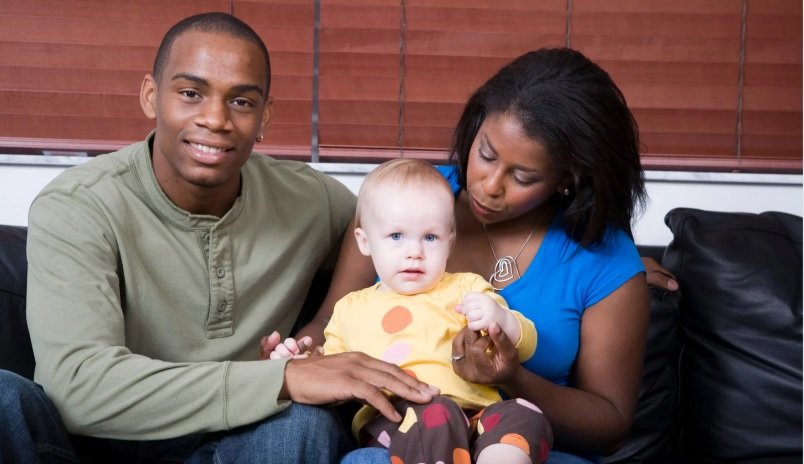
Bonding with adopted Infant is one of life’s most beautiful experiences—yet it can also come with unique worries that many new adoptive parents hesitate to speak aloud. You may wonder: Will we connect naturally? How long will it take? What if the bond doesn’t feel instant? These questions are common, and they don’t make you any less prepared or capable of becoming the loving, secure parent your child needs.
The truth is, attachment isn’t about biology—it’s about presence, patience, and intentional love. And the desire you feel right now to create a deep, lifelong connection with your adopted baby is already a powerful foundation. With the right guidance, nurturing techniques, and an understanding of your baby’s emotional needs, you can build a bond that’s unbreakable.
In this article, you’ll discover proven, heart-centered strategies to strengthen attachment, promote emotional security, and create meaningful moments of closeness from day one. Whether you’re in the early days of adoption or preparing for the journey ahead, this guide will help you feel confident, connected, and empowered as you build a loving bond with your new baby.
“See why Emily says the whole life adoption book reshaped her entire parenting journey—start your own today.”
How to Bond with Your Adopted Child?
Bonding with an adopted child follows the same fundamental principles of attachment as biological bonding, but it often requires a more mindful and trauma-informed approach. The core task is to communicate to your child, through every action and interaction, that you are their safe harbor—their predictable, responsive, and permanent source of comfort. It begins with managing your own expectations.
Release the pressure for immediate, overwhelming emotion. Bonding with adopted infant is a process, not an event. Focus instead on becoming a student of your child. Learn their unique cues: what does a tired cry sound like versus a hungry cry? What soothes them? This attentive observation is an active form of love.
For infants, bonding is primarily non-verbal and sensory. It happens in the quiet moments of feeding, during diaper changes filled with gentle touch and song, and in the rocking chair at 2 a.m. Your goal is to create a continuous loop of “serve and return”: your baby expresses a need (a cry, a fuss), and you respond consistently and lovingly.
This teaches them the world is trustworthy and that they are valued. For babies adopted at slightly older child’s age, who may have experienced transitions or disruptions, this consistent responsiveness is even more critical.
It rewrites the narrative, teaching them that this new environment is stable. Remember, you are not replacing a previous caregiver; you are establishing yourself as their primary attachment figure through persistent, patient presence. The “how” is found in the daily, repetitive rituals of care.
Infant Attachment: A Crucial Life Need
Attachment is not a soft concept; it is a biological imperative. Pioneered by psychologists John Bowlby and Mary Ainsworth, attachment theory explains how the early relationship between a caregiver and child shapes the child’s brain architecture, emotional regulation, and ability to form relationships throughout life.
Secure attachment acts as an internal template, telling a child, “I am safe, I am loved, and I can explore the world knowing I have a secure base to return to.”
For an infant, the primary caregiver is the regulator of their entire universe. They cannot feed, soothe, or protect themselves. When a caregiver reliably meets these needs, the infant’s brain floods with positive neurochemicals like oxytocin (the “adopted newborn bonding hormone”) and dopamine.
This strengthens neural pathways associated with trust, stress reduction, and social engagement. Conversely, inconsistent or absent care can lead to elevated cortisol (the stress hormone), which, if chronic, can impact developing neural systems.
In the context of adoption, understanding this science is empowering. It means that every time you calmly soothe a crying baby, you are literally helping to build healthy brain circuitry. You are helping to lower their stress response and teaching them self-regulation.
Even if your child experienced early adversity, the brain’s remarkable plasticity means that consistent, attuned caregiving can help forge new, secure pathways. This isn’t about perfection; it’s about persistent, “good enough” parenting where repair—soothing after a moment of frustration—is itself a powerful bonding experience. You are providing the crucial life need of a secure base, from which a confident, resilient individual can grow.
7 Powerful Ways for Bonding with Adopted Baby
These strategies are designed to engage multiple senses and reinforce your role as the child’s source of comfort and joy. Integrate them fluidly into your daily routine.
1. Prioritize Skin-to-Skin Contact
Often associated with biological child, skin-to-skin (or “kangaroo care”) is profoundly beneficial for adopted infants of any age. Place your bare-chested baby (in just a diaper) against your bare chest. Cover with a soft blanket. This direct contact regulates the baby’s heartbeat, temperature, and breathing. It releases oxytocin in both of you, reducing stress and promoting feelings of calm and attachment. It’s especially potent during bottle feeding, naptime, or simply during quiet cuddle sessions. This practice is a powerful physical affirmation of your presence.
2. Master the Art of Responsive Feeding
Make every feeding a focused, intimate ritual. Hold your baby close, maintaining eye contact. Use a bottle with a slow-flow nipple to mimic the pace of breastfeeding and allow for pauses. Alternate sides as a breastfeeding parent would, to engage both visual fields and promote balanced muscle development. Never prop the bottle. This dedicated, one-on-one time is a core opportunity to practice “serve and return”—their need is hunger, your loving response is nourishment. The association between your face, your touch, and the pleasure of a full belly is fundamental to bonding with adopted infant.
3. Embrace Babywearing
Keeping your baby close in a soft-structured carrier or wrap for several hours a day is a game-changer. It allows you to be hands-free while keeping the baby immersed in your world—your smell, your heartbeat, your movements. This constant, gentle stimulation is soothing and helps reduce fussiness. For the baby, being carried is their biological expectation; it signals safety. For you, it fosters a sense of competence and closeness. Baby wearing naturally facilitates the adoption process during walks, household chores, or simply relaxing.
4. Create a Sensory-Rich Caregiving Routine
Transform necessary tasks into bonding moments. During baths, use warm water, gentle massage with lotion, and soft verbal descriptions (“now I’m washing your little arm”). During diaper changes, maintain eye contact, play peek-a-boo with the clean diaper, or sing a special silly song. These predictable, pleasant routines build anticipation and trust. They teach your baby that care from you is a positive, engaging, and multi-sensory experience.
5. Follow Their Lead in Play
Get down on the floor. Observe what captures your baby’s attention—a shaft of light, a crinkly toy—and join them in their wonder. Narrate their actions (“You found the red ring!”). Practice “parallel play” by mimicking their facial expressions or babbles. This non-directive, child-centered play communicates, “I see you, I am with you, and your interests are important to me.” It builds shared joy, the bedrock of connection.
6. Establish “Your” Song and Story
Choose a special, calm lullaby or song to sing each night before bed, or during rocking. The repetition is soothing and becomes uniquely associated with you and safety. Similarly, read simple board books every day, holding them close. Your voice, its rhythms and cadences, becomes a familiar and comforting anchor. This auditory bonding is powerful, especially when combined with physical closeness.
7. Practice Patience and Presence During Distress
This may be the most powerful practice of all. When your baby is upset, approach them with calm assurance. Hold them close, rock, shush, or sway. Verbally acknowledge their feelings in a soothing tone (“You’re so upset, I’m here, you’re safe”). Your goal is not to instantly stop the cry (though that may happen), but to be with them in their distress without becoming distressed yourself. This co-regulation teaches them that even big, scary feelings are manageable within the safety of your arms, cementing you as their secure base.
All About Baby Carriers for Nature Adventures
Taking your bonding outdoors is a powerful multiplier. Nature provides calming sensory input for both parent and child, and a baby carrier is the essential tool to facilitate these adventures. The gentle rhythm of your walk, the fresh air, and the novel sights and sounds provide rich, low-stress stimulation for your baby, all while they remain securely attached to you.
Choosing the Right Carrier:For newborns and young infants (under 6 months), a soft, wrap-style carrier or a structured carrier with a newborn insert is ideal. It provides crucial head and neck support and allows for the coveted “M” position (knees higher than bottom, facing inward).
For older infants, a structured ergonomic carrier that supports from knee to knee is excellent for longer hikes. Key features to look for include padded shoulder straps, a supportive waistband, breathable fabric, and the ability to adjust for a proper fit to ensure your comfort and the baby’s safe positioning.
Bonding on the Trail:A nature walk in a carrier is bonding in motion. Point out gentle sounds (“Listen to the birds!”), describe what you see (“Look at the tall green trees”), and let them feel the breeze on their skin. The combination of physical closeness, the vibration of your voice, and the novel environment creates a deeply integrated bonding experience.
It also builds the association that with you, they can safely explore the wider world. Start with short, easy walks and gradually increase as you both gain confidence. Remember, the adventure isn’t about the distance covered; it’s about the shared experience of wonder and the consistent message of “we are together, and all is well.”
Commonly Asked Questions about Bonding With Your Adopted Baby (FAQs)
How can adoptive families bond with an infant adopted at birth during the first months of life?
Skin to skin contact, baby wearing in a sling, responsive feeding, and hearing your heartbeat help build trust. Daily activities, loving care, and gentle routines support adoptive parent bonding and a strong attachment between adoptive mom or dad and their newborn.
What practical steps help an adoptive mom bond with their adopted baby during the adjustment period?
Practice baby wearing, co-sleeping when safe, consistent caregiving, and soothing techniques. Reassurance and comfort, skin to skin, and sharing responsibilities strengthen parent-child reciprocity, helping parents who adopt build unconditional trust and attachment in the post-adoption months.
Can infants adopted later still form strong attachment and bond with their adoptive parents?
Yes. Older children and infants adopted later can form strong attachment with consistent loving care, predictable routines, and reassurance. The attachment process depends on meeting the child’s needs, time adopted child bonding, and sensitive responsiveness, not solely on biological relation.
How does open adoption influence bonding between adopted infants and biological families?
Open adoption can support identity and connection by allowing contact with birth parents or biological mother. When managed well, it complements attachment with adoptive families by offering information, reassurance, and a network of support for the child’s long-term well-being.
What role does baby wearing and feeling your body warmth play in helping a baby’s trust develop?
Baby wearing and feeling your body warmth promote physiological regulation, reduce crying, and let infants hear your heartbeat, fostering safety. These practices encourage reciprocal bonding with adoptive child, attachment, and a sense of security that supports the baby’s trust during early months of life.
How can parents who adopt support bonding while respecting an adoptee’s history with birth parents?
Recognize the child’s story, provide honest age-appropriate information, validate feelings, and maintain routines. Collaboration with biological and adoptive parents, reassurance, and therapeutic support during post-adoption transitions help the child integrate experiences and form secure attachments.
Are there challenges unique to bonding when adopting multiple children or when a child is biologically related to siblings?
Blended families and biologically related siblings may need extra time for adjustment. Balancing individual attention, managing sibling dynamics, and supporting each baby’s needs help foster reciprocal relationships, strong attachment, and family cohesion across adoptive and biological ties.
When should families seek help during the attachment process after adoption?
Seek support if prolonged difficulty bonding after adoption, extreme withdrawal, sleep or feeding issues, or persistent distress occur. Post-adoption counseling, pediatric guidance, and parent support groups can address attachment concerns, strengthen parent-child connection, and assist during the adjustment period.
How long does it take to bond with an adopted child?
The timeline varies greatly; bonding with an adopted baby can take months to years. Factors like the child’s age, past trauma, and adopted child bonding issues influence this process. Consistent, patient, and loving care is fundamental to developing a secure and lasting attachment.
Conclusion
Bonding with Adopted Baby is a journey of intentional love, built not in a single instant, but through thousands of mindful moments. It is woven through responsive feedings, soothing carries, playful interactions, and patient comfort during tears. By understanding the crucial science of infant attachment and implementing these seven powerful strategies, you are actively constructing an unshakeable foundation of security and trust.
This bond is the single greatest gift you can give your child—a core sense of safety from which their personality, resilience, and capacity for love will flourish. Let go of the timeline; there is no deadline for connection. Simply show up, consistently and lovingly, day after day. Your presence, your touch, and your unwavering responsiveness are the very ingredients that will weave the invisible, eternal thread that connects your heart to your child’s. The family you are building is real, profound, and rooted in the conscious choice to love, every single day.
You might also like
- Is There an Age Limit for Adoption: (Key Facts & Insights)
- Can a Single Woman Adopt a Child and Build a Loving Family
- 7 Creative Family Bonding Activities Your Kids Actually Love