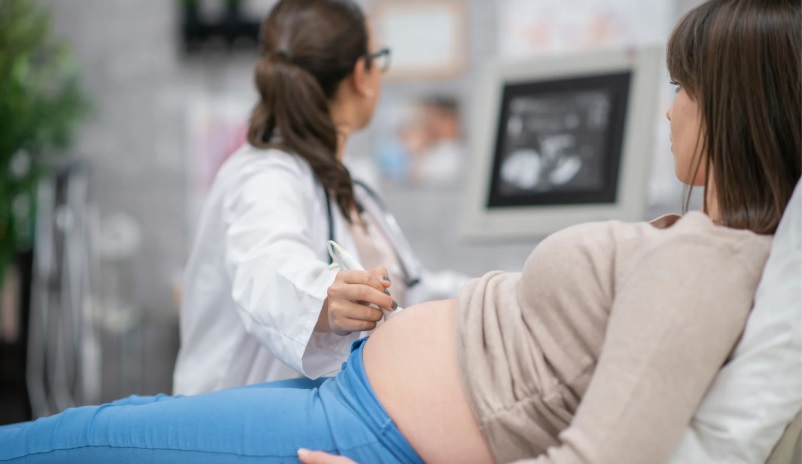
Signs of Gestational Diabetes can sneak up without clear warnings—would you recognize them if they appeared during pregnancy? Many expectant mothers overlook subtle changes in their bodies, thinking they’re normal. But spotting these signs early can make a big difference in keeping both mother and baby healthy. Are you aware of the key symptoms that need your attention?
Frequent thirst, unusual fatigue, weight gain, and blurred vision often signal the onset of gestational diabetes. According to Dr. Jennifer Wyckoff, a leading endocrinologist at Michigan Medicine, early detection and proper monitoring reduce serious complications for both mom and baby. This article highlights these warning signs and explains when to consult your doctor for testing and care.
These are only a few indicators that can help you stay ahead of the condition. Other important clues might surprise you. So, let’s explore the complete list of signs that experts like Dr. Wyckoff emphasize every pregnant woman should know.
Who is at Risk for Gestational Diabetes?
Understanding who is at risk for gestational diabetes is essential in preparing for a healthy pregnancy. Several factors can increase the likelihood of developing GDM, including:
- Age: Women over the age of 25 are at a higher risk.
- Family History: A family history of diabetes or gestational diabetes significantly increases risk.
- Obesity: Women with a body mass index (BMI) of 30 or higher are more likely to develop GDM.
- Ethnicity: Certain ethnic groups, such as Hispanic, African American, Native American, and Asian American, have a higher risk.
- Previous GDM: Women who had gestational diabetes in a previous pregnancy are at an increased risk in subsequent pregnancies.
- Multiple Pregnancies: Carrying multiples (twins, triplets, etc.) raises the risk of developing GDM.
Recognizing these risk factors can empower women to take proactive steps in monitoring their health during pregnancy.
Early Symptoms of Gestational Diabetes – Screening for Gestational Diabetes
In the early stages, gestational diabetes often presents no obvious symptoms. This is why routine screening between 24 and 28 weeks of pregnancy is standard practice. Screening typically involves:
- Glucose challenge test (GCT): You drink a sweet liquid and your blood sugar is checked after one hour.
- Oral glucose tolerance test (OGTT): If your initial test is high, you’ll take a longer test that measures your blood sugar over several hours after drinking a glucose solution.
Some women may notice subtle early symptoms such as increased thirst or fatigue, but these signs can easily be mistaken for normal pregnancy changes. That makes regular prenatal checkups and scheduled glucose testing essential for early detection and timely management.
7 Warning Signs of Gestational Diabetes (Shouldn’t Ignore)
Gestational diabetes is a temporary form of diabetes that occurs during pregnancy. Early recognition protects both mother and baby. Understanding the warning signs helps you take action quickly.
1. Excessive Thirst
One of the earliest red flags is constant thirst. If you feel unusually thirsty even after drinking plenty of fluids, it could indicate high blood sugar levels. Persistent thirst needs medical attention.
2. Frequent Urination
Excessive urination is another key symptom. When blood sugar is high, the kidneys work harder to remove excess glucose. This leads to more trips to the bathroom, especially at night.
3. Unusual Fatigue
Feeling tired during pregnancy is common. However, gestational diabetes can cause extreme exhaustion. If rest does not relieve your fatigue, check with your healthcare provider.
4. Blurred Vision
Fluctuating blood sugar can affect your eyes. Blurred or distorted vision often signals unstable glucose levels. Report any sudden vision changes to your doctor immediately.
5. Increased Hunger
Sudden or extreme hunger is another warning sign. Your body may not process glucose effectively, leaving you feeling hungry even after eating. This symptom should not be ignored.
6. Slow-Healing Infections
High blood sugar weakens the immune system. Pregnant women may notice frequent urinary tract infections or slow-healing wounds. These infections require prompt treatment.
7. Nausea and Vomiting
Persistent nausea or vomiting, beyond typical morning sickness, can point to gestational diabetes. If symptoms continue or worsen, seek professional advice quickly.
Why Early Detection Matters?
Early diagnosis prevents complications such as high birth weight, preterm birth, and preeclampsia. Monitoring blood sugar and following medical guidance safeguard both mother and baby.
Steps to Reduce Your Risk:
Maintain a balanced diet rich in whole grains, lean proteins, and vegetables. Stay active with doctor-approved exercises. Regular prenatal checkups and glucose tests are essential for early detection.
When to Contact Your Doctor
If you experience any of these warning signs, schedule an appointment promptly. Only a medical professional can diagnose gestational diabetes through proper testing.
Gestational diabetes is manageable when detected early. Recognizing these seven warning signs allows timely treatment and a healthy pregnancy outcome. Stay informed and proactive for your well-being and your baby’s health.
Causes and Risk Factors of GDM
Gestational diabetes develops when the body cannot produce enough insulin to meet the increased demands of pregnancy. During pregnancy, placental hormones—such as human placental lactogen and progesterone—naturally increase insulin resistance to ensure adequate glucose supply for the growing baby.
When the pancreas cannot produce enough insulin to overcome this resistance, blood glucose levels rise. Key causes and contributing factors include:
- Hormonal changes: Placental hormones interfere with the body’s ability to use insulin effectively.
- Insulin resistance: Pre-existing insulin resistance from obesity or PCOS amplifies the effects of pregnancy hormones.
- Genetic predisposition: A family history of type 2 diabetes can increase the risk.
- Lifestyle factors: Sedentary lifestyle and high-calorie, low-nutrient diets may increase susceptibility.
Understanding these mechanisms highlights why both genetic and lifestyle factors play a role in gestational diabetes development. Even women with healthy habits can be affected, reinforcing the importance of routine screening.
Commonly Asked Questions about Gestational Diabetes Symptoms (FAQs)
Who should be tested for gestational diabetes?
All pregnant women should be screened. Those with high risk factors—like obesity, a family history of this type of diabetes, or being over 35—may need earlier or more intensive testing.
What are possible complications of gestational diabetes?
Untreated, it can cause a large baby, leading to birth injury or C-section. After birth, the baby may have low blood sugar (hypoglycemia). For the mother, it increases future type 2 diabetes risk.
How is diagnosing and treating gestational diabetes?
Gestational diabetes is a type of diabetes diagnosed with a glucose tolerance test. Treatment involves blood sugar monitoring, a special diet, exercise, and sometimes insulin to protect both mother and baby’s health.
How do I manage diabetes in pregnancy?
Effective management of gestational diabetes includes frequent blood sugar monitoring, a balanced carbohydrate diet, regular physical activity, and maintaining a healthy weight. Insulin or medication may be needed if lifestyle changes are insufficient for control.
How can I prevent gestational diabetes during pregnancy?
While not always preventable, you can lower your risk. Maintain a healthy weight before conceiving, eat a balanced diet, and exercise regularly to help prevent this condition that can develop during pregnancy.
Does having gestational diabetes make a pregnancy high risk?
Yes, it is classified as a high-risk pregnancy. It requires close monitoring to prevent complications like macrosomia (a large baby) and hypoglycemia in babies born to women with this condition.
What are the diabetes risks for mothers and babies?
Gestational diabetes mellitus increases risks of preeclampsia and C-section for mothers, and macrosomia or hypoglycemia for babies. Pre-existing type 1 diabetes intensifies these risks, requiring very strict glycemic control throughout pregnancy.
What are the common symptoms of gestational diabetes?
Gestational diabetes usually doesn’t cause noticeable symptoms, which is why screening is essential. Some women may experience increased thirst, frequent urination, fatigue, and blurred vision. However, these signs can often be mistaken for normal pregnancy symptoms.
How is gestational diabetes diagnosed during pregnancy?
The diagnosis of gestational diabetes typically involves screening tests conducted between weeks 24 and 28 of pregnancy. The one-hour glucose tolerance test is commonly used, where blood sugar levels are measured to determine if they are high. If results are abnormal, a three-hour test may follow to confirm the diagnosis.
What are the risk factors for developing gestational diabetes?
Women with gestational diabetes may have several risk factors, including being overweight, having a family history of diabetes, or being over the age of 25. Additionally, certain ethnic groups are at a greater risk, and a previous pregnancy affected by GDM can increase the likelihood of developing it again.
Can gestational diabetes affect the health of the mother and baby?
Yes, gestational diabetes can lead to complications for both the mother and baby. Mothers with gestational diabetes have a higher risk of developing type 2 diabetes later in life. For the baby, there is a risk of being born large for gestational age, which can complicate delivery and lead to other health issues.
What are the treatment options for managing gestational diabetes?
Managing gestational diabetes typically involves a healthy eating plan, regular physical activity, and monitoring blood glucose levels. In some cases, insulin therapy may be necessary to help maintain blood sugar levels within a normal range. Following a treatment plan is essential for a healthy pregnancy.
Will blood sugar levels return to normal after the baby is born?
Gestational diabetes usually resolves after the baby is born, and blood glucose levels often return to normal. However, women who have had gestational diabetes are at a greater risk of developing type 2 diabetes later in life, so regular screening is recommended.
How can women prevent gestational diabetes during pregnancy?
Preventing gestational diabetes can involve maintaining a healthy weight before pregnancy, eating healthy, and staying active. Women can also consult with healthcare providers for personalized advice on managing their risk factors during pregnancy.
Conclusion
Recognizing the Signs of Gestational Diabetes is critical for protecting both maternal and infant health. While some women may experience no symptoms, others may notice increased thirst, frequent urination, or unexplained fatigue. Risk factors such as family history, age, or previous large-baby deliveries warrant closer monitoring and early screening.
Because gestational diabetes can often be managed through a tailored diet, regular exercise, and, when necessary, medication, early detection makes a significant difference. By staying vigilant and working closely with your healthcare provider, you can maintain a healthy pregnancy and reduce long-term risks for both you and your baby.
Recommended posts
- 10 Gestational Diabetes Breakfast Foods: (Healthy & Tasty)
- Does Gestational Diabetes Go Away After Birth (Medical Fact)
- 7-Day Meal Plan for Gestational Diabetes (Easy Recipes)
- 30+ Healthy Snacks for Gestational Diabetes to Beat Cravings
- Is Gestational Diabetes Genetic from Mother or Father
- The Hidden Risks of OverDiagnosing Gestational Diabetes
- The Link Between Preeclampsia and Gestational Diabetes
- The 3 Hour Glucose Test Levels: What’s a Normal & What’s Not
- Gestational Diabetes Effects on Baby: Is Your Baby at Risk?