
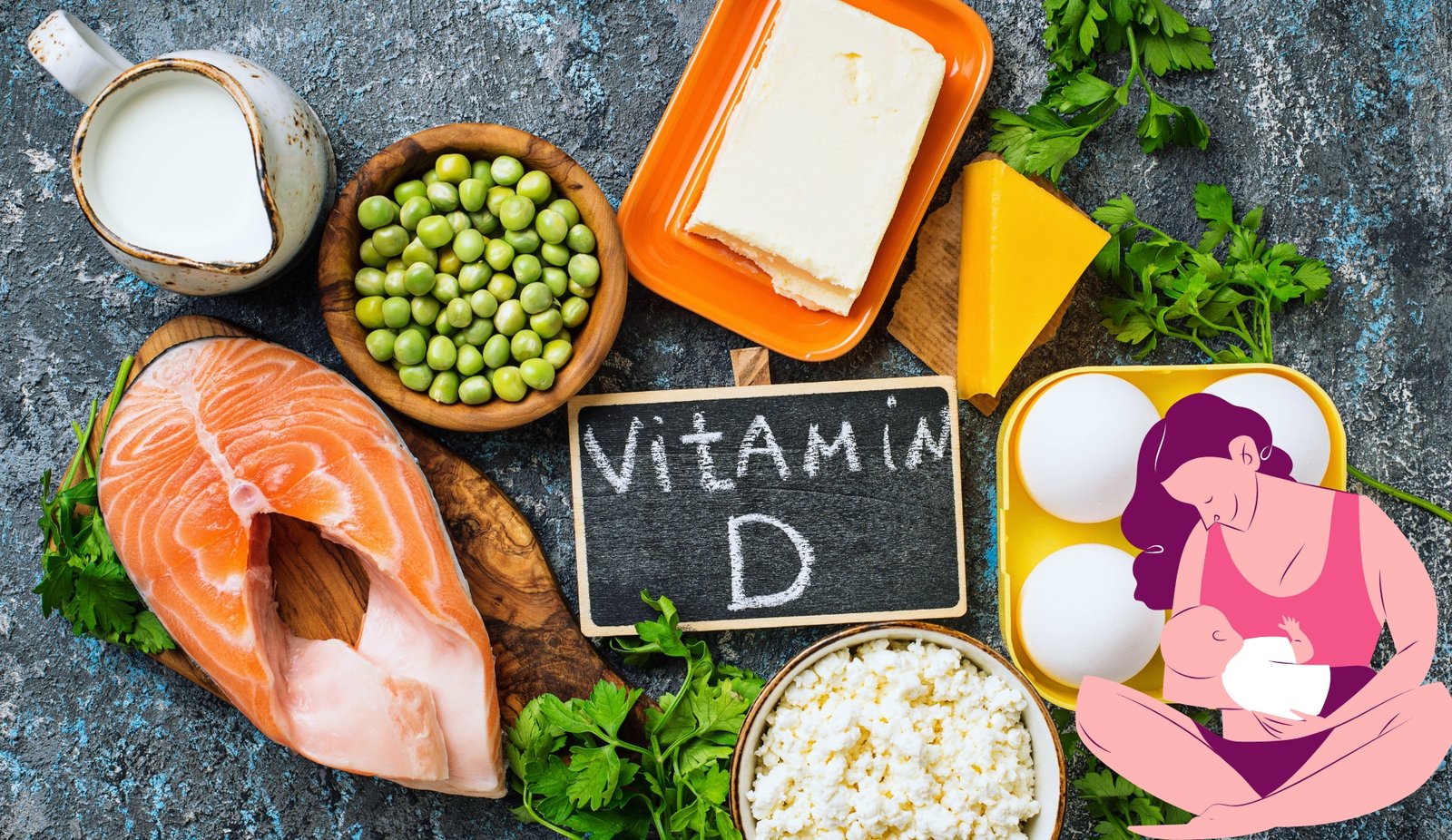
Vitamin D and Breastfeeding shape a crucial part of early infant health, but do new mothers fully understand how much their bodies influence their baby’s nutrient levels? Many parents wonder if breast milk alone delivers enough of this essential vitamin. You might even ask yourself how experts approach this topic. Doesn’t the answer deserve clarity?
Researchers like Dr. Carol Wagner, a leading voice in maternal vitamin D studies, highlight how both mother and baby benefit from proper vitamin D intake. This article breaks down recommended daily amounts for breastfeeding moms, the science behind vitamin D transfer through breast milk, and the safest ways to maintain healthy levels. You get a crisp, data-backed guide within a few minutes of reading.
A lot more shapes this discussion than simple dosage numbers. You’ll discover expert-backed tips, evidence-based strategies, and practical steps that remove confusion for new parents. So, step in and explore what every breastfeeding mother should know before making her next nutrition choice.
Why are Breastfed Infants at Risk for Vitamin D Deficiency?
Vitamin D deficiency is common worldwide and affects both adults and infants. Babies who are exclusively breastfed fall into a higher-risk category for several reasons.
First, the natural vitamin D content in breast milk is typically low, unless the mother has significantly elevated serum vitamin D levels. Second, most infants—especially newborns—are shielded from direct sunlight due to concerns about delicate skin, sunscreen safety, and the risks of UV exposure.
Additional risk factors include higher skin melanin content, which reduces natural vitamin D synthesis, living in northern latitudes, and spending most time indoors. These factors combined contribute to lower vitamin D stores during infancy, increasing the likelihood of skeletal problems such as rickets, as well as immune and developmental concerns.
Do Infants Get Enough Vitamin D from Breast Milk?
For the vast majority of breastfeeding mothers, breast milk alone does not provide sufficient vitamin D to meet the recommended daily intake for infants. On average, breast milk contains only 5–80 IU per liter—far below the 400 IU per day recommended for infants. Because vitamin D levels depend heavily on maternal status, a mother with low or insufficient levels will naturally produce even less in her milk.
This gap is why pediatric and nutrition experts consistently recommend vitamin D supplementation for breastfed infants from the first days of life. Without it, babies can develop low serum vitamin D concentrations rapidly, especially when born with limited vitamin D stores.
Effect on Milk Vitamin D Content and Maternal Vitamin D Status of Breastfeeding Infants
Maternal vitamin D status directly influences the concentration of vitamin D in breast milk. When a mother’s vitamin D levels are low or borderline, her milk will reflect those deficiencies. Conversely, research shows that higher maternal intake—particularly from supplements—can raise breast milk vitamin D content significantly.
However, typical prenatal or postnatal supplements are often insufficient to elevate milk vitamin D to levels that would meet an infant’s full daily requirement. Studies show that maternal doses in the range of 4,000–6,400 IU daily can effectively enrich breast milk with enough vitamin D for infants, reducing or eliminating the need for infant drops. Still, these higher doses require medical guidance and monitoring to ensure safety.
Sources of Vitamin D for Breastfeeding Mothers
Breastfeeding mothers can maintain or improve vitamin D levels through three primary sources:
1. Sunlight Exposure
The skin naturally synthesizes vitamin D when exposed to UVB rays. However, many factors influence this process—including time of day, season, geographic location, skin pigmentation, and the use of sunscreen. For many mothers, especially those who spend limited time outdoors, sunlight alone is not enough.
2. Dietary Sources
Vitamin D occurs naturally in limited foods. Some of the best options include:
- Fatty fish (salmon, sardines, mackerel)
- Egg yolks
- Beef liver
- Cod liver oil
- Fortified foods (milk, cereal, orange juice, yogurt)
Despite these sources, diet typically contributes only a modest amount of vitamin D required for optimal status.
3. Supplements
A Vitamin D supplement breastfeeding mothers rely on can significantly improve maternal serum levels—especially in regions where sunlight is limited or dietary intake is low. Supplements are often the most reliable and consistent way to maintain sufficiency throughout lactation.
Infant Vitamin D Supplementation
Health organizations worldwide, including the American Academy of Pediatrics (AAP), recommend that all breastfed infants receive 400 IU of vitamin D daily, starting soon after birth.
This guideline applies regardless of maternal vitamin D status unless the mother is taking a medically supervised high-dose regimen that ensures adequate transfer through breast milk.
Infant supplementation is available in liquid drop form and is considered safe, well-researched, and necessary in most cases. Consistent supplementation supports healthy bone development, strong immune function, and proper calcium absorption.
Maternal Vitamin D Supplementation during Pregnancy
Vitamin D sufficiency begins long before breastfeeding—it starts during pregnancy. Pregnant women who maintain adequate vitamin D levels provide their babies with better vitamin D stores at birth, reducing early-infancy deficiency risk.
Maternal deficiency during pregnancy has been associated with:
- Low birth weight
- Pre-eclampsia
- Gestational diabetes
- Impaired skeletal development in infants
Most prenatal vitamins contain only 400–600 IU of vitamin D, which often falls short of optimal levels. Pregnant women at risk of vitamin d insufficiency may require additional supplementation under medical supervision to ensure healthy vitamin D status during both pregnancy and postpartum.
Recommended Maternal Vitamin D Intake
For breastfeeding mothers, the recommended daily intake varies based on guidelines from different health authorities. General recommendations range from 600 to 2,000 IU of vitamin D per day, although emerging research suggests that a high-dose vitamin d may be necessary to optimize milk levels.
Some studies indicate that consuming 4,000–6,400 IU daily can safely and effectively increase breast milk vitamin D concentrations to meet infant requirements without additional infant supplementation. This approach should only be used under medical monitoring.
Mothers seeking the best approach for their health and their infants should consult a healthcare provider to evaluate current vitamin D levels and determine individualized supplementation needs.
To maintain proper balance and avoid under- or over-supplementing, many breastfeeding mothers use a vitamin d breastfeeding regimen guided by professional advice.
Strategies for Prevention of Vitamin D Deficiency in Exclusively Breast-Fed Infants
Preventing deficiency requires a combination of maternal and infant strategies:
1. Routine Infant Supplementation
Providing 400 IU of vitamin D drops daily is the most direct and effective prevention of rickets and vitamin D deficiency method.
2. Testing and Monitoring Maternal Levels
Identifying maternal deficiency early allows for timely interventions that improve breast milk quality and maternal health.
3. Adequate Maternal Intake
Mothers may choose dietary improvements, sunlight exposure, or supplementation methods such as a vitamin d for breastfeeding mom plan recommended by their provider.
4. High-Dose Maternal Supplementation (When Appropriate)
Some mothers prefer to take a medically supervised higher dose so the infant receives sufficient vitamin D naturally through breast milk rather than separate drops.
5. Education and Awareness
Helping parents understand that vitamin D deficiency is preventable—and that breast milk is naturally low in vitamin D—ensures better compliance and healthier outcomes.
6. Continued Monitoring During Seasonal Changes
Vitamin D levels fluctuate with sun exposure, so ongoing vigilance is essential, especially in winter months.
Many mothers use a vitamin d supplement for breastfeeding mom strategy to stay consistent and maintain optimal vitamin D levels throughout the entire breastfeeding period.
Commonly Asked Questions about Vitamin D Supplement Breastfeeding (FAQs)
What are the symptoms of low vitamin D content in breast milk?
Low vitamin D content appears when breast milk with adequate vitamin is lacking, causing poor growth, irritability, and weak bones. Meeting vitamin D requirements during lactation and using a strategy to direct infant supplementation helps prevent becoming deficient in vitamin.
What are causes of Vitamin D deficiency in children?
Children become deficient in vitamin when sunlight is limited, diets lack fortified foods, or breast milk with adequate vitamin is unavailable. Understanding vitamin D requirements during lactation and a strategy to direct infant supplementation reduces early-life deficiency linked to rickets.
How much Vitamin D in breast milk?
Typical breast milk with adequate vitamin is rare, offering about 5–80 IU, leaving infants deficient in vitamin without support. Meeting vitamin D requirements during lactation plus a strategy to direct infant supplementation ensures safer levels than natural milk can provide.
Can breast feeding cause Vitamin D deficiency in pregnant and nursing mothers?
Pregnant and nursing mothers may become deficient in vitamin if sunlight and diet fall short, especially when producing breast milk with adequate vitamin. Understanding vitamin D requirements during lactation and using a strategy to direct infant supplementation helps protect mothers’.
What are the Consequences of Vitamin D Deficiency during Pregnancy?
Being deficient in vitamin during pregnancy can impair fetal bone growth, immunity, and development, especially when breast milk with adequate vitamin is later needed. Meeting vitamin D requirements during lactation and planning a strategy to direct baby supplementation reduces risks.
Can maternal vitamin d supplementation during lactation prevent vitamin d deficiency in infants?
Maternal vitamin d supplementation during lactation can improve the vitamin d status of breast-fed infants when high-dose maternal supplementation as therapy is used, but direct infant supplementation is often recommended to ensure adequate vitamin d to satisfy infant requirements and prevent rickets.
What dose of vitamin should breastfeeding mothers take to increase the vitamin d content of breast milk?
Studies suggest that large oral vitamin d3 doses, such as vitamin d supplementation with 6400 IU daily, can increase the vitamin d content of breast milk and improve the vitamin d status of breast-fed infants, though safety and guidance from clinicians are essential.
Is oral vitamin d supplementation to mothers alone enough to prevent vitamin d deficiency in infants?
Maternal vitamin d supplementation alone may not reliably ensure adequate infant vitamin d status; direct infant supplementation remains a common strategy to prevent vitamin d deficiency and rickets and vitamin d deficiency, particularly where prevalence of vitamin d deficiency is high.
Should infants receive direct infant supplementation or rely on maternal supplementation for vitamin d?
Direct babies supplementation of 400 IU daily (supplementation of 400) is a recommended strategy to prevent vitamin d deficiency and rickets, ensuring consistent intake even when breast milk vitamin d levels are insufficient due to low maternal dietary vitamin d intake.
How do vitamin d2 and vitamin d3 compare for breastfeeding mothers and their infants?
Vitamin d3 is generally preferred over vitamin d2 because it more effectively increases vitamin d and 25-hydroxyvitamin levels and is better at improving the vitamin d status of breast-fed infants; oral supplementation with vitamin d3 is commonly recommended.
What are signs, risks, and prevention steps for vitamin d deficiency in breastfeeding?
Vitamin d deficiency in infants may present as poor growth or rickets and vitamin d deficiency; to prevent vitamin d deficiency and insufficiency, ensure compliance with vitamin d supplementation, consider maternal and infant oral supplementation, and check level of vitamin when risk factors exist.
Vitamin D and Breastfeeding Conclusion
Vitamin D plays a critical role in the health of both mothers and infants. While breastfeeding provides unmatched nutrition and immune support, breast milk alone does not supply enough vitamin D for most infants. Understanding this limitation empowers parents to support their baby’s development through supplementation, dietary improvements, or targeted maternal strategies.
Proactive management—including infant drops, maternal supplementation, or medical monitoring—ensures healthy growth, strong bones, and a lower risk of deficiency-related complications. By recognizing the important relationship between vitamin D, pregnancy, and breastfeeding, families can make informed decisions that protect long-term well-being.
Recommended posts
- Breastfeeding While Supplementing with Formula (Secret Tips)
- Is Eating Peanut Butter While Breastfeeding Safe (The Truth)
- Breastfeeding Moms Diet Chart for New Parents (Exclusive)
- TOP Breastfeeding Supplements to Increase Breast Milk

