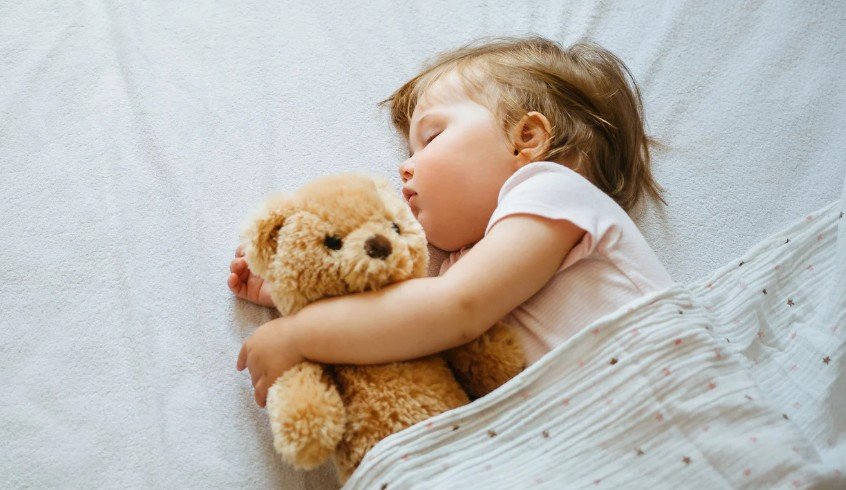
Toddler sweating in sleep—should you be concerned or is it totally normal? Waking up to a soaked pillow or damp hair can make any parent uneasy. But what’s really behind all that nighttime sweating?
Most of the time, toddlers sweat in their sleep because their bodies are still learning to regulate temperature. Pediatricians like Dr. Jennifer Shu explain that deep sleep, warm rooms, or too many blankets can trigger excess sweating. It’s usually harmless unless it’s paired with other symptoms like fever or weight loss.
Wondering when to relax and when to call the doctor? We’ll explore common causes, when it’s normal, and red flags to watch out for. Let’s get to the bottom of your toddler’s nighttime sweat sessions—no more guessing.
Why Does My Toddler Sweat So Much When Sleeping?
Night sweats in children can occur for a variety of reasons. One major factor is the child’s sleep environment. If the room is excessively warm or the bedding is too heavy, your toddler may sweat more than usual. Additionally, toddlers have active sweat glands that can lead to increased sweating, especially during deep sleep stages.
Their developing bodies are still learning to regulate body temperature, and this can manifest as sweating during sleep. It’s also important to consider that toddlers may wear warm pajamas, which can contribute to excessive sweating at night.
Another reason your toddler may sweat excessively is related to sleep cycles. During certain stages of deep sleep, their body temperature can rise, prompting the sweat glands to become more active. If your child experiences night terrors, they may also sweat more due to the intense emotional response.
While it’s normal for some toddlers to sweat during sleep, it’s essential to monitor their overall comfort and environment to ensure they are not experiencing night sweats excessively that could indicate a medical condition.
The 7 Common Causes of Night Sweats in Children (potential causes)
Why does my toddler sweat in his sleep? Several potential causes can lead to night sweats in children. it can be concerning, but they’re often caused by something benign. Here’s a list of common causes:
💤 1. Fever or Infection
- Most common cause.
- Viral or bacterial infections (like the flu, colds, strep throat) can cause sweating, especially as the fever breaks.
🛏️ 2. Overheating at Night
- Warm room temperature, heavy pajamas, or too many blankets.
- Kids often have less efficient temperature regulation than adults.
🧠 3. Night Terrors or Nightmares
- Emotional arousal during sleep (especially in non-REM stages) can trigger sweating.
🦠 4. Chronic Infections
- Tuberculosis (rare in developed countries, but possible).
- Other less common chronic infections.
💊 5. Medications
- Some medications (like antidepressants or fever reducers) may cause sweating as a side effect.
🔄 6. Hormonal Imbalances
- Though less common in young kids, puberty, thyroid issues (like hyperthyroidism), or other sleep disorders can trigger night sweats.
🧬 7. Genetic Sweating Disorders
- Some children may naturally sweat more than others, even during sleep.
🧸 8. Anxiety or Stress
- Psychological factors, even in young children, can influence body temperature regulation during sleep.
⚠️ When to Worry – Call a doctor if:
- Night sweats are frequent or severe.
- They’re accompanied by weight loss, poor growth, persistent fever, or fatigue.
- There’s no obvious environmental cause (like overheating).
Symptoms of Night Sweats in Kids
When it comes to recognizing night sweats in kids, there are various symptoms to be aware of. A clear sign is waking up drenched in sweat, which can be alarming for both the child and the parent.
Additionally, if your toddler frequently wakes up with damp pajamas or bedding, this can indicate excessive sweating during sleep. Other symptoms might include restlessness, irritability, or difficulty falling back asleep, which can be associated with the discomfort of sweating.
It’s also essential to monitor if your child experiences any accompanying symptoms. For example, if your toddler has a fever, persistent cough, or shows signs of fatigue during the day, these could indicate an underlying health issue contributing to night sweats.
Observing whether your child has consistent patterns of sweating or if it is intermittent can also help in identifying if it’s an isolated incident or part of a more significant problem. Keeping track of these symptoms can help you provide valuable information to your healthcare provider if further evaluation is necessary.
Impact of Nighttime Sweating on a Toddler’s Health
Night sweats are a common concern for parents, especially when they occur frequently. If night sweats persist, it is essential to monitor the situation, as these sweats may indicate an underlying health issue. In some cases, night sweats may indicate health conditions like infections, where the child is experiencing a cold or flu. During these episodes, disturbed sleep can lead to irritability and fatigue, affecting the child’s overall well-being.
Night sweats occur most often during time in rem sleep, when the body is in a deep state of rest. A proportion of sweat glands can become overactive, leading to excessive perspiration. It’s important to understand the causes of these sweats, which may indicate an underlying issue, especially if the child is sweating excessively. Monitoring local sweating patterns is crucial for ensuring the child achieves restful sleep and remains healthy.
Potential Health Impacts
- Disrupted Sleep
- Frequent sweating can interrupt a child’s sleep, leading to daytime fatigue, irritability, and difficulty concentrating.
- Skin Irritation
- Prolonged moisture on the skin can cause rashes or exacerbate conditions like eczema.
- Signs of an Underlying Condition
- Persistent night sweats may be an early sign of a more serious health issue, such as infections, immune system disorders, or endocrine problems.
When to See a Pediatric for Night Sweats in Kids?
If your toddler experiences night sweats persistently, it may be time to consult a healthcare provider. While occasional sweating during sleep can be normal, excessive sweating that disrupts sleep or is accompanied by other concerning symptoms should be evaluated.
If your child shows signs of distress, such as trouble breathing, unexplained weight loss, or persistent fever, these could be indicators of a more serious condition requiring immediate medical attention.
Additionally, if night sweats are affecting your child’s daily life, it’s crucial to seek professional advice. A healthcare provider can help determine if there is an underlying cause of the night sweats, such as obstructive sleep apnea or hyperhidrosis.
Early intervention can often lead to effective treatment and improved quality of life for your child. Keeping a detailed record of your child’s sweating patterns and associated symptoms can provide valuable information during your consultation.
Commonly Asked Questions about What Causes Night Sweats in Children (FAQs)
Why is my child sweating at night?
If your toddler sweats in sleep, common causes include overheating (too many layers), room temperature, or deep sleep cycles. Rarely, it could signal illness—consult a doctor if persistent.
What are the common reasons for night sweats in toddlers?
Night sweats in toddlers can occur for various reasons, including temperature regulation, increased physical activity during the day, or even certain illnesses. In many cases, it is normal for babies and toddlers to sweat while sleeping.
When should I be concerned about my child sweating while sleeping?
If your child sweats a lot during sleep and it is accompanied by other symptoms such as fever, difficulty breathing, or persistent coughing, it may indicate a serious medical condition. Consulting a pediatrician is advisable in such cases.
Are night sweats in children a sign of obstructive sleep apnea syndrome?
Yes, night sweats can sometimes be associated with obstructive sleep apnea syndrome in children. If you notice your child has severe night sweats along with snoring or pauses in breathing during sleep, it is important to seek medical advice.
What can cause my toddler to be soaked in sweat at night?
A child may be soaked in sweat at night due to overheating from blankets, hormone disorder, room temperature being too warm, or even general sweating caused by their body’s natural processes during sleep.
Is it normal for babies and toddlers to experience night sweats?
Yes, night sweats are common in babies and toddlers. Their bodies are still developing, and they may be prone to heavy sweating during sleep as they transition through different sleep cycles.
How can I help my child who sweats excessively at night?
To help a child who sweats excessively at night, ensure their sleep environment is cool and comfortable. Use lightweight bedding and pajamas, and consider adjusting the room temperature. If the issue persists, consult a healthcare professional for appropriate treatment.
Do night sweats in children indicate a serious medical condition?
While night sweats in children may be common and harmless, they can sometimes indicate a serious medical condition. If the sweating is severe or accompanied by other concerning symptoms, it is important to consult a healthcare provider.
Are night sweats more common in older children compared to toddlers?
A: Night sweats can occur in both toddlers and older children. However, older children may experience night sweats due to different factors such as hormonal changes, stress, or underlying health issues.
What are reasons of toddler sweating in sleep no fever?
Toddlers sweat at night due to overheating, deep sleep, or heavy bedding. Children with night sweats may also have allergies or mild infections. Monitor your child’s night comfort and room temperature.
Conclusion
In conclusion, while sweating during sleep is common in toddlers, it’s essential for parents to be aware of the potential causes and symptoms associated with night sweats in children. Factors such as sleep environment, clothing, and underlying medical conditions can all play a role in excessive sweating at night. Monitoring your child’s health, sleep patterns, and any accompanying symptoms will help you determine when it’s necessary to consult a healthcare provider. By staying informed and proactive, you can ensure that your toddler remains comfortable and healthy during their sleep.
Recommended posts
- Is It Safe for Newborn Sleeping on Pillow? (Expert Advice)
- Effective Toddler Sleep Training Tactics (Moms Should Know!)
- Can Toddler Choke on Vomit While Sleeping: (Safety Tips)