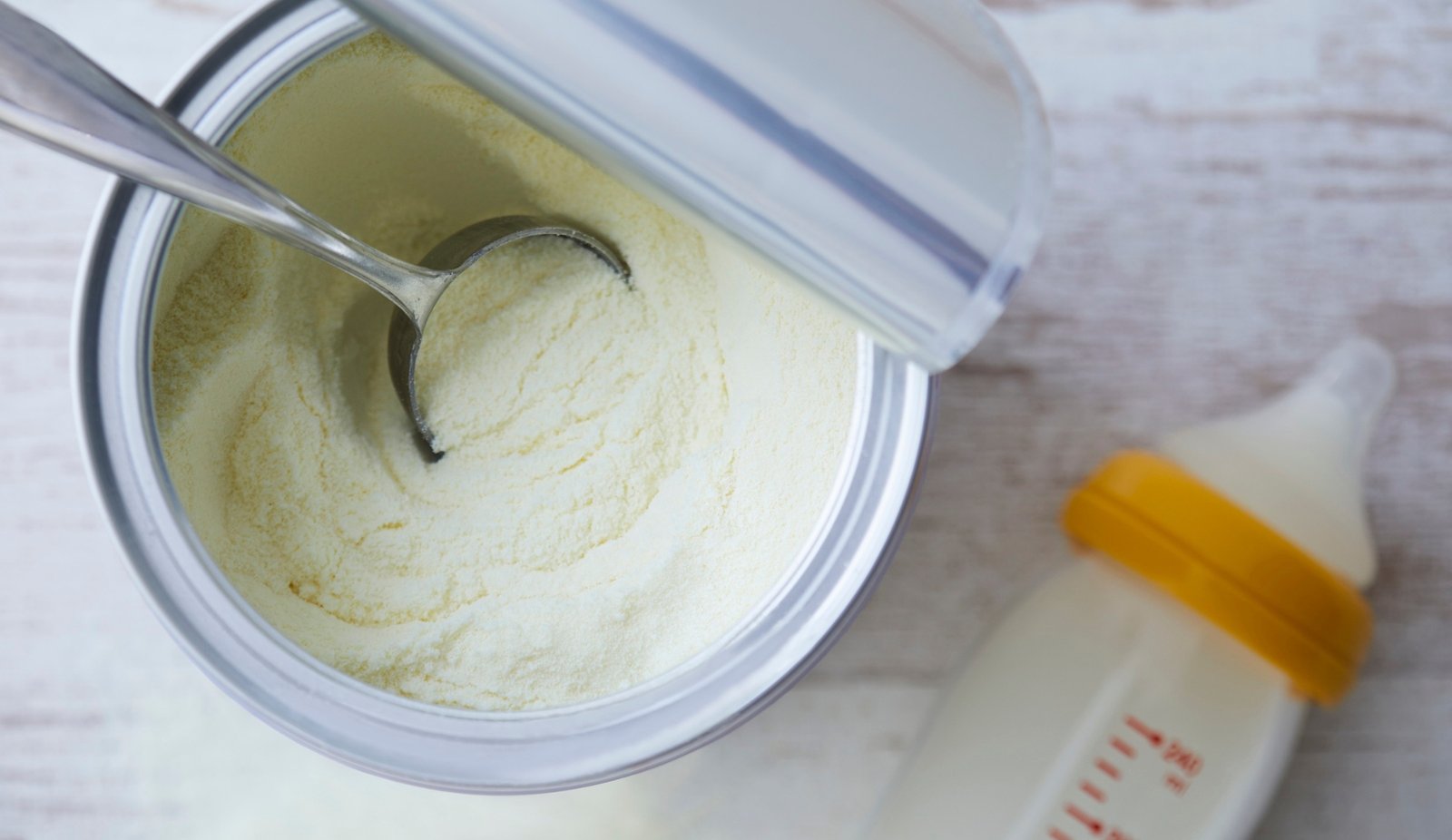
Finding the right hypoallergenic infant formula can feel overwhelming for parents of babies with food sensitivities or suspected milk-protein allergies. When symptoms like rashes, gas, vomiting, or persistent fussiness appear after feedings, the need for a gentler option becomes urgent.
Hypoallergenic formulas are specially designed to reduce allergic reactions by using proteins that are broken down into smaller pieces—or fully replaced with amino acids—to make digestion easier for sensitive infants. These formulas often come recommended by pediatricians and allergists when standard cow’s-milk formulas don’t work.
Whether you’re navigating a confirmed cow milk allergy or simply trying to ease your baby’s discomfort, understanding how these formulas differ will make your choice much easier. Let me know if you’d like a full blog introduction, a comparison chart, or an expert-style breakdown!
Here’s the best Hypoallergenic newborn formula milk (each product has its own section):
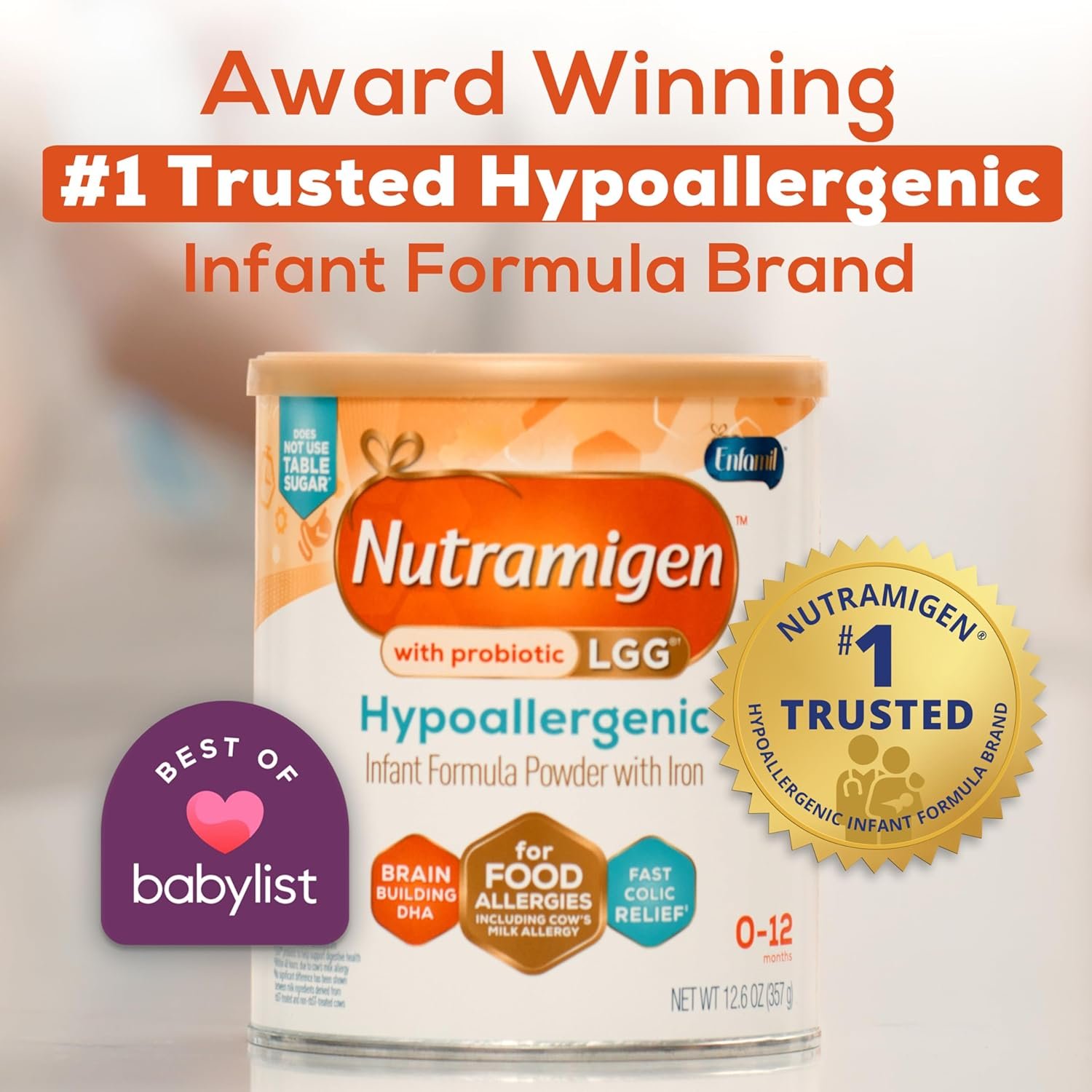
Tired of sleepless nights and endless crying from tummy discomfort? Enfamil Nutramigen Hypoallergenic Formula is specially designed to help soothe colicky, sensitive babies by reducing common milk protein allergens. Many parents notice calmer feedings and happier days in just a few days of use.
Nutramigen is easy to digest and supports your baby’s growth and development—without the worry of fussiness, gas, or allergic reactions. Perfect for moms and dads who want peace of mind and a happier baby.
Are There Different Types of Hypoallergenic Formula?
Yes. While “hypoallergenic formula” is often used as a blanket term, there are three primary categories, each created for different levels of sensitivity and allergy severity. Understanding these distinctions is the foundation for choosing the right product.
1. Partially Hydrolyzed Formula (HA Formula)
Partially hydrolyzed formulas are often labeled “HA,” shorthand for hypoallergenic. However, “partially hydrolyzed” means that only some of the cow’s milk proteins have been broken down into smaller fragments. This makes the formula easier to digest and gentler on the gut.
Best for:
Babies with mild digestive issues
Infants with a family history of allergies
Babies who experience gassiness, fussiness, or softer dairy sensitivities but do not have diagnosed CMPA
Important note: Partially hydrolyzed formula is not appropriate for infants with confirmed cow’s-milk protein allergies.
2. Extensively Hydrolyzed Formula (eHF)
In extensively hydrolyzed formulas, proteins are broken down into very tiny peptides. These formulas are considered truly hypoallergenic because the proteins are less likely to trigger an immune response.
Best for:
Infants suspected of having CMPA
Babies with significant eczema
Infants with gastrointestinal reactions to standard formulas
Extensively hydrolyzed formulas are the most commonly recommended by pediatric allergists as a first-line alternative for babies with confirmed allergies.
3. Amino Acid–Based Formula (AAF or Elemental Formula)
Amino acid formulas contain no intact protein whatsoever. Instead, they consist of free amino acids — the simplest building blocks — making them almost impossible to react to.
Best for:
Severe cow’s-milk protein allergy
Multiple food allergies
Babies who do not tolerate extensively hydrolyzed formulas
Infants with malabsorption or chronic gastrointestinal complications
Amino acid–based formulas are typically more expensive but are the gold standard for infants with significant medical dietary needs.
Which Infant Formulas Are Hypoallergenic?
Hypoallergenic formulas exist in all three major categories, but they differ widely in their ingredients, clinical support, and tolerability. Below is a categorized overview of the most reputable and widely used options.
Partially Hydrolyzed (HA) Formulas
These formulas are cattle-milk based but contain partially broken-down whey proteins.
HiPP HA (Stages PRE, 1, 2)
Enfamil NeuroPro Sensitive
Gerber Good Start Gentle
These options are easier to digest but not for medically diagnosed CMPA.
Extensively Hydrolyzed Formulas (eHF)
Designed for mild to moderate CMPA.
Nutramigen (Enfamil)
Similac Alimentum
HiPP HA (in certain infant cases where tolerated, though technically “partially hydrolyzed”)
Aptamil Pepti
Gerber Extensive HA
These formulas break milk proteins down to small peptides.
Amino Acid-Based Formulas (AAF)
Designed for severe allergies or intolerance.
Neocate Infant DHA/ARA
EleCare (Abbott)
PurAmino (Enfamil)
Neocate Syneo
Aptamil Amino Acid Formula
These formulas contain 100% free amino acids, eliminating the risk of protein-triggered reactions.
Carewell’s Best Hypoallergenic Baby Formulas
Carewell, a trusted online retailer specializing in family caregiving essentials, offers several of the best-reviewed hypoallergenic formulas. Parents often note that Carewell provides consistent stock, fast shipping, and curated product assortments — essential when allergy-safe formulas must be purchased reliably.
Below are Carewell’s standout hypoallergenic options:
1. Nutramigen with Enflora LGG
A top recommendation by pediatricians, Nutramigen is clinically shown to address cow’s-milk protein allergy and improve tolerance over time. The inclusion of the probiotic LGG provides added digestive and immune support.
2. Similac Alimentum Ready-to-Feed
Known for being free from palm olein oil (which can cause firmer stools), Alimentum is favored by parents whose infants struggle with gas, mucus in stools, or fussiness related to CMPA.
3. PurAmino Hypoallergenic Infant Formula
Ideal for severe CMPA or multiple food allergies, PurAmino is an elemental formula with a reputation for excellent tolerability and balanced nutrition.
4. EleCare for Infants
Free from soy oil and corn derivatives, EleCare is a standout option for babies with highly sensitive GI systems or metabolic issues. It offers a fortified blend created for optimal growth.
5. Neocate Infant DHA/ARA
This amino acid–based formula is among the purest on the market, free from common allergens and designed to support digestion and immune health with added fatty acids.
Carewell’s curated formula collection and fast delivery make it a valuable resource for parents navigating the complexities of CMPA or digestive concerns.
5 Best Infant Hypoallergenic Formula – Product Nutrition List
Choosing the right infant formula can be challenging—especially when allergies or sensitivities are a concern. For babies with cow’s-milk-protein allergy (CMPA), multiple food allergies, colic due to protein sensitivity or other digestive issues, hypoallergenic formulas offer a solution tailored to their needs.
The best hypoallergenic infant formulas available on Amazon, providing in-depth analysis of each. These are not generic formulas—they provide specialized nutrition, often with extensively hydrolyzed proteins (broken down into smaller pieces) or even amino-acid based formulas for the most sensitive infants.
Important: Always consult your paediatrician before switching formula or starting a specialty formula.
1. Enfamil Nutramigen Hypoallergenic
Overview Nutramigen is one of the most recognised extensively hydrolyzed (eHF) hypoallergenic infant formulas designed for infants with cow’s milk protein allergy (CMPA). The protein in this formula is broken down (hydrolyzed) into smaller fragments (casein hydrolysate), making it less likely to trigger an allergic reaction. According to its Amazon listing, it offers colic relief from cow’s milk allergy in as quickly as 24 hours and includes probiotic LGG for immune support.
Why it stands out
Clinically-studied: the description states relief for colic due to cow’s milk allergy “as early as the first feeding” with 90% of infants improving within 48 hours in a study.
Lactose-free and designed to support babies who are not tolerating intact cow’s milk protein.
Includes brain-and-eye developmental nutrients: DHA, ARA, choline.
Widely available on Amazon, making it relatively easier to source.
Key considerations
Because it is a specialised formula for CMPA, it is typically more expensive than standard formulas.
Availability can sometimes be more limited (especially in some international markets or during supply constraints).
Though hydrolyzed, it still contains milk-protein fragments; for infants with severe allergies, an amino-acid based formula may be more appropriate (see #3 below).
Always follow preparation guidelines (especially given recall history in some regions).
Ideal for Infants diagnosed (or strongly suspected) to have cow’s milk protein allergy, who need a clinically-recognized hypoallergenic option and whose paediatrician recommends an eHF.
2. Similac Alimentum with 2’-FL HMO
Overview Similac Alimentum is another leading hypoallergenic formula, specifically designed for infants with protein sensitivities (especially cow’s milk protein) or colic due to protein sensitivity. What sets it apart is the inclusion of 2’-fucosyllactose (2’-FL HMO), a human-milk-oligosaccharide-mimicking ingredient that supports the immune system.
Why it stands out
The formula uses extensively hydrolyzed casein protein (broken down) to reduce allergy triggers.
It features immune-supporting ingredient 2’-FL HMO and DHA/ARA for brain and eye development.
The manufacturer states it can start reducing colic symptoms due to protein sensitivity within 24 hours in most infants.
Available in multiple formats (powder, ready to feed) which can be helpful for travel or convenience.
Key considerations
Like other specialty formulas, cost is higher than standard formulas.
Some infants may still require a more specialized (amino-acid based) formula if symptoms persist.
Always ensure you are using the correct preparation and dilution recommended by the manufacturer and health professional.
Ideal for Babies with confirmed or suspected cow’s milk-protein sensitivity or colic tied to protein intolerance, where the caregiver wants a widely trusted brand with immune-supporting features.
3. Alfamino Infant (Amino-Acid-Based)
Overview Alfamino Infant (by Nestlé Health Science) is an amino-acid-based hypoallergenic formula. Amino-acid-based formulas (AAF) contain free amino acid based —no intact protein fragments—offering the most hypoallergenic profile among formula options.
Why it stands out
Designed for severe cow’s milk protein allergy (CMPA), multiple diet allergies, malabsorptive conditions.
Contains a unique fat blend including medium chain triglycerides (MCTs) which are easier to absorb for infants with fat-malabsorption issues.
Lactose-free, gluten-free, and formulated under high quality standards.
Key considerations
Because it is amino-acid-based, it is generally the most expensive among hypoallergenic formulas.
Usually used under medical supervision rather than as a first-line for mild intolerance. As per guidelines, eHF might be tried first; AAF is often for non-responders. Because taste/acceptability may differ (some infants may resist new formulas), introduction may require paediatric consultation.
Ideal for Infants with multiple food allergies, severe cow’s milk protein allergy, or who did not respond to extensively hydrolyzed formula. If your baby’s doctor recommends an amino-acid based formula, this is a top choice.
4. Novalac Allernova Hypoallergenic
Overview Novalac Allernova is a hypoallergenic infant formula based on extensively hydrolyzed casein for infants with cow’s milk protein intolerance. The Amazon listing (through UAE) states it is for better digestibility and tolerance.
Why it stands out
A less-widely known but still quality hypoallergenic option, helpful especially in Middle East / international markets.
The hydrolyzed casein protein aims to reduce allergenic potential while still providing necessary nutrition for growth.
May provide an alternative when leading brands are out of stock or for caregivers seeking other formulations.
Key considerations
International availability may vary – shipping/importation costs may be higher in some countries.
While hydrolyzed, it may not have the same brand recognition or extensive trial data as leading US brands.
Always verify that the specific product you purchase meets your region’s regulatory standards and is appropriate for your baby’s situation.
Ideal for Infants with cow’s milk protein intolerance needing an extensively hydrolyzed formula, especially if looking for an alternative to mainstream brands or in markets where local brands are more readily available.
5. Pepticate Hypoallergenic Powdered Infant Formula
Overview Pepticate is another hypoallergenic powdered infant formula for cow’s milk allergy, listing Omega 3 DHA, ARA, iron & prebiotics. The Amazon search listing features this option under the hypoallergenic category.
Why it stands out
A “mid-tier” hypoallergenic option that might be more accessible or cost-effective compared to premium options.
Lists nutrition features that align with developmental needs: DHA/ARA, prebiotics and iron.
Good option if your baby has sensitivity but perhaps a less severe reaction and you’re comparing budgets.
Key considerations
Always confirm the hydrolysis level (i.e., is it extensively hydrolyzed vs partial?) because “hypoallergenic” is a broad term and different products have different thresholds.
Check for local availability and shipping to Saudi Arabia (or your region) if ordering internationally.
Even affordable hypoallergenic formulas still require proper preparation and oversight; do not assume equivalence with standard formulas.
Ideal for Infants with diagnosed cow’s milk protein allergy or sensitivity who may benefit from a more affordable extensively hydrolyzed formula and where leading brands might be out of reach or over budget.
The Three Stages of HiPP HA
HiPP HA is one of Europe’s most sought-after formulas due to its gentle ingredient composition, clean sourcing, and scientifically-backed hydrolysis process. Unlike standard formulas, HiPP HA comes in three progressive stages tailored to babies’ rapidly changing nutritional needs.
HiPP HA PRE (Birth–6 Months)
HiPP PRE focuses on providing nutrition as close to breast milk as possible. It uses lactose as its sole carbohydrate source, which supports smoother digestion and promotes beneficial gut flora. The protein in PRE is partially hydrolyzed whey, reducing the risk of irritation.
Key Benefits:
Suitable from birth
Lactose-only carbohydrate profile
Highly gentle and easy to digest
Contains natural prebiotics and DHA
HiPP HA Stage 1 (Birth–6 Months)
Stage 1 is similar to PRE but includes additional nutrients for infants who may require slightly more complex carbohydrate sources. It balances energy needs with a soothing, hypoallergenic protein base.
Key Benefits:
Ideal for feeding or combination feeding
Hydrolyzed proteins for reduced allergy risk
Suitable for mild sensitivities
HiPP HA Stage 2 (6 Months+)
Once infants begin solids, Stage 2 provides the additional iron, calcium, and energy needed for older infants. The formula continues to use hydrolyzed whey protein but offers a more robust nutrient profile.
Key Benefits:
Designed for infants transitioning into solids
Supports increased energy requirements
Contains omega-3 and omega-6 fatty acids
Continues the HA protein structure to support digestive comfort
Parents who choose HiPP HA appreciate its high-quality European standards, gentle formulation, and balanced nutrient levels across stages.
Commonly Asked Questions about Pediatric Hypoallergenic Formula Milk (FAQs)
What is hypoallergenic infant formula?
Hypoallergenic infant formula is specially designed for babies with allergies or intolerances to standard formula. It often contains hydrolyzed proteins or amino acid-based formulations that are easier for sensitive digestive systems to tolerate.
When should I consider a hypoallergenic formula?
You should consider a hypoallergenic formula if your baby has been diagnosed with a milk protein allergy or shows signs of gastrointestinal distress after consuming regular formula or breastmilk.
Is there a difference between organic and non-organic hypoallergenic baby formula?
Yes, organic hypoallergenic formulas are made from ingredients free of synthetic pesticides and fertilizers, while non-organic formulas may contain additives. Both types provide essential nutrition for infants with allergies.
Do hypoallergenic formulas have prebiotics and probiotics?
Many hypoallergenic formulas include prebiotics and probiotics to support digestive health. These beneficial components help balance gut flora, which is important for overall infant nutrition and well-being.
Can I get hypoallergenic formula through insurance?
Some insurance plans cover hypoallergenic formulas if prescribed by a pediatrician. It’s advisable to check with your insurance provider to understand your coverage options for specialized infant nutrition.
How is the shipping process for hypoallergenic baby formula?
Shipping for hypoallergenic baby formula can vary by retailer. Many offer free shipping options, especially for recurring orders, ensuring that you receive your preferred product consistently and conveniently.
What should I know about switching to a hypoallergenic formula?
When switching to a hypoallergenic formula, it’s important to consult with a pediatrician. Gradually transitioning over several days can help your baby adjust to the new nutrition without causing digestive upset.
Are there any specific brands of hypoallergenic formula recommended?
Hipp and other reputable brands offer hypoallergenic formulas that are popular among parents. Always consult your pediatrician to determine the best product for your baby’s specific dietary needs and health conditions.
Conclusion
Selecting the right hypoallergenic formula is one of the most important decisions parents make when supporting an infant’s health and comfort. Whether your child has mild digestive discomfort or a clinically diagnosed cow’s-milk protein allergy, the world of Hypoallergenic Infant Formula offers options tailored to every need. Understanding the differences between partially hydrolyzed, extensively hydrolyzed, and amino acid–based formulas is essential for making a confident, informed choice.
Carewell remains a trusted resource for parents seeking reliable access to top-rated hypoallergenic formulas. Whether you opt for the gentle HA profile of HiPP, the clinically proven relief of Nutramigen and Alimentum, or the advanced allergy protection of amino acid–based formulas like PurAmino or Neocate, what matters most is finding a solution that supports your baby’s comfort, growth, and well-being.
With the right hypoallergenic infant formula in hand, parents can enjoy peace of mind knowing they’re providing optimal nourishment to help their infant thrive.