Have you ever wondered what the symptoms of ectopic pregnancy with IUD might look like, and how dangerous they can be if ignored? Many women trust intrauterine devices for safe contraception, but no method is 100% foolproof. When an ectopic pregnancy occurs with an IUD in place, recognizing the early warning signs can make a life-saving difference.
The symptoms usually include sharp abdominal pain, abnormal vaginal bleeding, and sometimes dizziness or fainting. Experts point out that while the overall risk of pregnancy with an IUD is very low, the chance of it being ectopic increases significantly when it does happen. In this article, we’ll break down the key symptoms, explain their medical significance, and highlight what every woman with an IUD should know.
But spotting these signs early isn’t always easy. According to Dr. Mary Marnach from the Mayo Clinic, timely diagnosis and awareness are crucial to prevent complications. So, without wasting another moment, let’s dive deeper into the real symptoms of ectopic pregnancy with an IUD and understand what your body might be trying to tell you.
Chances of Ectopic Pregnancy with IUD
IUDs are categorized into two main types:
- Hormonal IUDs (e.g., Mirena, Kyleena, Skyla, Liletta)
- Copper IUDs (e.g., ParaGard)
Both types are over 99% effective in preventing pregnancy. The failure rate is less than 1% per year, making them one of the most trusted reversible contraceptive options worldwide. However, when pregnancy occurs with an IUD, statistics show a disproportionately higher risk of ectopic pregnancy.
- General population risk: Approximately 1–2% of all pregnancies are ectopic.
- With IUD in place: Studies indicate that 27–50% of pregnancies with an IUD are ectopic.
The IUD prevents intrauterine pregnancies effectively, but it does not always block fertilization or implantation in abnormal locations, particularly the fallopian tubes. This explains the increased likelihood of ectopic outcomes when contraceptive failure happens.
Risk factors for ectopic pregnancy while using an IUD include:
- A history of pelvic inflammatory disease (PID)
- Prior ectopic pregnancies
- Tubal surgery or abnormalities
- Long-term IUD use without replacement
- Age over 35
While the absolute risk remains low due to the rarity of IUD failure, it is essential for women to be aware of this possibility and to monitor early pregnancy symptoms carefully.
5 Symptoms of Ectopic Pregnancy with IUD
An intrauterine device (IUD) is one of the most effective birth control methods. Still, no contraceptive is 100% foolproof. In rare cases, a woman with an IUD may experience an ectopic pregnancy. This condition is dangerous and requires urgent medical attention. Understanding the warning signs can save lives.
1. Sharp Abdominal Pain
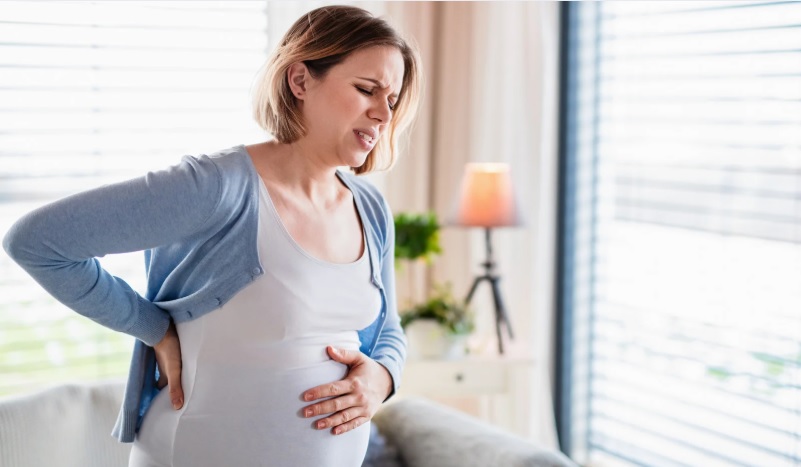
Severe abdominal or pelvic pain is the most common warning sign. The pain may start suddenly and feel sharp or stabbing. It often appears on one side of the abdomen. The discomfort may increase during movement or bowel activity. Persistent pain should never be ignored.
2. Irregular Vaginal Bleeding
Light spotting or unusual bleeding is another major symptom. The bleeding may look different from a normal period. It can be darker, lighter, or inconsistent. Women with IUDs should not dismiss unexpected bleeding. Any change in menstrual patterns while using an IUD requires medical evaluation.
3. Shoulder Tip Pain
One lesser-known sign is pain in the shoulder tip. This occurs when internal bleeding irritates the diaphragm. The pain feels worse when lying down. Many women mistake it for muscle strain. However, in combination with other symptoms, it can indicate internal bleeding from an ectopic pregnancy.
4. Dizziness or Fainting
Dizziness, weakness, or fainting can occur due to blood loss. A ruptured fallopian tube may cause internal bleeding, leading to shock. This is a medical emergency. Women with IUDs experiencing sudden fainting spells should seek help immediately.
5. Gastrointestinal Discomfort
Some women notice nausea, vomiting, or bowel changes. These symptoms are easy to confuse with stomach issues. However, when paired with pelvic pain or bleeding, they may point to ectopic pregnancy. Ignoring these signals can delay treatment.
Why an IUD May Increase the Risk
IUDs reduce the overall chance of pregnancy. Still, if conception occurs, the risk of it being ectopic is higher. This happens because IUDs are very effective at preventing uterine implantation. Fertilization outside the uterus, however, can still occur.
When to Seek Medical Help?
Any woman with an IUD who suspects pregnancy should consult a doctor immediately. Early detection prevents life-threatening complications. Diagnostic tests, such as ultrasounds and blood work, confirm the condition quickly. Prompt treatment ensures the best outcome for health and fertility.
Ectopic pregnancy with an IUD is rare but dangerous. Recognizing symptoms early makes a huge difference. Sharp pain, irregular bleeding, dizziness, or shoulder pain are red flags. Women must never ignore these signals. If in doubt, seek emergency care without delay.
How To Handle Pregnancy with an IUD?
Discovering a pregnancy with an IUD in place requires urgent medical evaluation. The first step is determining whether the pregnancy is intrauterine (normal) or ectopic. Steps typically taken include:
– Confirm Pregnancy
Home pregnancy tests followed by a quantitative blood test (beta-hCG).
– Ultrasound Examination
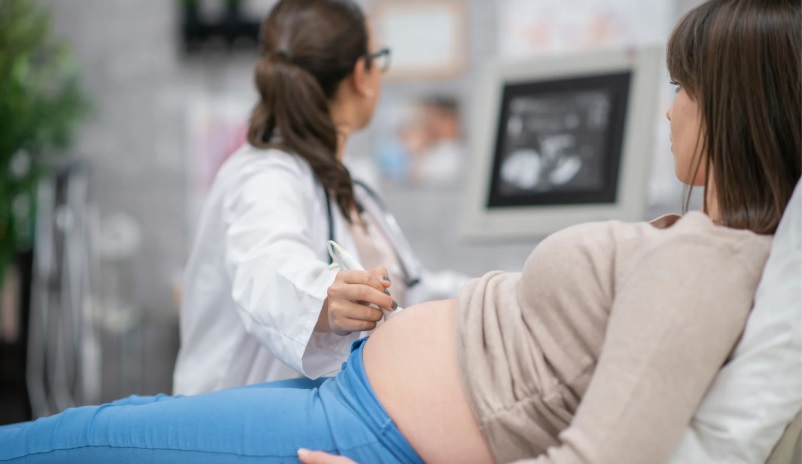
A transvaginal ultrasound helps identify the location of the pregnancy.
If the uterus is empty but pregnancy hormones are rising, ectopic pregnancy becomes highly likely.
– IUD Removal
- If the pregnancy is intrauterine, the IUD is usually removed to reduce the risk of miscarriage, infection, and preterm birth.
- Removal must be done carefully by a healthcare provider.
– Ectopic Pregnancy Management
- Medication (Methotrexate): Used for stable, unruptured ectopic pregnancies to stop cell growth.
- Laparoscopic Surgery: Removal of the ectopic pregnancy, sometimes along with the affected fallopian tube.
- Emergency Surgery: Required in cases of rupture with severe internal bleeding.
Emotional and future fertility considerations:
Experiencing an ectopic pregnancy can be emotionally distressing. Support groups, counseling, and follow-up care are vital. Most women retain their fertility after treatment, though prior ectopic pregnancy slightly increases recurrence risk.
Radiology Case Reports
Radiological imaging plays a central role in diagnosing ectopic pregnancies with IUDs. Case reports in medical literature emphasize the importance of early ultrasound and radiological assessment to confirm implantation sites.
- Transvaginal Ultrasound (TVUS): The first-line imaging technique. It helps identify the absence of an intrauterine gestational sac and reveals adnexal masses or free fluid suggestive of rupture.
- Serial hCG Testing with Imaging: Rising hCG levels without intrauterine pregnancy visible on ultrasound strongly indicate ectopic pregnancy.
- CT and MRI (Rarely Used): Occasionally employed in complex cases or when ultrasound findings are inconclusive.
Several published case reports highlight instances where women presented with abdominal pain and vaginal bleeding while having an IUD in place. In many of these cases, TVUS revealed ectopic pregnancies requiring surgical intervention. The common theme is early imaging saves lives by preventing delayed diagnosis.
Radiology not only confirms ectopic pregnancy but also guides treatment choices, differentiating between unruptured and ruptured cases.
Commonly Asked Questions about Signs of Ectopic Pregnancy with Iud (FAQs)
What exactly does the IUD do?
An IUD, a form of birth control, is a small device placed in the uterus to stops the pregnancy. It works by inhibiting sperm movement, altering the uterine lining, and preventing ovulation from the ovary, ensuring effective contraception.
Is placement of an IUD painful?
The placement of an IUD can cause discomfort or mild pain for a short time. Some may experience cramping during and after the procedure, but pain varies by individual. Most find the discomfort manageable and brief once the IUD placed.
What is an ectopic pregnancy and how does it occur?
An ectopic pregnancy occurs when a fertilised egg implants outside the uterus, commonly in a fallopian tube. This can lead to complications as the growing tissue can cause rupture and internal bleeding, which poses a risk to the patient’s health.
What is the overall incidence of ectopic pregnancy in patients with an IUD?
The overall incidence of ectopic pregnancy in patients using an IUD is relatively low, but it can still occur. Studies indicate that while IUDs are a highly effective form of contraception, they do not completely eliminate the risk of ectopic pregnancies.
What are the symptoms of a ruptured ectopic pregnancy?
Symptoms of a ruptured ectopic pregnancy may include severe abdominal or pelvic pain, vaginal bleeding, and dizziness. Patients may also experience pain with vaginal intercourse and should seek immediate medical attention if these symptoms arise.
Can you still get pregnant while using an IUD?
Yes, while IUDs are a highly effective form of contraception, there is still a small chance of becoming pregnant. If pregnancy does occur, there may be an increased risk for ectopic pregnancy, especially if the IUD is still in place.
How is ectopic pregnancy diagnosed in patients with an IUD?
Diagnosis of ectopic pregnancy often involves a combination of a urine pregnancy test and an ultrasound. Healthcare providers may look for signs of a tubal pregnancy and assess the condition of the IUD during evaluation.
What should you do if you suspect an ectopic pregnancy while using an IUD?
If you suspect an ectopic pregnancy, especially if you experience severe abdominal pain or vaginal bleeding, seek immediate care at an emergency department. Prompt diagnosis and treatment are crucial to prevent serious complications.
What are the potential complications of ectopic pregnancy?
Complications from ectopic pregnancy can include rupture of the fallopian tube, leading to internal bleeding, and the need for surgical interventions such as salpingectomy or laparoscopy. Early detection is vital to minimize risks.
What are the options for treatment if an ectopic pregnancy is confirmed?
Treatment options for a confirmed ectopic pregnancy may include medication to dissolve the pregnancy tissue or surgical procedures to remove the ectopic tissue. The course of action depends on the patient’s condition and the specifics of the pregnancy.
Can a previous ectopic pregnancy increase the risk of future ectopic pregnancies?
Yes, having a previous ectopic pregnancy is considered a risk factor for subsequent ectopic pregnancies. Patients with a history of ectopic pregnancy should discuss their reproductive plans and contraceptive options with their healthcare provider.
What is the most common infection with an IUD?
Pelvic inflammatory disease (PID) is the most common infection, often linked to sexually transmitted infections introduced during IUD insertion. Symptoms include pelvic pain and fever—seek prompt treatment to prevent complications.
Conclusion
Pregnancy with an IUD in place is rare but requires urgent attention due to the higher likelihood of ectopic implantation. Understanding the Symptoms of Ectopic Pregnancy with IUD is crucial for early recognition and timely treatment. Warning signs such as abnormal bleeding, sharp pelvic pain, shoulder pain, and dizziness should never be ignored.
Immediate medical evaluation—including pregnancy testing, ultrasound imaging, and careful monitoring—remains the gold standard. Radiology case reports reinforce the importance of imaging in rapid diagnosis and life-saving intervention.
While IUDs remain one of the safest and most effective contraceptive options, awareness of this rare but dangerous complication empowers women to seek help early, ensuring both safety and reproductive health for the future.
Related posts
- Can Plan B Cause an Ectopic Pregnancy – What Science Says
- 7 Early Warning Signs of Ectopic Pregnancy (You Should Know)
- Are Painful Periods a Sign of Good Fertility? (Myths & Facts)
- Causes of Irregular Blood After Miscarriage & How to Cure
- Contraception After Miscarriage: Timing, Options, and Advice