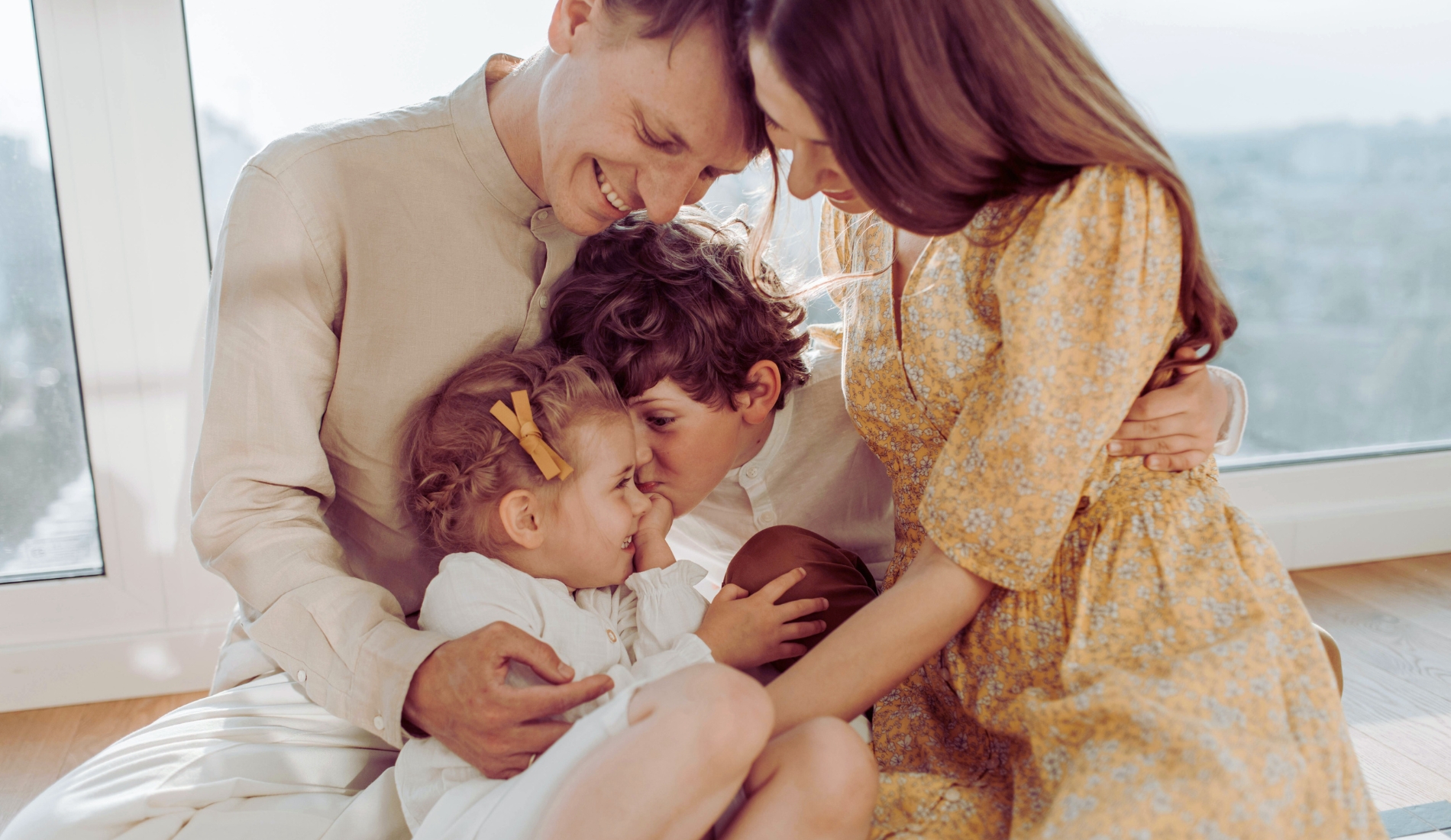
Parental Closeness plays a crucial role in a child’s emotional and social development. Strong, nurturing bonds help children feel valued, secure, and confident in exploring the world. Have you noticed how kids with close parental relationships often handle challenges more positively?
Child psychologist Dr. Laura Markham emphasizes that parental closeness improves communication, trust, and overall well-being. Studies show that children who experience warmth and consistent attention from parents perform better academically and develop healthier family relationships. Even small daily interactions like talking, listening, or shared activities strengthen this bond significantly.
But closeness is more than just spending time together. It fosters emotional resilience, empathy, and lifelong trust between parents and children. So, let’s explore effective ways to nurture parental closeness and understand why it remains a cornerstone of healthy child development.
What Healthy Parental Closeness Really Looks Like?
Healthy parental closeness is not measured by constant togetherness or unwavering agreement. Instead, it is characterized by a secure attachment—a bond that provides a safe harbor for the child while encouraging them to sail their own ship. It’s a dynamic, evolving connection that respects the child’s growing autonomy.
At its core, this healthy dynamic is marked by:
- Unconditional Positive Regard: The child feels loved and valued for who they are, not for their achievements, compliance, or for fulfilling a parent’s unmet needs. This love is a constant, even during conflict or disappointment.
- Emotional Availability: The parent is consistently present and attuned to the child’s emotional world. They notice, validate, and help co-regulate feelings without being overwhelmed by them. A parent might say, “I see you’re really frustrated that your tower fell. That’s okay, I get frustrated too. Let’s take a deep breath together.”
- Respect for Boundaries: Healthy closeness honors both the parent’s and the child’s individuality. This means respecting physical and emotional privacy as age-appropriate, allowing the child to have their own opinions, friendships, and interests that may differ from the parent’s.
- The Scaffolding of Independence: A securely attached parent acts as a scaffold—providing support and structure that is gradually removed as the child’s competence grows. They encourage age-appropriate risk-taking, problem-solving, and decision-making, even when it leads to minor failures. The goal is to work themselves out of a job.
- Repair After Rupture: No parent is perfectly attuned 100% of the time. Misattunements, arguments, and misunderstandings are inevitable. Healthiness is defined by the consistent effort to repair the connection—to apologize, take responsibility, and reconnect after conflict.
This balanced closeness creates a “secure base” from which the child can explore the world and a “safe haven” to which they can return for comfort.
Parental Closeness Psychology
The child psychology behind attachment theory, pioneered by John Bowlby and Mary Ainsworth. This theory posits that the quality of the early caregiver-child bond forms an internal working model—a blueprint—for all future relationships.
- Secure Attachment: This is the gold standard of healthy parental closeness. It develops when a caregiver is consistently responsive, sensitive, and reliable. Securely attached children internalize a belief that they are worthy of love and that others are trustworthy. Psychologically, they develop stronger prefrontal cortex connections, aiding in emotion regulation and executive function. They tend to grow into adults with higher self-esteem, better stress management, and more satisfying relationships.
- Anxious-Preoccupied Attachment: This can stem from inconsistent parental responsiveness—sometimes nurturing, sometimes absent or intrusive. The child becomes hyper-vigilant to the parent’s moods and availability, clinging tightly for fear of abandonment. This pattern can undermine the development of a stable sense of self.
- Avoidant Attachment: This often results from consistently emotionally unavailable or rejecting parenting. The child learns to suppress their attachment needs and emotions, becoming prematurely self-reliant and distant. While it may look like independence, it’s often a defensive strategy that hampers intimacy later in life.
- Disorganized Attachment: This arises in situations of fear or fright without solution, often linked to traumatic or highly chaotic caregiving. The child is caught in a paradox: their source of comfort is also a source of fear.
Healthy parental closeness, therefore, is the engine of secure attachment. It directly shapes neural pathways, stress-response systems, and the child’s core beliefs about themselves and the world. The psychological secret is that true closeness fosters separation—the secure child can become independent because of the strength of the bond, not in spite of it.
Signs of Parental Closeness
Recognizing healthy parental closeness involves observing both the child’s behavior and the parent-child interaction. Key signs include:
In the Child:
- Seeking Comfort When Needed: The child willingly turns to the parent for soothing when hurt, scared, or upset, and is readily comforted.
- Confident Exploration: In the parent’s presence (and later, in their mind), the child feels safe to play, explore new environments, and engage with peers.
- Healthy Social Engagement: The child can form age-appropriate friendships and interact comfortably with other trusted adults.
- Expression of a Range of Emotions: The child feels safe to express sadness, anger, and joy without fear of rejection or punishment.
- Emerging Autonomy: The child demonstrates age-appropriate independence—making simple choices, trying new tasks, and asserting their preferences (even the frustrating “no!” of toddlerhood).
In the Parent-Child Dynamic:
- Warm, Affectionate Touch: Physical affection is given freely and received comfortably, without coercion.
- Open, Reciprocal Communication: Conversations flow in both directions. The parent listens as much as they instruct, and the child’s thoughts are treated with respect.
- Appropriate Role Clarity: The parent acts as the caregiver and guide, not as a peer, best friend, or competitor. They provide consistent and predictable structure.
- Celebration of the Child’s Individuality: The parent shows genuine interest in the child’s unique passions and perspectives, even when they diverge from their own.
- Conflict Resolution: Disagreements are managed with an aim for understanding and teaching, not for control or “winning.” Emotions are validated even when behavior is corrected.
What is Enmeshment and How Does it Affect a Child?
Enmeshment is a distortion of healthy parental closeness. It describes a family system where boundaries are diffuse, weak, or nonexistent. Individuality is sacrificed for the sake of total togetherness and harmony. In an enmeshed dynamic, the parent’s emotions, thoughts, and needs become indistinguishable from the child’s.
This is not extreme closeness; it is emotional fusion. Key hallmarks include:
- Lack of Psychological Boundaries: The parent views the child as an extension of themselves, not a separate person. The child’s successes are the parent’s victories; the child’s failures are the parent’s shame.
- Emotional Parentification: The child is expected to cater to the parent’s emotional needs—acting as a confidant, therapist, or source of validation for the parent.
- Guilt and Obligation as Control: Independence is framed as betrayal. A child’s move toward autonomy (e.g., wanting time with friends, developing a separate opinion) is met with guilt-tripping, anxiety, or withdrawal of affection.
- Intrusiveness: Privacy is not respected. The parent feels entitled to know every thought, feeling, and detail of the child’s life.
The impact on a child is profound and long-lasting:
- Blurred Sense of Self: The enmeshed child struggles to know who they are outside of their role in the family. They may ask, “What do I want? What do I feel?”
- Chronic Anxiety and Guilt: They carry a heavy, often unconscious, burden of responsibility for the parent’s happiness and well-being.
- Difficulty with Independence: Launching into adulthood is terrifying, as it feels like an abandonment of their core duty. They may struggle with decision-making.
- Relationship Problems: They often replicate enmeshed patterns in friendships and romantic partnerships, either becoming overly dependent or seeking out dependent partners. They may fear true intimacy, as it has always meant a loss of self.
- Poor Emotional Regulation: Having never learned to separate their own emotions from a parent’s, they can be highly reactive and have difficulty self-soothing.
What you Might Hear from Your Enmeshed Parent
If you’re in an enmeshed relationship, certain phrases might be commonly heard, reflecting the blurred boundaries and emotional entanglement. These include:
- “I can’t believe you’d want to do that without me.”
- “You should know how I feel about this because we’re so close.”
- “I’m so proud of you; you’re my everything.”
- “I feel lost without you.”
Such statements often reflect a parent’s inability to separate their emotions from their child’s, which can lead to feelings of guilt, obligation, and confusion for the child.
Commonly Asked Questions about Correlation with Family Belonging (FAQs)
What are the 5 core emotional needs?
The 5 core emotional needs include security, autonomy, attention, acceptance, and competence. Meeting these needs fosters healthy parent-child attachment, promotes emotional well-being, and strengthens relationships, helping children feel valued and supported as they navigate their emotional development.
How does parental closeness affect emotional well-being and relationship quality?
Parental closeness fosters emotional well-being by providing love and affection, emotional support, and a sense of belonging; these close relationships promote self-confidence, regulation skills, and reduce depressive symptoms, mediating problem behaviors and supporting children and adolescents toward positive lifelong interpersonal relationships into grown children’s lives.
What is an independent and dependent variable with an example?
An independent variable is a factor manipulated in an experiment, while a dependent variable is measured for changes. For example, in studying the mediating effect of parenting styles on child behavior, the independent variable is parenting style and the dependent variable is child behavior. Every family may exhibit different responses.
Can parental closeness mediate depressive symptoms in adult child relationships?
Strong parent closeness can mediate depressive symptoms by offering emotional support, fostering a close bond, and reinforcing regulation skills; research in the journal of family shows that improved relationship quality between parents and adult children is positively associated with greater overall emotional well-being and resilience.
How does parent closeness influence problem behaviors and self-confidence?
Parental closeness reduces problem behaviors by meeting psychological needs, providing emotional support, and teaching regulation skills; this close bond promotes self-confidence, encourages empathetic interactions, and shapes parenting styles that support children and adolescents, leading to healthier relationships with their parents and more adaptive interpersonal relationships.
What role do biological parents and family income play in parent-child relationship quality?
Biological parents’ involvement and family income can influence relationship quality through resources, time, and stress levels; however, emotional support, love and affection, and consistent good parenting often mediate outcomes, predicting children’s emotional well-being and significantly reducing risk that depressive symptoms or problem behaviors will externalize.
How can close relationships between parents and grown children support psychological needs and intimate relationships?
Sustained parental closeness supports psychological needs by providing acceptance, emotional support, a sense of belonging; for grown children, close bond can improve intimate relationships, enhance regulation skills, and serve as a mediator of the association between parental support and adult interpersonal functioning in longitudinal studies.
Conclusion
Understanding the concept of parental closeness is essential for fostering healthy relationships between parents and children. By recognizing the signs of healthy closeness, appreciating the psychological dynamics at play, and avoiding the pitfalls of enmeshment, parents can create a nurturing environment that not only promotes emotional intelligence but also ensures their children develop into confident, independent individuals.
Ultimately, fostering a balance in this relationship is vital. Parental closeness should enrich a child’s life, offering support and love while respecting boundaries and individuality. By investing in this crucial aspect of family life, we can help our children thrive, enabling them to form healthy relationships and navigate the complexities of life with resilience.
Recommended posts
- Family Connectedness vs Attachment – Why Both Matter?
- The Real Importance of Family Bonding for Healthier Homes
- The Powerful Role of Parents in Students Success (Explained)