How do you know if your body is at its most fertile? Recognizing the signs of high fertility in a woman can help couples trying to conceive make better decisions. From changes in cervical mucus to noticeable shifts in mood or energy, these signs are more common than you might think. Are you paying attention to what your body is telling you?
Ovulation pain, increased libido, and a rise in basal body temperature are key fertility signals. Women also experience changes in cervical mucus and may notice heightened senses around their fertile window. Experts like Dr. Serena Chen, an assisted reproductive endocrinologist, confirm that understanding these cues can significantly boost the chances of conception.
But these aren’t the only signs women experience during peak fertility. Curious to find out what else your body does when it’s ready for pregnancy? Let’s explore the complete list of fertility signs that every woman should know—straight from science-backed sources and expert advice.
What Does Fertility Mean?
Fertility refers to the natural ability of an individual to conceive a child. In women, fertility is influenced by various factors, including hormonal balance, ovarian health, and regular ovulation. A woman’s menstrual cycle plays a crucial role in her fertility, as it dictates when she is most fertile.

When the ovaries release an egg during ovulation, the chances of getting pregnant increase significantly. Understanding fertility means recognizing the signs of fertility and how they relate to the menstrual cycle, which is essential for anyone trying to get pregnant.
In essence, fertility encompasses not only the biological aspects of reproduction but also the emotional and psychological readiness to conceive. Factors like age, lifestyle choices, and underlying health conditions can affect fertility.
For instance, women with regular cycles and normal hormone levels typically have a higher chance of fertility than those with irregular cycles or hormonal imbalances. Being aware of one’s fertility status can empower women with the knowledge needed to improve their chances of conception.
What is a Sign of Fertility in Women?
Signs of fertility are physical indicators that suggest a woman is in her fertile window, which is the period when conception is most likely to occur. One of the most prominent signs of fertility is the change in cervical mucus, which becomes clear, stretchy, and resembles egg whites during ovulation.
This type of cervical mucus facilitates the movement of sperm through the cervix to fertilize the egg. Other signs include increased libido, ovulation pain, and changes in basal body temperature, which can indicate that ovulation is approaching.
Additionally, hormonal changes during the menstrual cycle can serve as indicators of fertility. For example, spikes in luteinizing hormone (LH) are associated with ovulation, and women may experience tenderness in the pelvic area. Recognizing these signs can help women understand their fertility patterns better.
By tracking these signs, women can determine their most fertile days, thereby improving their chances of conceiving. This awareness of fertility can be empowering for those who are trying to conceive, as it allows them to time intercourse strategically.
TOP 7 Physical Signs of High Fertility in a Woman
Understanding your body’s natural fertility signs can help you conceive faster. Here are seven powerful indicators that show you’re at your most fertile.
1. Positive Result from an Ovulation Predictor Kit
An ovulation predictor kit detects a surge in luteinizing hormone (LH). A positive result means ovulation is likely within 24 to 36 hours. This is your prime time for conception. It’s one of the most reliable and easy-to-use methods to track fertility.
2. Noticeable Change in Cervical Mucus
During your fertile window, cervical mucus becomes clear, stretchy, and slippery—like raw egg whites. This texture helps sperm travel easily through the cervix. Tracking mucus daily gives valuable insight into your cycle’s fertile phase.
3. Increased Sex Drive Around Ovulation
A rise in fertility hormones, especially estrogen and testosterone, can spike your libido. Nature often boosts sexual desire during ovulation to increase the chances of conception. If you feel more turned on than usual, it may be a fertile sign.
4. Breast Tenderness or Sensitivity
Mild soreness or swelling in the breasts is common during ovulation. Hormonal changes, particularly increased estrogen, cause this symptom. It’s a subtle but reliable signal your body is in a fertile state.
5. Presence of Fertile Cervical Fluid
Fertile fluid is different from regular discharge. It appears moist, stretchy, and clear. This environment nourishes and protects sperm, helping them survive for up to five days. More fertile fluid means a higher chance of sperm meeting the egg.
6. Estrogen and LH Hormone Surge
Both estrogen and LH peak just before ovulation. This hormonal rise prepares the body to release an egg. Many women track these changes through blood work or at-home ovulation kits. It confirms your body is in full fertility mode.
7. Mild Ovulation Pain (Mittelschmerz)
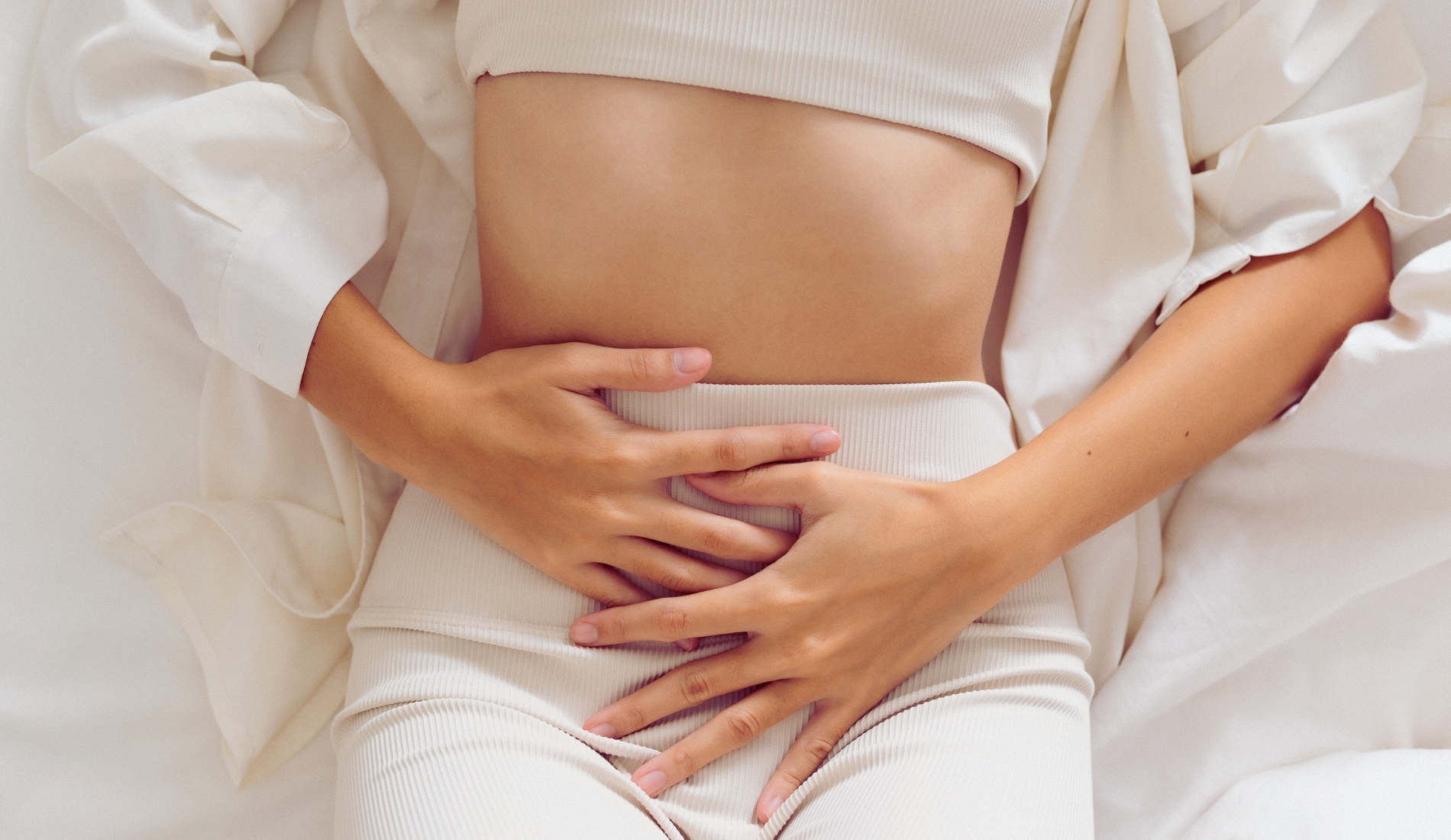
Some women experience a sharp or dull pain on one side of the lower abdomen. This mid-cycle discomfort, known as mittelschmerz, happens when the ovary releases an egg. It usually lasts a few hours and is a strong ovulation indicator.
Recognizing these seven signs of high fertility in women can help time intercourse for conception. Track symptoms consistently each month for better results. The more you know your body, the easier it becomes to identify your fertile window and get pregnant naturally.
Other Ovulation Symptoms
Alongside the recognizable signs of fertility, other ovulation symptoms can provide insights into a woman’s reproductive health. Ovulation pain, often described as mild cramps on one side of the abdomen, can occur during the ovulation phase due to the release of the egg from the follicle.
This pain can vary in intensity and may serve as a reliable indicator that the body is preparing for potential fertilization. Additionally, some women experience breast tenderness or heightened sensitivity during ovulation, which can also signal peak fertility.
Another important ovulation symptom is the change in basal body temperature. After ovulation, a woman’s body temperature typically rises slightly due to increased progesterone levels. By charting these temperature changes, women can track their ovulation cycles more accurately.
Understanding these symptoms not only aids in recognizing high fertility in women but also helps in identifying any potential issues with fertility that may need to be addressed. Consulting a fertility specialist can be beneficial for those experiencing irregularities or concerns during their menstrual cycle.
Fertility Testing Tools and More
When discussing fertility testing tools, we’re typically referring to a variety of methods and devices that help individuals and couples understand reproductive health and improve their chances of conception. Here’s an overview of the main categories and what each offers:
🔬 Fertility Testing Tools
🧪 At-Home Fertility Test Kits
These allow testing from the comfort of home and often involve collecting urine, saliva, or blood samples.
- For Women:
- Ovulation Predictor Kits (OPKs): Detect the LH (luteinizing hormone) surge that signals ovulation.
- AMH Tests: Measure Anti-Müllerian Hormone to estimate ovarian reserve (egg count).
- FSH Tests: Evaluate follicle-stimulating hormone levels, which can indicate egg quality and quantity.
- Progesterone Tests: Confirm if ovulation has occurred.
- Saliva Ferning Microscopes: Detect changes in saliva patterns around ovulation.
- For Men:
- Semen Analysis Kits: Evaluate sperm count, motility, and morphology.
- Sperm DNA Fragmentation Tests: Assess sperm DNA integrity.
🏥 Clinical Fertility Testing
Conducted at a doctor’s office or fertility clinic, these are more comprehensive.
- Transvaginal Ultrasound: Evaluates ovaries, follicles, and uterus.
- Hysterosalpingography (HSG): X-ray to check fallopian tube patency.
- Blood Panels: Hormone testing including FSH, LH, estradiol, prolactin, thyroid, and AMH.
- Antral Follicle Count (AFC): Number of follicles via ultrasound to estimate ovarian reserve.
- Semen Analysis: More detailed than at-home versions.
📱 Fertility Tracking Apps & Wearables
Tech-savvy solutions to track ovulation and menstrual cycles.
- Apps: Clue, Flo, Ovia, Natural Cycles.
- Wearables: Tempdrop, Ava Bracelet – monitor body temperature, heart rate variability, etc.
🌱 Lifestyle & Supplement Support
While not diagnostic, these can support fertility:
- Prenatal Vitamins (Folic acid, Vitamin D, CoQ10, etc.)
- Stress Reduction Tools: Meditation apps, acupuncture
- Nutrition and Fitness Plans: Tailored for reproductive health
🧬 Advanced Reproductive Testing
Often used after initial testing or in IVF planning.
- Genetic Carrier Screening
- PGT-A (Preimplantation Genetic Testing for Aneuploidy)
- Endometrial Receptivity Analysis (ERA)
Would you like help choosing the right test based on your situation or goals (e.g., starting to conceive, fertility preservation, etc.)
Using a Testing kit to Show Times of High Fertility in Women
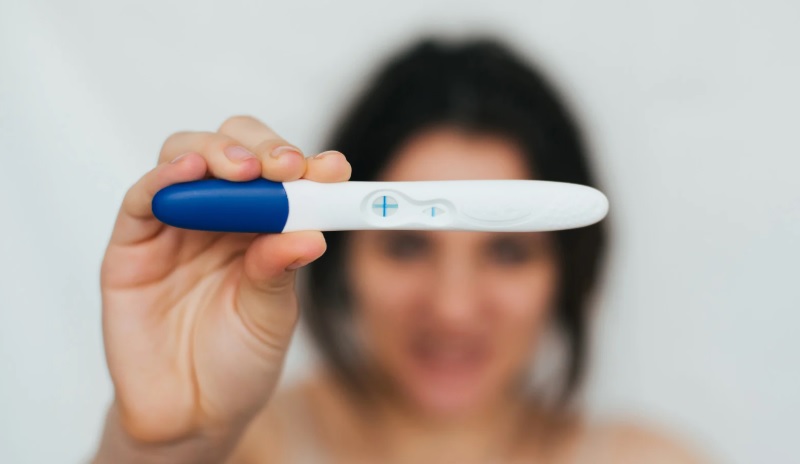
Using a testing kit, such as an ovulation predictor kit, is an effective way for women to identify their times of high fertility. These kits work by detecting the surge of luteinizing hormone (LH), which signifies that ovulation is imminent.
By following the instructions carefully and testing at the right times, women can accurately determine their fertile window. This knowledge allows couples to time intercourse strategically, increasing the likelihood of sperm meeting the egg during the optimal period for conception.
Moreover, the use of testing kits can enhance a woman’s understanding of her menstrual cycle and regularity of ovulation. Those with regular cycles may find it easier to predict ovulation, while those with irregular cycles may benefit from the precise data provided by these kits.
This clarity can alleviate some of the stress associated with trying to conceive and empower women with actionable insights into their reproductive health. Ultimately, testing kits can serve as an invaluable tool for women aiming to improve their chances of getting pregnant.
Early Pregnancy Test Strips
Early pregnancy test strips are essential tools for women who suspect they may be pregnant. These tests detect the presence of the hormone human chorionic gonadotropin (hCG) in urine, which is produced shortly after a fertilized egg implants into the uterus.
Using these strips can provide quick results, giving women the opportunity to confirm pregnancy even before they miss their period. This early detection can be particularly helpful for those who are trying to conceive, as it allows them to take appropriate steps towards prenatal care sooner.
In addition to convenience, early pregnancy test strips are typically easy to use, making them accessible for women at home. However, it’s essential to follow the instructions carefully to ensure accurate results. False negatives can occur if the test is taken too early or if it is not conducted properly.
For women who receive a positive result, consulting a healthcare provider is crucial for confirming the pregnancy and beginning the necessary prenatal care. Understanding the role of these testing strips can significantly aid women in their reproductive journey.
Commonly Asked Questions about Signs of High Fertility in Woman (FAQs)
What are the signs that indicate I might ovulate soon?
Some clear signs of high fertility in women, include changes in cervical mucus, increased libido, and slight abdominal pain. These symptoms can indicate that you’re most fertile and that ovulation will occur soon.
How can an ovulation test help me understand my fertility?
An ovulation test measures the level of luteinizing hormone in your urine, which surges just before ovulation. Knowing when this surge occurs can help you determine your fertile period and improve your chances of getting pregnant.
What role does cervical mucus play in fertility?
During your fertile period, cervical mucus becomes clear and stretchy, resembling egg whites. This change indicates that you are likely to get pregnant as it helps sperm travel to the egg after it is released.
Can I track my basal body temperature to identify high fertility?
Yes, tracking your basal body temperature can help you identify when you ovulate. Typically, there is a slight increase in temperature after ovulation, which can inform you when you’re most fertile.
What symptoms should I look for to determine if I have low fertility?
Symptoms of low fertility can include irregular periods, painful periods, or changes in your menstrual cycle. If you experience any of these, it may be wise to consult a healthcare professional.
How does high prolactin affect female infertility?
High prolactin levels can disrupt the menstrual cycle and prevent ovulation, making it harder to become pregnant. If you suspect high prolactin, it is advisable to seek medical advice.
What can I do to improve my fertility if I have regular periods?
Even with regular periods, factors such as stress management, a healthy diet, and maintaining a healthy weight can help improve your fertility. It’s also beneficial to understand your fertility window when trying to conceive.
How can I confirm that I am ovulating?
You can confirm ovulation by using an ovulation test, tracking your basal body temperature, or monitoring changes in cervical mucus. These methods can help you understand your fertility better.
What is the best time to have intercourse to increase chances of conception?
To maximize your chances of conception, aim to have intercourse during your fertile period, which is typically a few days before and the day of ovulation.
Conclusion
Recognizing the signs of high fertility in a woman is an essential part of the journey for those trying to conceive. By understanding fertility, identifying ovulation symptoms, and utilizing fertility testing tools, women can enhance their chances of getting pregnant. The knowledge of one’s fertile window, along with the signs of ovulation, enables couples to time intercourse effectively, maximizing the likelihood of conception.
Furthermore, being aware of fertility-related factors and consulting a fertility specialist when necessary can help address any challenges that may arise. Whether through ovulation predictor kits or early pregnancy test strips, women have a variety of resources at their disposal to track their reproductive health effectively. Ultimately, understanding and embracing the signs of high fertility can empower women in their quest to conceive, turning their hopes into reality.
You might also like
- 7 Warning Signs of Bad Egg Quality Every Woman Should Know
- Clear Signs Ovulation Is Over – here’s What Happens Next
- High Fertility Vs Peak Fertility: Key Ovulation Differences
- How At Home Fertility Screening Test Work & What to Expect
- How Long After Lh Surge Do You Ovulate: (Why It Matters?)
- Is Boobs Sore Ovulation a Sign of pregnancy?