
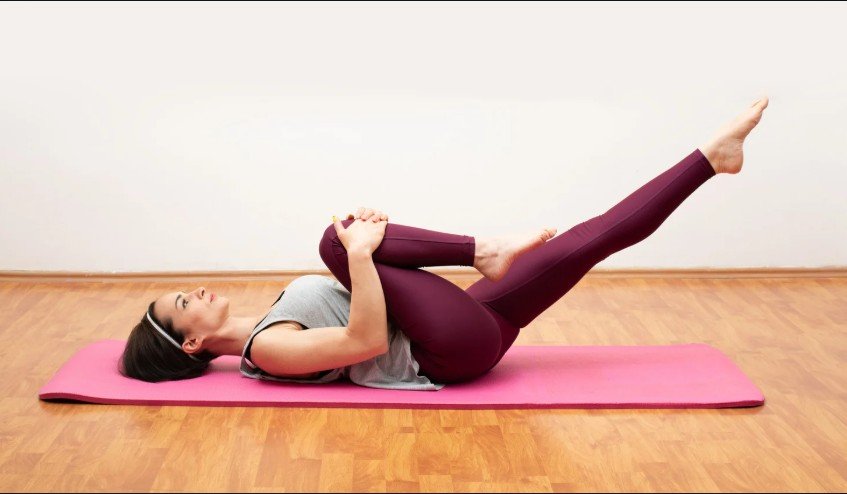
Post Natal Pilates is one of the safest and most effective ways for new mothers to regain strength after childbirth. Have you been looking for gentle exercises that rebuild your core, improve posture, and support overall recovery? Pilates offers exactly that, while also helping to reduce back pain and boost energy.
This form of exercise focuses on controlled movements, breathing, and alignment, making it ideal for postpartum recovery. In this article, we’ll explore the key benefits of Pilates, the safest moves to start with, and how it can enhance both physical and mental well-being for new moms.
According to Lynne Robinson, founder of Body Control Pilates, “Pilates helps restore core stability and strengthens the body from the inside out.” Up next, we’ll break down the best postnatal Pilates exercises, expert tips, and a step-by-step post pregnancy pilates guide to rebuilding strength safely after childbirth.
Nurturing Your Body with Postnatal Pilates
After childbirth, many mothers experience weakened abdominal muscles, poor posture, and pelvic floor dysfunction. While it may feel tempting to “bounce back” quickly, your body needs time, patience, and the right approach to movement. Post Natal Pilates is designed specifically with this healing phase in mind.
Unlike traditional workouts that focus only on calorie burn, Pilates emphasizes controlled breathing, deep core activation, and alignment. This allows new moms to:
- Rebuild pelvic floor and abdominal strength without strain.
- Improve posture compromised by pregnancy and nursing.
- Reduce lower back and hip discomfort.
- Boost energy through mindful movement.
- Reconnect emotionally with their bodies in a positive way.
Every exercise can be modified based on your stage of recovery, ensuring both safety and effectiveness. When done consistently, Pilates serves as both physical rehabilitation and mental rejuvenation.
5 Post Natal Pilates Exercises to Reclaim Your Core
If you’re ready to begin, here are five safe and effective pilates reformer exercises to support your post baby recovery. Always consult your healthcare provider before starting, especially if you’ve had a C-section or complications.
1. Pelvic Tilts
Lie on your back with knees bent and feet flat. Inhale deeply, then exhale as you gently tilt your pelvis upward, drawing your belly button toward your spine. This strengthens the lower abdominals and stabilizes the pelvis.
2. Heel Slides
From the same starting position, inhale and slowly slide one heel away from your body until your leg is extended, then exhale and return. Alternate legs. This subtle motion retrains core engagement without overloading healing tissues.
3. Modified Bridge
With feet hip-width apart, inhale, then exhale as you lift your hips off the mat, engaging glutes and pelvic floor. Hold briefly, then lower with control. This improves pelvic stability and spine alignment.
4. Knee Openings (Clamshells)
Lie on your side with knees bent, feet together. Keeping feet touching, open your top knee like a book, then close slowly. This strengthens glutes and hips—key pelvic floor muscles support.
5. Cat-Cow Stretch
On all fours, inhale as you arch your spine (cow) and exhale as you round it (cat). This relieves back tension and improves mobility, making it an excellent restorative movement.
These foundational exercises set the stage for deeper Pilates practices as your strength and confidence grow.
Full-Body Prenatal and Postnatal Pilates
While many associate postnatal Pilates with just core work, it is truly a full-body conditioning system. Every movement engages multiple muscle groups while prioritizing breath control and alignment.
– Upper Body Support: Gentle arm exercises with light resistance improve shoulder and back strength, essential for carrying and nursing your baby.
– Lower Body Stability: Pilates mat and reformer exercises target hips, glutes, and thighs, enhancing balance and posture.
– Breathing & Mindfulness: Focused breathing techniques reduce stress, improve oxygen flow, and help you reconnect with your body after pregnancy.
The beauty of Pilates lies in its adaptability. Whether you practiced throughout pregnancy or are just beginning postpartum, movements can be scaled to your level of comfort and recovery timeline.
Key Benefits of Fluidform’s Postnatal Pilates Program
Specialized programs like Fluidform’s Postnatal Pilates offer structured guidance tailored for mothers in recovery. Unlike generic workout routines, these programs are curated by professionals who understand the physiological demands of pregnancy and postpartum.
Key benefits include:
- Safe Progression – Exercises are sequenced to align with natural healing, starting gently and building strength gradually.
- Pelvic Floor Rehabilitation – Targeted exercises restore function and prevent long-term issues like incontinence.
- Emotional Wellbeing – Mind-body connection enhances confidence and reduces postpartum anxiety.
- Accessibility – Online sessions allow mothers to practice from home, making consistency realistic with a newborn.
- Community Support – Many structured programs include guidance and encouragement from instructors and other moms.
These benefits highlight why guided post natal Pilates programs are often more effective and sustainable than going it alone.
Special Do’s and Dont’s for Diastasis Recti
Diastasis recti—a separation of the abdominal muscles during pregnancy—is common and requires special attention. Without proper guidance, traditional core workouts can worsen the condition.
Do’s:
- Focus on deep core activations like pelvic tilts and heel slides.
- Incorporate breathing exercises that engage the transverse abdominis.
- Work with a Pilates instructor trained in postpartum recovery.
Don’ts:
- Avoid crunches, sit-ups, or planks in the early stages.
- Skip any spinal flexion Exercises that increase intra-abdominal pressure.
- Don’t rush progression; healing takes time.
Pilates, when adapted, is one of the safest and most effective methods for managing and improving diastasis recti.
Common Questions about Prenatal Pilates & Strength Training (FAQs)
Are there any online postnatal program?
Yes! Online postnatal programs (like Every Mother or MommaStrong) offer safe workouts for core recovery, pelvic floor rehab, and strength-building. Always choose programs led by certified postnatal specialists for best results.
What is postnatal pilates?
Postnatal pilates is a specialized form of pilates designed for new mothers after childbirth. It focuses on rebuilding core strength, pelvic floor strength, and overall body stability while promoting mental clarity and emotional well-being. This method helps women regain their strength and flexibility, addressing common issues like abdominal separation and back pain.
How soon can I start postnatal pilates after vaginal delivery or a c-section?
The timeline for starting post natal pilates can vary. Generally, if you’ve had a vaginal delivery, you may begin gentle exercises within a few days. However, after a c-section, it’s advisable to wait at least 6-8 weeks. Always consult with your healthcare provider before starting any exercise program to ensure it’s safe for your specific situation.
What are the benefits of postnatal pilates for postpartum women?
Postnatal pilates offers numerous benefits, including strengthening the core and pelvic floor, alleviating pregnancy-related aches and pains, improving posture, and enhancing overall physical and mental well-being. It can also help women reconnect with their bodies, rebuild their strength, and provide a sense of community through pilates classes.
Can postnatal pilates help with diastasis recti?
Yes, postnatal pilates can be effective in addressing diastasis recti, a common condition characterized by the separation of the rectus abdominis muscles during pregnancy. Specific exercises focus on the transverse abdominis to help stabilize the core and promote healing of the abdominal separation.
What types of exercises are included in a postnatal pilates program?
A postnatal pilates program typically includes exercises that promote core stabilization, deep breathing techniques, and gentle stretching. You’ll find standing exercises, side-lying movements, and modifications for various fitness levels. These exercises aim to strengthen the back muscles, improve pelvic floor strength, and enhance overall flexibility.
Are there pilates classes specifically for postpartum women?
Yes, many fitness studios offer pilates classes specifically designed for postpartum women. These classes are led by experienced pilates instructors who understand the unique needs of new mothers and can provide modifications to ensure a safe and effective pilates workout.
How does postnatal pilates promote mental clarity and self-care?
Postnatal pilates promotes mental clarity through mindful movement and deep breathing techniques. This focus on the mind-body connection allows new mothers to reduce stress, improve mood, and practice self-care, which is essential during the postpartum period. Engaging in physical activity can also enhance overall emotional well-being.
Can I practice postnatal pilates at home?
Absolutely! Many women choose to practice postpartum pilates at home using online classes or instructional videos. This flexibility allows new mothers to fit exercise into their busy schedules. However, it’s essential to ensure that the program is designed for postpartum recovery and to follow guidelines for safety and effectiveness.
What should I look for in a postnatal pilates instructor?
When choosing a postnatal pilates instructor, look for someone who is experienced and certified in teaching postpartum women. They should be knowledgeable about the physical changes that occur after childbirth, able to provide modifications for various fitness levels, and create a supportive and understanding environment for new mothers.
What kinds of exercises are safe during pregnancy?
Safe exercises during pregnancy include walking, swimming, and prenatal yoga. Prioritize pelvic floor exercises (Kegels) to support delivery. Avoid high-impact or supine workouts after 1st trimester—always consult your doctor first.
Conclusion About Postpartum Pilates
The postpartum phase is not about “getting your body back”—it’s about rebuilding your strength, reclaiming your confidence, and honoring the incredible journey your body has taken. Post-Natal Pilates offers the perfect blend of gentle rehabilitation and strengthening, helping new moms safely transition back to movement.
By starting with foundational post natal pilates exercises, embracing full-body conditioning, and following specialized programs like Fluidform’s, mothers can recover effectively while supporting both physical and emotional well-being.
Every mom’s journey is unique. Listen to your body, progress at your own pace, and remember: recovery is not a race, but a process of reconnection and renewal.
Recommended posts

