
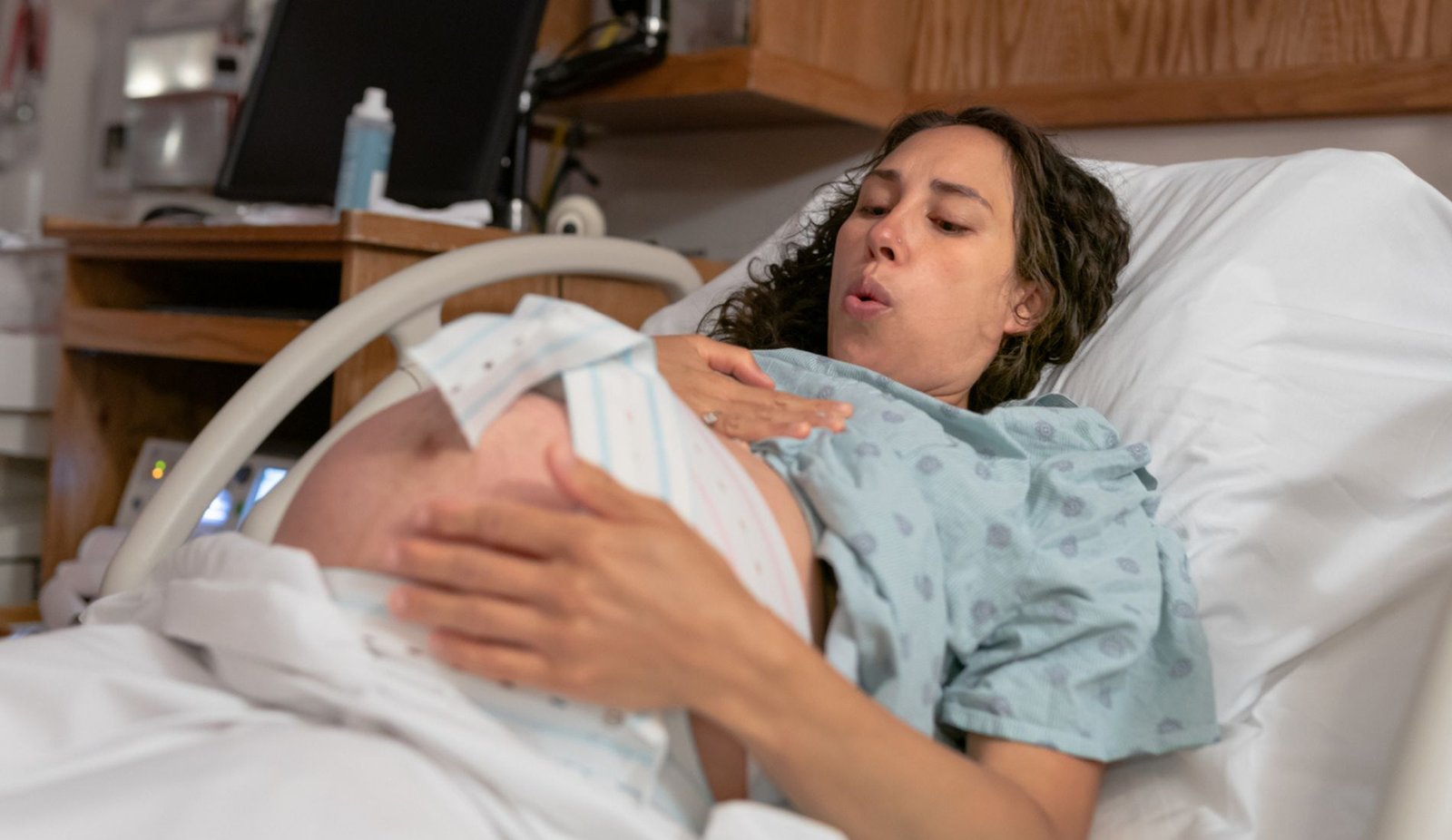
Ring of fire during labor and delivery – what exactly is it, and why do so many moms mention it with both awe and dread? If you’re approaching delivery, you might’ve heard whispers about this intense burning or stinging sensation. Is it as bad as it sounds?
The “ring of fire” refers to the sharp, stinging stretch that happens when the baby’s head crowns and the vaginal opening expands. This moment can bring intense discomfort, but it’s brief and signals you’re seconds away from meeting your baby. Renowned midwives like Ina May Gaskin explain that controlled breathing and warm compresses can ease the sting and reduce tearing.
Still, nothing compares to feeling fully prepared for what’s ahead. Want to know how to manage the ring of fire, minimize vagina and rectum pain, and protect your body during delivery? Let’s explore expert-backed tips and real vaginal birth insights that will guide you through this fiery moment.
What is The Ring of Fire During Labor?
The ring of fire during labor refers to the intense, burning sensation a woman feels as the baby’s head begins to crown—when the widest part of the baby’s head stretches the vaginal opening. This sensation is caused by the extreme pressure and stretching of the perineal tissues, vulva, and vaginal walls, which are being pushed to their physical limits.
Though painful, this stage is typically very short-lived and is an indication that your baby is moments away from being born. It’s often described as a searing, stinging, or burning feeling, similar to a deep muscle burn or road rash, localized around the vaginal opening.
For some women, the sensation is brief and manageable, while for others, it can be overwhelming. Regardless, it marks a powerful transition in the birthing process and signals the nearing end of labor.
When Does the Ring of Fire Happen?
The pregnancy ring of fire typically occurs during the second stage of labor, specifically at the moment of crowning. This is when the baby’s head stretches the vaginal opening to its maximum as it begins to emerge. Crowning happens after the cervix is fully dilated to 10 centimeters and the baby begins descending through the birth canal with each push.
For most women, this sensation lasts only a few seconds to a few minutes. The length of this phase can vary depending on factors such as the baby’s size, the birthing position, and how efficiently pushing is going. Once the baby’s head is born, the burning typically subsides almost instantly, offering both physical and emotional relief.
What Does Baby Crowning Feel Like?
Crowning is a moment of intense physical awareness. For many women, it is marked by a sudden surge of pressure in the pelvic region, followed by the unmistakable burning sensation of the ring of fire.
The sensation can be startling, even if you’ve prepared for it. Many describe it as a sharp, stretching burn that feels as though the skin is being pulled to its absolute limit—because, in many ways, it is.
At the same time, this moment brings a sense of urgency and power. You may feel a strong instinctual urge to stop pushing or pause momentarily, which is actually a natural reflex that helps prevent tearing. Despite the intensity of this moment, it often comes with a wave of adrenaline and anticipation as birth nears completion.
6 Ways to Prevent Tearing or Reduce Pain During the Ring of Fire
Yes, while tearing can sometimes be unavoidable, there are several proactive ways to reduce the intensity of the ring of fire and minimize the risk of tearing. Prevention starts well before labor and continues into the delivery process. Below are effective strategies to consider:
1. Perineal Massage During Pregnancy
Regular perineal massage from around 34 weeks of pregnancy can help prepare the perineal tissues for stretching. Using a natural lubricant or oil, gently stretching and massaging the area several times a week improves elasticity and can reduce trauma during delivery.
2. Warm Compresses During Labor and birth
Applying a warm compress to the perineum during the pushing stage can ease discomfort and improve blood flow to the tissues. This not only create a burning sensation but also helps reduce the likelihood of tearing by increasing skin elasticity.
3. Controlled Pushing
Resisting the urge to push aggressively can be key to avoiding fourth degree tears. Listening to your provider or midwife as they guide you to push gently or pause during crowning gives the perineum time to stretch gradually.
4. Birthing Positions That Support Perineal Health
Some positions are better than others for reducing the chance of tearing. Upright or side-lying positions allow for better control and less pressure on the perineum than lithotomy (on your back). Squatting or hands-and-knees may also be helpful.
5. Staying Hydrated and Nourished
Hydrated and nourished skin is more resilient. Staying hydrated during labor, along with good nutrition during pregnancy, contributes to the skin’s ability to stretch effectively.
6. Supportive Environment
Having a calm, pediatrix medical group can reduce fear and tension—two factors that can increase muscle tightness and make tearing more likely. Staying relaxed helps the body open and stretch naturally.
Why Is Crowning Called the “Ring of Fire?”
The term “ring of fire” is a vivid and fitting description of the intense burning sensation that surrounds the vaginal opening during crowning. As the baby’s head stretches the skin between your vagina and soft tissues to their maximum, the nerves in that area send sharp signals to the brain that are perceived as burning or stinging.
This nickname has become common in childbirth education and labor discussions because it accurately captures the dramatic nature of this stage. The “fire” represents both the pain and the power of the moment, signifying the final challenge before the baby’s full emergence. It’s often seen as a rite of passage—a brief but unforgettable phase of labor that leaves a lasting impression.
What to Do When Baby Is Crowning?
When your baby is crowning and you feel the ring of fire, the most important thing you can do is pause and breathe. Your natural instinct might be to push harder to get through the pain quickly, but resisting that urge and allowing your body to stretch slowly can help prevent tearing. Your care provider may coach you through controlled breathing or encourage you to “pant” rather than bear down.
This moment is also the time when warm compresses, hands-on support, or perineal guarding by your midwife or doctor can provide relief. Staying mentally focused and connected to your breath helps keep your muscles from tensing up, which can exacerbate the sensation. Knowing that this moment is brief and leads directly to meeting your baby can offer you the motivation and strength to endure it.
Coping Strategies for the Ring of Fire During Childbirth
Preparing to manage the ring of fire both mentally and physically can greatly enhance your childbirth experience. Here are strategies that can help:
1. Educate Yourself
Knowledge is power. Understanding what the ring of fire is and when it occurs allows you to anticipate it rather than fear it. Taking a comprehensive childbirth class can give you the tools and context you need.
2. Practice Relaxation Techniques
Deep breathing, visualization, mindfulness, and guided imagery can train your body to remain calm even during moments of intense sensation. These tools help regulate the nervous system and reduce perceived pain.
3. Choose the Right Birth Team
Having a supportive team that honors your birth preferences and responds calmly during intense moments is essential. A doula, midwife, or partner who knows how to ground you during crowning can make all the difference.
4. Stay Mobile and Flexible
Being able to change positions allows you to find what works best for your body in real-time. Gravity-assisted positions such as kneeling or squatting can encourage a slower, more controlled delivery.
5. Use Water Therapy
Warm water—whether from a shower, bath, or birthing tub—can reduce muscle tension and help with pain relief. Water births are associated with a gentler crowning experience for some women.
6. Remind Yourself: This Will Pass
The ring of fire, though intense, is typically one of the shortest stages of labor. Focusing on the joy that awaits at the end—meeting your baby—can help you ride the wave.
Commonly Asked Questions about Ring of Fire Pregnancy (FAQs)
What is considered active labor?
Active labor begins when contractions are strong, regular (3-5 mins apart), and cervix dilates 6+ cm. This is the intense phase of giving birth, leading to delivery.
What is the ring of fire during birth?
The “ring of fire” is the burning sensation felt as the baby’s head crowns, stretching the vagina. Most women experience the ring of fire briefly during unmedicated births.
How long does the ring of fire last during labor?
The ring of fire in pregnancy typically lasts seconds to a few minutes as the baby’s head is crowning. The intense burning sensation eases once the head is delivered.
how to avoid ring of fire during labor?
To avoid the ring of fire, consider an epidural for pain relief or ask about a controlled delivery (slow pushing). An episiotomy is rarely needed but may reduce tearing.
what is the ring of fire during labor?
The “ring of fire” is the burning sensation when the baby’s head becomes visible in the birth canal, stretching the vaginal opening. It’s brief but intense in unmedicated deliveries.
Conclusion
what’s “the ring of fire during labor? The ring of fire during labor is a powerful, transformative moment that signals the impending birth of your baby. While it can be painful, it is also a natural part of the birthing process that doesn’t last long and can be managed with the right mindset, techniques, and support.
Understanding what causes the sensation, when it occurs, and how to prepare both physically and mentally puts you in a position of strength rather than fear. With the proper tools—such as perineal massage, warm compresses, controlled breathing, and the support of an experienced birth team—you can meet this moment with courage and grace.
Childbirth is not just a medical event but a deeply personal experience. The ring of fire is not just a challenge to endure but a passage through which you welcome new life. When approached with knowledge and confidence, this brief but fiery moment becomes one of empowerment, not fear.
Recommended posts
- Is Labor Shakes Normal or a Sign of Trouble (Must-Read)
- Prodromal Labor Symptoms AKA False Labor – What to DO About It?
- 13 Weird Signs that Labor Is Near That Most Women Miss
- Pineapple and Labor Induction: Can This Fruit Really Help?
- Understanding Fetal Stations in Labor and Delivery From -5 to +5
- Labor Pain Scale 101: What to Expect from Start to Birth
- Fourth Degree Tear in Labor: Causes, Recovery & Self-Care Tips

