
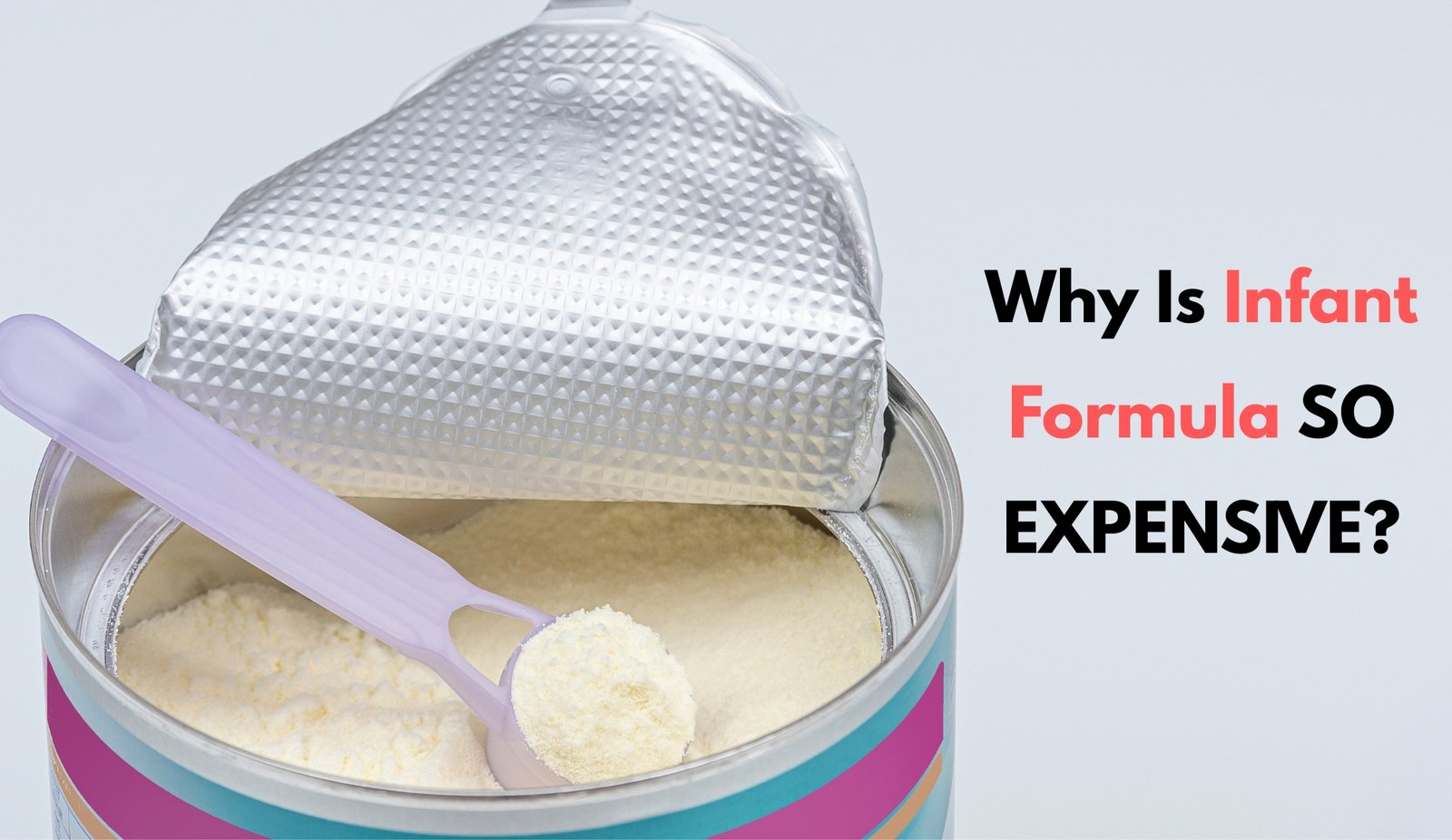
Why is infant formula so expensive, and why do parents feel the pinch every time they reach the baby aisle? Many families ask this question as prices keep rising while choices narrow. You might wonder if production costs, marketing, or regulations push the numbers up. Let’s explore what truly drives the price of baby formula and why it matters to every household with a newborn.
Infant formula prices climb because manufacturers invest heavily in research, clinical testing, and strict safety standards. Global supply-chain issues and corporate consolidation add more pressure by raising ingredient and distribution costs. Experts like pediatric nutrition specialist Dr. Steven Abrams point out that meeting quality benchmarks demands constant innovation, which also lifts the final price.
But the story doesn’t end with these factors alone. You’ll uncover deeper insights into cost structures, industry control, and the science behind every can. So stay with this guide and step into the full breakdown every new parent deserves to know when decide using formula.
Baby Formula Cost Per Month: A Breakdown
Before diving into the causes, it’s essential to understand what the average family actually spends. Baby formula costs vary widely by brand, type, and infant dietary needs, but for many households, it’s one of the largest recurring baby-related expenses.
Typical Costs:
- Standard cow’s milk formula: $80–$150 per month
- Premium or sensitive-stomach formulas: $150–$250 per month
- Hypoallergenic or specialty formulas: $250–$400+ per month
An exclusively formula-fed baby consumes roughly 25–30 ounces per day, meaning that a single can may last only 3–5 days. Multiply that over 12 months, and families may spend $1,000 to $4,000 annually, depending on the formula type.
Why it matters: For many parents, formula isn’t optional. Whether due to low breast milk supply, medical issues, adoption, work commitments, or personal choice, formula is a necessity—not a luxury.
Why Are Formula Brands Contributing to the Soaring Cost?
Several factors contribute to the rising costs of formula brands. Firstly, the production process is intricate and requires high-quality ingredients, which can be costly. Additionally, regulatory requirements mandate stringent safety and nutritional standards, further increasing production expenses.
Moreover, marketing and branding play a significant role in pricing. Major companies invest heavily in advertising their products as the best nutritional choice for infants, which can lead to higher prices.
The perception of quality associated with well-known brands can also drive up demand, allowing these companies to maintain higher price points.
7 Real Reasons Why Is Infant Formula SO EXPENSIVE:
Why Is Formula So Expensive? Here are the deeper, structural explanations behind formula’s surprisingly high price tag.
1. Strict safety regulations
Infant formula is one of the most tightly regulated food products in the world. Manufacturers must:
- Meet exact nutritional composition standards
- Conduct rigorous quality testing
- Maintain sterile, controlled production environments
- Track batches for recall readiness
These regulations exist for good reason—babies are vulnerable and require precise nutrition—but the compliance costs are enormous.
2. Complex manufacturing processes
Formula is not just powdered milk. It involves:
- Specialized proteins and micronutrients
- Precision blending equipment
- Spray-drying technology
- High-purity ingredients
- Frequent sanitation shutdowns
Production cannot be scaled cheaply or quickly, and disruptions immediately raise costs.
3. Expensive ingredients
Key ingredients, such as high-quality dairy proteins, vegetable oils, DHA, ARA, probiotics, and other additives, are expensive to source. Specialty formulas require even more costly components—like hydrolyzed proteins—which significantly raise manufacturing expenses.
4. Supply chain volatility
Formula depends heavily on global supplies of dairy, oils, and specialty nutrients. Droughts, transportation issues, pandemics, and geopolitical events can dramatically raise input costs.
5. Limited competition and market consolidation
When only a few companies dominate, competition is weak. Market consolidation leads to:
- Less innovation
- More control over pricing
- Vulnerability to shortages (since fewer plants exist)
Parents end up paying higher prices with fewer alternatives.
6. High research and development (R&D) spending
Formula companies invest heavily in R&D to mimic breast milk as closely as possible. While some improvements are meaningful, others are marketed more aggressively than they are necessary—yet all R&D costs are passed to consumers.
7. Branding, marketing, and distribution expenses
Hospital partnerships, doctor outreach programs, and national advertising campaigns are extraordinarily expensive. Formula is marketed like a premium consumer product, even though it functions more like essential nutrition.
How Does the Cost of Baby Formula Affect New Parents?
The financial impact on families can be significant—and sometimes overwhelming.
1. Household budget strain
Formula can easily consume 5–10% of a young family’s monthly income, especially in lower-income households. Unexpected medical needs or job changes can make this cost even harder to manage.
2. Increased stress and guilt
Parents feel immense pressure to provide the “best” formula, even when cheaper options meet the same nutritional requirements. Marketing intensifies fear of switching brands, leading to emotional and financial stress.
3. Work and lifestyle influences
Parents may feel obligated to return to work earlier to afford formula or to work longer hours, adding stress during an already fragile stage of life.
4. Risk of rationing during financial hardship
Some parents dilute formula to make it last longer—an extremely dangerous practice that can lead to malnutrition and medical emergencies.
The Costs of Breastfeeding vs. Formula Feeding
While breastfeeding is often considered the “free” alternative, the reality is more nuanced.
Breastfeeding costs can include:
- Breast pumps: $150–$500
- Pump replacement parts: $50–$200 annually
- Lactation consulting: $100–$300 per session
- Nursing bras, pads, and supplies: $100–$300
- Lost productivity or time constraints
Though breast milk itself is free, the process of breastfeeding has genuine costs in both time and money.
Formula feeding costs include:
- Formula: $80–$400 per month
- Bottles and sterilization gear
- Feeding accessories and storage solutions
Emotional and practical considerations
Some families simply cannot breastfeed due to medical, work, or lifestyle factors, while others prefer combination feeding. Comparing costs isn’t intended to shame but to clarify the realistic financial picture.
What Alternatives Exist if Baby Food Cost Is Too High?
If formula prices are out of reach, parents still have options—though all alternatives must be safe and medically sound.
✅ 1. Store-brand (generic) formula
Generic formula is regulated to the same standards as name brands but often costs 30–50% less. Ingredients are highly similar, and many parents report no difference in infant comfort or digestion.
✅ 2. Assistance programs
Programs like WIC, SNAP, and local community initiatives help families with formula costs. Eligibility varies, but many families qualify without knowing.
✅ 3. Medical-grade formula coverage
For babies with diagnosed allergies or metabolic conditions, insurance may cover specialty formulas with a doctor’s prescription.
✅ 4. Bulk purchasing
Buying in bulk at warehouse stores or online retailers can reduce per-ounce costs.
✅ 5. Overseas formulas (with caution)
Some parents consider importing European formulas. While high-quality, they may not adhere to local regulatory requirements, and shortages or delays can occur. Always consult a pediatrician first.
Smart Ways to Save on Baby Formula Costs
Even without compromising safety or quality, parents can significantly reduce formula expenses.
1. Use generic or store-brand formulas
These meet strict nutritional standards and cost substantially less. Check with your pediatrician before switching to ensure compatibility with your baby’s needs.
2. Sign up for brand loyalty programs
Most formula manufacturers offer coupons, discounts, and free samples through:
- Email newsletters
- Loyalty apps
- Rewards for bulk purchases
3. Compare prices across retailers
Some stores rise or fall in price weekly. Online comparisons can reveal significant savings.
4. Buy in bulk when appropriate
If your baby tolerates a formula well, buying multi-packs can save 10–20%.
5. Avoid unnecessary premium formulas
Unless medically required, premium formulas often overpromise benefits without offering substantially different nutritional value.
6. Look for subscription discounts
Retailers like Amazon, Target, and specialty baby stores offer autoship markdowns.
7. Use flexible spending accounts (FSA/HSA)
Some families qualify to use pre-tax health funds for specialty formulas with a doctor’s note.
Common Questions about Why Is Baby Formula So Expensive (FAQs)
What Causes the Baby Formula Prices to Soar?
Baby formula prices soar due to complex supply chain issues, high research and production costs for specialized nutrition, and significant market consolidation with a few dominant brands. These factors, combined with strict FDA regulations, limit competition and keep prices elevated for parents.
Why is infant formula so expensive?
The cost of infant formula has escalated due to factors like increased production costs, global supply chain challenges, and the need for essential nutrients. These elements contribute to the high prices parents face when purchasing baby formula.
What factors influence baby formula prices?
Several factors influence the cost of baby formula, including the price of raw ingredients, production processes, regulatory requirements, and market demand. Additionally, climate change impacts farming, which can further raise prices in the formula market.
How much can I expect to spend on formula per month?
On average, parents can expect to spend around $100 to $300 per month on formula milk, depending on the brand and type. The cost of baby formula per month varies widely based on choices made regarding the formula you choose.
Are there cheaper brands of infant formula?
Yes, there are cheaper brands available in the market that offer similar nutritional value. Bulk buying from retailers like Costco or Sam’s Club can also help lower the cost of infant formula for new parents.
How does breastfeeding for the first year compare to formula feeding?
Breastfeeding for the first year of a baby’s life is often recommended as it can be cost-effective and provides essential nutrients. However, for parents who choose formula, understanding the cost of baby formula is crucial for budgeting.
What are the impacts of climate change on farming related to formula?
Climate change affects farming by altering crop yields and increasing production costs. These impacts can contribute to the soaring cost of infant formula, as the availability of key ingredients diminishes during adverse weather conditions.
Where can I find food banks that provide baby formula?
Food banks often provide baby formula for low-income households or those on universal vouchers. Parents can check with local food banks or organizations that assist families needing help with feeding their baby.
What specialized formulas are available for infants?
Specialized formulas cater to infants with specific dietary needs, such as allergies or sensitivities. Brands like Danone UK offer specialty formulas, which may be more expensive due to their tailored ingredients and production processes.
How can I save on baby formula costs?
Parents can save on baby formula by utilizing bulk buying options at stores like Costco or Sam’s Club, looking for coupons, and exploring local assistance programs. Additionally, comparing prices among different formula brands can yield significant savings.
Conclusion
But HOLY MOLY formula is SO EXPENSIVE!!!! The question “Why Is Infant Formula SO EXPENSIVE” isn’t simple to answer, because the reasons are numerous and interconnected. From strict regulations and complex manufacturing to limited competition, supply chain challenges, and corporate pricing strategies, formula is priced more like a pharmaceutical product than a grocery item.
Yet parents are not powerless. By understanding the real drivers of formula cost, exploring alternatives, and applying smart savings strategies, families can reduce financial stress and ensure their baby receives safe, reliable nutrition.
Ultimately, every parent deserves access to affordable infant feeding options—and the more awareness we bring to the issue, the closer we get to meaningful change.
Recommended posts
- Is Distilled Water for Formula Milk The Best Choice or Not?
- TOP 5 Advantages of Formula Milk Feeding (Pros & Cons)
- Safest Ways for Switching Infant Formula (Best Practices)
- Can Adults Drink Infant Formula Milk? (The Unexpected Answer)
- Breastfeeding Vs Formula Milk Feeding – The Key Differences
- Where to Donate Formula (Safe & Trusted Places)
- How to Dry Up Breast Milk Without Getting Mastitis Fast?

