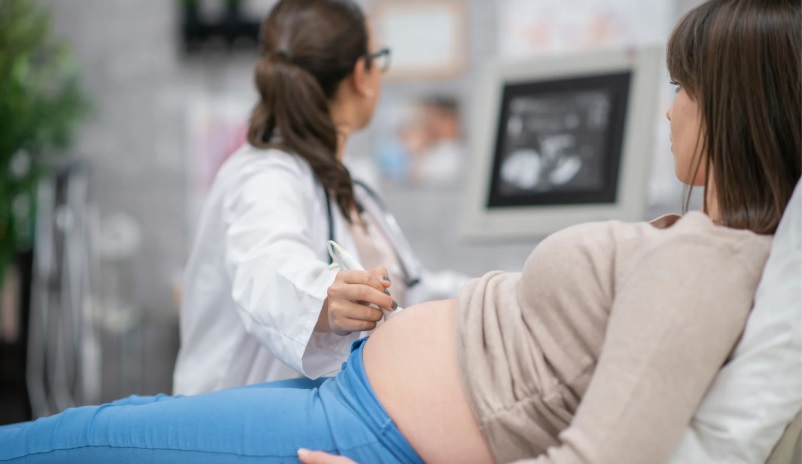
So many hiccups during pregnancy can leave expecting mothers puzzled and uncomfortable. Have you ever wondered why these tiny spasms strike seemingly out of nowhere? While they may seem harmless, frequent hiccups can raise questions about your baby’s growth and your own health.
Hiccups in early pregnancy usually occur due to the baby’s diaphragm developing and the mother’s hormonal changes, a woman may experience her own hiccups or feel rhythmic fetal jerks, which are the baby’s practice breathing. Both are normal and generally harmless signs of healthy function.
According to Dr. Jennifer Ashton, a renowned obstetrician. They are generally normal and harmless but can sometimes indicate acid reflux or overeating. Understanding the causes and remedies can help you manage them effectively.
But these are just the basics. In this article, we’ll dive deeper into why hiccups appear so often, explore expert-backed tips to reduce them, and highlight when you should consult your doctor. Let’s uncover everything you need to know about fetal hiccups during pregnancy and make your journey a bit more comfortable.
Are Constant Hiccups A Sign Of Pregnancy?
Is hiccups a sign of pregnancy? While a pregnancy test and a missed period are the most reliable early indicators, many women report an increase in hiccups as one of the unexpected early signs. So, are constant hiccups a definitive sign of pregnancy? The short answer is no, not on their own. However, there is a strong correlation that makes them a notable symptom for many.
The surge in pregnancy hormones, particularly progesterone, plays a significant role. Progesterone causes the smooth muscle tissue in your body to relax, including the diaphragm—the large, dome-shaped muscle that separates your chest from your abdomen and is crucial for breathing.
When this muscle becomes more relaxed and irritable, it can more easily go into spasms, leading to hiccups. Furthermore, the early stages of pregnancy often bring about heightened stress, anxiety, and changes in eating habits—all classic hiccup triggers.
If you find yourself hiccupping more frequently alongside other symptoms like fatigue, breast tenderness, or nausea, it could very well be your body’s way of signaling the new life beginning within.
Why Am I Experiencing Hiccups During Pregnancy?
Hiccups occur when the diaphragm—a dome-shaped muscle responsible for breathing—contracts involuntarily, producing a sudden “hic” sound. During pregnancy, several unique factors contribute to these contractions:
- Hormonal Changes – Progesterone relaxes smooth muscles, which slows digestion. This often leads to gas build-up and acid reflux, common triggers for hiccups.
- Increased Pressure on the Diaphragm – As the uterus expands, it pushes upward, limiting lung capacity and irritating the diaphragm.
- Changes in Breathing Patterns – Pregnant women often breathe faster and more shallowly, which can make the diaphragm more sensitive.
- Stress and Fatigue – Emotional stress and lack of rest are known to cause irregular breathing patterns, another possible hiccup trigger.
- Dietary Factors – Spicy food, carbonated drinks, and eating too quickly can all worsen hiccup frequency.
In most cases, hiccups are a temporary annoyance rather than a medical concern. However, persistent or painful hiccups should be discussed with a healthcare provider.
When Do Hiccups Happen the Most?
The timing of hiccups during pregnancy varies from woman to woman, but certain patterns are commonly reported:
- First Trimester: Hormonal fluctuations and morning sickness can increase the likelihood of hiccups.
- Second Trimester: As the uterus begins pressing more on the diaphragm, some women notice hiccups becoming more frequent.
- Third Trimester: This is when hiccups are often most noticeable due to both maternal and fetal causes. The baby’s movements and rapid growth can trigger sensations of hiccups from within.
For some women, hiccups appear mostly after eating, when lying down, or during periods of stress. Tracking when they occur can help identify triggers and reduce discomfort.
Why Do Babies Get Hiccups in the Womb?
One of the most fascinating aspects of pregnancy is feeling your baby’s hiccups from the inside. Fetal hiccups are a normal and healthy part of development. Here’s why they happen:
- Practice Breathing Movements – In the womb, babies practice inhaling and exhaling amniotic fluid. These exercises strengthen respiratory muscles and prepare them for life outside.
- Nervous System Development – Hiccups may reflect the maturing nervous system as it learns to coordinate swallowing and breathing functions.
- Digestive System Training – Hiccups could also be linked to the baby’s digestive readiness, as they swallow amniotic fluid.
Most experts agree that fetal hiccups are a reassuring sign of neurological development and not a cause for alarm.
What Do Fetal Hiccups Feel Like?
Fetal hiccups feel different from kicks or rolls. Mothers often describe them as:
- Rhythmic Pulses: A repeated, gentle tapping sensation at regular intervals.
- Fluttering Movements: Unlike sharp kicks, hiccups feel softer and more patterned.
- Localized Vibrations: They usually occur in one spot of the abdomen, depending on the baby’s position.
These hiccups can last anywhere from a few minutes to half an hour. They are more noticeable in the later stages of pregnancy when the baby is larger and stronger.
Can Excessive Hiccups in Early Pregnancy Hurt the Baby?
Excessive hiccups—whether maternal or fetal—rarely pose a threat to the baby. For the mother, hiccups can be uncomfortable but are generally harmless. For the fetus, frequent hiccups are considered part of healthy neurological growth.
However, there are a few rare situations to be aware of:
- Persistent Hiccups After 32 Weeks: While still often normal, unusually prolonged fetal hiccups may occasionally indicate umbilical cord compression.
- Maternal Discomfort: Severe, ongoing maternal hiccups can interfere with sleep, eating, or breathing, requiring medical advice.
If you experience daily, prolonged hiccup episodes or if your baby’s hiccups seem excessively frequent and continue late into pregnancy, consult your obstetrician for reassurance and monitoring.
What Should Pregnant Women Do When Their Baby Has Hiccups?
Most of the time, fetal hiccups require no action. They are a natural and positive part of pregnancy. Still, here are some practical tips:
- Change Positions – Sometimes shifting your posture, such as standing up or lying on your side, can reduce the sensation.
- Gentle Movement – Taking a short walk may soothe both you and the baby.
- Hydrate Well – Adequate hydration helps regulate amniotic fluid levels and overall comfort.
- Practice Relaxation Techniques – Stress can exacerbate hiccups in mothers. Deep breathing and mindfulness exercises can help.
- Monitor Patterns – Occasional hiccups are fine, but if you notice an unusual change in your baby’s activity or hiccup rhythm, inform your doctor.
Remember, most women actually find fetal hiccups reassuring, as they confirm the baby is active and growing.
Commonly Asked Questions about Hiccups in Early Pregnancy (FAQs)
What causes a fetus to hiccup in the womb?
Fetal hiccups are caused by the immature diaphragm practicing and strengthening for breathing after birth. This reflex helps develop lung function and is controlled by the nervous system, indicating healthy neurological development in the womb.
How to stop fetal hiccups?
You cannot and should not stop a normal hiccup in utero; it is a vital sign of healthy development. If episodes are prolonged or concerning, change your position and consult your doctor for reassurance and evaluation.
What causes pregnancy hiccups?
Common causes of hiccups in pregnancy include diaphragm irritation from a full stomach, temperature changes, or excitement. Mothers may also experience fetal hiccups in the womb, which are a normal sign of baby’s developing nervous system.
Ways to deal with pregnancy hiccups?
To deal with pregnancy hiccups, notice fetal hiccups and try gentle movements, hydration, or light snacks. Changing positions, relaxing, or playing music can also help soothe the baby. Always consult your doctor if concerns arise.
What causes hiccups during pregnancy?
Hiccups during pregnancy can be caused by various factors, including the growth of the fetus and hormonal changes in the body. As the baby grows inside the womb, the diaphragm may be affected, leading to involuntary contractions that result in hiccups. Additionally, certain foods or drinks consumed by the pregnant person may also lead to excess air intake, which can trigger hiccups.
Are fetal hiccups a good sign?
Yes, fetal hiccups are generally considered a good sign of fetal health and development. Many pregnant women report experiencing baby hiccups in the womb, especially during the second or third trimester. These hiccups indicate that the baby is active and developing properly, as they usually occur when the baby inhales and swallows amniotic fluid.
How do fetal hiccups feel like?
Fetal hiccups feel like rhythmic movements or gentle thumps inside the womb. They are typically less intense than other baby movements, such as kicks or rolls. Pregnant women may start to feel these hiccups around the second trimester, and they can occur frequently as the pregnancy progresses.
Can hiccups in pregnancy happen every day?
Yes, many pregnant women experience baby hiccups in womb every day during their pregnancy. These hiccups can occur at any time, but they are most common in the later stages when the baby is more developed. Fetal hiccups are a normal part of the pregnancy experience and usually indicate that the fetus is healthy and active.
How can I stop fetal hiccups?
While there is no guaranteed method to stop fetal hiccups, pregnant women can try to change their position, drink water, or eat small meals to help alleviate them. Staying calm and relaxed is also important, as stress can sometimes contribute to baby hiccuping both for the mother and the unborn baby in the womb.
When should I be concerned about fetal hiccups?
Fetal hiccups are typically not a cause for concern unless they are accompanied by other symptoms, such as a decrease in overall fetal movement or severe discomfort for the pregnant person. If there are excessive hiccups or any changes in the regular pattern of baby movements, it is advisable to consult a healthcare provider for further evaluation.
Do babies get hiccups in the womb more often as the pregnancy progresses?
Yes, as the pregnancy progresses, especially during the third trimester, many pregnant women notice an increase in fetal hiccups. This is often attributed to the baby’s development and the increasing amount of amniotic fluid they are inhaling and swallowing, which can lead to more frequent hiccups.
Is there a relationship between fetal movement and hiccups?
Yes, there is a relationship between fetal movement and hiccups. Fetal hiccups are a form of movement that can be felt by the pregnant woman, similar to other movements like kicks and rolls. Noticing these movements, including hiccups, is a positive sign of fetal activity and health inside the womb.
Conclusion
Experiencing hiccups during pregnancy is far more common than many expect. They can occur in the mother due to hormonal, digestive, and physical changes, or in the baby as a natural part of lung and nervous system development. While they may sometimes feel bothersome, they are rarely a cause for concern.
By understanding why hiccups happen, when they are most common, and how to respond, pregnant women can approach this quirky symptom with confidence. Still, when in doubt—especially if hiccups seem excessive or are accompanied by other unusual symptoms—it is always best to seek guidance from a qualified healthcare professional.
Pregnancy is full of surprises, and hiccups, both yours and your baby’s, are just one of the many fascinating reminders of the new life growing inside.
Recommended posts
- Is Posterior Placenta Good or Bad? Doctors Reveal the Truth
- How to Prevent Stillbirth During Pregnancy (5 Proven Ways)
- Canker Sore During Pregnancy: Causes, and Safe Relief Tips