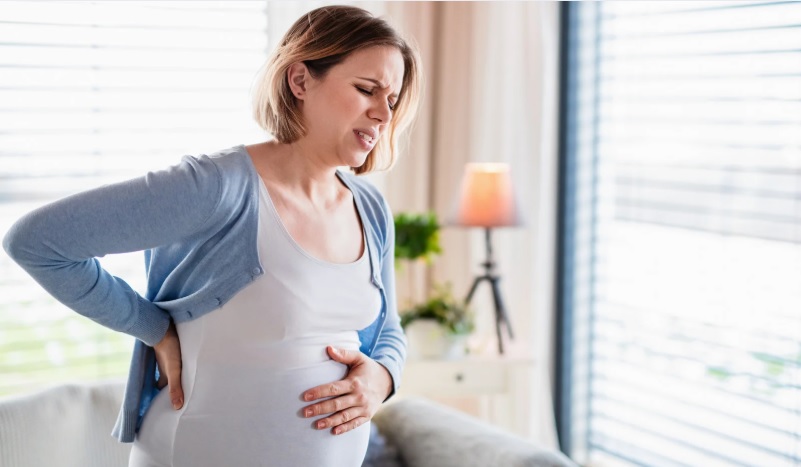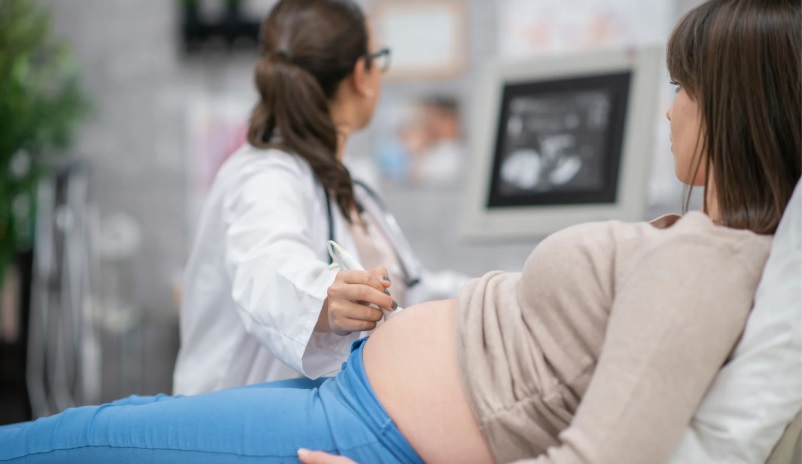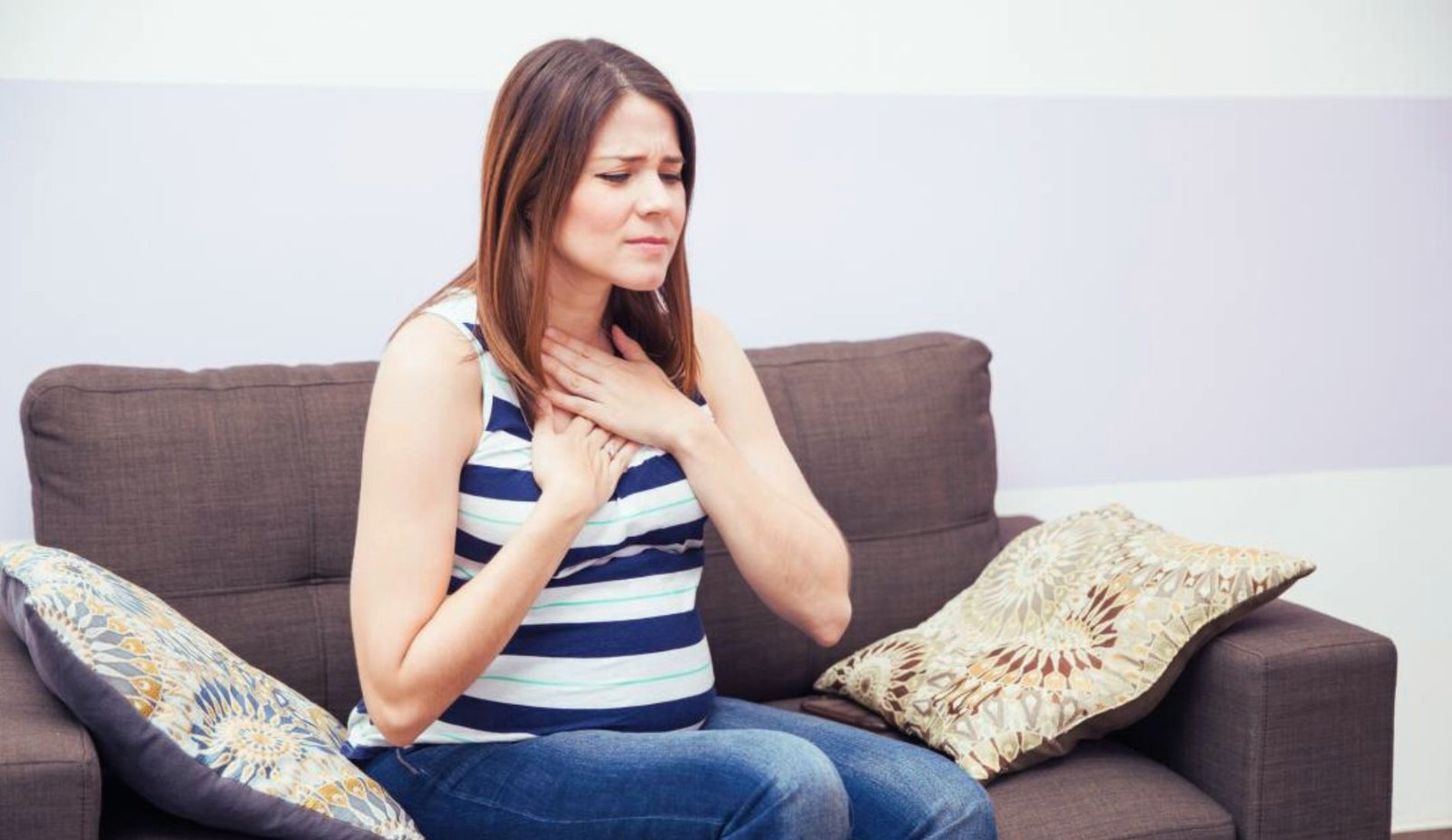
Have you noticed your heart racing or skipping a beat since becoming pregnant? Pregnant heart palpitations can feel unsettling, especially when you’re already adapting to so many physical changes. Could these sudden heart flutters mean something serious for you or your baby?
In most cases, heart palpitations during pregnancy are normal and result from increased blood volume and hormonal shifts. According to Dr. Mary Jane Minkin, clinical professor of obstetrics at Yale School of Medicine, mild palpitations usually aren’t dangerous but should be evaluated if accompanied by chest pain, dizziness, or shortness of breath. This article explains common causes and when to seek medical advice.
But understanding why they happen is just the start. From lifestyle adjustments to knowing when to call your healthcare provider, let’s help Fast Heartbeat Pregnant woman to manage this issue throughout the pregnancy journy.
What Pregnant Heart Palpitations feel like?
Heart palpitations during pregnancy can manifest in various ways. Many women describe the sensation as a fluttering, racing, or pounding heartbeat.
Some may feel as if their heart skips a beat or beats irregularly. These sensations can occur at rest or during physical activity and may be accompanied by feelings of anxiety or shortness of breath.
It’s essential to recognize that while palpitations can be alarming, they are often benign and related to the physiological changes occurring in the body during pregnancy.
Fast Heartbeat Pregnant – Why palpitations happen?
A fast heartbeat during pregnancy—tachycardia—or those classic palpitations occur for several overlapping reasons. These include physiological changes, hormonal shifts, and occasionally, medical issues. Key reasons:
- Increased blood volume and cardiac output
Pregnancy leads to a rise in blood volume (by about 30-50%) to support the growing fetus. The heart must pump more, which often means a faster resting heart rate. Mayo Clinic+2Healthline+2 - Hormonal changes
Elevated progesterone and estrogen, especially in early pregnancy, relax heart and blood vessels, change metabolism, and affect how your heart is worked. These hormones can also increase sensitivity to adrenaline and similar chemicals. Medical News Today+2centrecardiolaval.com+2 - Anemia or low hemoglobin
Iron deficiency is common in pregnancy. When hemoglobin is low, oxygen delivery is less efficient, so the heart works harder to compensate. Mayo Clinic+1 - Electrolyte imbalances, dehydration, or low blood sugar
These can also stimulate the heart to beat abnormally or more forcefully. Dehydration is quite common with pregnancy nausea, vomiting, or increased urination. Medical News Today+1 - Stress, anxiety, and sleep disturbances
Pregnancy can bring emotional stress and insomnia. These stimulate the sympathetic nervous system (“fight or flight”) and can trigger palpitations. Healthline+1 - Pre-existing or pregnancy-related conditions
Rarely, arrhythmias, structural heart disease, or other cardiac issues may be involved. Some women develop new arrhythmias during pregnancy. pmc.ncbi.nlm.nih.gov+2Mayo Clinic+2
Signs & Symptoms of Heart Palpitations During Pregnancy
Because palpitations are felt rather than observed, knowing the accompanying signs and symptoms helps determine whether they are benign or worrisome. Some common ones include:
- Rapid pulse (often >100 beats per minute at rest)
- Irregular beat, skipped beats, extra beats
- Fluttering sensation in chest, throat or neck
- Sensation of pounding, racing, or throbbing heart
- Shortness of breath or breathlessness, especially when lying down
- Lightheadedness or dizziness
- Sweating, especially sudden or unexplained
- Chest tightness or mild chest discomfort
If any of these symptoms are severe, persistently worsen, or are accompanied by fainting, swelling (especially of legs or face), or difficulty breathing, they may suggest something more serious. Mayo Clinic+2Mayo Clinic+2
Palpitations During Pregnancy — What’s Normal?
Most heart palpitations during pregnancy are harmless and part of the body’s adaptation to pregnancy. Generally, if the palpitations are infrequent, last for only a few seconds, and are not accompanied by any concerning symptoms, they are considered normal. However, it is always advisable to discuss any changes with your healthcare provider to ensure peace of mind and proper monitoring throughout your pregnancy.
Regular prenatal check-ups provide an opportunity to discuss any concerns and receive guidance tailored to your individual health needs.
Compassionate Care for Heart Conditions in Pregnancy
For women with pre-existing heart conditions or those who develop issues during pregnancy, compassionate and comprehensive care is vital. Healthcare providers can offer personalized management plans that may include:
- Regular Monitoring: Keeping track of heart rate and rhythm through regular check-ups.
- Medication Adjustments: Modifying medications to ensure safety for both mother and baby.
- Lifestyle Modifications: Encouraging a heart-healthy lifestyle, including a balanced diet, regular moderate exercise, and stress management techniques.
- Referral to Specialists: In some cases, a referral to a cardiologist familiar with Heart Beat Fast During Early Pregnancy may be necessary.
The goal of care is to ensure the well-being of both the mother and the developing baby while addressing any specific cardiovascular concerns.
Managing Palpitations and Arrhythmias During Pregnancy
Here is a practical plan for managing palpitations and arrhythmias while pregnant, emphasizing safety, symptom relief, and when to seek help.
| Strategy | What to Do | Considerations / Precautions |
|---|---|---|
| Lifestyle Adjustments | Reduce caffeine and stimulants (e.g., energy drinks) • Stay well hydrated • Avoid overheating • Eat frequent small meals to prevent blood sugar dips • Good sleep hygiene • Stress-reduction: breathing exercises, yoga, meditation | Avoid herbal or over-the-counter stimulants not approved for pregnancy; ensure hydration without overusing fluids if energy or swelling is an issue. |
| Diet and Nutrition | Balanced diet rich in iron (if needed), B-vitamins, electrolytes (potassium, magnesium) • Maintain healthy weight gain • Limit high salt when swelling or blood pressure is elevated | Always check with your provider before starting supplements. Iron for anemia must be confirmed by blood tests. |
| Monitoring and Rest | Keep a symptom diary: what you were doing when palpitations started, how long they lasted, triggers • Rest or lie down when symptoms come • Wear loose clothing; avoid tight bands around chest or waist | If heart rate increases in frequency or severity, bring diary to your care provider. |
| Medication | Only used when symptoms severe or arrhythmia confirmed • Some anti-arrhythmic drugs are considered relatively safe in pregnancy under specialist supervision • Use beta-blockers, calcium channel blockers, or other agents only when necessary | All drug decisions must balance risks and benefits. Consult a maternal-fetal medicine specialist. Some drugs cross the placenta. |
| Medical / Emergency Care | Seek immediate care for chest pain, fainting spells, unexplained severe shortness of breath, symptoms consistent with heart failure • Regular prenatal checkups include heart rate and blood pressure monitoring | Know your local hospital number/emergency care and inform your care team if any new cardiac symptoms arise. |
Common Changes During Pregnancy: Call If You’re Worried
While many changes are part of a normal pregnancy, some symptoms mean you should call your healthcare provider right away. Don’t wait in these cases:
- Palpitations accompanied by chest pain or tightness or discomfort spreading to jaw, arm, back
- Severe, sudden shortness of breath, especially with swelling of face or hands
- Fainting or near fainting (syncope)
- Very rapid or very slow heart rate, consistently measured, not just occasional “flutter”
- Symptoms of heart failure: swelling in legs, ankles, rapid weight gain, difficulty breathing, especially when lying flat
- Sudden worsening of palpitations, or increased frequency, especially after the first trimester.
Also, regular prenatal check-ups should include questions about heart symptoms—don’t be afraid to bring up any concerns early.
Commonly Asked Questions about Heart Palpitations in Pregnancy (FAQs)
What are heart palpitations during pregnancy?
Heart palpitations during pregnancy are sensations that feel like your heart is racing, fluttering, or skipping beats. Many pregnant people experience these sensations, particularly during the second trimester, as their bodies undergo significant changes that affect heart rate and blood flow.
Why do pregnant women experience heart palpitations?
Pregnancy can cause heart palpitations due to the increase in blood volume and changes in hormone levels. As the body accommodates the growing fetus, the heart works harder to pump an increased amount of blood, which can lead to variations in heart rhythm and feelings of palpitations.
Are heart palpitations common during pregnancy?
Yes, heart palpitations are common during pregnancy. Many pregnant women report experiencing an increase in heart rate, especially in the second and third trimesters. These palpitations are usually harmless and do not require treatment unless accompanied by other symptoms.
What should I do if I feel my heart racing while pregnant?
If you experience a racing heart or palpitations, it is important to stay calm. Take deep breaths and rest. If the sensation is persistent or accompanied by dizziness, shortness of breath, or chest pain, you should contact your pregnancy doctor to rule out any serious heart conditions.
Can stress cause heart palpitations during pregnancy?
Yes, stress can contribute to heart palpitations. The stress on the heart can lead to an increased heart rate, which many pregnant people may notice. Managing stress through relaxation techniques can help prevent heart palpitations.
What are the symptoms of heart problems in pregnant women?
Symptoms of heart problems in pregnant women can include irregular heartbeats, persistent heart palpitations, chest pain, excessive fatigue, and shortness of breath. Women with a history of heart disease should be particularly vigilant and consult their healthcare provider regularly.
Can pregnancy complications result in heart palpitations?
Yes, certain complications during pregnancy, such as high blood pressure or gestational diabetes, can increase the risk of heart palpitations. It’s essential for pregnant patients to monitor their health closely and communicate any concerning symptoms to their healthcare provider.
How can I prevent heart palpitations during pregnancy?
To prevent heart palpitations, maintain a healthy lifestyle by eating a balanced diet, staying hydrated, and managing stress levels. Regular prenatal check-ups can help monitor your heart health throughout pregnancy and address any concerns promptly.
When should I be concerned about heart palpitations during pregnancy?
You should seek medical attention if heart palpitations are accompanied by symptoms like chest pain, severe dizziness, fainting, or difficulty breathing. While many heart palpitations during pregnancy are benign, it’s crucial to ensure there are no underlying heart problems.
Conclusion
Experiencing pregnant heart palpitations can be unsettling, but for many, they are a normal part of pregnancy—driven by changes volume of the blood in your body, hormones, and the body’s adaptation to nurture a growing baby. Knowing what palpitations feel like, understanding common triggers, and paying attention to associated symptoms are vital.
While most palpitations are harmless and manageable with lifestyle adjustments, hydration, rest, and healthy nutrition, there are red flags that should prompt medical evaluation. Compassionate care from a specialized team, timely monitoring, and the right balance between caution and reassurance will help ensure both your health and your baby’s health. If you ever feel in doubt, reach out to your healthcare provider—better safe than sorry.
Recommended posts
- Is Iron Transfusion While Pregnant Safe? (Essential Guide)
- Managing Night Time Anxiety Postpartum Effectively (Proven)
- The Physiology of Anemia in Pregnancy in Expecting Mothers