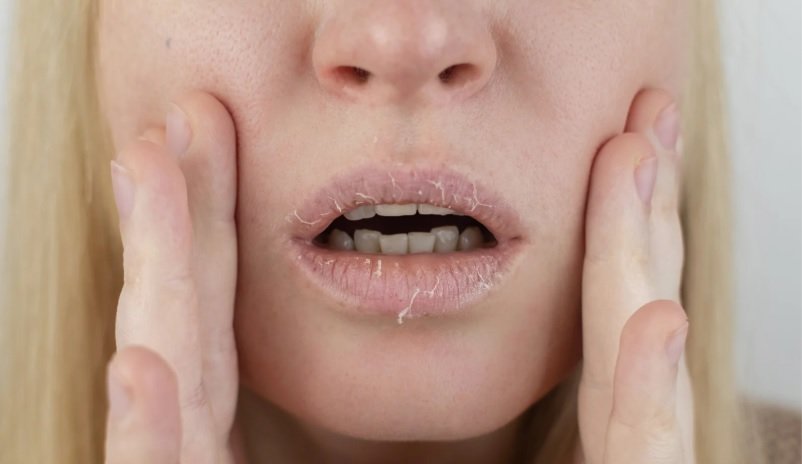
Postpartum skin dryness can catch many new mothers off guard. Have you noticed flaky patches, tightness, or dullness in your skin after giving birth? If so, you’re not alone—this is a common concern among postpartum women.
The sudden drop in estrogen, dehydration from breastfeeding, and lack of sleep all play a role in drying out your skin. Many moms experience dry hands, itchy legs, or even facial dryness during the weeks after delivery. Fortunately, simple changes in skincare and hydration can bring relief quickly.
Still, there’s more to understand about how childbirth affects your skin long-term. Dermatologists like Dr. Whitney Bowe emphasize the importance of barrier repair and gentle moisturizers during this phase. So, let’s uncover what’s really going on with your skin—and how to restore its natural glow.
What Is Postpartum Dry Skin?
Post pregnancy dry skin refers to the condition where women experience enhanced dryness and irritation of the skin after giving birth. This skin condition can manifest in various ways, including flakiness, tightness, and an overall rough texture.
The hormonal fluctuations that occur during the postpartum period can strip the skin of its natural oils, leading to a lack of hydration. Moreover, breastfeeding women may find their skin even drier due to increased fluid loss. Proper postpartum skin care becomes essential to alleviate discomfort and restore moisture to the skin.
In addition to the physical changes, many women also notice shifts in their skin’s appearance, which can be disheartening. The experience postpartum often includes a quest for that elusive ‘pregnancy glow,’ which can seem diminished due to dry postpartum skin.
To effectively combat this issue, it is crucial to focus on replenishing moisture and protecting the skin barrier. By doing so, women can help their skin recover from the dryness associated with hormonal changes and embrace a healthier complexion.
What Causes Postpartum Skin Changes?
After childbirth, your body undergoes intense hormonal and physical shifts. These changes don’t stop at your belly or hormones—they also show up on your skin. Many new mothers notice acne, dryness, pigmentation, or sensitivity in the weeks and months after delivery. Let’s break down what causes these common postpartum skin changes.
1. Hormonal Fluctuations
The biggest culprit is a sudden drop in pregnancy hormones. Estrogen and progesterone levels fall quickly after birth. This sudden shift can cause:
- Acne outbreaks
- Dry patches
- Increased oil production
- Redness and irritation
Breastfeeding can prolong hormonal imbalances, too. While normal, these fluctuations can leave your skin feeling unpredictable.
2. Stress and Sleep Deprivation
Caring for a newborn is exhausting. Lack of sleep and emotional stress take a toll on your skin. They can lead to:
- Under-eye circles
- Dull or tired-looking skin
- Breakouts and inflammation
Cortisol, the stress hormone, spikes when you’re sleep-deprived. This affects your skin’s ability to repair and renew itself.
3. Changes in Blood Circulation
During pregnancy, blood volume increases. After birth, circulation shifts and your skin may appear pale, blotchy, or uneven.
Some women experience:
- Postpartum flushing
- Spider veins
- Dry or tight skin
These changes are usually temporary but can be uncomfortable or frustrating.
4. Melasma and Hyperpigmentation
Many moms notice dark patches or “pregnancy mask” lingering after childbirth. Melasma is caused by hormonal changes that trigger extra melanin production. It can appear on:
- Forehead
- Cheeks
- Upper lip
These dark spots often fade over time but may need targeted care like sunscreen, vitamin C, or gentle exfoliants.
5. Stretch Marks and Skin Laxity
Stretch marks (striae) form during pregnancy as your skin stretches rapidly. After delivery, skin may lose firmness, especially around:
- Abdomen
- Breasts
- Thighs
Collagen breakdown and hormonal drops contribute to this change in texture and elasticity.
6. Postpartum Sweating and Body Odor
Night sweats and increased perspiration help your body eliminate excess fluids. However, this can make your skin feel clammy or cause irritation and breakouts.
Stay hydrated and shower regularly to support your skin’s recovery.
How to Care for Postpartum Skin
- Hydrate and eat nutrient-rich foods
- Use gentle, fragrance-free skincare
- Protect with sunscreen daily
- Sleep as much as possible
- Practice stress relief (deep breathing, walks, or short naps)
Postpartum skin changes are normal and temporary. They’re signs your body is healing and rebalancing. With gentle care and patience, your skin will improve over time. Be kind to yourself—you just created life, and that deserves love and care.
What Types of Skin Issues Might I Experience Postpartum?
After giving birth, women may experience a range of skin issues, including dry skin postpartum, acne, and even conditions like melasma. The skin can become more sensitive and prone to irritation, leading to itchy skin and heightened discomfort.
Papules and plaques of pregnancy can also persist, causing additional skin condition concerns. These skin changes can be attributed to hormonal fluctuations and the body adjusting to life after pregnancy.
In addition to these common postpartum skin issues, some women may notice dark patches, particularly on the face, due to melasma. This condition is often triggered by hormonal changes during and after pregnancy.
It is essential for new mothers to consult with a dermatologist if they encounter persistent or bothersome skin conditions. Understanding the various types of postpartum skin issues can help women address their concerns effectively, enabling them to feel more confident in their skin.
Managing Postpregnancy Hormonal Skin Issues
Managing hormonal skin issues during the postpartum period requires a multifaceted approach. First and foremost, it is essential to establish a consistent skincare routine that includes gentle cleansers and good moisturizers.
These products can help hydrate and soothe postnatal dry skin while maintaining the skin barrier. Additionally, incorporating topical corticosteroids may alleviate inflammation related to certain skin conditions.
Moreover, staying hydrated is vital for maintaining healthy skin during this time. Drinking plenty of water and consuming a healthy diet rich in vitamins and minerals can support skin health.
It’s also beneficial to avoid harsh products that can strip the skin of its natural oils. By understanding how to manage hormonal skin changes effectively, new mothers can improve their skin condition and enjoy a more radiant complexion postpartum.
Postpartum Skin Care Essentials:
Postpartum Skin Care Essentials focus on healing, hydration, and gentle care to address hormonal changes, dryness, sensitivity, and other common skin concerns after childbirth. Here’s a guide to the must-haves and tips:
1. Gentle Cleanser
- Why: Hormonal shifts can make skin more sensitive or acne-prone.
- Look for: Sulfate-free, fragrance-free formulas.
- Examples: CeraVe Hydrating Cleanser, La Roche-Posay Toleriane.
2. Deep Moisturizer
- Why: Postpartum skin is often dehydrated due to hormone drop and breastfeeding.
- Look for: Ceramides, hyaluronic acid, shea butter.
- Examples: Vanicream Moisturizing Cream, First Aid Beauty Ultra Repair Cream.
3. Stretch Mark Care
- Why: Skin recovery after stretching during pregnancy.
- Look for: Vitamin E, cocoa butter, centella asiatica.
- Examples: Bio-Oil, Palmer’s Cocoa Butter Formula, Mederma Stretch Marks Therapy.
4. Soothing Nipple Balm (if breastfeeding)
- Why: Prevent and treat dry, cracked nipples.
- Look for: Lanolin or plant-based alternatives.
- Examples: Lansinoh Lanolin Cream, Earth Mama Organic Nipple Butter.
5. Sunscreen (Daily SPF)
- Why: Skin is more susceptible to pigmentation, especially melasma.
- Look for: Mineral SPF 30+ for sensitive skin.
- Examples: EltaMD UV Clear, Neutrogena Sheer Zinc.
6. Under-Eye Cream
- Why: Sleep deprivation can cause puffiness and dark circles.
- Look for: Caffeine, peptides, niacinamide.
- Examples: The Ordinary Caffeine Solution, Olay Eyes Ultimate Eye Cream.
7. Hair & Scalp Support
- Why: Postpartum hair loss is common.
- Look for: Gentle, volumizing shampoos, scalp serums with biotin or peptides.
- Examples: Vegamour GRO Serum, Briogeo Blossom & Bloom.
8. Body Oil or Lotion
- Why: Helps with dry, itchy skin and promotes skin elasticity.
- Look for: Almond oil, jojoba oil, or urea-based lotions.
- Examples: Aveeno Daily Moisturizing Oil Mist, Eucerin Advanced Repair Lotion.
9. Exfoliant (Use Sparingly)
- Why: Helps with dullness and clogged pores.
- Look for: Lactic acid or polyhydroxy acids (PHAs), which are gentler.
- Avoid: Strong retinoids if breastfeeding unless prescribed.
10. Hydration & Nutrition
- Internal Care: Drink lots of water, maintain a skin-friendly diet (omega-3s, antioxidants, collagen-rich foods).
- Supplements: Prenatals, vitamin D, and collagen (check with your provider).
Sun Protection for Postpartum Skin – POSTPARTUM SKIN CARE ROUTINE
Sun protection is a critical aspect of postpartum skin care, as the skin can become more sensitive after childbirth. New mothers may notice an increased susceptibility to sun damage, leading to dark patches or exacerbation of existing conditions like melasma.
Therefore, applying a broad-spectrum sunscreen with an appropriate SPF is essential to protect the skin from harmful UV rays. This step is particularly important for women who experience hormonal fluctuations that can affect skin pigmentation.
In addition to using sunscreen, it is advisable to seek shade during peak sun hours and wear protective clothing. Regular application of sunscreen, even on cloudy days, can help maintain a healthy complexion.
Building a habit of sun protection will not only help prevent further skin damage but also contribute to long-term skin health. By prioritizing sun protection, new mothers can safeguard their skin against the adverse effects of sun exposure during the postpartum period.
Commonly Asked Questions about Postpartum Skin Dryness (FAQs)
Are there any skincare products I should avoid while breastfeeding?
Avoid retinoids, high-dose salicylic acid, and hydroquinone while breastfeeding, as they may absorb into milk. Opt for fragrance-free, gentle products labeled “pregnancy-safe” or consult your doctor.
Can postpartum cause skin problems?
Yes, postpartum hormonal shifts can trigger condition called postpartum thyroiditis, dryness, or melasma as skin cells adjust. Most issues resolve in months, but consult a dermatologist if persistent or severe.
What to do with postpartum skin issues?
Postpartum skin issues? Hydrate, use gentle cleansers, and keep your skin moisturized. Hormonal shifts from pregnancy and skin changes often resolve gradually—consult a dermatologist if persistent.
What skin care products should you avoid if breastfeeding?
Avoid retinoids, high-dose salicylic acid, hydroquinone, and chemical sunscreens while breastfeeding, as they may enter milk. Opt for fragrance-free, pregnancy-safe products or consult your doctor.
When do pregnancy skin changes go away after giving birth?
Most pregnancy skin changes (like melasma or acne) fade within 6–12 months postpartum as hormones stabilize. Stay hydrated, use gentle skincare, and consult a dermatologist if persistent.
What are some safe ways to take care of my skin postpartum?
Safe postpartum skincare includes gentle cleansers, fragrance-free moisturizers, and mineral sunscreen. Avoid harsh actives (like retinoids) while breastfeeding. Stay hydrated and prioritize rest to support skin healing.
What causes postpartum skin dryness?
Postpartum skin dryness can be attributed to changes in hormone levels after childbirth, which may lead to decreased oil production from sebaceous glands. This condition is often exacerbated by the body’s hormonal changes during pregnancy and postpartum.
How does postpartum dryness differ from pregnancy glow?
The pregnancy glow is typically characterized by radiant, hydrated skin due to increased blood flow and oil production. In contrast, postpartum dryness often results from hormonal fluctuations that can strip your skin of moisture, leading to a duller appearance.
Can postpartum acne be a result of dryness?
Yes, postpartum acne can occur due to hormonal changes, which can lead to increased oil production and clogged pores. This condition can be compounded by dryness, as the skin may try to compensate for lack of moisture by producing excess oil.
What are some effective remedies for postpartum skin dryness?
To combat postpartum dryness, consider using moisturizers that retain moisture without stripping your skin. Look for products with hyaluronic acid, and establish a gentle skin care routine that includes hydrating serums and creams.
Should I change my skin care routine after giving birth?
Yes, it may be beneficial to adjust your skin care routine after childbirth. Focus on gentle, hydrating products that won’t strip your skin and consider incorporating ingredients that help even out skin tone and texture.
Are there any specific ingredients to avoid for postpartum skin issues?
It’s advisable to avoid harsh ingredients such as salicylic acid in high concentrations, as they can further irritate dry skin postpartum. Instead, opt for gentler alternatives that will not strip your skin and support moisture retention.
Can postpartum thyroiditis affect my skin condition?
Yes, postpartum thyroiditis, a condition that can occur after giving birth, can lead to fluctuations in hormone levels that may affect skin health, including dryness and changes in skin texture.
What skin conditions are common during pregnancy and postpartum?
Common pregnancy-related skin conditions include pruritic urticarial papules and plaques, melasma, and postpartum acne. These conditions can vary in severity and are often linked to hormonal changes.
How long does postpartum dryness usually last?
Postpartum dryness duration varies for each individual. It can last from a few weeks to several months as hormone levels stabilize after childbirth. Maintaining a consistent skin care routine can help alleviate symptoms more quickly.
What lifestyle changes can help improve postpartum skin health?
Staying hydrated, eating a balanced diet rich in vitamins and antioxidants, and using sunscreen regularly can significantly improve skin health. Additionally, ensuring adequate sleep and stress management can contribute to overall skin wellness during the postpartum period.
Conclusion
In conclusion, postpartum skin dryness is a common experience for many women, influenced by hormonal changes and various external factors. Understanding the causes and types of skin issues, along with implementing a solid skincare routine, can significantly improve skin health during this transitional period. By focusing on hydration, sun protection, and using suitable products, new mothers can effectively manage their postpartum skin condition. Embracing these practices will not only alleviate dryness but also help restore confidence and promote a healthy, radiant complexion as they navigate the beautiful journey of motherhood.
You might also like
- 3 Hacks to Fix Postpartum Body Odor (No One Talks About)
- 5-5-5 Rule Postpartum Recovery: (A Must for Every New Mom)
- 9 Must-Have Post pregnancy Essentials for Mom Recovery & Baby
- Balancing Hormones Postpartum Naturally (7 Proven Ways)
- Treatment for Postpartum Hives: Safe Ways to Soothe Your Skin
- 7 Surprising Benefits of Postpartum Belly Wrap for Recovery
- Safe Postpartum Keratosis Pilaris Treatment Methods to Try
- When Does Postpartum Hair Loss Stop? (Causes & Recovery Tips)
- The Fastest Way to Heal Cracked Nipples from Breastfeeding