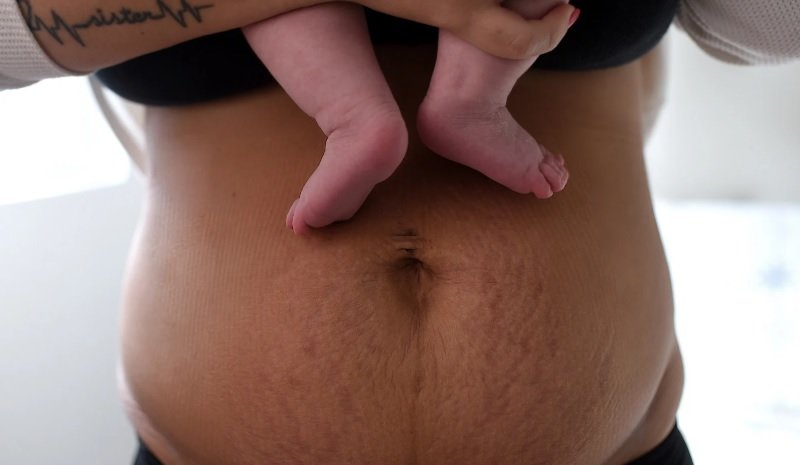
Postpartum gassiness—feeling unusually bloated or gassy after giving birth? You’re not alone, and it’s more common than most new moms realize. Digestive changes, hormonal shifts, and weakened pelvic floor muscles can all lead to excess gas after delivery, gassiness after giving birth is a common (yet rarely talked about) issue many new moms experience.
Doctors like Dr. Nicole Calloway Rankins, an OB-GYN and birth educator, explain that postpartum gas can result from C-sections, antibiotics, or even changes in diet while breastfeeding. Luckily, gentle movement, hydration, probiotics, and fiber-rich meals often help restore gut balance. Most women feel better within weeks with the right care.
Still feeling off or embarrassed by the bloating? Don’t worry—you’re not the only one dealing with it. Let’s explore the real causes and expert-backed tips to help you feel more comfortable in your body again.
Why Am I So Gassy After Giving Birth?
After giving birth, many women find themselves dealing with gassiness due to various factors. One major reason is hormonal changes that occur during the postpartum period, which can affect digestion and contribute to excess gas. Additionally, the physical strain of childbirth can impact the pelvic floor muscles, leading to changes in bowel movements.
Women may experience constipation, which can also cause gas and bloating as the trapped gas struggles to pass through the intestines. In essence, the body undergoes significant adjustments, and these physiological shifts can manifest as increased flatulence and discomfort.
Furthermore, the anxiety and stress of adjusting to a new baby can exacerbate these digestive issues. Many new mothers prioritize breastfeeding, which can sometimes lead to additional gas if the mother’s diet includes gas-producing foods.
The combination of a recovering body, possible pain medication, and altered eating habits can all contribute to the prevalence of postpartum gas pain during this period. Understanding these reasons can provide some reassurance to new mothers experiencing this common yet uncomfortable symptom.
Is Postpartum Gas Normal? Understanding Postpartum Gas
Postpartum gas is a common occurrence for many new mothers, and understanding its normalcy can help alleviate concerns. It is essential to recognize that the postpartum recovery phase involves significant changes in the body, which can lead to various digestive issues, including gassiness.
A combination of hormonal fluctuations, dietary changes, and the physical aftermath of childbirth can all cause increased flatulence. As the body works to adjust and heal, it is entirely normal to experience gas pain and discomfort during the weeks postpartum.
Moreover, the process of giving birth can lead to temporary disruptions in the digestive tract, making it more challenging for gas to pass smoothly. This trapped gas can contribute to feelings of bloat and discomfort.
While some women may feel embarrassed about discussing such symptoms, it is crucial to recognize that postpartum gas is a widespread experience. Emphasizing the normalcy of these symptoms can encourage new mothers to seek solutions and find relief rather than suffer in silence.
What Causes Postpartum Gas: Causes of postpartum gas and bloating
Postpartum gas and bloating are common issues after childbirth, often caused by a combination of physiological and lifestyle factors. Here are the main causes:
1. Hormonal Changes After Birth
After childbirth, your body undergoes rapid hormonal shifts. These changes can slow down your digestive system. As a result, bloating and gassiness become common in the first few weeks postpartum. Progesterone, in particular, can relax the muscles in your gut, making digestion sluggish.
2. Weakened Abdominal Muscles
Pregnancy stretches and weakens the abdominal muscles. This makes it harder for your body to move gas through your system. A weak core can lead to trapped air, resulting in bloating and discomfort.
3. Constipation
Many women experience constipation after delivery. Pain medications, dehydration, or iron supplements can all contribute. When stool moves slowly, gas builds up and causes bloating. Straining during bowel movements can also add to the pressure in your abdomen.
4. Diet and Eating Habits
Postpartum cravings and rushed meals can lead to swallowing air. Gassy foods like beans, broccoli, dairy, or carbonated drinks can make symptoms worse. Eating too fast or talking while chewing may also increase the amount of air you swallow.
5. Limited Physical Activity
Rest is essential after childbirth, but lack of movement slows digestion. Gentle walking helps stimulate your bowels. Without activity, your intestines may become sluggish, leading to gas buildup and bloating.
6. Pelvic Floor or Abdominal Surgery
If you had a C-section or any pelvic repair, your gut may react more slowly during recovery. Surgical procedures can temporarily disturb your bowel function. This can increase trapped gas and discomfort in the days following birth.
7. Breastfeeding Hormones
Breastfeeding triggers oxytocin, which stimulates uterine contractions. These contractions sometimes cause abdominal discomfort that feels like gas. In some women, breastfeeding also affects digestion and contributes to bloating.
8. Antibiotics or Medications
Postpartum medications can alter your gut flora. Antibiotics kill both bad and good bacteria in the intestines. This imbalance may lead to excess gas and bloating during recovery.
How to Relieve Postpartum Gassiness & Bloating?
Finding effective remedies to relieve postpartum gassiness is essential for new mothers seeking comfort during their recovery. One of the most basic yet effective methods is to engage in gentle physical activity.
Light exercises, such as walking, can stimulate digestion and help pass gas trapped in the intestines. Additionally, practicing deep breathing techniques can relax the abdominal area, potentially easing gas pain and discomfort. Staying hydrated and consuming easily digestible foods can also help in reducing postpartum gas and bloating.
Another useful approach is to modify dietary habits to minimize gas production. Keeping a food diary can help identify which foods cause excessive gas, enabling mothers to avoid them. Incorporating probiotics into the diet can also support gut health and improve digestion.
If symptoms persist, over-the-counter remedies designed to relieve gas can provide quick relief. However, it is always advisable to consult with a healthcare provider for personalized recommendations, especially when dealing with persistent gas pain or discomfort during the postpartum period.
6 Ways to Relieve Postpartum Gas (Home Remedies)
Dealing with postpartum gas can be a challenging part of the postpartum experience for new moms, especially following a vaginal or cesarean delivery. Various factors can contribute to gas, leading to abdominal pain and discomfort.
Understanding the causes and remedies is crucial for relief. Here are 6 effective home remedies to relieve postpartum gas and bloating naturally:
1. Sip Warm Water with Ginger
Ginger is a natural digestive aid. It helps reduce inflammation and improves gut movement. Sip warm water with fresh ginger slices or drink ginger tea. This simple remedy can ease bloating and calm your stomach.
2. Walk Daily to Stimulate Digestion
Gentle walking boosts circulation and helps release trapped gas. Just 10–15 minutes a day can make a big difference. Moving your body encourages bowel activity and relieves pressure in your abdomen.
3. Try a Warm Compress on Your Belly
Applying a warm compress helps relax stomach muscles. Heat improves blood flow and reduces cramping. Use a heating pad or warm towel for 10–20 minutes. It’s a soothing way to ease discomfort and gas pain after birth.
4. Avoid Gassy Foods and Carbonated Drinks
Certain foods increase gas production. Limit beans, broccoli, cabbage, onions, and dairy if you’re sensitive. Avoid fizzy drinks that add air to your digestive system. Stick to gentle, nourishing meals that are easy to digest.
5. Stay Hydrated Throughout the Day
Drinking enough water keeps your digestive system running smoothly. It helps prevent constipation, a major cause of gas. Aim for 8–10 glasses of water daily, especially if you’re breastfeeding.
6. Use Herbal Remedies Like Fennel Seeds
Fennel seeds are well-known for reducing gassiness. Chew a small teaspoon after meals or make fennel tea. This age-old remedy supports digestion and relieves trapped air naturally.
Postpartum gas is uncomfortable but manageable with simple home remedies. Warm drinks, movement, and smart food choices offer fast relief. These natural solutions help your body recover gently and restore comfort in your daily life.
When to See a Doctor About Postpartum Gas?
While postpartum gassiness is common, there are certain situations where it is wise to see a doctor. If gas pain is accompanied by severe gas pain after birth or persistent discomfort that disrupts daily activities, it may indicate a more serious underlying issue.
If there are significant changes in bowel habits, such as prolonged constipation or diarrhea, it is essential to consult a healthcare professional. Other concerning symptoms can include fever, vomiting, or blood in the stool, which require immediate medical attention.
Women should also be mindful of gas that is not alleviated by home remedies or lifestyle changes. If postpartum gas continues to be a source of distress weeks postpartum, a conversation with a doctor may be necessary to explore other potential causes or treatments.
Ultimately, new mothers should feel empowered to seek medical advice when they have concerns about their health, ensuring that they can focus on their recovery and caring for their newborn without unnecessary discomfort.
Commonly Asked Questions about Possible causes of Postpartum Gassiness (FAQs)
How to find relief from postpartum gas?
Relieve postpartum gassiness with gentle movement (walking), peppermint tea, or simethicone drops (if breastfeeding-safe). Avoid gas-producing foods and ask your doctor about stool softeners if constipated.
Is postpartum gassiness a common issue after pregnancy and delivery?
Yes, postpartum gassiness is a common issue that many women experience in the months after giving birth due to changes in the body.
What causes painful gas after giving birth?
Painful gas can be caused by various factors, including hormonal changes, the effects of pain medications, and the stretching of the anal sphincter muscles during delivery.
Why do some women find it harder to pass gas postpartum?
After childbirth, women may experience difficulty passing gas due to weakened pelvic floor muscles and the stretching of the anal sphincter, which can lead to bloating and gas.
What can I do to help relieve postpartum gas?
To help relieve gas, it is important to drink plenty of water and incorporate fiber into your diet, which can help ease digestion and prevent gas buildup.
Can pain medications contribute to postpartum gassiness?
Yes, postpartum gas pain medications may lead to gastrointestinal issues, making it harder to pass gas and potentially causing bloating and discomfort.
Who can I talk to for postpartum support regarding gas and bloating?
You can consult a therapist who specializes in pelvic floor health or your doctor to rule out any underlying issues related to gassiness and bloating.
How does postpartum depression affect gassiness and digestion?
Postpartum depression can impact overall digestion and can lead to changes in eating habits, potentially resulting in increased gas and bloating.
Are there specific exercises that can help with postpartum gas issues?
Yes, pelvic floor exercises can strengthen anal sphincter muscles, which may help relieve difficulty passing gas and reduce bloating.
When should I speak to a doctor about my postpartum gassiness?
If you experience severe discomfort or persistent gas issues beyond a few days after delivery, it is advisable to speak to your doctor to rule out any serious complications.
Conclusion
In conclusion, postpartum gassiness is a common experience for many new mothers, resulting from various physical and hormonal changes following childbirth. Understanding the causes of postpartum gas and recognizing its normalcy can help alleviate concerns. By implementing effective relief strategies, such as dietary modifications, gentle exercise, and home remedies, mothers can find comfort during their recovery. However, it is crucial to remain vigilant and seek medical advice if symptoms are severe or persist beyond the expected recovery period. Through awareness and proactive management, new mothers can enjoy a more comfortable postpartum period while bonding with their newborn.
Recommended posts
- How to Tighten Your Vigina After Giving Birth (Proven)
- Irregular Periods Postpartum: What New Moms Should Expect?
- How Long Does Postpartum Gas Last: (Quick Ways to Relieve)
- 10 Genius Meal Prep for Post Pregnancy Ideas for New Moms
- When to Start Return Running Postpartum Safely?
- The Truth About Postpartum Diarrhea (And When to Worry)