
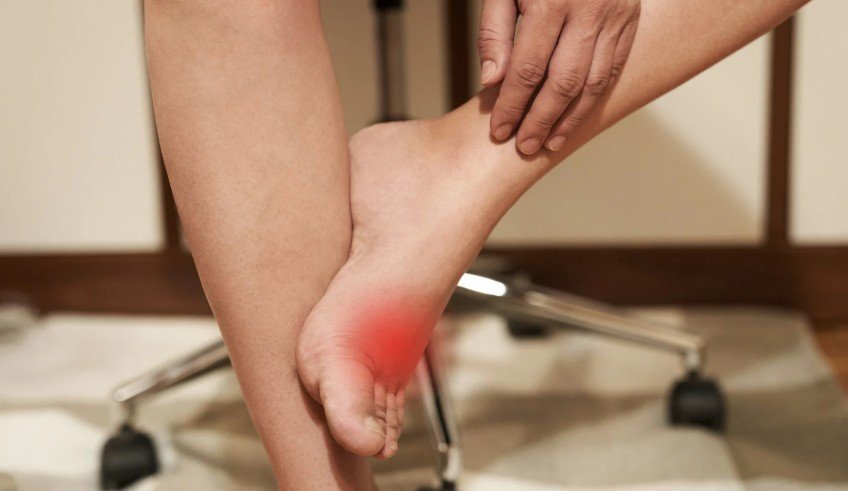
Noticing swelling in your feet after pregnancy? Post pregnancy swelling feet, also known as postpartum edema, is a common concern for many new mothers. During pregnancy, the body undergoes numerous changes, including increased fluid retention, which can cause swelling in the feet and ankles.
Many new mothers experience puffiness or fluid retention in the weeks following childbirth. Is it just a normal part of recovery, or a sign of something more serious?
Post-pregnancy feet swelling may signal complications like postpartum preeclampsia or a blood clot. Obstetrician Dr. Jane van Dis advises monitoring for symptoms such as severe pain, redness, or high blood pressure. Want to know how to tell the difference and recover faster? Let’s explore the details.
After childbirth, this swelling can persist for a while, causing discomfort. Fortunately, there are several effective ways to alleviate this condition and promote faster recovery. In this article, we will explore what postpartum swelling is, why it occurs, and most importantly, how you can reduce swelling in your feet and ankles using home remedies.
What Is Postpartum Swelling or Postpartum Edema?
Postpartum swelling, or postpartum edema, refers to the accumulation of excess fluid in the body’s tissues following childbirth. This condition is quite common and can affect various parts of the body, including the feet, ankles, hands, and face.
The after delivery feet swelling is caused by the body’s response to pregnancy, labor, and delivery. After giving birth, the body works to eliminate the extra fluids that were retained during pregnancy, which can result in noticeable swelling feet post pregnancy.
Swelling typically occurs because of the changes in blood volume, hormone levels, and the physical demands of pregnancy. However, post pregnancy feet swelling should gradually decrease within a few weeks after delivery as the body returns to its pre-pregnancy state.
Is Postpartum Swelling Normal?
Yes, postpartum swelling is completely normal for most women and is often temporary. In the final stages of pregnancy, the body retains more fluids to support the growing baby.
After childbirth, the body needs time to adjust, and it can take a few weeks for the extra fluid to be flushed out naturally. Swelling in the feet and ankles is especially common, as these areas bear much of the weight and are prone to fluid retention.
However, while postpartum swelling is generally harmless, it’s important to monitor the condition. If the swelling seems excessive or persists for a prolonged period, it could be a sign of an underlying issue, such as an infection, deep vein thrombosis (DVT), or a problem with blood circulation. In such cases, it’s crucial to seek medical advice.
What Causes Swelling During Pregnancy?
Swelling during pregnancy is largely due to the increased pressure on your body and the hormonal changes that take place. Below are the main causes of swollen feet after pregnancy:
- Increased Blood Volume: During pregnancy, your body produces more blood and bodily fluids to nourish both you and your baby. This excess fluid can accumulate in your extremities, such as the feet and ankles.
- Hormonal Changes: Pregnancy hormones, especially progesterone, can cause the body to retain more fluids. This makes your tissues more likely body hold on to excess water.
- Pressure from the Growing Uterus: As your baby grows, the uterus expands, putting pressure on the veins in your legs. This impedes the flow of blood back to your heart, leading to fluid buildup in the lower extremities.
- Reduced Activity Levels: Pregnancy often causes women to be less physically active, leading to poor circulation. Less movement can exacerbate swelling, especially in the feet and legs.
- Dietary Factors: High salt intake can contribute to fluid retention, further aggravating swelling during pregnancy.
After childbirth, your body begins the process of flushing out the excess fluids, but it may take time for swelling to fully subside.
How Do You Reduce Swelling in My Feet After Giving Birth?
Reducing swelling in your feet after giving birth involves taking simple, yet effective, steps to promote circulation and eliminate excess fluid. Here are some tips to help manage and reduce postpartum swelling:
- Elevate Your Feet: One of the most effective ways to reduce swelling is by elevating your feet above the level of your heart. This encourages the fluid to move away from your feet and back into your circulation, helping it to be processed and eliminated.
- Stay Hydrated: Drinking plenty of water is essential for flushing out excess sodium and fluid retention. It may seem counterintuitive, but staying hydrated can actually help reduce swelling by encouraging your kidneys to expel more fluid.
- Gentle Exercise: While rest is important, gentle movement, such as walking or light stretching, can improve circulation and reduce swelling. Always listen to your body and start slow.
- Avoid Standing for Long Periods: Long periods of standing can exacerbate swelling, especially if you’re already experiencing fluid retention. Try to take frequent breaks to sit down and rest.
- Wear Comfortable Shoes: Avoid tight or uncomfortable shoes that restrict circulation. Opt for supportive, flat shoes that allow your feet to breathe and maintain proper blood flow.
- Compression Stockings: Wearing compression stockings or socks helps to reduce swelling by gently encouraging blood flow back toward the heart, preventing fluid buildup in the lower extremities.
- Massage: A gentle foot massage or ankle massage can also help promote circulation and reduce fluid retention in your feet and legs.
How to Treat Postpartum Swelling at Home?
There are several natural remedies and treatments you can try at home to help reduce postpartum swelling in the feet. These remedies are easy to implement and can be done alongside regular care practices:
- Cool Compress: Applying a cool compress to the swollen area can help constrict blood vessels and reduce swelling. Just place a cold towel or an ice pack wrapped in a cloth on your feet for about 10-15 minutes at a time.
- Epsom Salt Bath: An Epsom salt soak can help relax muscles and reduce swelling. Dissolve a cup of Epsom salts in warm water and soak your feet for 15-20 minutes. The magnesium in the salts may also help alleviate inflammation.
- Herbal Teas: Certain herbal teas, such as dandelion root or ginger tea, have natural diuretic properties that can help flush out excess fluids from the body, reducing swelling.
- Increase Potassium Intake: Eating foods high in potassium, such as bananas, spinach, and sweet potatoes, can help balance the sodium levels in your body, which in turn helps reduce fluid retention.
- Wear Loose Clothing: Tight clothing can constrict blood flow and worsen swelling. Opt for loose, comfortable clothing that won’t restrict circulation.
- Foot Elevation and Rest: As mentioned earlier, elevating your feet and taking breaks throughout the day is essential for reducing swelling.
7 Effective Home Remedies for Postpartum Swelling Feet and Ankles
Postpartum swelling, also called edema, is common after childbirth. It often affects the feet and ankles. Hormonal changes, fluid retention, and reduced activity can cause this discomfort. Fortunately, natural remedies can help reduce swelling and promote healing.
1. Elevate Your Feet Regularly
Raising your feet above heart level can improve circulation. Use pillows or a footrest while lying down. Aim for 20-minute sessions several times a day. This position helps drain excess fluids from the legs.
2. Stay Hydrated Throughout the Day
Drinking water reduces water retention. It also supports healthy kidney function. Aim for at least eight glasses daily. Herbal teas without caffeine can also contribute to your fluid intake.
3. Use Cold Compresses for Relief
Applying cold packs to swollen areas eases inflammation. Wrap ice in a cloth and apply for 10–15 minutes. Repeat this several times a day for the best results.
4. Gentle Postpartum Exercises
Light movement encourages blood flow. Try short walks or gentle yoga stretches. Always consult your healthcare provider before starting any postpartum exercise routine. Even small activities help reduce after delivery feet swelling.
5. Wear Compression Socks
Compression stockings improve circulation in the legs. They also prevent fluid buildup in ankles and feet. Wear them during the day for steady relief. Choose medical-grade compression for maximum effectiveness.
6. Eat a Balanced, Low-Sodium Diet
High salt intake can worsen swelling. Focus on fresh fruits, vegetables, lean proteins, and whole grains. Reduce processed foods, which often contain excess sodium. Include potassium-rich foods like bananas and spinach.
7. Massage Your Feet and Ankles
Gentle massage promotes fluid movement and reduces discomfort. Use upward strokes toward the heart to aid circulation. You can also add essential oils like lavender for relaxation.
When to See a Healthcare Provider for postpartum recovery?
Mild swelling is normal after delivery. However, sudden or severe swelling may signal complications. Contact your doctor if you notice pain, redness, or shortness of breath. These symptoms could indicate a serious condition.
After delivery feet swelling can be uncomfortable, but it usually resolves within weeks. Consistent self-care and these simple home remedies speed up recovery. Listen to your body and rest whenever possible.
Natural Treatments for Postpartum Swelling
In addition to the remedies mentioned above, there are several natural treatments that may help with postpartum feet swelling:
- Cucumber Slices: Cucumber has anti-inflammatory properties that can reduce swelling. Simply place chilled cucumber slices on your swollen feet for a cooling effect.
- Ginger Tea: Ginger is known for its anti-inflammatory properties and can help reduce fluid retention. Drinking ginger tea can help relieve symptoms of postpartum swelling.
- Dandelion Root: Dandelion root is a natural diuretic and may help to reduce excess fluid retention. Consult with your healthcare provider before using it, especially if you’re breastfeeding.
Commonly Asked Questions about After Birth Feet Swelling (FAQs)
Postpartum swelling is normal?
Postpartum swelling is normal in the postpartum period, often peaking around day 5 due to fluid shifts and IV fluids. Elevate legs, hydrate, and monitor for extreme swelling or pain.
Why am I experiencing postpartum swelling?
Postpartum swelling in your legs and feet is common due to fluid retention, IV fluids, or hormonal shifts. It usually fades in 1–2 weeks. Elevate limbs and hydrate to ease discomfort.
What are types of postpartum swelling?
Postpartum swelling types include edema (fluid retention in legs/feet), perineal swelling (vaginal delivery), and breast engorgement (milk arrival). Most resolve in 1–2 weeks with rest, ice, and elevation.
When Should I Worry About Swollen Feet After a C-Section?
Worry about swollen feet post-C-section if swelling is sudden, severe, or paired with pain/redness. Elevate your legs, hydrate, and call your doctor if it persists beyond 2 weeks or worsens.
What are typical signs of postpartum edema?
Typical signs of postpartum edema include swollen feet/ankles, puffy hands, and tight skin. It peaks around day 5 and improves with hydration, movement, and elevation. Severe swelling warrants a doctor’s check.
What are the Causes of postpartum swelling?
Postpartum swelling is caused by fluid retention, IV fluids, or reduced mobility. If swelling affects one leg more, seek help—it could signal a blood clot. Hydration and movement aid recovery.
How to reduce postpartum swelling?
To reduce postpartum swelling, hydrate, elevate legs, and move gently. A postpartum massage can boost circulation—avoid deep pressure if clots are a risk. Compression socks also help. Consult your doctor if severe.
Post Pregnancy Swelling Feet Conclusion
Post pregnancy swelling feet are a common and temporary issue that many new mothers face. While it can be uncomfortable, there are several home remedies and natural treatments that can help alleviate the swelling and improve your comfort. From elevating your feet to incorporating herbal teas and Epsom salt baths, these simple solutions can make a big difference in reducing swelling and promoting recovery. However, if the swelling persists or is accompanied by other concerning symptoms, be sure to consult with your healthcare provider for further evaluation.
Recommended posts
- When Can You Swim After Giving Birth Safely (Experts Advice)
- How to Manage Postpartum Carpal Tunnel Safely and Naturally
- 5 Effective Tips for Relief Postpartum Back Pain that Work!
- Postpartum Checkups: What to Expect & Why It’s Important

